We had decided to spend 24-hours in Trondheim after we read that there was an interesting food scene there. We also learned that David Nikel, a British travel journalist who gave us good tips about our trip, lives in Trondheim. So it seemed like a reasonable stop on our way to Oslo.
Still, we knew little about Trondheim when we got off the Havila Castor, which brought us from Kirkenes in northern Norway. But it quickly got interesting. The Clarion Hotel wasn’t ready for us when we showed up that Thursday morning, so we left our bags and went out to explore the city. We stopped to look at the canal.
and bumped into our friend Bjorne Tollefsrud from the cruise. He and Beverly were waiting for their train to Lillehammer and it was his turn to take a walkabout. So he took us on a tour of the town.
We stopped in front of Stifsgården, the royal residence to take this photo.Here’s what it looks like without them.
Bjorne said that we had to see the Nidaros Cathedral and he led us through the center of town.
The first stones of this Gothic beauty were laid in 1070 over the tomb of the Viking King Olav II, Olav Haraldsson, who led the push to convert Norway to Christianity and later was declared a saint. The work finished around 1300, then neglect and fires destroyed a lot of it. Restoration started 150 years ago and hasn’t stopped. This is where the monarchs of Norway are crowned.
The Nidaros Cathedral in Trondheim. Photo by ConsumerMojo.com.
In the 1920s, the rose window in the cathedral’s western facade, replaced one that had disappeared centuries earlier.
The rose window, seen above the pipes of one of the cathedral’s two organs. Photo by ConsumerMojo.com.
Trondheim is a city of young people because it’s home to the Norwegian University of Science and Technology and Queen Maud University for Early Childhood Education.
Young guides are on hand in the cathedral to answer questions and give you facts and figures. For example, we learned that the cathedral’s Steinmeyer organ, installed in 1930, is one of Europe’s largest.
The Steinmeyer organ. Photo by ConsumerMojo.com.
Outside, preparations were underway for OlavFest and a concert. Workers were setting up chairs and on the stage the popular Norwegian singer-songwriter Trygve Skaug practiced and gave pleasure to the mid-morning wanderers.
Trondheim’s Art Museum was just across the square from the cathedral.
As we entered, a piece of interactive art got our attention. A wall of dartboards and a box full of darts invited us to change the picture ever so slightly.
A signature exhibit for the summer focused on four Norwegian artists vying for for the Lorck Schive art prize. The foundation sponsors the contest, every other year, and pays half-a-million Norwegian crowns to the winner determined by votes of museum-goers. Each artist had a room to display their work.
We were particularly interested in the work of Ahmed Umer. He arrived in Norway as a political refugee from Sudan in 2008 and describes himself as an “interdisciplinary” artist. In this exhibit, he used materials and clothing that Sudanese women once wore while they performed a ritual dance before their marriage. The scanty clothing led to a ban on the practice, which he demonstrates in a video that was part of his exhibit.
A box with slots was set up where people were asked to vote on their favorite. We cast our secret ballots and learned that the winner will be announced in September 2023.
Outside, a craft fair had been set up in front of the cathedral and we wandered through it. Barbara spied a black linen jacket that fit her perfectly and bought it, ignoring my protests that our suitcases were already at capacity.
Beyond these booths, we found the another attraction held during the first few days of August of year: the Trondheim Brewery Festival. You could visit tents and sample beers from major companies and specialties from microbreweries. We’re not beer drinkers and it was the middle of the day, so it was lost on us. But hundreds of people were having a very good time.
We lucked into a brewery festival and food festival during our 24 hours in Trondheim. Photo by ConsumerMojo.com.
The beer festival coincided with the Trøndelag Food Festival, and its tents nearby featured makers and sellers of regional fish, sausage, reindeer and moose specialties as well as other appealing things to eat and buy.
Frying fish cakes at the Trondheim Brewery Festival. Photo by ConsumerMojo.com.
It all made us hungry and a sign promising some of Norway’s best fish cakes caught our attention. They were from Rørvik, a town we’d passed through on the boat the night before. We bought some and sat down to eat them at a nearby table, and they sure tasted like the best in Norway to us.
The fish cakes whetted our appetites for more of the food we might find along the way. Another vendor was at work in the middle of a tent where people waited in line. Grilled chicken and salmon ceviche tacos were on offer. We went for the tacos, and took them outside to find a place at one of the common tables.
Our intimate lunch site in Trondheim.
We found a couple of spots at one of the tables, and sat down across from two local men. They were engineers who worked for Norway’s transportation department, and our conversation became lively as they inquired about us and we about them.
The salmon ceviche tacos were amazing. The fresh salmon with lime and the salty, crisp tacos were a perfect combination. We were eating and talking when suddenly a man next to Barbara leaned over and asked to borrow a napkin. Looking at him, she saw why. He grabbed the napkin and wiped at the deposit a passing bird had dropped onto his forehead. He laughed, we laughed and so did everyone nearby. Nick pointed to his baseball cap as a needed accessory for outdoor dining when there were birds around.
We had other fish to fry. We headed back to the tent where To Rom Og Kjøkken was making the tacos and selling them at a fast clip. We raved about the tastes and asked them to book us a reservation in their restaurant for that night. What’s To Rom Og Kjøkken? Two Rooms and a Kitchen, what else?
Before we left the square, we looked up. High above all the fun, and beer and food, King Olav I, Olav Tryggvason, watched over all. He founded Trondheim and began Norway’s conversion to Christianity, often at sword point as the statue suggests.
The statue of King Olaf in Trondheim. Photo by ConsumerMojo.com.
You might not see the head of the pagan god Thor lying at Olav’s feet. But it is there to symbolize Olav wiping away Thor, Odin and Freya, the gods worshipped by the Vikings. King Olav II was gentler in his conversions, resulting in his sainthood.
That night at To Rom Og Kjøkken we found the dining rooms simple with wooden chairs and tables. The food was anything but simple. You could choose a three, five, or seven-course tasting menu with or without wine pairings. We ordered a la carte since we had an early train.
Nick ordered spareribs and a jar with something black in it arrived before the food.
That black stuff in the container turned out be rubber gloves. Nick, who is the least messy person, was given rubber gloves to eat messy ribs.
On the Havila Castor and in every restaurant we visited in Scandinavia, there was a careful list of possible allergens in the food. When Barbara told the server that she has a lactose intolerance, the server said. “No problem. The chef will adjust your food.”
So Barbara ordered the Skagenrøe, an open seafood sandwich.
A work of art and delicious.
The Skagenrøe was so pretty that Barbara hesitated before digging in. It was as tasty as it looked.
For our main courses, Barbara ordered the Artic char and that too was presented beautifully.
Nick’s highlight was the catch of the day, a whitefish filet in a silky caper sauce.
Fish at Two Rooms and a Kitchen.
Norway’s 25 percent value added tax runs up the restaurant bills, but even with that this meal, with a couple of glasses of wine, was less than $200. And tipping’s a way to express extra appreciation, not a must as it is in the U.S.
We left the restaurant feeling sated and happy that we had made the decision to spend these 24 hours in Trondheim. Now it was on to Oslo in the morning.
To describe the terrain along the fjords as rugged is like saying Taylor Swift can sing a little. Slabs of solid rock thrust up from the water with a muscular force the authors of Norwegian myth gave to Thor and Odin. And their crazy angles, drops and creases must have given rise to Loki, the trickster.
The rugged landscape of the Norwegian fjords. Photo by ConsumerMojo.com.
We got a close-up look at the fjords as we sailed aboard the Havila Castor, a cruise and small cargo ship making its way down the Norwegian coast from north to south. We joined the boat on July 30 in Kirkenes, a town 250 miles above the Arctic Circle and five miles from the Russian border near Murmansk, after flying there from Oslo on the 29th.
That gave us a little time to explore, and we found a taxi driver to take us to the border crossing.
Behind us is Norway’s border with Russia.
The signs suggested that we stay on the Norwegian side. Border crossings were frequent until Russia’s invasion of Ukraine slowed them to a trickle.
Warning sign at Norway’s border with Russia.
Nearby was a former crossing point, now closed. But the evidence of cross-border surveillance was everywhere on the hills above.
The former Russian border crossing where you can see telecom towers and receiving stations. (Photo by ConsumerMojo.com.)
The driver told us Kirkenes has about 500 Russians among its 3,500 residents. There’s a Russian consulate there, but the most visible opinion we saw when we got back to town was this one.
One local comment from the NATO side of the border. Photo by ConsumerMojo.com.
The Castor, built in 2022, wasn’t a huge cruise ship with non-stop entertainment. We understood it would make several stops a day, sometimes for just minutes to offload or take on cargo, sometimes long enough for the passengers to take in local color.
The Castor could carry 640 passengers in 179 cabins. (Photo by ConsumerMojo.com.)
We had booked a cabin that we thought was just fine. But as the voyage began, we heard a message on the intercom. “There are suites available if you want to upgrade.” Why not go look? we thought. And then you know what happened. Barbara fell in love with the large cabin.
The sleeping area is divided from the sitting area.
In the sitting area, you could slide a door open and step out on to a private deck.
A sliding door leads to the private deck.
We debated this upgrade for a couple hours. Barbara, an early childhood fan of the late comic Jimmy Durante, remembered him singing, “How you gonna keep ’em down on the farm after they’ve seen Paree?” Now she was singing it. So we took the suite and it was perfect.
The ninety of us who boarded at Kirkenes joined 300 passengers who had started the cruise at its southern terminus, the town of Bergen. People and cargo loaded, we sailed out into the Barents Sea near the top of the world.
Our first fjord took us out of Kirkenes. Photo by ConsumerMojo.com
The on-board atmosphere was comfortable.
The first day we were assigned a table in the dining room with a couple from Bern, Switzerland, Claudia and Peter Brand. Claudia spoke English, but Peter’s smile did his talking.
Streaming provided the new lingua franca. We managed to find common ground in the European series we stream on Netflix and through Amazon Prime like “Money, Murder, Zurich” and “Banking District.”
They had gotten on the boat that afternoon too after a train trip up through Finland. We were all ready to enjoy the fjords. Our route looped over Norway’s northern tip stopping at towns including Vardø, Båtsfjord, Berlevåg, Mehamn, Kjøllefjord, and Honningsvåg. In the afternoon when reached Vardø, fog hung over the town and the boats docked in the small harbor.
Vardø, Norway in fog. Photo by ConsumerMojo.comFog at the docks in Vardø. Photo by ConsumerMojo.com
One thing stood out clearly. This image on a wall near the dock of Marlon Brando as the Godfather holding what we thought was a Vardø fish seemed out of place. But the translation of the words beside him told the story: “Salmon is important for Norway.”
If the Godfather says salmon is important for Norway, it must be true. Photo by ConsumerMojo.com
Just as we were about to leave the dock a rainbow struggled to make its way through the fog.
Rainbow in Vardø. Photo by ConsumerMojo.com
The fog hung over the Veranger Peninsula in the Barents Sea, but even at night the 24-hour daylight gave us a glimpse of the towns along the fjords. We took this photo at 10:29 p.m.
Berlevåg under lifting fog.
The next morning the sun broke through and a few of our tan-starved fellow passengers hit the decks shirtless or in near-bikinis.
They were hardier than we were. We kept our puffer vests on.
The sunshine was beautiful, but we needed to stay warm. Photo by ConsumerMojo.com
We docked at Hammerfest at eleven in the morning and stayed until almost one. Here you could tour the town or take an excursion to meet a sled dog. We chose to walk by ourselves and saw two reindeer with big antlers bobbing up and down, foraging like goats among the roadside weeds.
Reindeer grazing at a Hammerfest roadside.
Back on board, the reindeer sightings seem to loosen everyone up and we continued to meet and enjoy the company of fellow travelers. Bjorn Tollefsrud, a retired telecom engineer from near Lillehammer, struck up a conversation with us as we sat on deck. His wife Beverly, a North Dakota native, taught history at a college in Minnesota before they married. They were as curious about the world as we are.
Later that day we met Marilyn Simmons from Connecticut and Kathleen Kelly, from Oklahoma, sisters-in-law who travel together regularly.
Marilyn and Kathleen with Stella.
They had begun in Bergen and were doing the twelve-day round trip. Kathleen shared tips about life on the boat and invited us to join them and a British couple for free Prosecco at the cocktail hour. “You’ll love José the bartender,” she said. She was right, but we enjoyed her savvy company more. Although we were on the ship for a short time, it was a little like summer camp.
We learned a lot about Bjarne Salvesen, the server in the smaller of the ship’s two dining rooms.
The Castor’s food was excellent, with an emphasis on new Nordic cooking featuring local ingredients. Reindeer, duck, fish, herring, smoked salmon and fish stew were regular menu items. The main dining room served small plates in several courses on tiny plates that some described unhappily as doll-sized. The fine dining room, for which you paid more, offered multiple courses with generous portions. We split our time between the two.
But the highlight of every day and evening was the scenery.
And the way the light changed and reflected on the sea.
Approaching Trømsø. Photo by ConsumerMojo.com
When the ship docked in Trømsø some 220 miles above the Arctic Circle we were truly in the Land of the Midnight Sun, and the sun and the sky played tricks with colors. We headed for a midnight concert at a beautiful 19th century wooden church in the town center.
The sky was golden as we walked to a midnight concert at a Trømsø church. (Photo by ConsumerMojo.com.)Church in Trømsø, Norway. Photo by ConsumerMojo.com
Three musicians greeted us and then took their positions in the nave. The organist began and then the cellist and then from a balcony, a soprano with a rich, passionate voice joined in. The program of classics largely by Norwegian composers, the hour and the persistent light outside added to the romance of the trip.
The Castor sailed as we slept and the next morning it made four stops on the way to Svolvaer.
Longer stops gave passengers an opportunity to stroll around or go on planned excursions. Trips ashore help the economies of the small fjord towns with their tourist-friendly shops near the waterfront.
Downtown Stokmarknes, Norway. Photo by ConsumerMojo.com
The Castor is one of four ships that ply the fjords hauling sightseeing passengers and making deliveries. Havila has one other, and its competitor, Hurtigruten, also has two, all sailing back and forth between Bergen and Kirkenes.
A typical cargo stop for the Castor. Photo by ConsumerMojo.com.
There’s no good way to make deliveries in the fjords except by water. It’s mostly small goods, cases of packaged food or paper items, for example. But they can fill emotional needs as well. Claudia, our table mate, described seeing a shrouded body being unloaded from a hearse and brought on board. Clearly a family was having a loved one delivered from a place of death to a place of burial, a final voyage in this fjord-riven terrain.
Another part of the economy we saw from the boat was salmon farms, their underwater cages marked by colored markings on the surface and floating feeding stations.
On Tuesday afternoon near Svolvaer, in the Lofoten Islands, we boarded a smaller boat to go on a “sea eagle safari.” Both boats were moving through open water when we climbed across a narrow gangplank from one to the other, but in moments we and our safari-mates were clustered ahead of the cabin in the small boat.
Aboard the Orca for our “sea eagle safari.” Photo by ConsumerMojo.com.
The Lofoten Islands are one of the special places in the the firmament of the fjords. Granite mountains rise from the sea even more dramatically than we had seen earlier.
They frame narrow channels, and the Castor transfers to battery power to prevent engine noise disturbing the stillness of the waterway.
Even the big ship is dwarfed by the fjord’s steep walls.
On our little boat, named Orca, we got a closeup look at the beaches and small farms that dot the islands that frame the channels and fjords.
Ulvoya in the Lofoten Islands. Photo by ConsumerMojo.comHard to believe there is electricity out here.
Our safari’s mission was observing the raptors that circle to find prey and then dive and skim the surface to snatch up fish with their claws.
Sea gulls, far less elegant, were far more plentiful. They saw us coming and they knew to expect a gift of fish from a red-headed deckhand, clearly a Viking descendant.
They flew alongside, swooping in to stab at the fish corpse he held, and even perched on his head from time to time. There were so many seagulls, it was hard to believe it was a sea eagle safari.
Hungry seagulls know a meal ticket when they see one. Photo by ConsumerMojo.com.
We must have covered several miles. The captain and crew chased eagles they couldn’t see but knew were there. The gulls flew with the moving boat and cried and ate and chased fish scraps and balanced on the deckhand’s head. When we stopped to tempt the eagles, eight or ten times, they moved faster than most of us could photograph.
Then Kristin, one of our boat mates, cried, “Look!” and pointed to the sky. We saw the serrated wingtips of an eagle banking and circling, almost lost against the rays of the bright sun.
Sea eagles soared high above the boat.
The sea eagles were also conditioned to expect a treat, which the deckhand signaled by lifting his arms rapidly several times. Then he threw a whole dead fish to one side of the boat and we all craned our necks and held up our cameras and cell phones.
The small boat motored into a fjord with blue green water surrounded by granite walls. The captain edged the boat close to the rocks where a few troll dolls stood watch. We were, after all, in Trollfjord.
Troll dolls in Trollfjord. Photo by ConsumerMojo.com.
Narrow waterfalls cascaded down the side of the sheer granite cliff into the turquoise fjord.
Then we motored back to open sea, past a tiny settlement where Vikings once lived, and into the harbor at Svolvaer. A statue greeted us. It was The Fisherman’s Wife, created by Per Eng and erected in 1999 to memorialize the town’s fishermen who over the years had gone to sea and not returned.
The Fisherman’s Wife, on the lookout for fishermen who disappeared. Photo by ConsumerMojo.com
When we were back aboard the Castor, Svolvaer gave us a stubby rainbow to remember it by. We felt giddy with the experience of being close to the water with wind in our faces, sea eagles soaring and seagulls behaving like the gulls you know on any continent, and a rainbow to top it all off.
Rainbow behind waterfront houses at Svolvaer. Photo by ConsumerMojo.com.
As the Castor moved south, the landscape had eased from sheer rock to sheer rock with tufts of green. We saw more houses outside of towns, and the towns got bigger.
The sheer rock walls of a fjord. Photo by ConsumerMojo.com.
For all of that, Norway is less densely populated than every other European country except Iceland. Not quite 5.5 million people live in not quite 150,000 square miles, or about 35 people per square mile.
Early Wednesday morning we stopped at Ørnes, around 50 kilometers above the Arctic Circle near Jetvik.
Ørnes, Norway at 6:41 a.m.
We were eating breakfast at 8:45 when the ship announced we were near the Circle and we dashed to an observation deck on the ship’s port side to take pictures of the marker there.
This tiny lighthouse marks the Arctic Circle. Photo by ConsumerMojo.com.
Later that day, there was another planned excursion on another fjord. Near Brønnøysund there’s a mountain with a hole in it that is actually a natural tunnel. It’s called Torghatten, which translates as the square hat.
Torghatten. In this shot you can see the hat but not the hole.
Barbara joined a group that planned to climb up to the top. A bus took the hikers through the town and over a bridge to Torget island where the granite dome Torghatten rises above the sea.
The walk started on a path at the head of a fjord and wound around the mountain like a thread. They crossed a farm and reached a set of 450 stone steps that led to the top.
The steep climb to Torghatten. Photo by ConsumerMojo.com.
Barbara began the climb grateful for a set of poles that the guide had given her. When she paused on a resting ledge and the rest of the group passed her, she laughed out loud. She remembered that she’d lost 10 percent of one lung to 9/11 cancer and she had just passed another big birthday. But she kept climbing.
Albert, the guide, originally from Germany, pointed out slashes on the side of the mountain. “You see the arrow marks there?’ he asked.
Here was the legend that explains the hole. A troll named Hertmannen chased a beautiful woman called Lekamoya up the mountain. When he realized he couldn’t catch her, he shot an arrow to kill her. But the troll king Somna tossed his hat in front of the arrow, and the hat turned into the mountain with a hole in the crown.
Arrow marks explain the legend. Photo by ConsumerMojo.com.
At the top Barbara decided she could declare victory without climbing down another set of steps into the hole. Someone handed her a Norwegian flag, which seemed like an appropriate trophy.
Barbara waving her mountain climb victory flag.
Barbara and Albert were the last two down the mountain and the group rejoined the boat in time for the Castor to continue south. That night was our first below the Arctic Circle since we’d joined the boat, and the first night we’d seen a sunset. It was suitably spectacular goodbye to the Land of the Midnight Sun.
The sky at Rørvik at 9:59.The sky at Rørvik at 10:06.The sky at Rørvik at 10:39.The sky at Rørvik 10:59. Photos by Consumermojo.com
The Castor motored through the night and docked at Trondheim at 6:30 in the morning, August 3. That was our last stop.
Brattøra the Trondheim port.
We ate breakfast and reluctantly said goodbye to our new friends and to the Castor’s fine food and accommodations and helpful, friendly staff. They all reminded us that, post-COVID, there’s still a world to be discovered and embraced. Trondheim, on the land, and more stops in Scandinavia would be our next discoveries.
In May, I learned that I still had cancer. I thought it had gone along with my prostate, but my surgeon, Samir Taneja, told me to keep getting PSA tests to be sure.
PSA — prostate specific antigen — found in the blood is a kind of protein that indicates when the body is fighting cancer. The first two tests found no detectable PSA, but the third, last December, found a trace, 0.06. That’s a small number compared to the 4.0-plus that prompted the original surgery, but it was there. April’s blood test came back higher, 0.22, and another less than two weeks later showed 0.33. The readings were low but rising quickly. I knew that that meant trouble. Taneja’s office ordered a PET scan.
The scan confirmed my suspicions. A small band of cells had escaped from my prostate before it was removed and found their way into a lymph node, where they were again at work.
My primary care doctor, Peter Zeale said, “You’re not alone. Two of my other patients had the same experience.”
Yes. But this was me. I won’t say I was scared, but I was eager to find out what I could do.
Taneja’s assistant, Samia Choudhury, beamed in for a teleconference. Barbara and I listened as she listed the options including radiation and a second surgery. I immediately said, “I want the surgery.”
A week later it was Dr. Taneja on the screen. He explained that he wanted to talk about surgery because, he said, “There are no studies that show that the surgery prolongs life.” Then he laid out the options, dictated by what we knew about the cancer’s timeline.
“We’re learning what is the right approach to this disease stage,” he said. “If we choose not to do the surgery at this point, the treatment for metastatic disease is to put you on long-term hormone therapy. Or the intermediary option, which is to combine hormone therapy with radiation, monitor and see if radiation durably controls the disease by stopping hormone therapy. If not, then long-term hormone therapy is what we would utilize in the future.”
Hormone therapy would mean taking estrogen to negate testosterone, as devilish a component of the male makeup as the prostate itself. Testosterone gives a man his sex drive. Estrogen would give me hot flashes, night sweats, and a higher voice, and weaken my muscles.
The argument for surgery was fairly strong, however. If my PSA had been high soon after the initial surgery, that meant cancer cells had already started attacking the area outside the prostate. It wasn’t. “The one thing that appeals to me about surgery in your case,” said Taneja, “is that the first evidence of relapse was about a year after surgery. So the more delayed the interval to the time that we detect relapse, the better the chances that a surgical intervention could be curative.”
But the lymph node would be hard to locate, he continued. “They’re tiny,” he said. “This one was six by eight millimeters [around a quarter of an inch] and we don’t have a real way of detecting them. So I will go in and clean out the whole area that’s showing up in the imaging. But the one is in a clear location and I think it’s less likely that we’ll miss it. Of course, the final pathology will tell us whether we’ve gotten it or not.”
“What would you do?” asked Barbara, who was also on the Zoom call. He thought about it and said, “I think I’d do the surgery.”
I agreed, and I wanted to do it as soon as possible. If aggressive cancer cells had migrated from the prostate to one lymph node, they’d soon move on from there.
The operation was scheduled for Wednesday, June 14. Routine pre-surgical testing on June 9 included a blood draw that put my PSA at 0.96, almost three times higher than the later April test. It couldn’t happen soon enough.
Barbara and I got to NYU Langone’s Kimmel Pavilion around 6:30 in the morning along with the arriving staff. We elevatored to an upper floor where the operating rooms are and checked in. I was shown to a prep room where I changed into a gown and stuffed my clothes and shoes into a purple hospital tote bag.
Barbara came in from the waiting room to keep me company. Dr. Taneja, with his backpack on fresh from his morning commute from New Jersey, stopped in to see if I had any questions.
Surgeon Samir Taneja before surgery checking the scans. Photo by ConsumerMojo.com
Later I heard him asking a colleague if he thought the laparoscopic camera could find the lymph node he’d be looking for. I didn’t think that this would be a treasure hunt, and yet I pushed the negative thoughts away. I chose belief and maybe magical thinking instead. There was no choice really.
I’m still smiling before surgery hoping for a good outcome.
The anesthesiologist came in and stuck an IV in my arm. Then Barbara said goodbye and a nurse walked me into an operating room crowded with people and mysterious machines.
Once the IV was hooked up I was gone. This was a robotic surgery like the prostatectomy. Five new incisions across my stomach at the level of my naval mirrored those I’d gotten the first time, where the camera and instrument probes went in. I felt them as soon as I woke up. One in particular on the right side hurt like hell.
Tenaja had already called Barbara right after the surgery. It was about two hours after I’d entered the operating room, and she was surprised that it had gone so quickly. “It went very well,” he told her. “It was very small, just above the rectum. It looks like we got everything. But we’ll see what the pathology report says.”
Barbara came back to the hospital to get me and I was ready to go home. But the pain had raised my blood pressure and it had to go down before the hospital released me.
I always make faces when I have photos taken even when I’m in recovery. Photo by ConsumerMojo.com
Some oxycodone and Tylenol did their work and by mid-afternoon I was free. Until I tried to tie my sneakers. My nurse had to tie them because it hurt too much to bend and reach the laces. Another nurse called for a wheelchair, but insisted that I didn’t need it. So we walked together to the elevator and found Barbara waiting in the pharmacy on the main floor. From there we walked outside and Barbara and I climbed into a car that took us home.
The pain was bad for a couple of nights. I took one oxycodone but Tylenol did the trick after that as long as I slept on my back. I eased back to a normal diet, and did a phone interview for a book proposal I’m working on. By Tuesday of the next week Barbara and I subwayed to midtown to eat lunch and again that night for dinner. I was functioning, but had the operation been successful?
MyChart posted the pathology report one week out, on Wednesday night June 21st. One group of seven presacral lymph nodes had tested negative for cancer. In one mesorectal lymph node, testing found “metastatic adenocarcinoma involving one of one lymph node morphologically consistent with prostate carcinoma.”
This sounded like Taneja’s post-operative report to Barbara. A call from him first thing Thursday morning confirmed it. “It’s the best possible outcome,” he said. He’d found the lymph node that showed up on the PET scan and removed it. Neighboring lymph nodes were cancer free.
A little discomfort is a small price to pay for that result. Cancer’s sneaky, though. On July 10, just short of four weeks since the surgery, I visited Quest Labs to have blood drawn for a PSA test. It came back at a barely detectable .03. So I’ll keep getting them.
In the meantime, Barbara and I have some traveling to do to places in the world we haven’t seen yet. Scandinavia is on the close horizon, including Kirkenes in northern Norway five miles from the Russian border. Maybe we’ll see the northern lights and be reminded, yet again, that health is a gift, life is precious, and time is all too short.
Bank of America may owe you money. The Consumer Financial Protection Bureau (CFPB) ordered Bank of America to pay more than $100 million to customers it loaded up with junk fees. The CFPB said the bank also withheld bonuses it promised credit card customers and opened accounts people didn’t ask for or want. You may remember back in 2018, Wells Fargo agreed to a settlement for doing the same kind of things.
The Office of the Comptroller of the Currency (OCC) also found that the bank’s double-dipping on fees was illegal. Bank of America will pay a total of $90 million in penalties to the CFPB and $60 million in penalties to the OCC.
CFPB Director Rohit Chopra said, “These practices are illegal and undermine customer trust. The CFPB will be putting an end to these practices across the banking system.”
The consumer watchdog found that Bank of America harmed hundreds of thousands of customers by repeatedly charging a $35 dollar fee for insufficient funds on the same transaction. So they would charge you once, and you’d pay. Then they would charge you again even though you only overdrew once.
Bank of America also targeted individuals with special offers of cash and points when they signed up for a credit card. But then they never provided the account bonuses or cash rewards to tens of thousands of consumers who asked for them.
The CFPB also alleges that from at least 2012, Bank of America employees competing for bonuses illegally applied for and enrolled consumers in credit card accounts without their knowledge or authorization. In those cases, Bank of America illegally used or obtained consumers’ credit reports, without their permission, to complete applications. Consumers were charged unjustified fees, suffered negative effects to their credit profiles, and had to spend time correcting errors.
The CFPB’s orders require Bank of America to:
Stop opening unauthorized accounts.
Disclose limits on rewards.
Stop charging repeat fees for the same transaction.
Compensate consumers. The bank will have to pay $90 million in penalties The penalties will go into the CFPB’s victims relief fund. Separately, Bank of America will also pay a $60 million penalty to the OCC for its double-dipping fee practices.
Bank of America did not admit wrongdoing when it agreed with the settlement to comply with the CFPB order.
How do you get your money? Bank of America has 90 days to come up with a plan and will reach out to you when it’s in place. If you think that you were affected and you want to file a complaint, you can do that through the Consumer Financial Protection Bureau.
New York City retirees have good reason to want to hang on to their Medicare and Medicare supplemental plans. And New York State Appellate Supreme Court Judge Lyle Frank encouraged them. The judge issued a temporary injunction on July 6 that blocked Mayor Eric Adams from requiring an estimated 250,000 retirees to switch to a Medicare Advantage plan. Judge Frank wrote in his ruling, “As this matter deals with health decisions of an aging and a potentially vulnerable population, mostly on fixed incomes, any lapse in care for these people could lead to deleterious impacts.”
Mayor Adams, in an attempt to save an estimate $600 million, negotiated with the the Municipal Labor Committee for retirees to switch to an Aetna Medicare Advantage plan. But the shift to Medicare Advantage could leave the retirees with shrunken health care options.
Medicare Advantage can be great for some. Many plans include dental and vision coverage and pay for gym memberships. But Medicare Advantage is run by private companies like Aetna and functions pretty much like an HMO, or PPO. You have to use the doctors and hospitals in their networks. With traditional Medicare and a supplemental plan that picks up the 20 percent of what Medicare doesn’t cover, you can choose your own doctor or hospital. That means retired city employees who already have doctors and hospital relationships may have to change them.
In his order, Judge Frank cited an Aetna representative’s statement during oral arguments. The judge wrote, “…the attorney for Aetna acknowledged that there would very likely be situations where medical care deemed to be needed by a doctor for a retiree could be turned down, and certain medical facilities would be unavailable to retirees.”
The city had given retirees until July 10 to opt out of Medicare Advantage and pay for their own Medicare supplemental programs. Judge Frank’s order means that there is no opt-out deadline and that all current health plans remain in effect.
Groups representing retirees including AARP praised the ruling. In a statement, AARP New York State Director Beth Finkel said, “We are encouraged by the ruling to halt the City’s flawed attempt at diminishing care for retirees as the court considers the Mayor’s ill-advised effort – which would risk retirees’ long-term health and retirement security.”
James Davis, the president of PSC CUNY, the union that represents me and others who work for the City University of New York (CUNY), said, “Our elected leaders need to take steps to clarify the City’s commitment to continue to pay for Medicare supplemental coverage. They need to control skyrocketing health insurance costs that contributed to the ill-advised decision to force retirees into Medicare Advantage.”
Mayor Adams and his administration plan to appeal the judge’s decision.
Researchers used brain scans to see if we process information differently when we read compared to when we listen to the same material. A 2019 study by University of California researchers Fatma Deniz and Jack Gallant, published in the Journal of Neuroscience, found that we absorb information much the same when we read as when we listen. They wrote,”…the semantic representations evoked by listening versus reading are almost identical.”
But my brain uses another factor when I listen to an audiobook. The voices of the narrators change the book equation for me. I find it difficult to listen to many narrators, even some of those who are extremely popular. So it takes me a long time to find books that are well-written, tell a good story and are narrated by a voice that my brain accepts.
These are few of the recent books that I think make great audiobook listening for summer 2023.
I discovered Five Decembersby James Kestrel and narrated by Edoardo Ballerini because I generally like Ballerini’s narration. The story begins during Thanksgiving weekend 1941, just before Pearl Harbor. Honolulu police detective Joe McGrady gets a call about the murders of a man and woman gutted and hanging upside down in a barn. At the request of Admiral Husband H. Kimmel, commander of the Pacific Fleet, he follows the trail of the killer across the Pacific to Hong Kong and then Japan. In the meantime, the Japanese bomb Pearl Harbor and McGrady, still hunting for the killer, is trapped in Asia. The book may remind you of Raymond Chandler noir, but it is so much more. The beautifully written story covers crime, corruption, politics, love and dedication. James Kestrel, according to the New York Times, is a pseudonym for horror and suspense writer Jonathan Moore. Five Decembers won the 2022 Edgar Award for Best Novel.
My Asian listening theme continued accidentally with On Java Road by Lawrence Osborne, narrated by Michael Obiora. This is a contemporary historical novel, set around 2019, that puts you in Hong Kong during the protests against the Chinese government. It is a detective story of sorts, told from the point of view of Adrian Gyle, an aged-out British journalist, who is trying to find a rich, young woman protestor who mysteriously disappeared. She was the lover of the billionaire college friend of Gyle and her activism jeopardized the political standing of the lover’s family and others in the Hong Kong elite. Gyle loves Hong Kong so much, or is so stuck, that he finds it difficult to leave and return to London even though his life may be in danger.
The Audible Original, The Angel of Rome by Jess Walter and narrated by Edoardo Ballerini, is a short story that will make you laugh out loud as you listen. Jack Rigel, a young American studying for the priesthood at the Vatican, accidentally wanders on to a film set in Rome. He becomes mesmerized by a beautiful woman on the set and then bumps into an American actor named Ronnie Tower. When Tower learns that Jack is learning Latin, he hires him to woo the woman on his behalf. But Jack speaks pigeon Latin and the results are hilarious. Ultimately, Jack becomes a screen doctor on the movie and it gets funnier.
The Latecomer by Jean Hanff Korelitz, narrated by Julia Whelan, is an intricately plotted story that uses humor to explore love, betrayal and family drama. While the themes are universal, the wealthy Oppenheimer family at the center of the story is very much a depiction of wealthy Jewish New York. A New York Times review of the book compares the story to one that Edith Wharton might have written about exclusive Christian New York in another century.
The story starts at Cornell University with an accident that will mark Salo Oppenheimer forever. He graduates from college, enters the family investment banking firm, and becomes a shrewd art collector. When Joanna stumbles into his life, she pursues him and they marry. After years of trying to have a baby, Joanna Oppenheimer convinces Salo to try in-vitro fertilization. The story sails into family life and our unnamed narrator tells us that almost from the moment of their birth the triplets born from this effort wanted nothing to do with each other. In the meantime, Salo becomes more and more remote burying himself in his art collection. The saga follows the family as the children grow up and there are hilarious send-ups of an elite, fabulously expensive socialist private school in Brooklyn Heights and a conservative think-tank and elite conservative college. The story ultimately comes to a head on Martha’s Vineyard, one of wealthy New York’s summer retreats. The book is fascinating, funny, touching, and I didn’t want it to end.
A trip to Sardinia took us through Rome. An overnight on the way reminded us of the pleasures of the Eternal City, and we decided to take a little extra time on the way home to reacquaint ourselves some more. We wanted to eat and drink like Romans, wander the old markets and piazzas, admire the architecture and the art, and even dodge the throngs of Vespas that buzz residents from home to work and back again and add to the city’s energy.
We remembered our stay, years before, at a small, old hotel in Parione, one of 22 administrative districts or rioni into which Rome is divided. It’s the neighborhood, about halfway between the Colosseum and Vatican City to the west across the Tiber, where strollers enjoy the fountains of the Piazza Navona and browse the shop stalls of the Campo de Fiori.
Teatro di Pompeo far left.
The Hotel Teatro di Pompeo arranged for a driver to meet us at the airport. This small luxury was especially welcome after our overnight flight from New York on the way to Sardinia. It cost more than a train or a bus, but we could relax without schlepping luggage, and enjoy a hassle-free ride into the city.
Our ride passed from a freeway onto wide, shaded streets lined with apartment buildings and gradually entered the labyrinth of an older Rome of weathered buildings on narrow streets originally meant for chariots and carts. After tight turns and one scraped fender, the driver dropped us on the cobblestones outside our hotel, where the Theater of Pompey stood 2,000 years before. Archeologists think this is near the Curia of Pompey, the meeting hall where Julius Caesar was murdered on March 15, 44 B.C.
Curia of Pompey photo by Sotamies. Courtesy Creative Commons License
The three-star hotel was exactly as we remembered, simple, extremely clean with an excellent concierge. We met several Italian business people, from far-flung towns, taking advantage of the modest prices and the great location.
On that first night, we took the advice of the concierge Amerigo. We asked where he would eat and he said, “Ah, I would walk past two restaurants I like and look at the menus. They are very small. Maybe they have twenty items on the menu. Then I would choose the one where they had what I wanted to eat.”
We let him book us into Ditirambo on Piazza della Cancelleria. We could only get a late reservation and that was fine because it gave us time to walk. We headed out of our neighborhood, through the Campo di Fiore onto Via dei Banchi Vecchi, where we spied an attractive mix of people talking and laughing over glasses of wine.Il Il Goccetto, Rome, Photo by ConsumerMojo.com
The place is called Il Goccetto even though the sign says Vino (wine) Olio (oil). No matter. Inside the wine bar, in what was a 17th century palazzo, we found locals at the small bar and tables, plenty of atmosphere, good wine, and small bites.
Inside Il Goccetto, Photo by ConsumerMojo.com
We could order by the glass, or pick out a bottle from the shelves.
We took the bartender’s recommendation for two glasses of local white and sat back and watched the show.
A little while later, we sauntered back to toward the Campo di Fiore and found Ditirambo.
The small two-room restaurant was filled with a mix of locals and tourists. We ordered a bottle of Etna Bianco and fell into the menu. Barbara ordered baccala to start, and Nick chose a smoked duck breast sliced as thin as prosciutto.
Smoked duck breast at Ditirambo, Rome Photo by ConsumerMojo.com
For our mains, Barbara chose the Roman favorite Cacio e Pepe, a simple dish of pasta, parmesean, oil and pepper.
Cacio e Pepe at Ditirambo, Rome, Photo by ConsumerMojo.com
Nick ordered pasta with zucchini flower, pork cheek and goat cheese.
Pasta with zucchini flower, pork cheek and goat cheese, at Ditirambo, Rome, photo by ConsumerMojo.com
We toasted to Amerigo for making the excellent suggestion and congratulated ourselves for deciding to overnight in Rome. The next day we headed to Sardinia, already looking forward to our return to Rome for two nights on our way home.
Ten days later, we returned and learned that most Roman restaurants close on Sunday nights. We did have plans for later though.
Caesar was our theme for the night.
Roman Forum, Photo by Lapping, Courtesy Pixabay,Creative Commons License
Our friends Ray Parisi and Ben Moore raved about a tour and light show they’d seen that highlights the urban renewal project Julius Caesar used to build the monument to himself that became Caesar’s Forum. The emperor’s grand plan razed private buildings and displaced local residents. Two years after it started he was killed and he was long gone when it was finished by Augustus in 29 B.C.
At the suggestion of Ray and Ben we booked for a 10 p.m. show a month or so earlier. That gave us enough time to walk from our hotel, find a restaurant near the forum, and then enjoy the show.
Bright flowers sprung from pots beside front doors and terraces and balconies were awash with greenery on our work through the old neighborhoods.
Roman Street, Photo by Max Pixel, Courtesy Creative Commons License
And the streets themselves were as vibrant, buzzing with scooters and the bustle of outdoor restaurants where waiters gathered up espresso cups and served aperitifs to early diners.
We passed through the Via del Portico d’Ottavia, the main street of Rome’s small Jewish ghetto. This is the home of the Roman-style artichoke, cariofi all Giudia. Its umbrella-shaded restaurant tables were starting to fill up, and we thought we would try to find a restaurant closer to our destination.
Artichokes in the Jewish Section of Rome by by DeeP NoiR, Creative Commons License
Great Synagogue Rome, Photo by Jensens in the public domain courtesy Wikimedia
looked across the Ponte Fabricio to Tiber Island in the middle of the river, then turned away from the river into a confusing maze. We finally climbed a set of stairs from one street level to another and found the address we wanted, where a sign on the door announced the restaurant closed. So much for not calling to reserve.
We retraced our steps back to the Via del Portico d’Ottavia. Now we were in a hurry, and when we spied an open table inside Nonna Betta at No. 16, we grabbed it. The restaurant was long and narrow, hung with frescoes of 19th century ghetto scenes, lighted by rows of chandeliers.
Nonna Betta, photo by Nonna Betta
As we looked over the kosher Italian menu, the very blond kids at the next table were shoveling down spaghetti and popping up to take pictures of each other. Their long-suffering and very patient chaperone told us that they were from Norway and soon they filed out for the next step in their adventure.
We ate in a hurry and then hit the streets again headed for the Forum of Caesar.
Piazza del Campidoglio, photo by Jorge Royan, Creative Commons License
We walked past the monument to Victor Emanuel and along the Via dei Fori Imperiali toward Trajan’s column to the spot where we descended to the ruins of the ancient forum.
We joined the group for the 10 p.m. Caesar show. You can see the Forum of Caesar or the Forum of Augustus, or both. The shows run for 40 minutes each from April through November and is 15 Euros or 25 Euros for the two.
Roman Forum at Night photo by Elie plus
Rome has always built over its past, and then dug it up again. Julius Caesar pioneered the concept of eminent domain, the taking of private property for public use, when he persuaded the Roman senate to buy the buildings he took down to build the forum as a monument to him. Rome kept building and the forum was eventually submerged. Still later, excavations made to build the street that spans the imperial forums revealed again Caesar’s forum and those of Augustus, Trajan and Nerva.
The steps down from the Via dei Fori Imperiali deposited us among the remains of the plaza once surrounded by government buildings. We stood in a world of denuded columns, crumbling arches, stone pathways and steps to buildings reduced to tumbled stones and scattered marble. The air seemed charged with lost magnificence.
We put on earphones and the voice of Piero Angela carried us into that magnificence. Angela’s music-augmented narration was great, but the tour’s brilliance lay in vivid projections on the areas unearthed by excavation of what had once existed there. As we walked, what had been appeared on what remained: buildings rose, arches framed bas reliefs, the handlers of money weighed coins, the statue of triumphant Caesar remounted its stone horse, Rome spanned the known world.
When we emerged at the tour’s end on the level of the street above, we felt exhausted to be back in the present. Or maybe it was a day that started in Sardinia and ended more than 2,000 years earlier in ancient Rome. And modern life got more attractive quickly when we spied a taxi and hailed it for the ride back to our hotel.
The next morning, we had breakfast at Hotel Teatro di Pompeo in a room that huddled under a vaulted ceiling that was part of the original Theatre of Pompey. We discovered that the Galleria Borghese, which features Caravaggio, was closed on Mondays. So we mapped out a plan to visit the Caravaggios in the nearby churches.
But first, we had the market in the Campo di Fiori to explore. A short passageway adjacent to the hotel led us into the campo filled with stalls.
Passageway to Campo di Fiore, Rome, Photo by ConsumerMojo.comCampo di Fiore, Rome, Photo by ConsumerMojo.com
We browsed our way past vinegars and wines, fruits and vegetables, clothes and hats.
Woman working in the Campo di Fiore Market, Photo by ConsumerMojo.com
Spices in Campo di Fiori Market, Rome, Photo by ConsumerMojo.com
A sign on a balsamic vinegar stand warned us sternly against what we might find at its competitors.
Vinegar Stand Campo di Fiore, Rome, Photo by ConsumerMojo.com
Nick stopped, found a crushable Italian-made straw hat for 20 euros.
Nick Taylor and straw hat in Campo di Fiore market, Photo by ConsumerMojo.com
And we moved on to the magnificent Piazza Navona with its glorious fountains and ancient obelisk.
Obelisk, Piazza Navona, Rome, Photo by ConsumerMojo.com[/caption]
Fountain of Four Rivers, Piazza Navona, Rome, Photo by ConsumerMojo.com
Gian Lorenzo Bernini designed the centerpiece, the Fountain of Four Rivers in 1651. The riotous homage to Christianity features a lion, a horse and muscular river gods of the Nile, the Danube, the Ganges and the Rio de la Plata, representing Africa, Europe, Asia and the Americas.
Fountain of Four Rivers, Piazza Navona, Rome, Photo by ConsumerMojo.com
Bernini had not been the first choice to design the fountains, but he did fix up the Moor Fountain originally designed by Giacomo della Porta. We watched a group of high school students lounge near the water splashing from funnels blown by man-beast statues and a stone Moor wrestling with a dolphin.
Piazza Navonna, Rome, Photo by ConsumerMojo.com
Della Porta also designed the Fountain of Neptune at the far end of the Piazzo. But while he created it in 1574, it remained unfinished until 1878.
Barbara Nevins Taylor at Fountain of Neptune, Piazza Navona, Rome, Photo by ConsumerMojo.com
This was a perfect warm-up for our Caravaggios. Nearby we found the Church of St. Louis of the French, or Saint Louis des Français.
Saint Louis des Français, Rome Photo by ConsumerMojo.com
Its Contarelli Chapel has three fine Caravaggio paintings depicting stages in the life of St. Matthew — his calling, his inspiration, and his martyrdom. It wasn’t the Galleria Borghese but we got a closeup view of three magnificent paintings.
A little Roman shopping seemed in order and Nick laughed as he recounted a story the late Blackstone Group co-founder Pete Peterson, whose autobiography he helped write, told him.
Peterson said he and his friend David Rockefeller had gone into Gucci’s flagship store on the Via Condotti to look around. Pete saw a briefcase he liked and bought it. David bought nothing, but as soon as they were outside on the street he asked a passerby if there were a reasonably-priced leather goods store anywhere nearby. “I know what you mean,” the man said, “Only a Rockefeller can afford to shop at Gucci.”
We browsed Rome’s high-end designer stores and Nick, like David Rockefeller, went down the price pipeline to Massimo Dutti — owned by a company, headquartered in Spain, despite its Italian name — and found a few shirts to invest in.
Nick also made a great discovery. He found prescription medication he uses, sold over-the-counter, for far less than he would pay in the states, in a retail store.
We caught a late lunch back in our neighborhood at Hosteria Grappolo d’Oro on the Piazza della Cancelleria.
Nick then tucked into the hotel for a siesta while Barbara walked on in the old part of Rome looking for a hairdresser and a handbag without logos.
Frandi, Rome, Photo by ConsumerMojo.com
A short walk into the Centro Storico, Barbara found Frandi on the via Giubbonari, a small shop filled with handbags of all styles and colors. While she found the bag she wanted, the best find was Leo Limentani.
Leo Limentani at Frandi, Rome Photo by Co
He explained that he was a retired engineer and helped his wife, who owned the store. When Barbara spotted a Hebrew calendar on the wall, the conversation turned to history.
Jews were deported to Auschwitz-Birkenau from 30 via Giubbonari in 1943
Leo grew up in the building that houses the store, and so did his father. He said his father, his uncle, and other Jewish boys who lived in the building, were among the 4,733 Jews deported to Auschwitz-Birkenau in 1943 when the Germans invaded northern and central Italy. Only 314 survived, Leo’s father among them, and he returned to via Giubbonari, “It was a miracle,” Leo said. How did he survive? “It was a miracle,” Leo repeated. “I wouldn’t be here today.”
He pointed out two brass plates sunk in the cobblestones in front of the building to honor the young men killed by the Nazis.
Brass plaques in cobblestone honoring Angelo Tagliacozzo and Angelo Limentani, Killed by the Nazis, photo by ConsumerMojo.com
But then, this being now, there was the selfie.
Leo Limentani and Barbara Nevins Taylor
Both buoyed and sobered by the conversation, Barbara went on to look for a hairdresser and found Stefano Potrich right near the hotel.
Salon of Stefano Potrich, Centro Storico, Rome
The blow-dry was just right.
Stefano Potrich and Barbara Nevins Taylor, Rome
On our trips through the passageway to Campo di Fiore we passed a small jewelry shop, on the side of the hotel, that featured handcrafted metal work.
His sign says Restauro Antichata, or historic restoration, but what we saw had clean, modern lines.
Barbara couldn’t resist and bought a bracelet from the owner/jeweler.
For our last meal in Rome, we had made a reservation in advance at Pierluigi, on Via di Monseratto. Just as darkness fell, we walked diagonally across the Campo di Fiori, hit the Piazza Farnese a few blocks farther on, and when we turned onto Via di Monseratto we could see the Piazza de’ Ricci and Pierluigi’s umbrellaed outdoor tables in the near distance.
As we approached we saw black cars at the curbs with drivers in slim-cut, dark suits killing time nearby.
The greeter showed us to a table at the corner of the building and the quiet street. We ordered due prosecci and studied the menu.
Pierluigi, Rome, Photo by ConsumerMojo.com
It was expensive but not outrageous. Since Pierluigi calls itself the first fish restaurant in Rome, we started with sea scallop carpaccio and a stuffed zucchini flower, ordered a bottle of Etna Bianco to go with the rest of the meal, split an order of pasta with clams and bottarga, and finished up with fried fish and baked sea bass.
Fritto Misto, Pierluigi, Rome, Photo by ConsumerMojo.com
It was all good — the food well-prepared and nicely presented and the staff was attentive.
Pierluigi, Rome, Photo by ConsumerMojo.com
The local men at the next table argued about art and politics with enough English thrown in that we followed snatches of it, and we had lovely people to watch on an equally lovely and warm evening.
The scam, when it came, was a relatively small one. Our waiter, a graying man probably in his mid-50s, spoke good English and had a way of flattering our choice of orders. So after I gave him a card and he brought the slip back to be signed, it really wasn’t a surprise when he leaned over and said quietly, “You know, service is not included.” Which was a lie. Service is included at Italian restaurants. You tip, if you choose, for exceptional service, usually by just rounding up to the nearest multiple of 5 or 10.
We had a fine evening. So Nick signed the slip for 231.93 euros ($199), left a 20 euro note on top of it, and we retraced our steps through the soft night to our hotel atop the remains of the Theater of Pompey.
A driver arrived at 7:45 the next morning, Tuesday July 3, to deliver us to Rome’s Leonardo da Vinci Airport for our flight, via Madrid, to JFK and home.
If you read the indictment of Donald J. Trump you have to wonder what he planned to do, or did, with highly classified material that could risk national security. Some of the documents were marked not for foreign eyes. Others were marked to be shared with the heads of five governments: The United States, Canada, Great Britain, Australia and New Zealand, Trump kept top secret, classified, secret and confidential documents in boxes in a shower at Mar-A- Lago among other places where the public had access. Why was he so sloppy and why did he keep these documents.
This is the statement that Special Counsel Jack Smith made on Friday, June 9, 2023 after the Trump indictment was unsealed in Florida.
Good afternoon. Today, an indictment was unsealed charging Donald J. Trump with felony violations of our national security laws as well as participating in a conspiracy to obstruct justice.
This indictment was voted by a grand jury of citizens in the Southern District of Florida, and I invite everyone to read it in full to understand the scope and the gravity of the crimes charged.
The men and women of the United States intelligence community and our armed forces dedicate their lives to protecting our nation and its people. Our laws that protect national defense information are critical to the safety and security of the United States and they must be enforced. Violations of those laws put our country at risk.
Adherence to the rule of law is a bedrock principle of the Department of Justice. And our nation’s commitment to the rule of law sets an example for the world. We have one set of laws in this country, and they apply to everyone. Applying those laws. Collecting facts. That’s what determines the outcome of an investigation. Nothing more. Nothing less.
The prosecutors in my office are among the most talented and experienced in the Department of Justice. They have investigated this case hewing to the highest ethical standards. And they will continue to do so as this case proceeds.
It’s very important for me to note that the defendants in this case must be presumed innocent until proven guilty beyond a reasonable doubt in a court of law. To that end, my office will seek a speedy trial in this matter. Consistent with the public interest and the rights of the accused. We very much look forward to presenting our case to a jury of citizens in the Southern District of Florida.
In conclusion. I would like to thank the dedicated public servants of the Federal Bureau of Investigation, with whom my office is conducting this investigation and who worked tirelessly every day upholding the rule of law in our country. I’m deeply proud to stand shoulder to shoulder with them. Thank you very much.
And here is the indictment, which you can read for yourself and make your own judgments.
Scammers prey on our desire for romance and its possibilities and in 2022 they had very good year. Romance scam thieves raked in more than a billion dollars from people looking for love. The Federal Trade Commission (FTC) reported that nearly 70 thousand people reported romance scams with losses totaling $1.3 billion. That’s more than ever before and the median loss was $4,400.
Many of these bad romance scam relationships start on dating apps. But 40% of the people who lost money to scammers say that it started on social media. Once the scammer developed a relationship with the target, they moved on to continue the conversation on WhatsApp, Google Chat or Telegram.
Sweet-talking crooks have standard lines that come with standard hooks that get you after they develop a relationship.
Here’s what they say in order of which line they use the most:
1. I, or someone close to me, is sick, hurt, or in jail.
2. I can teach you how to invest.
3. I’m in the military far away.
4. I need help with an important delivery.
5. We’ve never met, but let’s talk about marriage.
6. I’ve come into some money or gold.
7. I’m on an oil rig or ship.
8. You can trust me with your private pictures.
Law enforcement officials call that last romance scam “sextortion.” The thief gets your photos and then extorts money from you by threatening to put them on social media unless you pay up. Young people 18 to 29 years old were frequently the victims and more than six times more likely to be victimized than people over 30.
In all categories, more people reported sending money through crypto currency or bank wires. Once you send money that way you can’t get it back.
The Federal Trade Commission offers these tips to help you watch out for scammers:
1. Nobody honest will ask you to wire or send money via crypto currency to help them or to buy anything.
2. It’s likely to be a scam if someone asks you to send money to help them or a family member or friend.
3. If they ask for money on a gift card, you can bet that it is a scam.
The FTC warns you to watch out for suspicious contacts or messages on social media. If someone reaches out to you, report it to the FTC, Report Fraud.ftc.gov.
Little things jog 9/11 memories almost every day. When 9/11 actually appears on the calendar, I remember every bit of what happened all too clearly. I see my husband Nick Taylor and I walking against a sea of people down Varick Street minutes after the first plane crashed into the North Tower. People heading north were fleeing the terror in the towers and we were headed toward it so that I could report for my television station UP9 and the sister station Fox5.
Barbara Nevins Taylor 9/11 Screenshot
But the daily memory flashes almost always involve other people, too, those lost, those who behaved heroically on 9/11 and in the days after, and the people I interviewed.
I found these photos in my desk drawer recently and thought about the man and what he told me. I don’t remember his name, but I recall vividly the story he told me on West Street where we had our TV truck set-up in the days after the attacks. He lived in the Archive Building on Christopher Street and drove a motorcycle. When he went down to ride it to work that morning, he looked south down Greenwich Street and saw the North Tower in flames. He was a dentist and thought he could use his medical skills to help. So he rode down to the burning towers and began to try to take care of the people injured at street level.
He really wanted to tell his story not because of what he did, but because he, like many others I spoke with, wanted to find someone who was missing.
The scene was chaotic with metal and dangerous debris flying everywhere and people were bleeding and crying. Almost immediately after he arrived, while he was bending down over someone who had fallen, a man came up to him and offered to help. “He said his name was Manny and that he was a paramedic. We began to work together. He kept bringing people to me and I did what I could and then we heard a roar and more screaming and the South Tower collapsed and I dove under a firetruck.”
Photos from the days after 9/11
When he came out from under, the man was gone. The dentist was distraught. He wanted to find this person who had joined him to help others. “You called me doc,” he said as our camera rolled. “Please let me know that you are alive. You called me doc,” he repeated.
I don’t know if he ever found Manny. And I don’t know what happened to the dentist. But he and his story and the image of Manny maybe lost in the debris remain firmly embedded in my memory.
The idea for a road trip began in the Audi dealership in the last week of 2021. “Let’s get the car we want,” Barbara whispered in my ear. “We could die tomorrow and if we get a nice car, we can drive to Colorado in June to see the family.”
Barbara has a way of cutting to the chase, and that was good enough for me. So what that gasoline prices were going through the roof? The price of three fill-ups would buy an airline ticket, but weird weather and a pilot shortage meant your flight might never leave. We traded our old car in and started planning.
Colorado’s Vail Valley was our destination.
Edwards, Colorado, down in the valley west of Vail. Photo by ConsumerMojo.com
Lots of places we hadn’t seen and didn’t know lay in between. Time wasn’t a big factor. We started looking at maps and plotting routes. I’d never seen Niagara Falls, never visited my mother’s hometown in the Upper Peninsula of Michigan. That would put us on a path to Wisconsin, Minnesota, North Dakota and Montana, foreign territory to us both. We went to AAA, where members can get a set of maps and turn-by-turn instructions called a TripTik. We didn’t want to drive more than five or six hours a day. We searched for hotels that seemed interesting, and were in downtowns.
Our road trip TripTik from AAA. Photo by ConsumerMojo.com.
We left on Thursday, June 9, our two large rolling suitcases wedged snugly in the A3’s trunk and spillovers crowding the back seat. Traveling by car, you always think there’s room for another pair of shoes. Until there isn’t. We set off around noon, headed for Niagara Falls. The odometer showed 779 miles.
Barbara took the early driving shift. Following our TripTik — and Google maps, which does the same thing but with turn-by-turn voice instructions — we took the Holland Tunnel to New Jersey and continued west through the Delaware Water Gap into Pennsylvania, headed toward Scranton and turned north into western New York. Along the way, late spring wildflowers painted both sides of the highway in shades of yellow, pink and purple. We’d been locked in the city for going on three years. Now the flowers, the green hills and sheer rock faces, distant mountains, stands of hardwoods and firs, reminded us that there’s been a glorious country out there all that time. Near Syracuse, we turned west toward Buffalo and Niagara Falls.
We got to Niagara Falls around 8:30 and checked in to the Comfort Inn at 1 Prospect Point.
View from the Comfort Inn of the Niagara River and Park. Photo by ConsumerMojo.com
We chose it because it was the closest hotel to the falls and the state park on the American side of the Niagara River. We headed for the Red Coach Inn across the way for dinner after learning that the falls were lit at night and we could saunter over after we ate. It was raining when we left so we grabbed our rain gear from the car.
The nightly fireworks were just finishing and people streamed from the park as we headed toward the falls. Waiting turned out to be a good thing because we didn’t have to elbow our way to the railing at the river’s edge. Below, a bank of lights lit the plunging spray in alternating colors. The sound alone signaled the water’s incredible force. Niagara Falls was magnificent, even in the dark without the fireworks.
Magnificent Niagara Falls. Photo by ConsumerMojo.com
Going down to breakfast the next morning, we shared the elevator with another couple. The wife was telling her husband about a mystery she was reading that disturbed her. “Ah,” I said, “the victim heard the sound of rushing water!” They laughed. After breakfast, we walked to the falls again, following the Niagara River’s northward flow from Lake Erie to Lake Ontario.
We had to take a photo.
At the end of the river the panorama stretched before us in bright sunlight – the wide white-capped river flowing toward the brink, the roar of tons of falling water. At the precipice, the sun made rainbows in the mist from the rising spray. The falls you see in the distance are on the Canadian side of the river.
Niagara Falls looking across to Canada. Photo by ConsumerMojo.com
The Canadian falls are wider, the American falls higher at 180 feet. And this video feels like it puts you there.
The park was filled with tourists enjoying the natural wonder and putting the pandemic aside for a bit. We lingered taking photos and talking to a young couple and their son from Texas. Satheesh Makam offered to take our photo.
Enjoying the beautiful falls.
And then we took a photo of their family.
Makam Family at Niagara Falls. Their son is thinking, Who are these people?
For us, the road beckoned. We loaded the car and crossed the nearby Rainbow Bridge to Canada and the quickest route to Michigan, our next destination.
Rainbow at Niagara Falls
We’d seen a sign on the highway heading into Niagara Falls that to enter Canada since the COVID pandemic you need something called ArriveCAN. Barbara investigated and downloaded an ArriveCAN app for each of us. We filled out the questionnaire on our phones and still we needed the help of a patient border agent at the crossing to help us with some on-the-spot corrections.
Once across the border, we headed almost due west leaving Toronto and London to our north. Our route took us through Ontario’s Niagara wine country south of Lake Ontario. Vineyard names along the highway let us know what we were missing. One in particular stood out: the Organized Crime Winery. Nice little bottle you’ve got there. Be a shame if you didn’t like it.
We left Canada a little west of Sarnia, crossed the Blue Water Bridge over the St. Claire River, south of Lake Huron, to a long lineup at the U.S. entry point where only three of seven lanes were open.
Welcome to Michigan via Ontario. Photo by ConsumerMojo.com.
Once through, we continued west and hit I-75 north to our destination of Bay City along the Saginaw River. We had a room in a Doubletree Hotel that overlooked the Saginaw, which flows into Lake Huron.
Saginaw River, Bay City, Michigan. Photo by ConsumerMojo.com
Bay City officials have revived their pretty downtown with festivals and fairs. This was a Friday night and people filled the river-facing restaurants.
A good number of shops on the main street feature antiques and there’s even a large store divided into an antiques mall with a lot of midwest Americana. Outside on the street, young people moved around on electric scooters that the city, with a private company, had placed strategically.
Photo by Marjo Jaroch, Courtesy Bay City Downtown Development Authority. Here, like elsewhere, life on the cell seems to triumph over real conversation. Photo by Mario Jaroch, courtesy Bay City Downtown Development Authority.
The weekend we were there tents and stalls lined several blocks. They featured jewelry, crafts, T-shirts, and food.
Photo by Marjo Jaroch, Courtesy Bay City Downtown Development Authority.
We walked along the river, wandered around, and enjoyed a meal. Then on Saturday morning, we got back on I-75. About fifty miles up the road, we stopped in West Branch to fill up. Eighty-nine octane was the same $5-plus that we were used to in New York; the tank took almost twelve gallons that clicked to $66.52 on the pump. The Audi calculated we were getting over thirty miles a gallon.
Pumping gas, West Branch, Michigan. Photo by ConsumerMojo.com.
Back on the road, we continued north for the Mackinac Bridge to Michigan’s Upper Peninsula. There I hoped to learn more about my mother’s family, which had a curious story.
We were in the third day of our journey now, heading to Michigan’s Upper Peninsula and the town of Iron Mountain. I wanted to explore a part of my past I’d neglected all my life. I’d visited English churches, villages and schools where my father and his forebears had set foot, but never been to where my mother came from. Call it a roots tour if you like. I had no idea what we’d find.
I understood a little about what this journey might yield. Barbara and I had traveled to Eastern Europe where all her grandparents came from. They fled brutality and anti-Semitism long before the Holocaust. And there was little left of the life they remembered.
Barbara and I visited Dr. Maria Shapira in Ivye, Belarus in 1992. She took us to the mass grave of 2524 Jews killed by the Nazis in 1942. Her granddaughter joined us to translate.
For Barbara it had been important to go, to breathe the air, to try to understand what made her people who they were. It was the same for me.
My mother’s family’s story is a little different. She and her siblings left Iron Mountain long ago too, but their parents and grandparents and other relatives are buried there.
Both of my grandparents are buried in this section of Iron Mountain’s cemetery.
There’s little left there of the lives they lived, but what we found surprised me. My family was a big part of the Iron Mountain’s history in the days of its iron mining boom, and their departure mirrored its decline. Their story also showed me something about how a family loses its Jewish identity and culture.
But I’m getting ahead of myself.
After our fill-up at West Branch, we reached the straights of Mackinac, pronounced Mack-in-awe, in less than two hours. The straits connect Lake Michigan and Lake Huron and the bridge across them, the Mackinac Bridge, connects lower and upper Michigan. At five miles long, it’s the 27th longest suspension bridge in the world and its span between anchorages is the longest in the Western Hemisphere.
Mackinac Bridge. Photo by Justin Billau via Flickr. Creative Commons License.
We crossed the bridge and turned west on US 2 toward Iron Mountain.
The drive along the lightly-traveled two-lane was beautiful despite a spotty rain. We passed pristine sand dunes as we followed the shore of Lake Michigan. After some time the lakeshore fell away and we moved inland. To our right, in the miles of territory between us and Lake Superior, lay state and national forests, farms, and small towns. The UP is full of natural scenic destinations.
Kitch-iti-Kipi, or the Big Cold Spring, comes out of a limestone formation and has a natural temperature of 45 degrees all year. Photo by nbhaphotography. Courtesy UP Travel.
Hunters and fisher people love this area because it’s sparsely populated and unspoiled.
Bond Falls, Upper Peninsula, Michigan. Photo Courtesy UP Travel
Finns, Norwegians and Swedes were original settlers here. We got a reminder of that when we drove through the town of Norway as we neared Iron Mountain. We also saw signs along the road for Cornish pasties, a culinary import of the miners who arrived from Cornwall in the 1880’s to work in the iron and copper mines. Mom used to talk about how she loved pasties. She said, “The miners carried them in their lunch pails and heated them on their shovels down in the mines. We had them on washday with a big fat dill pickle or chow chow. That was a meal I often dream about.”
Making Cornish pasties at the Keewnaw Co-op, Upper Peninsula, Michigan. Photo courtesy UPTravel.
Iron Mountain was quiet when we drove into town that Saturday evening. We saw empty streets lined by old, low buildings, and few cars or pedestrians. It was a small town in the middle of its weekend lull. I frankly was a little disappointed.
Looking for Iron Mountain. Photo by ConsumerMojo.com.
We drove from the sleepy downtown to the outskirts and the Pine Mountain Ski and Golf Resort, where we had a reservation.
The Pine Mountain Lodge feels like a ski resort, even in June. Photo by ConsumerMojo.com
On weekends, at least, it seemed the action in Iron Mountain was out there. Fred Pabst of the beer family had cleared Pine Mountain before World War II and installed one of his rope tows to lure skiers to the area. After the war, a pair of 10th Mountain Division veterans bought and improved it. Now it’s home to one of the world’s highest manmade ski jumps and regular international competitions. In summer golf takes over, and the course is rated one of Michigan’s best.
Families stayed in the hillside cottages when we were at the Pine Mountain Resort in Iron Mountain. Photo by ConsumerMojo.com
Sitting in the restaurant, filled with jerseys and photographs of Upper Peninsula sports greats, I did a computer search for Iron Mountain history and found websites rich with old photos and details. Historian William J. Cummings was credited in every case. I tracked down his phone number and called him. He answered and was surprisingly gracious about an over-the-transom Saturday night call. He provided a wealth of information, then and later, that put into context my mom’s accounts of growing up with her family.
Iron Mountain, practically on the Wisconsin border, started as a mining town in 1878.
Beginning of the Chapin Mine, 1879
A year later, the same year the Chapin Mine broke ground, a merchant from Menominee on the shores of Green Bay 70 miles south arrived in Iron Mountain, pitched a tent, and started business. He was Charles E. Parent, my great grandfather, my grandmother’s father.
His name was new to me. I was just beginning to learn what I might have learned from aunts and uncles and cousins if I’d grown up near them. But my parents lived in North Carolina when I was born and later moved to Florida, about as far from Michigan as you can get. I was a small boy when Mom took me to her sister’s family cottage at Black Lake. I remember taking shelter during a tornado warning and coming out from swimming with a leech attached to me, but if there were family stories told I didn’t pay attention. So I had no idea about the Parent family and how entwined they and my grandfather’s family were with the history and development of Iron Mountain.
We found this photo of what is said to be my grandfather Charles E. Parent’s home on a YouTube video posted by Terry Sr. We don’t know him.
The Chapin mine prospered, not least on the strength of a powerful steam-driven pump engine that cleared water from the mine shafts so miners could remove the ore. The influx of miners and the success of the mines helped Charles Parent move from his tent to a main street. Iron Mountain soon had hotels, competing rail lines, a hospital, and an opera house.
Rundle’s Opera House around 1900.
The building was still under construction when patrons sat on seats made from planks and beer kegs to watch “Monte Cristo,” a stage version of the Alexandre Dumas novel. Rundle’s Opera House hosted a grand ball to mark the formation of Dickinson County in 1891. A year later, when the second floor was finally finished, a local historian wrote that “the good theatrical companies never forgot to stop in Iron Mountain.” And in April 1897, the opera house exhibited a newfangled machine, a cinematescope that showed “animated pictures that actually seemed to move!”
By then my grandfather’s side of the family had discovered Iron Mountain. Mandel Levy, his older son Henry, and a nephew he had raised as a son after his parents died in Ontario, Canada, arrived in town in 1887 from Fort Atkinson, Wisconsin, where they had a department store. They were like other Jewish merchants all across America who perhaps started as peddlers and then set up shop in places where they saw there was business to be done.
The nephew was my grandfather, Isaac Solomon Unger, called Ike. His parents had come to Canada from Alsace, in what’s now eastern France around Strasbourg. Ike, with Mandel and Henry Levy, opened a branch of their Wisconsin store on South Stephenson Avenue, where Charles Parent had moved his clothing store. M. Levy and Company grew quickly.
Iron Mountain in the mid-1890s.
While the Parent store stuck to clothing, the M. Levy Company sold “Dry Goods, Clothing, Gents’ Furnishings, Groceries, Provisions, Flour, Feed, Boots, Shoes and General Merchandise.” It was so successful the partners sold the Wisconsin store to concentrate on Iron Mountain. Later a younger Levy son, Albert, joined the firm as did Ike’s bother Monroe. These newspaper ads, from the Dickinson County Library collection, stressed variety and price (and could have used some proofreading).
They eventually changed the name to Levy & Unger and Ike was doing well enough to propose to a woman from a prominent family.
Mary Parent, Charles Parent’s daughter, was 26 and Ike was 32. I wondered, going through this material, what it was like for a couple to get together at that point in their lives. It’s not unusual now, but then? They had retail in common and fashion. She ran a millinery shop on the second floor of her father’s store and Ike was a natty dresser. But while Ike was Jewish, Mary, called Mamie, was Episcopalian. That didn’t seem to matter. They married at her parents’ home in September, 1900, and honeymooned on the Great Lakes. Back home in Iron Mountain, they started a family. This where Judaism begins to get lost.
If Ike, his brother and uncle’s family practiced Judaism, they didn’t share it beyond the food they ate at the home of Mandel and Rebecca Levy.
[caption id="attachment_47847" align="aligncenter" width="794"] Young Ike Unger Mamie Unger at my parents’ wedding in 1942. She was still good-looking.
Clare, my mom, born in 1909, was the third of three girls and a brother followed her. Monroe, Ike’s brother, lived with the family in a big two-story house on a corner lot, and there was room for a live-in housekeeper as well. Mamie and the children went to church on Sundays, Ike and his brother didn’t, but Ike attended Christmas and Easter services where the children sang in the church choir. And as my Mom wrote in her personal history, “he never missed a church supper.”
He was a retail innovator and created dramatic store displays. He created drama for his children, too. They woke up on Christmas mornings to trees that hadn’t been there the night before. There was extra drama the Christmas that Mom and her siblings dashed downstairs to find that Santa had apparently forgotten them. Then their father “discovered” the fireplace flue was closed. He went on a search and found that Santa, unable to get down the chimney, had left the the tree and presents in the garage. Less dramatically, Ike also received patents for gadgets including a high chair seat for babies.
The grocery operation at the Levy-Unger store.
In the personal history Mom wrote for me, she said he loved the business world. “He followed every new trend. He thought the millennium had come, I guess, when Henry Ford came to our town, built a factory [in 1920] and paid his workers five dollars a day. This was the same Henry Ford who used to attend our high school football games,” she wrote.
And it was the same Henry Ford who purchased a weekly newspaper in Michigan called the The Dearborn Independent that he used as a vehicle to attack Jews and what he called, “The International Jew.” In 1931 Adolph Hitler had a portrait of Ford over his desk and when a Detroit News reporter asked about it he reportedly said, “I regard Henry Ford as my inspiration.”
It’s hard to know now about anti-semitism In Iron Mountain then. Maybe someone will read this story and share it with a family member. But for now, I can only imagine why my grandfather and his family kept their religion and heritage close. Their safety and prosperity were at stake. My mom always saw the best in people and she wrote that growing up Iron Mountain was “a regular melting pot with Swedes, Finns, French, Italian, Welsh, Poles, Arabs, Jewish people, and many more. We lived together in peace and harmony.” That wasn’t entirely true.
Although her father wore a yarmulke, Mom didn’t know that word. She called it a beanie or a skullcap, and thought he wore it to keep his bald head warm. She didn’t know she was Jewish and only years later recalled a childhood incident that she did not understand. She was bewildered when children from another family screamed, “Christ Killers,” at her and her siblings after they had an argument at an elementary school picnic.
In the meantime, her parents had become pillars of the local community. Her mother’s family claimed their history dated to the Mayflower. She was a member of the Daughters of the American Revolution (DAR) and worked with the Red Cross. They golfed at the local country club and enjoyed dressing up and going out to dinner. Ike was a member of the Masonic Blue Lodge and in 1899, with other businessman, formed an association to crack down on chronic debtors. He even flirted with running for mayor of Iron Mountain.
Our visit to the town made me look closer at what my mother had written about her Jewish history. She had never told me that I was part Jewish until I met Barbara in 1976 and then it came pouring out. She wrote that she woke up late “to the fact that we did indeed have a part-Jewish heritage.” Apparently someone from Iron Mountain told people in a town where she was working that her family was Jewish. When she asked her Christian aunt and uncle about it they said, “What’s wrong with that?”
Ike Unger died of a cerebral hemorrhage in June, 1926. He was sixty, my mother was sixteen. That was the end of Iron Mountain for Mamie and her children. Not long after he died, she moved the family to Birmingham, a Detroit suburb. That’s where my mother later met my father.
Prosperity also began to wane in Iron Mountain. The town had 11,652 people in the 1930 census. The Chapin mine that spurred town growth closed in 1932. Other mine closings followed and the population slowly dropped. The 2020 census counted 7,174 residents. The family store became a J.C. Penny in the Levy-Unger building from the 1930s into the 1970s, when it closed. The building burned to the ground in 1982.
The family store became a Penny’s after Ike died.
And now in 2022, we walked on C Street where my mother grew up. Their house was up a hill in a tidy area of two-story houses a few blocks from downtown. The lilac bushes my mom remembered were gone but the house except for the siding looked as if it hadn’t changed much in almost a hundred years.It still seems like a nice community.
My grandparents’ house 100 years later. Photo by ConsumerMojo.com.
We visited the Iron Mountain Cemetery and paid respects to my vanished relatives.
Iron Mountain Cemetery Park. Photo by ConsumerMojo.com
[caption id="attachment_47943" align="aligncenter" width="2048"] My grandfather’s grave in Iron Mountain’s cemetery.
We couldn’t touch them, nor could we revive lost conversations and moments that might have revealed more about their inner lives.
My mother struggled at points to find out more and to let me know that I had a Jewish grandfather and family. Well into adulthood, she covered religion as a newspaper reporter and decided to include the previously uncovered local synagogues. This opened her eyes to the Jewish religious calendar of Seders, Yom Kippur, Rosh Hosanna, and Chanukah. She wrote with some chagrin about her interview with a Jewish leader: “I called to ask him about the Chanukah celebration. I pronounced it Cha-Nuka instead of Hanukkah.” I was in high school at this time and one of my best friends was Jewish. She persuaded his family to invite me to their Seder, but didn’t explain why. She was trying. Finally, when I brought Barbara to meet her and my dad, the dam broke and the stories poured forth.
Now that I’ve been to Iron Mountain and have seen how remote the area is and how important it might be to belong, I understand a little. And knowing more about my family’s history, I know more about who I am. That’s why we went to Iron Mountain.
We also were on a travel adventure and were headed west. Come with us here.
And in case you missed it, take a look at our trip to Niagara Falls and Bay City, Michigan, here.
Discovering the Upper Midwest took us across the Menominee River into Wisconsin. After we left Iron Mountain, we had Wisconsin 70 West pretty much to ourselves. It carried us through state and national forests that we had no idea existed.
Public forests and attractions in northern Wisconsin.
We discovered that the Chequamegon-Nicolet National Forest has more than 1.5 million acres.
We had chosen the Upper Midwest route that would lead us to Rush City, Minnesota, but by the middle of the afternoon, halfway across Wisconsin, we were hungry. In a tiny berg called Fifield, we spied a sign that pointed us left along some railroad tracks. A couple of blocks later we pulled up in front of the Kountry Kafe.
The Kountry Kafe in Fifield, Wisconsin. Photo by ConsumerMojo.com.
A stocky fellow at the counter was the only other customer. He was eating his lunch and laughing along with Mike & Molly playing on a wall monitor.
We asked him what was good. Taking his advice, we ordered hamburgers. We told him we drove from New York and that the beautiful forests were a big surprise. “Yeah, different from New York, ” he said. “I was on Long Island back when I drove a truck to deliver windows for a company here.”
We told him that we lived in Manhattan and his eyes brightened with interest. “Can I ask you all a question?” he said after we started eating. “You don’t have to answer.” Barbara said, “It’s fine. We’re happy to talk with you.”
That was true. Part of our trip was about reacquainting with the America outside New York City, and we had fallen in love all over again. Like immigrant new comers, we embraced its beauty and marveled at how different it felt from the city, in a good way.
And like the journalists we are, perplexed by the divisions in the country, we took every chance we got to talk to store owners, bartenders, and anybody else. We wanted to understand why red staters feel the way they do, angry at government and wanting to be left alone to solve problems their own way. Partly, we thought, it’s an urban-rural divide. In cities you can’t have it all your own way, you’d mow people down just walking on the sidewalk. The density makes you realize how interdependent we all are.
Max Marvin in the checked shirt at the end of the counter is with other regulars at the Kountry Kafe, Fifield, Wisconsin.
Our counter-mate, Max Marvin, jumped into it, “Are you Democrats, liberals?” he asked. I felt us both thinking how to respond. Barbara went first. “Yes,” she said, “but I believe in fairness, not necessarily party labels. Nick may tell you something else.”
I put down my hamburger and said, “I’m a Democrat, no question about it.” He was quick with his next question, “Do you think government should tell us how to live our lives?” That got me going, given the leaked but still unissued Roe v. Wade decision. I said, “Well, it looks like some governments are going to be telling women how to live theirs, and conservatives are fine with it.”
The questions kept coming. “What do you think of Trump?” he asked. Barbara didn’t hesitate. “I knew Donald Trump in the ’80’s and ’90’s when I covered him in New York. He’s a con man, out only for himself. He hasn’t changed except that he became more successful at it. It’s amazing to me that millions of people believe his lies. But I have to give him credit for tapping into the discomfort and alienation of so many Americans.”
He sat back on his stool and said, “You knew Trump?” Barbara shook her head yes. It turned out that Max had served in Desert Storm and was wounded. He now receives disability services through the Veteran’s Administration.
But he wanted to talk politics. “Don’t you think if Trump were still president, Putin would never have invaded Ukraine. I think Putin was afraid of Trump,” he said, answering his own question. Barbara didn’t hold back. “Are you kidding? Putin manipulated Trump.” But again, he was still pushing. “Look what’s happened to gas prices. Don’t you think we should open more lands to drilling? There’s too much government regulation and interference.”
Without pausing, he went on to guns and this was after the massacre in Uvalde, Texas, where 19 children and two teachers were killed.
He wanted to know if a robber came into the cafe with a gun, wouldn’t we want him to have a gun. Barbara and I began talking at the same time. We explained the difference between this relatively remote community and our neighborhood in the Village, where it would be dangerous for people to walk around with guns. “Well,” he said. “What if those teachers in Uvalde had guns? Don’t you think that would have made a difference?” Barbara shook her head. “I don’t know about that. But I do know that I’m a teacher and I don’t want a gun, or guns in my classroom.”
“This is so good to talk like this without yelling,” he said. “I have a good friend who is a Democrat and we end up screaming at each other. It’s nice to have a real conversation,” he said.
We went on back and forth for awhile, finally shaking hands and agreeing to disagree as we said goodbye and got back on the road. We talked about Max as we continued west, passing lakes and anglers hauling boats.
One of many lakes in Chequamegon-Nicolet National Forest
Here was a man who lived close to beautiful state and national forests maintained by the government. He received government services, but resented the government rules and regulations that make it possible for him to benefit. We didn’t get closer to understanding.
The forest gave way to farmland as we talked.
We crossed the St. Croix River into Minnesota and Rush City was just a few miles farther, about sixty miles due north of Minneapolis-Saint Paul. We chose Rush City, population just over 3,000, because it was on the way to Fargo, North Dakota, and had a hotel we found online that looked interesting.
The Grant House Hotel in Rush City, Minnesota. Photo by ConsumerMojo.com.
The Grant House Hotel, a squarish brick building, has been around since 1896. Investors bought and took it out of bankruptcy in 2020, and restored it as a period piece that harked back to its origins. There are public rooms, but no staff, at least when we were there. Superior Stays Minnesota runs it as an airbnb. They emailed us codes for the front door and our Room 5, aka the Von Perske.
The Von Perske overlooked the crossroads.
The place was comfortable and charming and the town itself reminded us of a place in one of Lee Child’s Jack Reacher novels. The crossroads seemed like the heart of the town.
Crossroads at Rush City. Photo by ConsumerMojo.com.
Rush City in the 1880’s was an important milling town that processed wheat grown in the area. Now the big flour mill is a grim reminder of more prosperous days. Ardent Mills shut it down in 2020.
The empty mill adds to the feeling that the town itself is a character in a Jack Reacher novel.
We had arrived in Rush City late and ready for dinner. The restaurant in the hotel isn’t open, but management sent us two suggestions: the Bulrush Golf Club and Fiesta Cancun. Bulrush was a short drive, and one look sent us back to town and the Fiesta Cancun, a Mexican place that was an easy walk from the hotel. And what a happy surprise: the family-run place serves great food and is fun as its TikTok video, posted on Facebook, shows.
Leaving the next morning, we encountered the only other guests, a man who’d grown up in Rush City and his partner. The Rush Citian told Nick he remembered the hotel in decay and locals said it was haunted. And he believed it when they came in at two the other morning and found a bat flying around the first floor lounge. Superior Stays immediately sent someone to deal with it.
But beyond the bat, Nick asked, “What’s there to do here at two in morning?” “Oh,” he said, “we were hanging out with my parents.”
Rush City was a nice one-night stop. Leaving, we asked at the gas station — $4.74 a gallon for regular — for a place to eat breakfast.
A quick fill-up at Rush City. But where to go for breakfast? Photo by ConsumerMojo.com.
The customers and clerks said, just go straight to Pine City. Straight was beyond us. We made a wrong turn and meandered through beautiful farmland to downtown Pine City, where we found Nicoll’s Cafe.
Nicoll’s Cafe in Pine City served up a good breakfast. Photo by ConsumerMojo.com
Next stop Fargo, North Dakota.
We wanted to go to Fargo because for Barbara it had a romantic pull. As a kid she’d seen Westerns and TV shows featuring Fargo. Nick was more intrigued with the connection to the Coen Brothers‘ movie with its famous wood chipper scene. The city is right across the line from Moorehead, Minnesota. It’s the largest city in North Dakota with around 125,000 people, or roughly the population of a few New York City neighborhoods. That’s 20,000 or so more than the 2010 census counted. It’s growing fast because a lot of young people who came to college in Fargo or Moorehead decided to settle. It also has an artsy community and a restored downtown.
Broadway North, one of Fargo’s main drags. Photo by ConsumerMojo.com.
We felt happy to find the Jasper Hotel. It wasn’t one of the roadside cookie-cutters we find so dispiriting but always come up first on Booking.com, expedia.com and the other travel bundling sites.
The Jasper Hotel in downtown Fargo. Photo by Dan Francis Photography.Lobby of the Jasper Hotel. Photo by ConsumerMojo.com
The name comes from Jasper B. Chapin, the so-called Father of Fargo, but it’s a spanking new hotel and our room had floor to ceiling windows looking out over the town. Barbara had spotted a hairdresser, Salon 3/5, across from the hotel and made an appointment with Ryan Benz to get a wash and blow-dry. He and his daughter share the salon and he talked about the generational contrast in what their clients wanted. He turned out to be a talented professional who had studied in France, just what Barbara wanted.
With nice hair, it was time for drinks in the hotel lounge.
The tables in the lounge at the Jasper Hotel look out on to the main street.
We were sipping our drinks when we noticed a commotion just outside. A man with a beard and long hair who looked to be in his thirties was busy chalking something on the sidewalk. We went to the window to have a look. The words, written to be read from the hotel, were “TRUTH IS NOT THE OPINION OF THE POWERFUL.” Nearby, he had chalked something about free speech and, in a couple of places, “Let PK play.”
A sidewalk chalker’s message on the streets of Fargo. Photo by ConsumerMojo.com.
Once the police arrived, P.K. disappeared.
The hotel called the police, but P.K. had vanished. Photo by ConsumerMojo.com.
It turned out that PK was a guitar player — a very good one, according to the Jasper’s director of rooms Alycia Bilbrey — who liked to play outside the hotel. The problem was that he liked to play at one and two in the morning, and he liked to play loud. Hotel guests and the condo owners on the floors above were not amused but lately, I’m told, PK has moved on.
Sadly for us, the hotel restaurant Rosewild was closed the night we were there. It features farm-to-table North Dakotan fare with a Nordic influence and we were looking forward to it. But we decided to eat in the lounge. We shared a white fish dip with delicious dark bread and Nick had a burger. Barbara enjoyed a lovely risotto with barley, edamame and fried mushrooms.
The next day we wandered around downtown.
A store window honored the Uvalde, Texas students and teachers killed in that elementary school massacre and called for tighter gun restrictions. Photo by ConsumerMojo.com.Amtrak trains still stop at Fargo, but the main depot now houses a bicycle company. Photo by ConsumerMojo.com.
We stopped in Stabo Scandinavian Imports on Broadway and browsed the rich array of interesting things from Denmark, Sweden, Norway and Finland.
The Stabo Scandinavian Imports shop is full of tempting things.
We mentioned to a woman working there that we were visiting for the first time, and that a friend loved the Norwegian influence in the city because his mom’s family was from Norway. She laughed and said, “Everybody’s mother here has some Norwegian.”
We didn’t buy anything from Norway, but we did buy a Swedish Smorgasbord cookbook.
When we got back to the hotel we turned on CNN and learned that Yellowstone National Park was closed at least till Wednesday. Yellowstone River flooding had washed out roads and triggered rock slides over others.
We had a reservation at Yellowstone’s Old Faithful Inn for Thursday, but the video told us that wasn’t likely to happen.
We jumped online and started making plans and then we headed across the state to Medora, a town in the heart of North Dakota’s badlands.
And that became one of our favorite stops on the journey. More about that coming up.
When I knew Ray Scott back in the 1980s, he wouldn’t have forecast that he’d get a six-column headline in The New York Times for his obituary. Or maybe he would, because Ray Scott was long on confidence. Anyway, that’s what he got, and photos, too, one of them clowning with First Lady of the United States Barbara Bush in a bass boat on his Alabama lake.
Ray’s New York Times obituary
I met Ray on a rainy Sunday in December 1983. What took me to him was a story in that morning’s Atlanta Constitution about a fishing tournament. The winner, it said, would make $100,000. I called my friend Phil Graitcer, and soon we were driving through the rain to Lake Sidney Lanier, north of Atlanta, to see what this fishing tournament was all about.
What we found, as I described it in Bass Wars, the book I later wrote, was “a world I found immediately fascinating. The men returning from the lake had the aura of warriors; their sharp-prowed boats looked like chariots of war; as they emerged from the mist that enveloped the lake, they seemed to be escaping from the smoke of battle. Waiting for them on the shore were families, women and children huddled under umbrellas, as if expecting news of casualties.”
Ray was the artist who imagined and created this scenario. The story is legend in bass fishing circles. A traveling insurance salesman who traveled with his fishing gear, he was stuck watching sports in his Ramada Inn hotel room in Jackson, Mississippi, one rainy night in 1967. As he remembered it, he was watching a basketball game when the revelation struck him, and he rose to his feet and yelled, “That’s it!” “That” was making bass fishing into a spectator sport and bass fishermen into professional athletes. The tournament on Lake Lanier was the vehicle he invented going on twenty years earlier to do just that.
And there he was, standing tall atop a weighing stand as the fishermen came in. He had a boxer’s rumpled nose and a crooked grin and wore his trademark cowboy hat, and you recognized the entertainer and promoter in his easy chatter with the crowd. The bass, carried by the fishermen in mesh bags, had been kept alive in live wells on the boats. Now they would be weighed, released back into the lake, and the fisherman with the heaviest catch over the tournament’s four days would win the $100,000.
A local fisherman, not one of the big stars, won the prize. And I did too, because I turned that tournament into a magazine proposal and The New York Times Magazine piece that resulted into a book proposal, and that proposal into Bass Wars, my first book. And for Bass Wars I spent 1986 following the pro bass fishing circuit and got to know Ray.
The success of his “That’s it!” moment was already clear. He’d leveraged his increasingly successful and lucrative tournaments into B.A.S.S., the Bass Angler Sportsman Society that, with its half million members at the time, was the world’s largest fishing club. He launched Bassmaster magazine to quench a monthly thirst for fishing news, and ultimately published a total of six consumer and trade magazines. He’d created the so-called World Series of Bass Fishing in the Bassmaster’s Classic, a year-end tournament featuring the season’s top performers, with camera crews filming the action. Now, he was about to stir live spectators into the mix.
That wasn’t easy. The fishermen didn’t fish in stadiums. They normally disappeared to far-flung spots across vast lakes. But in Little Lake Harris northwest of Orlando, Florida, Scott’s staff had found fishing holes where the ten leaders after four days of fishing on an adjoining, larger, lake, would spend two days rotating among marked spots with views from the shore. MegaBucks, the tournament was called.
Along with thinking up new tournament formats and creating new sports heroes in fishermen like Rick Clunn, a three-time Classic winner, and Roland Martin, whose seasonal catches had earned him multiple Angler of the Year titles, Scott had draped the mantle of conservation around bass fishing. It was his idea to keep the caught fish alive in aerated wells in the fishing boats. When America’s most popular sport took pains to keep its prey alive, people outside the fishing world took notice. George H. W. Bush, the Texas wildcatter turned politician, was a friend. Ray headed Bush’s 1980 presidential campaign in Alabama before Ronald Reagan won the Republican nomination. Reagan tapped Bush as his running mate, and Ray enjoyed bragging that he’d sat naked in a hot tub with the future Vice President of the United States on one of his Alabama campaign swings.
Not all of Ray’s moves were forward looking. When a woman fishing columnist and sports writer for the Orlando Sentinel applied to be one of the press observers in a boat with one of the Megabucks finalists, Scott said no. What was more, only men fished in B.A.S.S. tournaments. Apparently they were too delicate to pee off the sides of their boats if a woman was on board or in a nearby boat, even if they turned away. Or their wives would object. And that wouldn’t change, Ray said. People would be ice-fishing for bass in Little Lake Harris before he’d change that rule.
The year went on, a year marked by the realization of one of Ray’s dreams. The tournaments were now getting regular television exposure on cable’s The Nashville Network with a B.A.S.S.-produced half-hour show that aired three times on Sundays. It was getting rare to see a photograph of a contending fisherman without a TV crew somewhere in the shot. Ray even gave them advice on what to wear. Reds and whites didn’t play well on TV, he said.
Ray sold B.A.S.S. that year to a group headed by one of the company’s executives, but remained its chief showman presiding at the tournament weigh-ins. Two years later, his friend George Bush was elected President and among the post-election coverage was a New York Times story in which Bush said Bassmaster was his favorite magazine. Around Thanksgiving, Ray picked up the phone to hear Bush ask what he was doing on December 29.
What he did was host the President-elect at his home near Montgomery, Alabama. Bush arrived with the Secret Service and there was no naked hot tubbing this time. Instead, Bush and Ray spent six hours fishing on Ray’s private lake. “I’m embarrassed to tell you,” Ray said, “but he caught nine bass and I caught eight.”
The relationship caught the attention of the mainstream media. B.A.S.S. suddenly found itself fielding countless requests to know more about Scott and the organization.
Early in 1989, after Bush’s inauguration, I picked up the phone one evening to hear Ray’s distinctive drawl on the other end. He said he was calling from the Lincoln bedroom in the White House, where he and his wife Susan were enjoying the Bushes’ hospitality. He had just called to say, he said, that all things were possible with bass fishing.
So the page-width headline on Ray’s obituary wasn’t so surprising after all. He was 88 when he died on May 8 in Hayneville, Alabama. Rest in peace, Ray. I’m glad our paths crossed, and it was fun to know you.
You can jump into Ray Scott’s world with the audiobook of Bass Wars. It’s got a great story and equally great narrator.
I had an illegal abortion in 1965 when I was 18. A friend I grew up with had a boyfriend who knew Paul Krasner, founder and editor of The Realist. He passed on the number of a doctor in Jersey City who performed abortions in an apartment there.
Abortion didn’t become legal in New York State until 1970. Then the U.S. Supreme Court legalized abortion for the nation with the Roe vs. Wade decision in 1973. Before that, women did what they could. In the 1920s and ’30s, my grandmother ran a candy story and had four children. She apparently thought that was enough. When she got pregnant a fifth time, she went to a woman who used a wire hanger to perform an abortion. The woman punctured her abdominal wall and she got an infection that almost killed her. It was a story my mother told often.
The notion that we are rolling back the clock to a time when a woman of any age has to get a scary and perhaps dangerous abortion horrifies me. I don’t want anyone to have to endure my grandmother’s experience, or mine, or worse.
My pregnancy snuck up on me during the winter of 1965. I missed one period and then another. My boyfriend wasn’t someone I really liked and I don’t think he liked me at all. We slept together in an apartment on West 84th Street that he shared with several other guys. One was a friend and I met Fred through him.
Fred had recently graduated from college in Virginia and moved to New York to work in finance. I was just starting out and didn’t have a clue about what I wanted to do. I’d recently graduated from the High School of Performing Arts and unlike my friends didn’t go directly to college. I was trying to figure out who I was and where I wanted my life to lead.
I did know a couple of things for sure. I liked the body heat and messy passion of sex and took the opportunities when I could without getting hurt. I had discovered my sexuality in junior high and by the time I was in my last year of high school, I had intercourse on the green carpet of my mother’s living room with a boy who was just a friend. It wasn’t as exciting or even sweaty as the groping and touching with those I had been with before. And I felt nothing when it was over. He wanted to talk. I did not.
This was the sixties, remember, and many of us felt free to explore sexuality in a way previous generations did not. Although, I will say to my mother’s credit, she reminded me often that, “Your generation didn’t invent sex. It didn’t invent everything.”
By the time I met Fred, I’d had intercourse with a number of guys and found ways to make it more satisfying for me than that first time. But I was also working on myself, trying to hold my fire, develop discipline and focus on making good choices. He was the only person I slept with for several months and that’s all it took.
After I admitted to myself that I was pregnant, my body flushed with red-hot humiliation and fury at me. I wished for a giant eraser to wipe it away and make it a dream. It felt like the time a couple of years earlier when I was in a car accident, but worse. That happened so quickly. A friend drove into an intersection. A car slammed into us. We spun around and crashed into a light post and we could not spool the moment back. We were both okay then. But this time, I was not going to be okay. It did not seem possible to continue the pregnancy and have a baby. I was a baby.
I imagined what would happen if I had to marry Fred. He was from Norfolk, Virginia, a place that I had never been. I envisioned me in a little white house behind a white picket fence with a stroller. I wanted to scream. Pete Seeger’s version of “Little Boxes,” a satire about suburbia, replayed in my head like a damning ear worm.
I didn’t talk about marriage or keeping the baby with Fred. He was decent and supportive when I told him about the doctor in Jersey City and he said that he would pay the $500 cash fee. I made the appointment.
We stayed together in his apartment on the Upper West Side the night before. At about 6 a.m, we took the subway to 34th Street and then the Path train to Jersey City. We barely spoke. I was in a fog. When we got out of the train, the people rushing around and the colors swirled before me like a kaleidoscope. It seemed as if we had stepped into a carnival. We left the station and walked for several blocks to a red brick apartment building. The instructions guided us to the super’s door at the back of the building. We could not use the main entrance. The door was unlocked and we climbed the three flights and rang the bell at the designated apartment.
A thick-set, dark-haired man opened the door and motioned to chairs in a small foyer. Another young man sat waiting. A few minutes later, a woman maybe a little older than I was came out and they left together. It was my turn.
The man led me into another room where three or four men who looked like him sat at a table. He introduced me to the doctor. The doctor had a pock-marked face and seemed like he was in his thirties. His dark hair waved up off his forehead in what they called a pompadour. The sleeves of his white shirt were rolled up to expose hairy forearms. Rings glittered on his fingers as he motioned me into another room.
There was a bed off to the far side and I didn’t head there right away. I stopped to look at pictures of strippers in spangles and pasties taped to the wall above a small sink. “Great,” I thought to myself, “This guy likes women and sex and what does that mean for me?” I was terrified but my feet would not move toward the door to flee.
The doctor came to the sink and washed his hands. “Take off your pants and panties and get on the bed,” he said. “Go ahead,” he said when I hesitated.
The white sheet was clean and I closed my eyes and got on the bed. “Good. Now count from one.” I stared to count and he put something over my face. The last number that I remember was 18, just like me.
I felt myself rolling and then I fell. My body hit the floor with a thud. I had rolled off the bed and I was alone on the floor in the room. The doctor came through the door. “You okay?” he asked. When I shook my head yes, he stuck out a hand and pulled me up. “You’re done,” he said. “You may have some bleeding. Not too much.”
Fred had heard the thud and was standing in the door. “Are you all right?” he asked. “Yes. Please let’s get out of here,” I said. We walked to the Path train and then headed back to New York City. I felt the pad the doctor had placed between my legs getting wetter and wetter. By the time I got home I was soaked in blood.
I bled for two day before going to my gynecologist Michael Truppin. He said that I should have come sooner, I could have bled to death.
So are we going back to abortion 1965 style, or maybe earlier like my grandmother’s time? I teach journalism at The City College of New York and every semester in one class, I pick a current issue, white supremacy, for example, or attacks against Asians, and explain how history informs journalism. I want my students to understand and appreciate that history brings us to the present moment and that very little occurs in a vacuum.
Abortion has a history and it is because of that history that laws were passed to protect women. The abortion horrors of the past led to the understanding that a woman needs to make her own decisions about what to do with her body and whether she should have children. This is a fundamental right. Don’t led zealots of any stripe take it away.
The movers finally came for Mom’s piano. Not movers, in this case. More like morticians we called to put the old piano down. It was with me a long time.
It’s there in one of the earliest picture I have of myself. I’m standing, head cocked to one side, in the living room of my parents’ house in Waynesville, North Carolina. I must be five or six years old. The tinsel-strung tree to one side shows it’s Christmas morning and my present, a bicycle, leans against the front of that piano.
Mom’s piano on Christmas Day when I was six.
It was a Leonard upright, made in Detroit, where she met my father, an immigrant from Great Britain, in the 1930s. It was probably her mother’s piano; Mom was born in 1909 so would have been just a teenager when Leonard stopped making upright pianos in the mid-1920s. That meant it was 100 years old, give or take. It lost a pedal somewhere along the way, but the wood finish was still good and it had clean art deco lines.
My mother played a little, but she had high hopes for my relationship with that piano. It came with us to southwest Florida when we moved there in 1953.
My mom Clare Taylor
She signed me up for piano lessons as soon as I was big enough to reach the pedals. But Ft. Myers Beach beckoned me outside, to the warm sand and soft surf just minutes from our house. The wind in the palms practically sang, “Don’t stay inside and practice the piano.” The fact that I had no ear for music didn’t help.
The piano became mine in the 1970s.
My parents Jack and Clare Taylor in Chapala, Mexico.
Mom and Dad moved to Mexico and the piano moved into my turn-of-the-century apartment in an old section of Atlanta. Barbara’s father played it when she and I were married there in 1983. It came with us when we moved to New York a year later. A crane hoisted it from the street below and movers guided it through a top floor window of our duplex apartment at the top of the four-story townhouse we now own. Since 1984 it occupied a corner of our living room.
Mom’s piano in our living room. Photo by ConsumerMojo.com.
We hired piano players for a party or two. I had it tuned once. Unused sheet music and an old Scrabble set hid in the bench seat. A vase and a ceramic piece memoralizing the 9/11 attack on the World Trade Centers stood on the piano top. Plants clustered at one end. It took up some space that we could use. I started to consider it a burden.
But it was my mother’s piano. She died in 1990 and can’t scold me anymore, but I agonized. She cared enough about it to keep it all those years, and then to pass it on to me. I knew its value was mostly sentimental. Ancient uprights can’t find buyers. We were going to give it away, but for the $6,000 it would cost for the crane to take it out through the window it came in we could buy somebody a new piano.
That left a piano removal service. Google “piano removal” and what comes up is “junk removal.” I called Junkluggers of New York. They sent an estimate that I signed and returned. A date was set. On the morning it was supposed to happen, a supervisor called to say he’d looked at the job and believed his guys couldn’t deal with the weight of a piano down three flights of narrow 19th century townhouse stairs. He gave me two other company names.
I called Magic Piano Movers. “How big is it?” asked Nargiza Turayeva who answered the phone. I measured it, 57 inches wide, 40 high, and 25 deep. Not a big piano, and I once again, as I did every time I looked at it, admired its spare and economical lines. No frills. Its clean lines didn’t sway me this time, though.
But I thought they were going to back out, too, when Nargiza called me anxiously the afternoon before the job. She was worried. Her boss wanted to see pictures of the piano and our stairs. I set my iPhone camera to video, aimed it at the piano and then followed the route of narrow stairs and tight turns it would have to travel down to the front door and the street in a house built in the 1840s. Nargiza texted to say she’d received the video. The next day, Monday, three big men arrived at the appointed hour. I met them at the downstairs door and said, “I see it’s not magic that moves the piano, but brute strength.”
I didn’t mention skill, but these men had it. Jonathan, Sebastian, and Daniel were originally from Colombia and spoke Spanish to each other as they worked. They knew what they were doing. From a small tool bag they took out an electric drill and started undoing what workers in a factory in Detroit had done a hundred years before. They opened and took off the lid, pulled out the assembly of hammers that hit the strings, took the wood front off the harp, unfastened and removed the keyboard. Soon what had been the piano was only the harp and strings assembly lodged in its now skinny wooden case. The harp or plate was cast iron, though, so what was left was heavy.
Taking out the keyboard. Photo by ConsumerMojo.com.
The piano reduced to strings and harp. You can see the hammer assembly to the right. Photo by ConsumerMojo.com.
Soon they had it strapped to a cushioning pallet with a pad underneath.
Then they headed for the stairs. Jonathan, the chief of the crew, said, “Uno, dos, tres,” and they took on its weight.
And then what was left of it was down there on the street, the rest of it already taken down in garbage bags.
What do I think now that Mom’s piano’s gone? I don’t feel as guilty as I thought I’d feel. Seeing the object I’d known all those years reduced to its component parts told me that it was just an object, after all. Its beauty lay in the sounds it could make under the right hands, and I never learned to make them. As mute furniture it wasn’t much. It was just the piano’s ghost the Colombian-American Magic Piano Movers carried away the other day, and I hope it rests in peace.
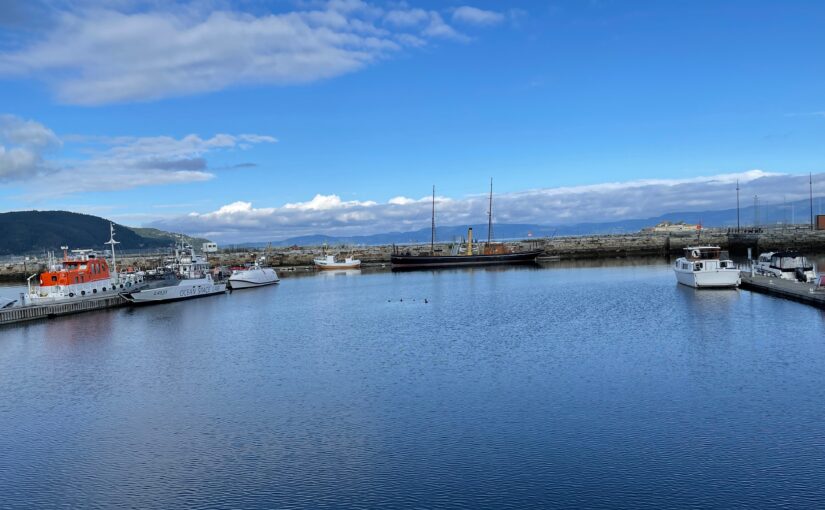
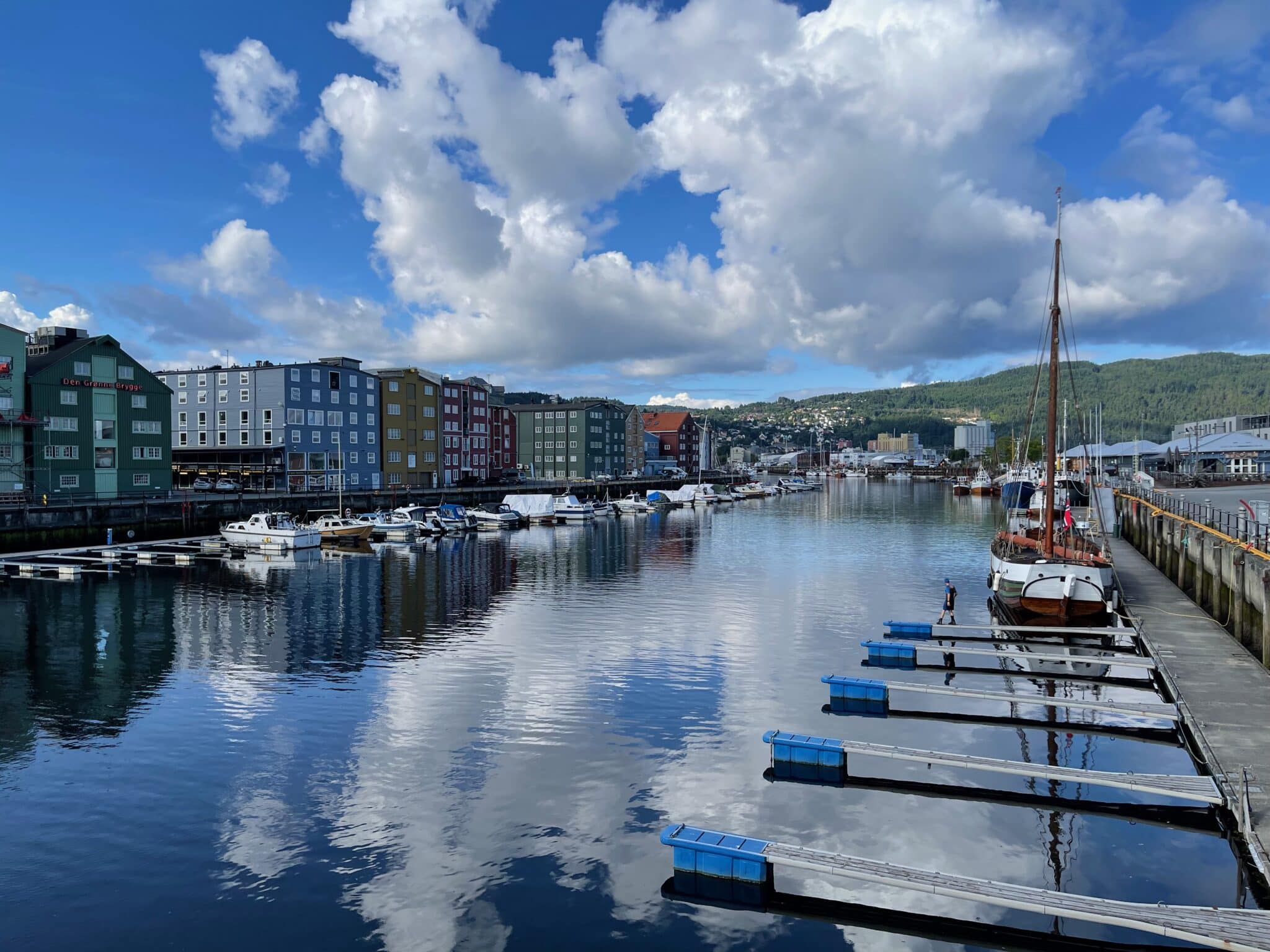
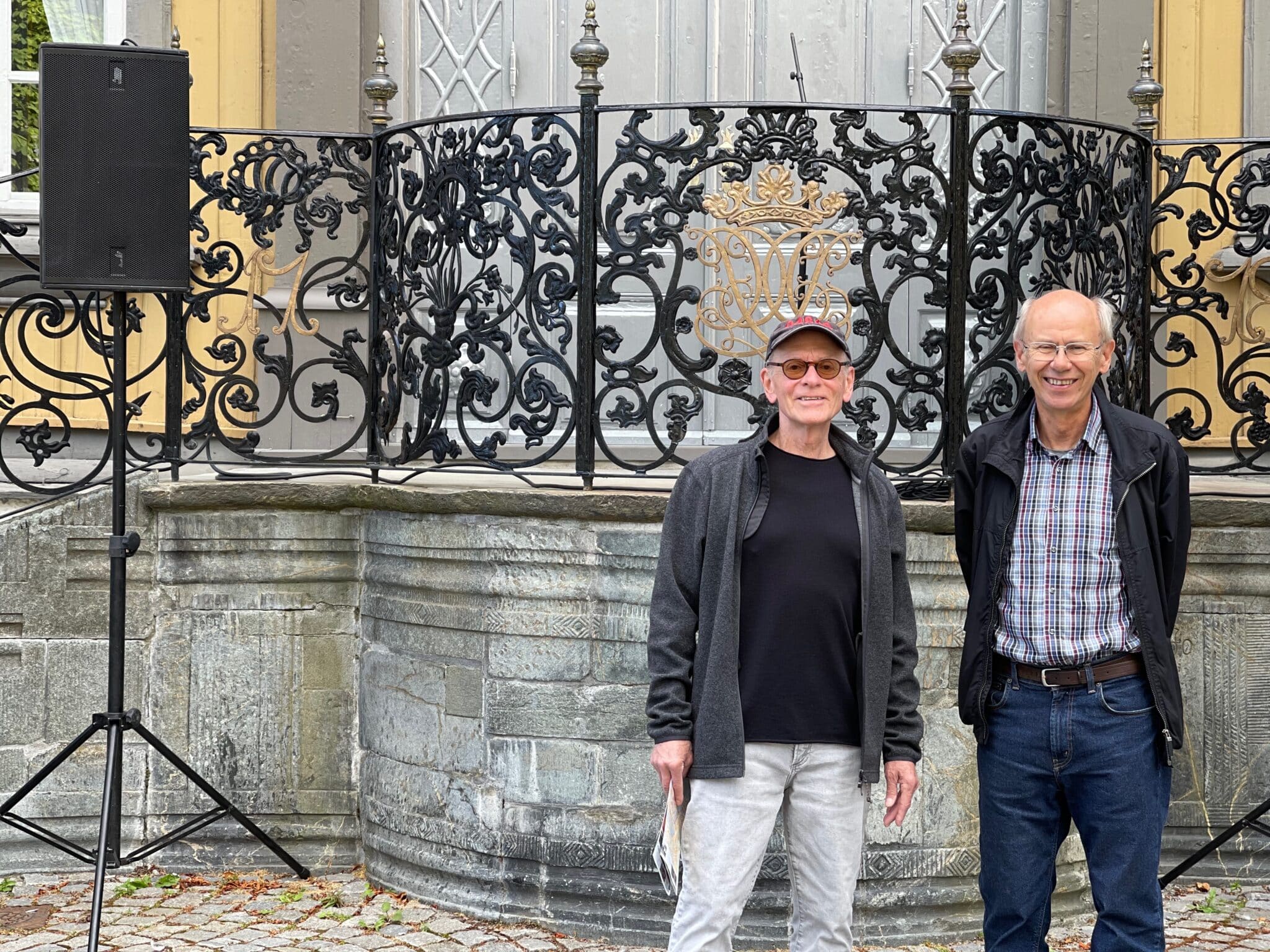
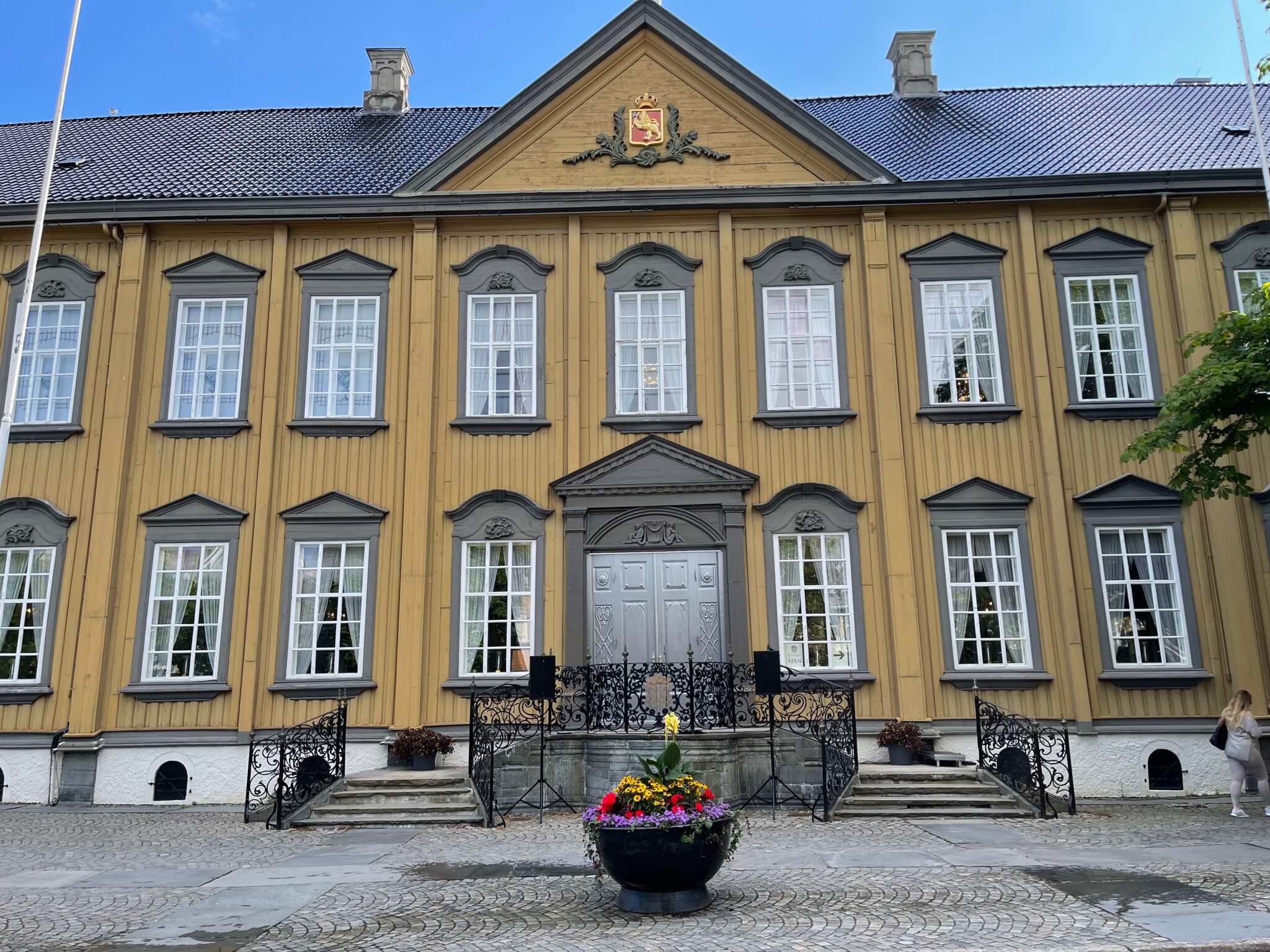
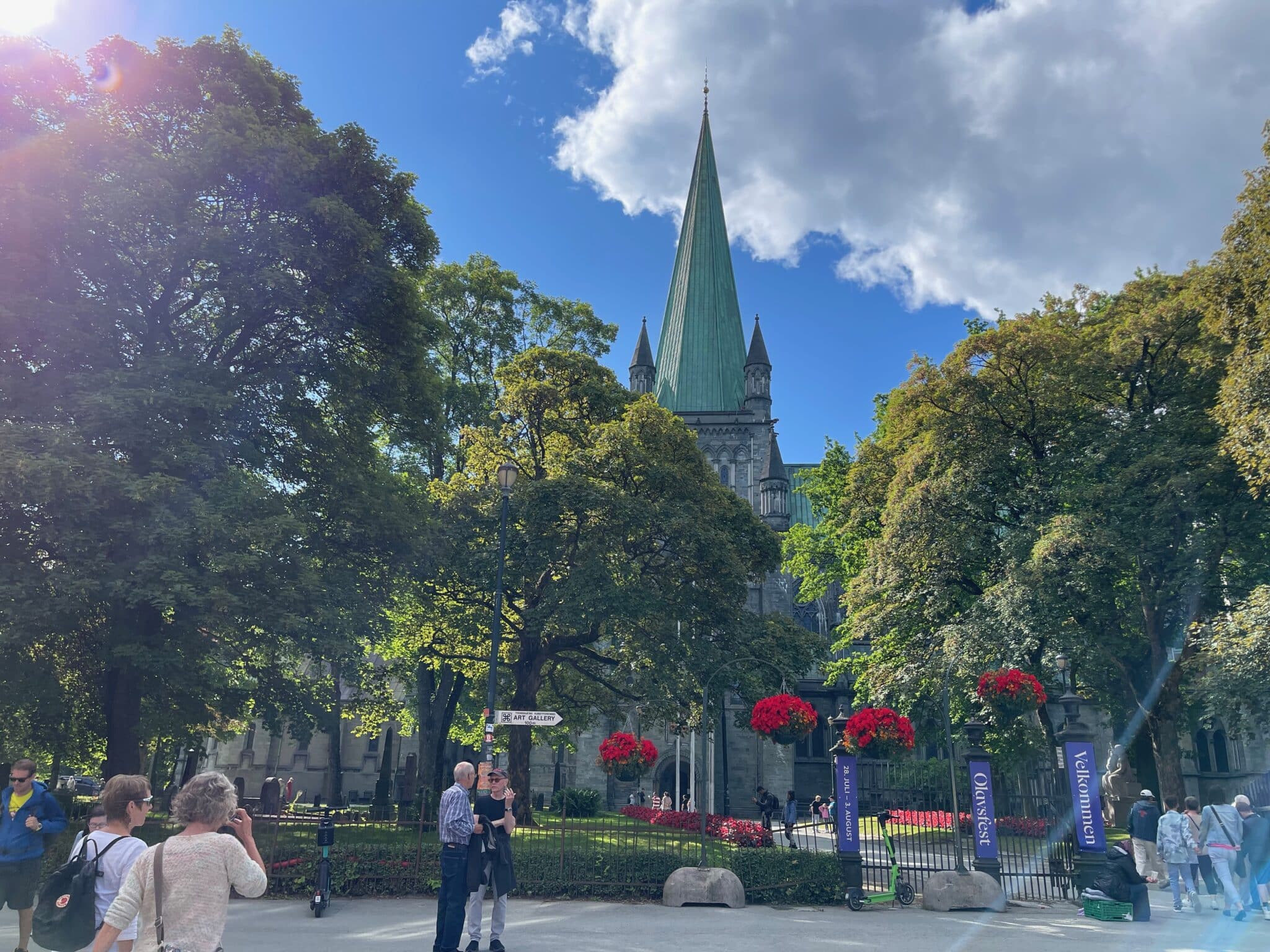
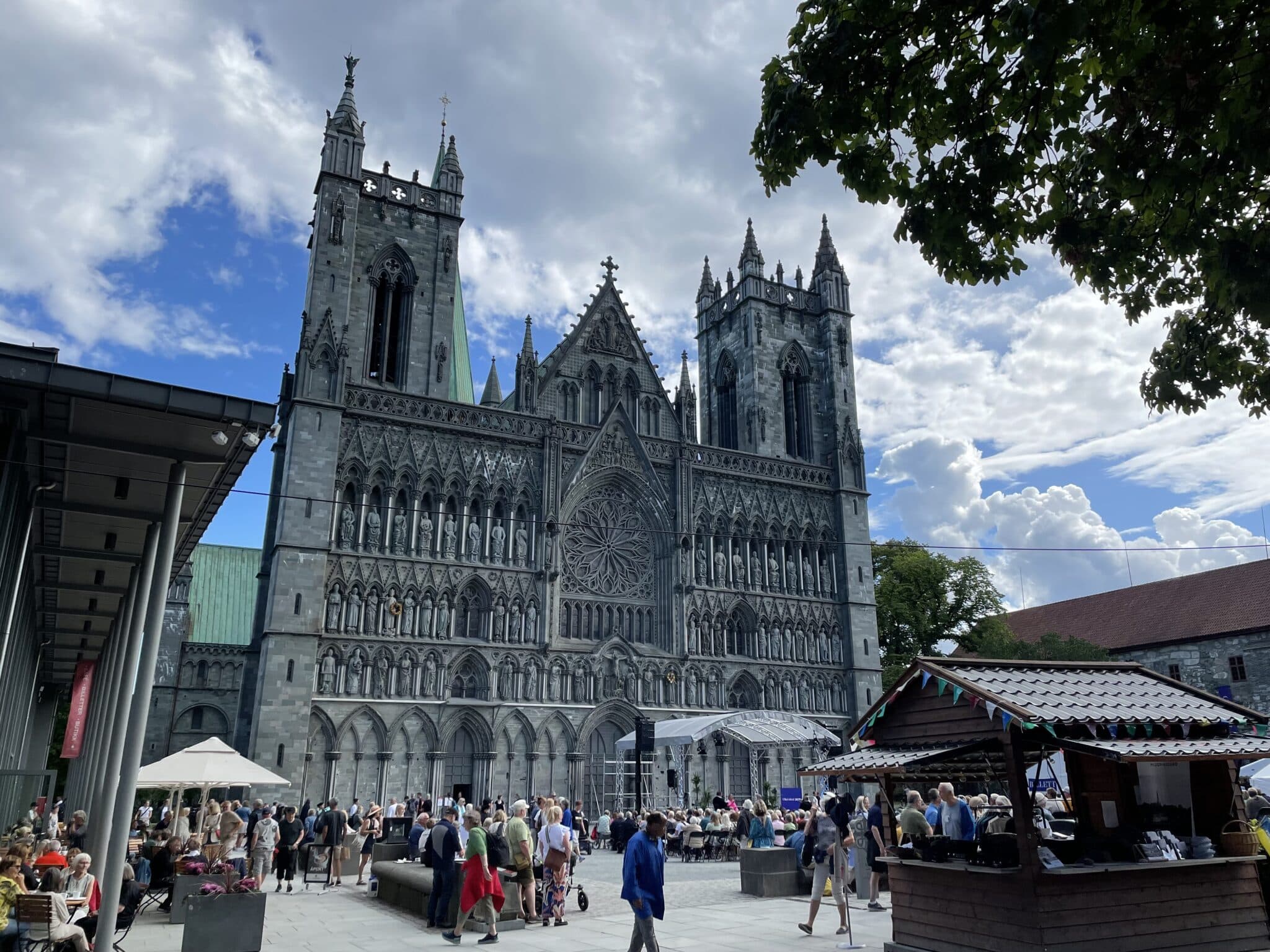
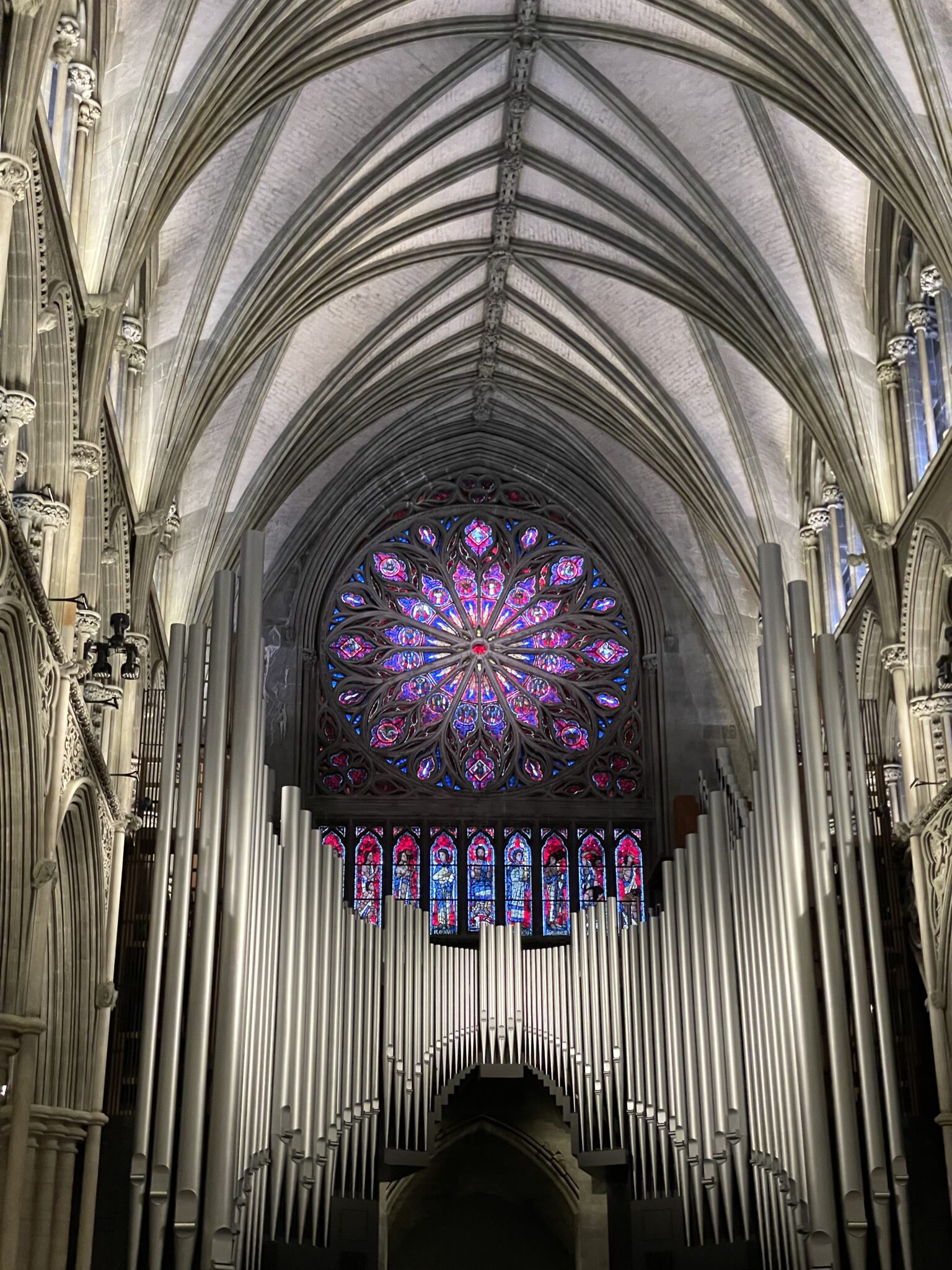
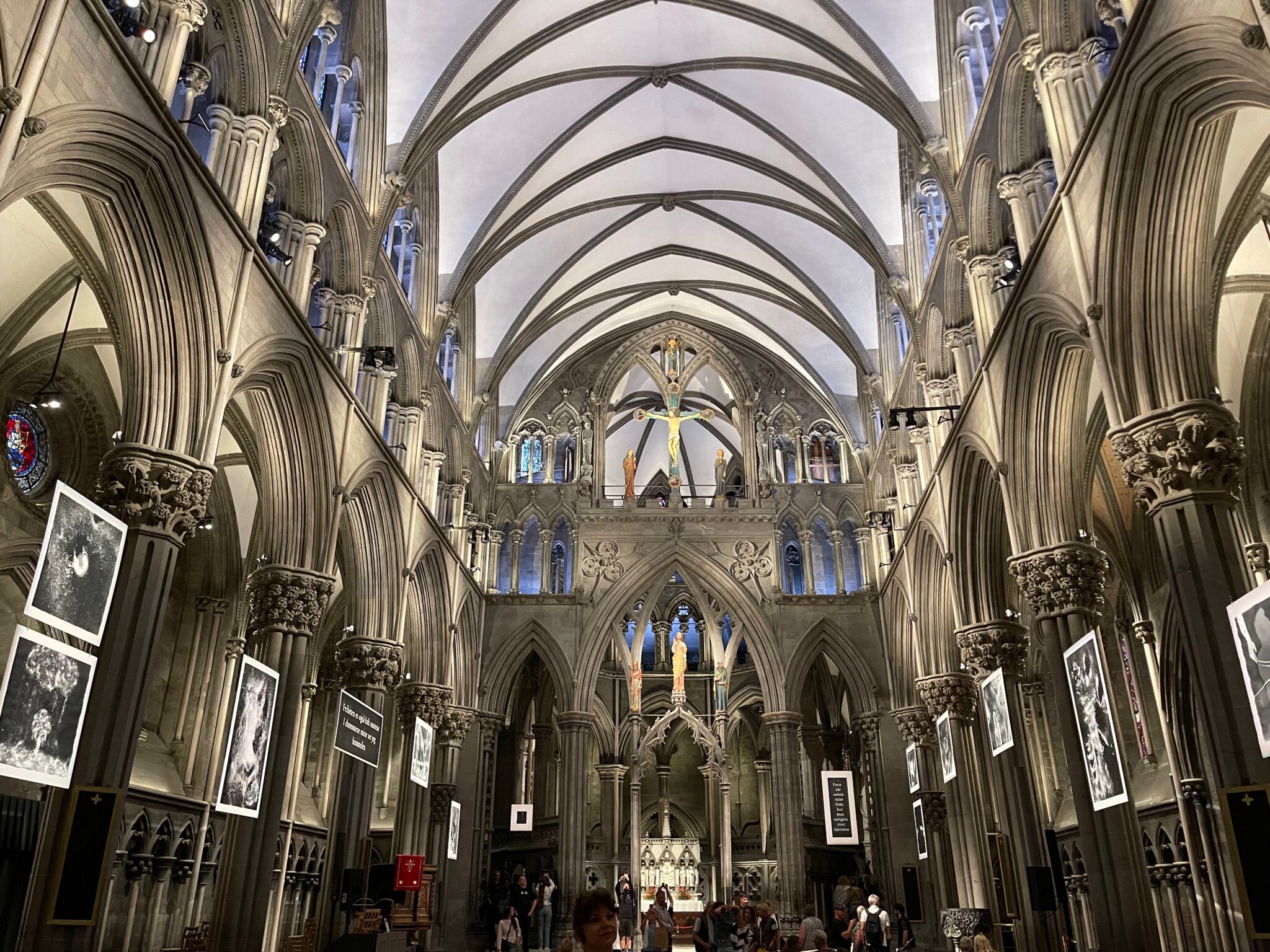
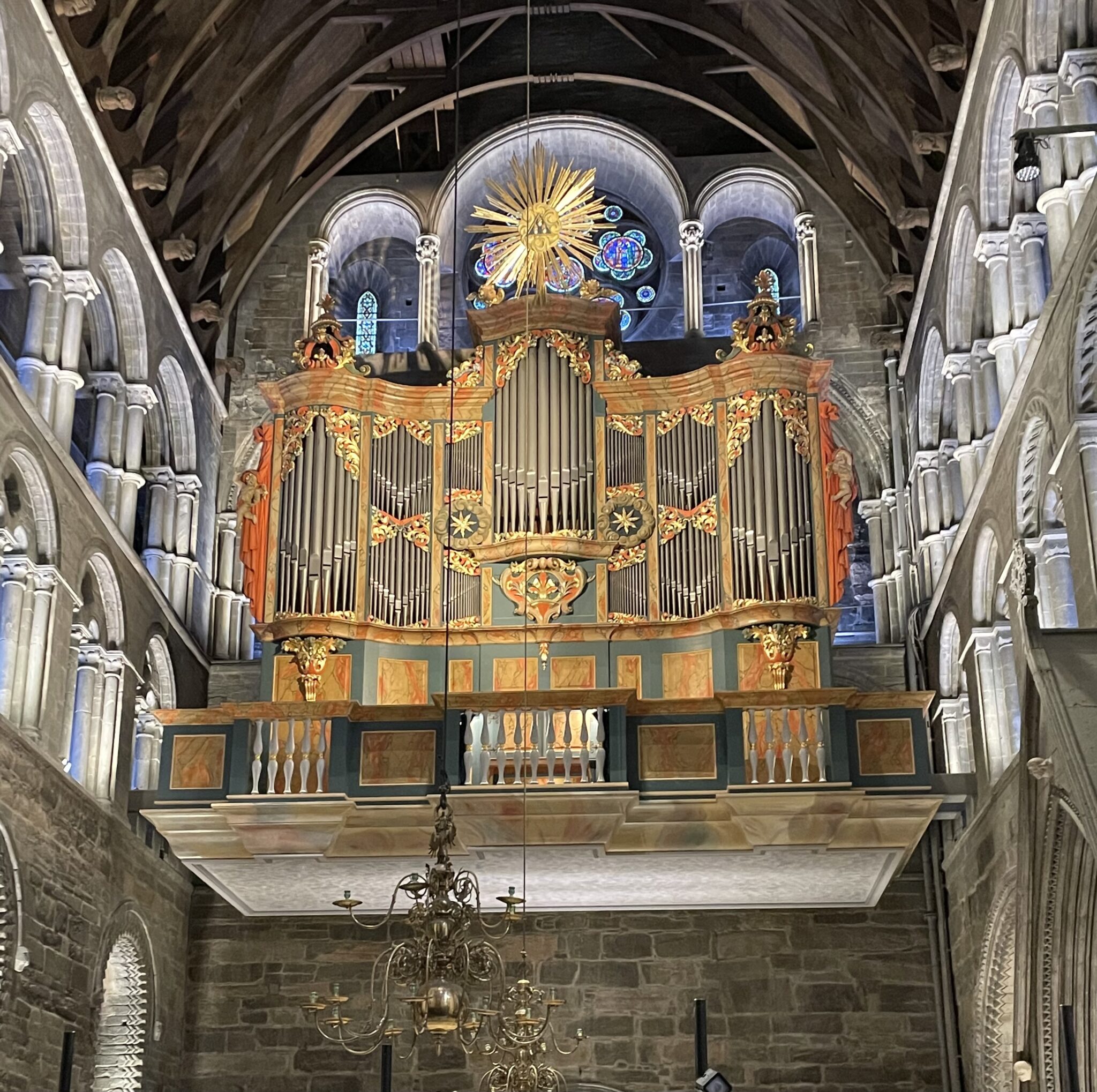
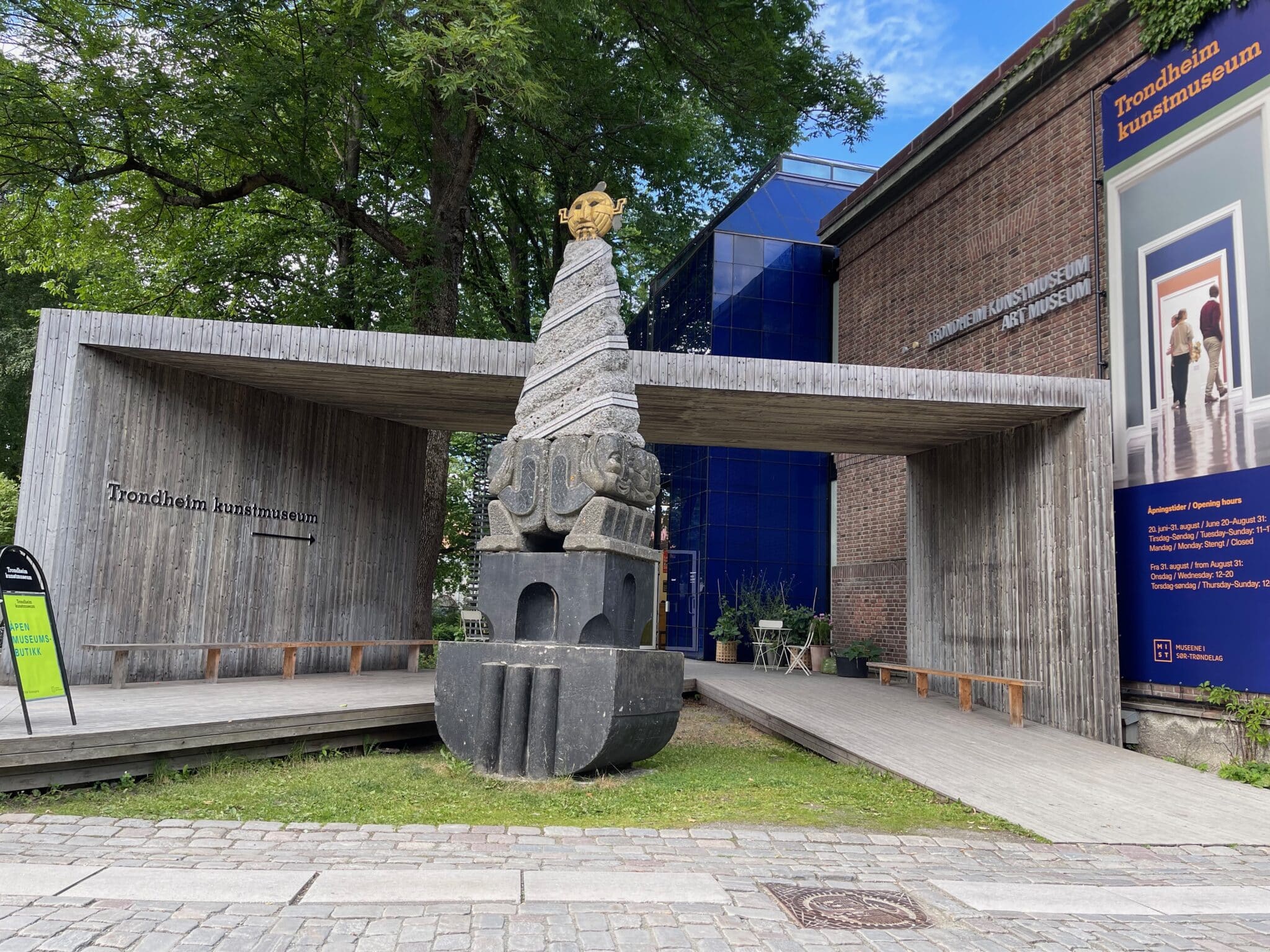 As we entered, a piece of interactive art got our attention. A wall of dartboards and a box full of darts invited us to change the picture ever so slightly.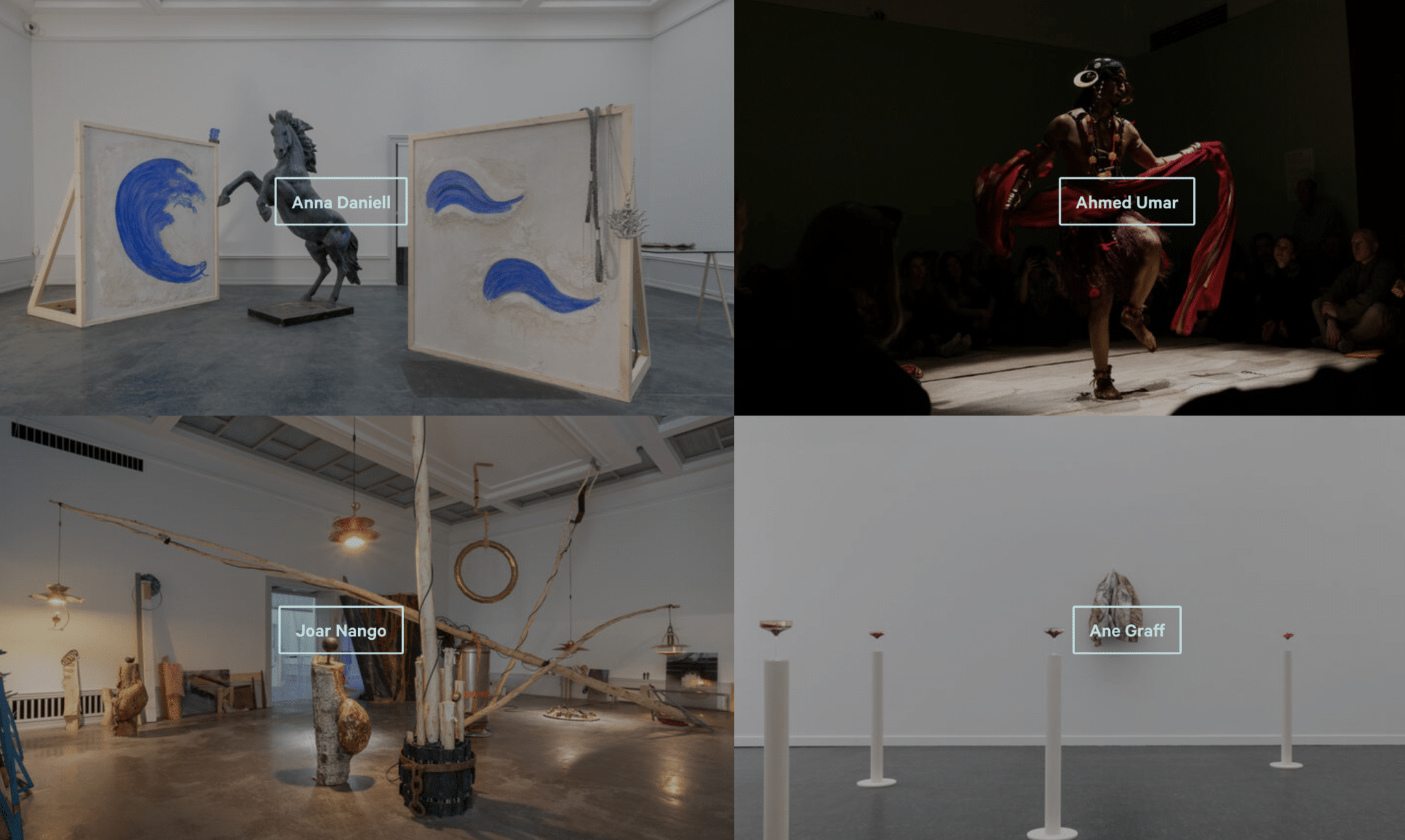
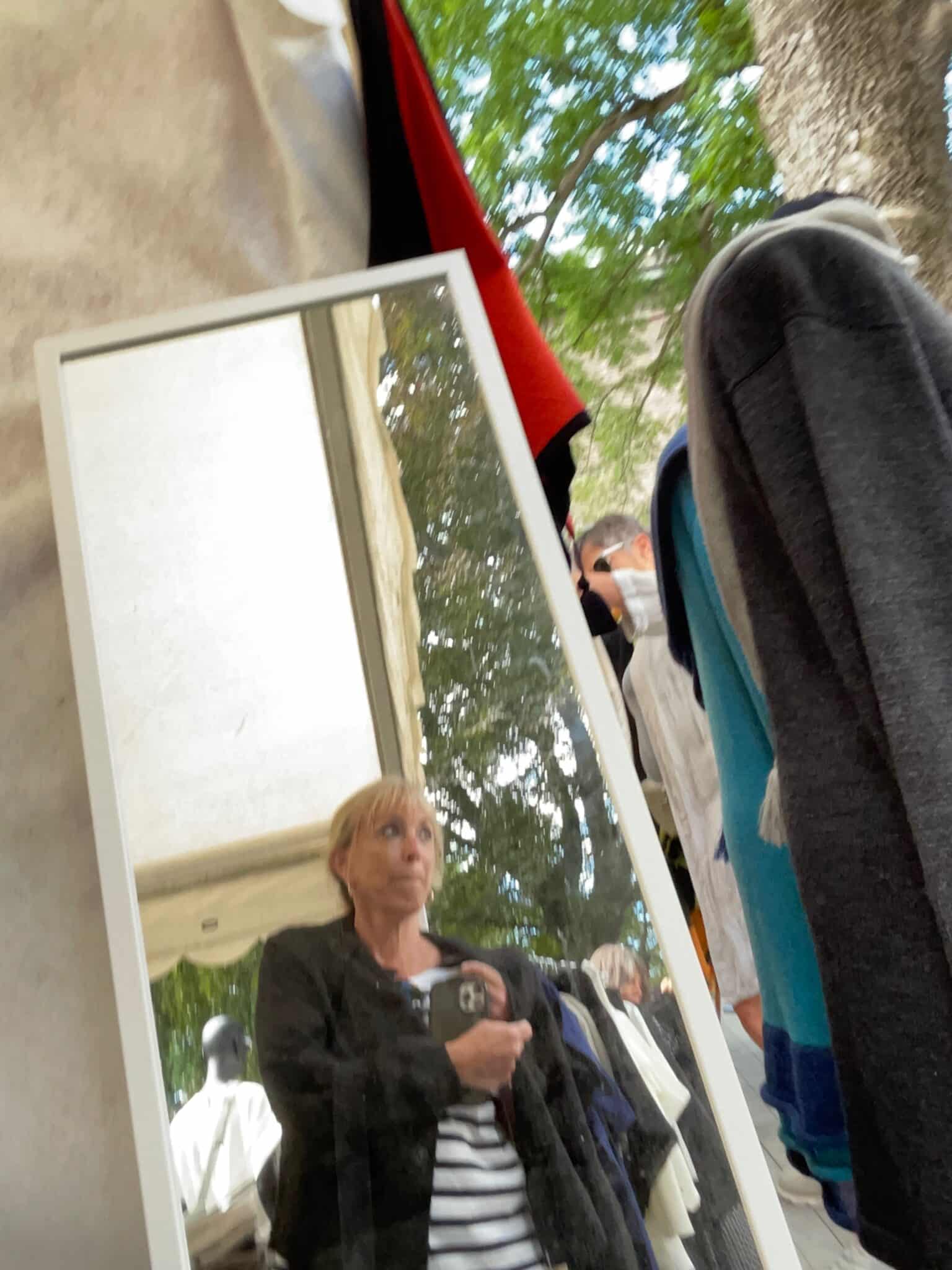

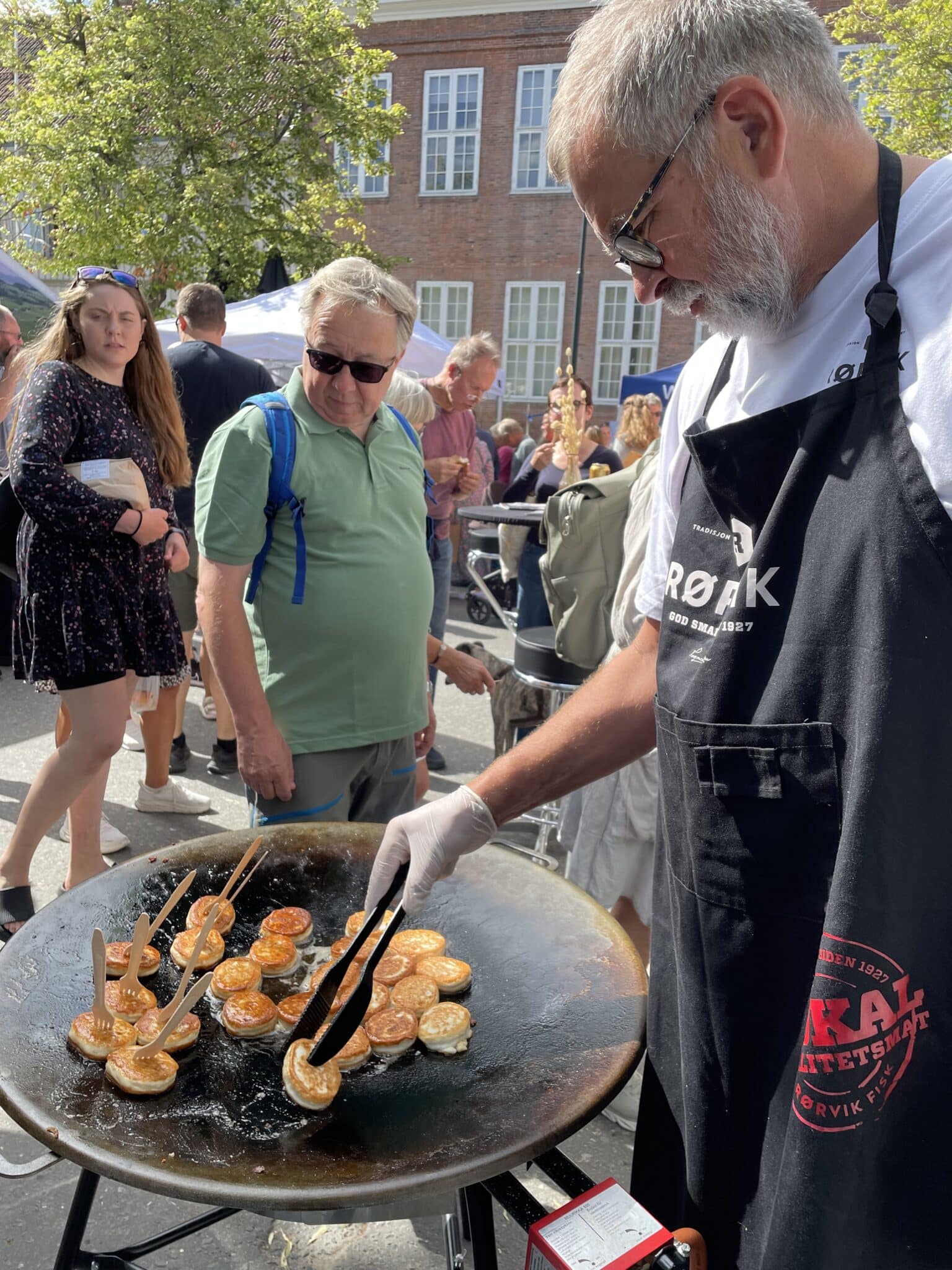
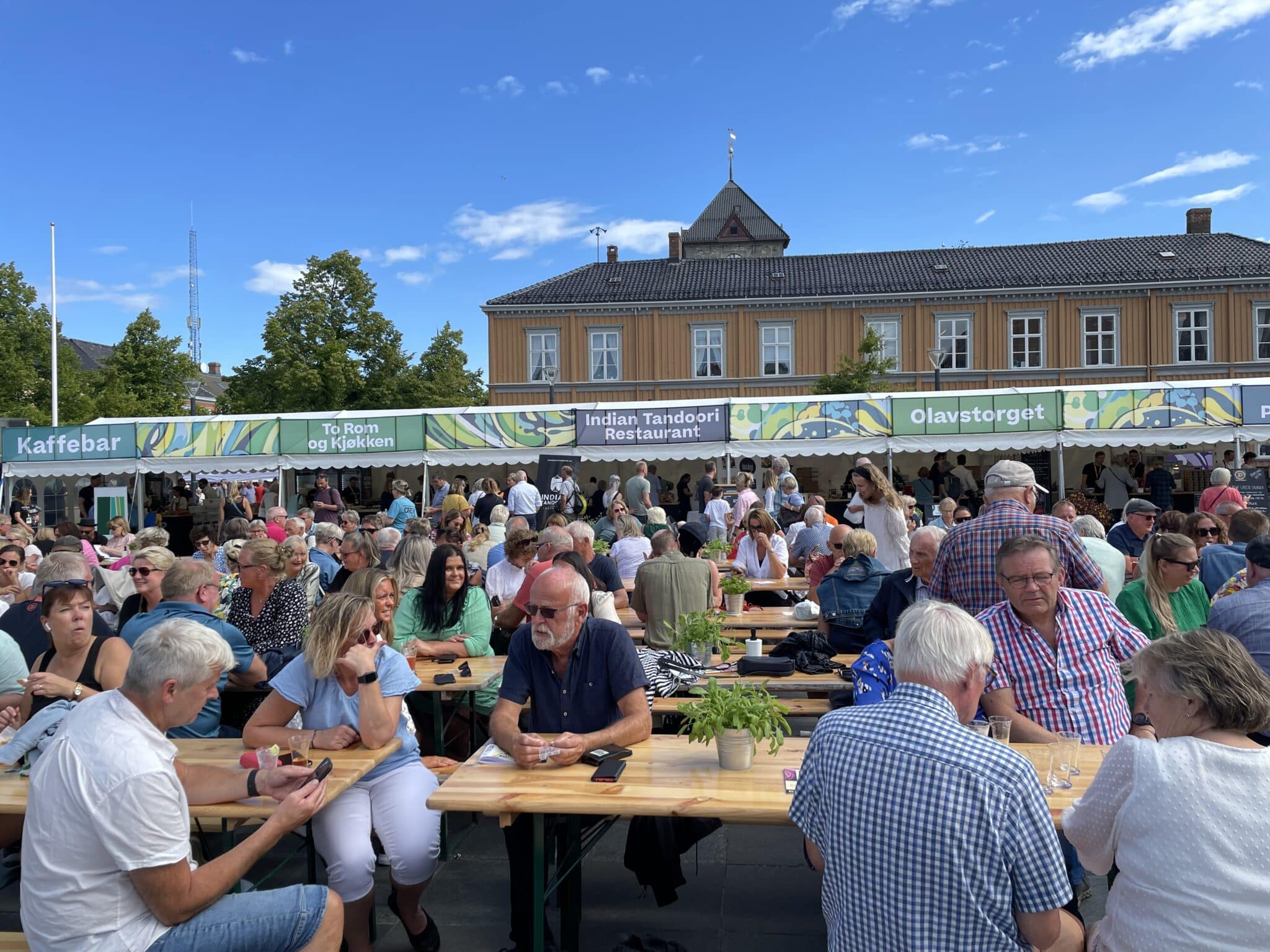
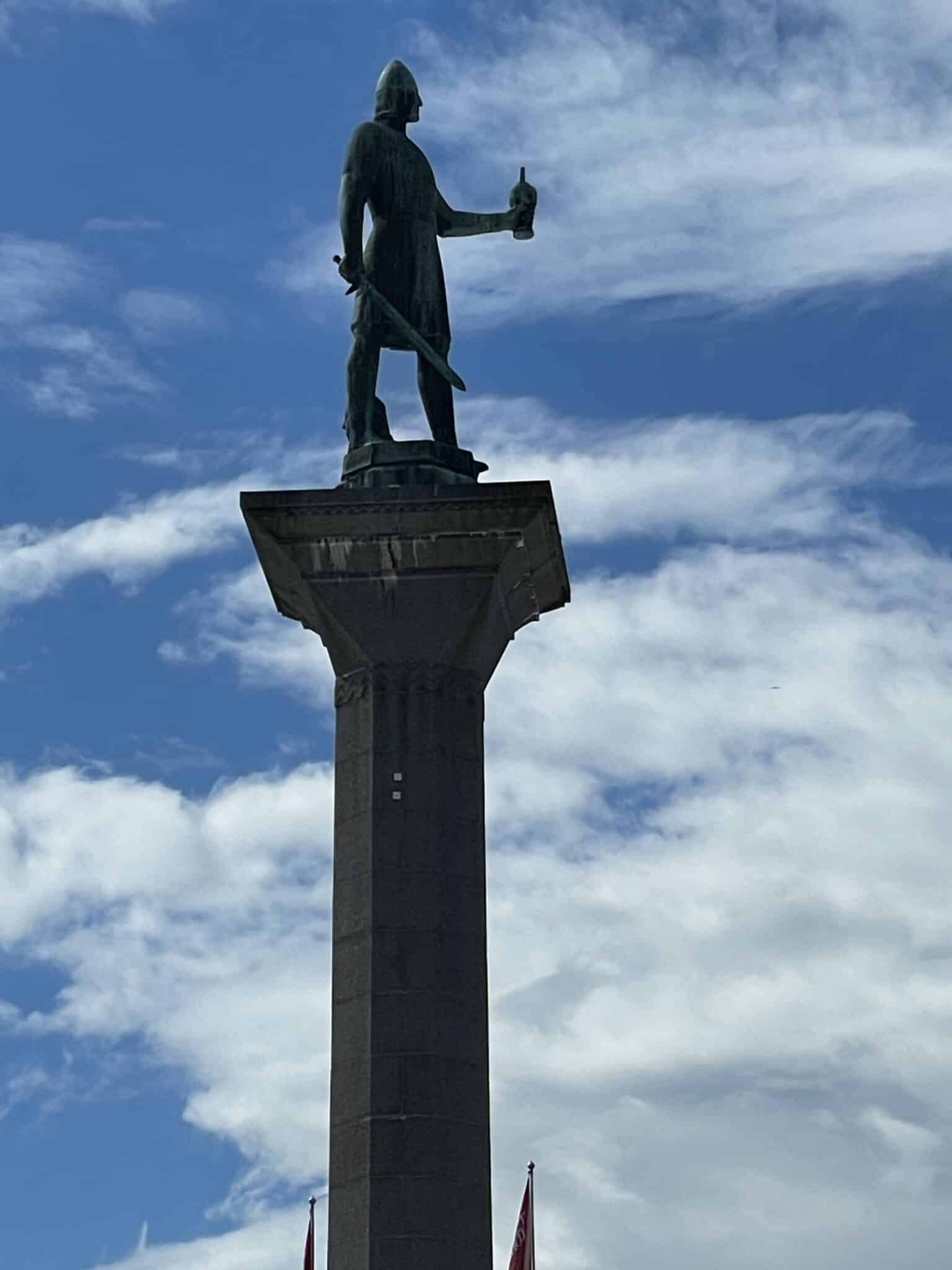
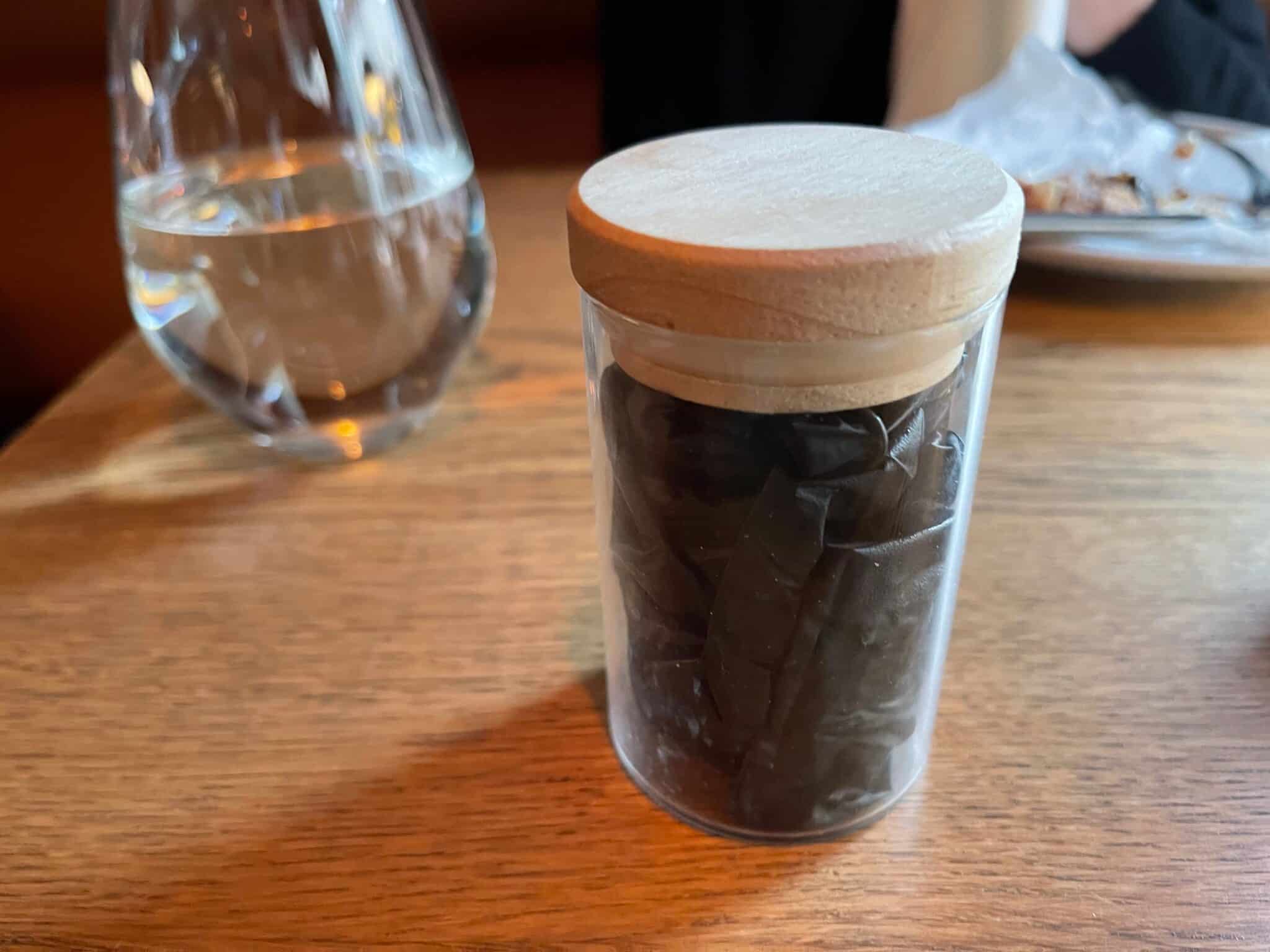
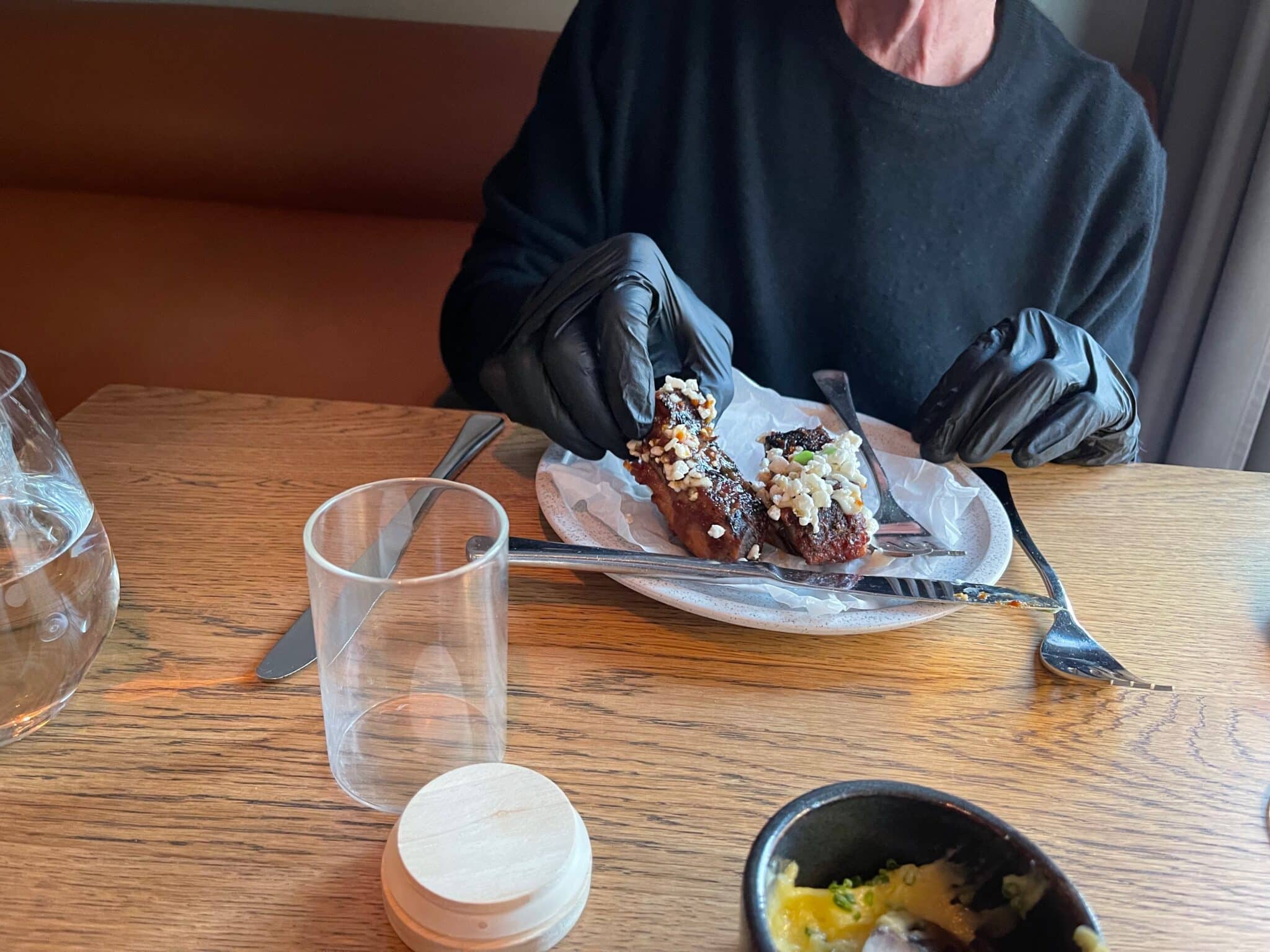
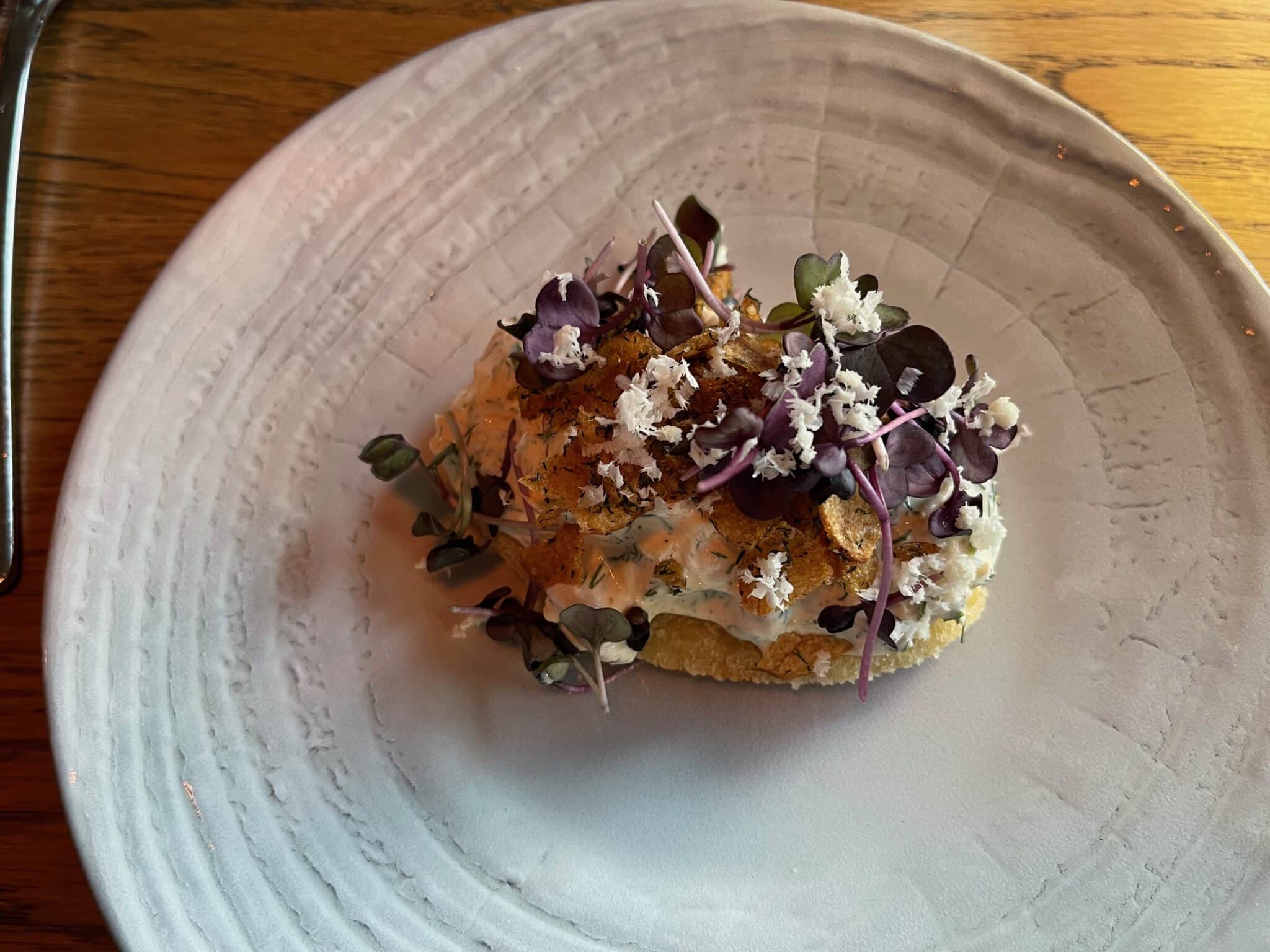

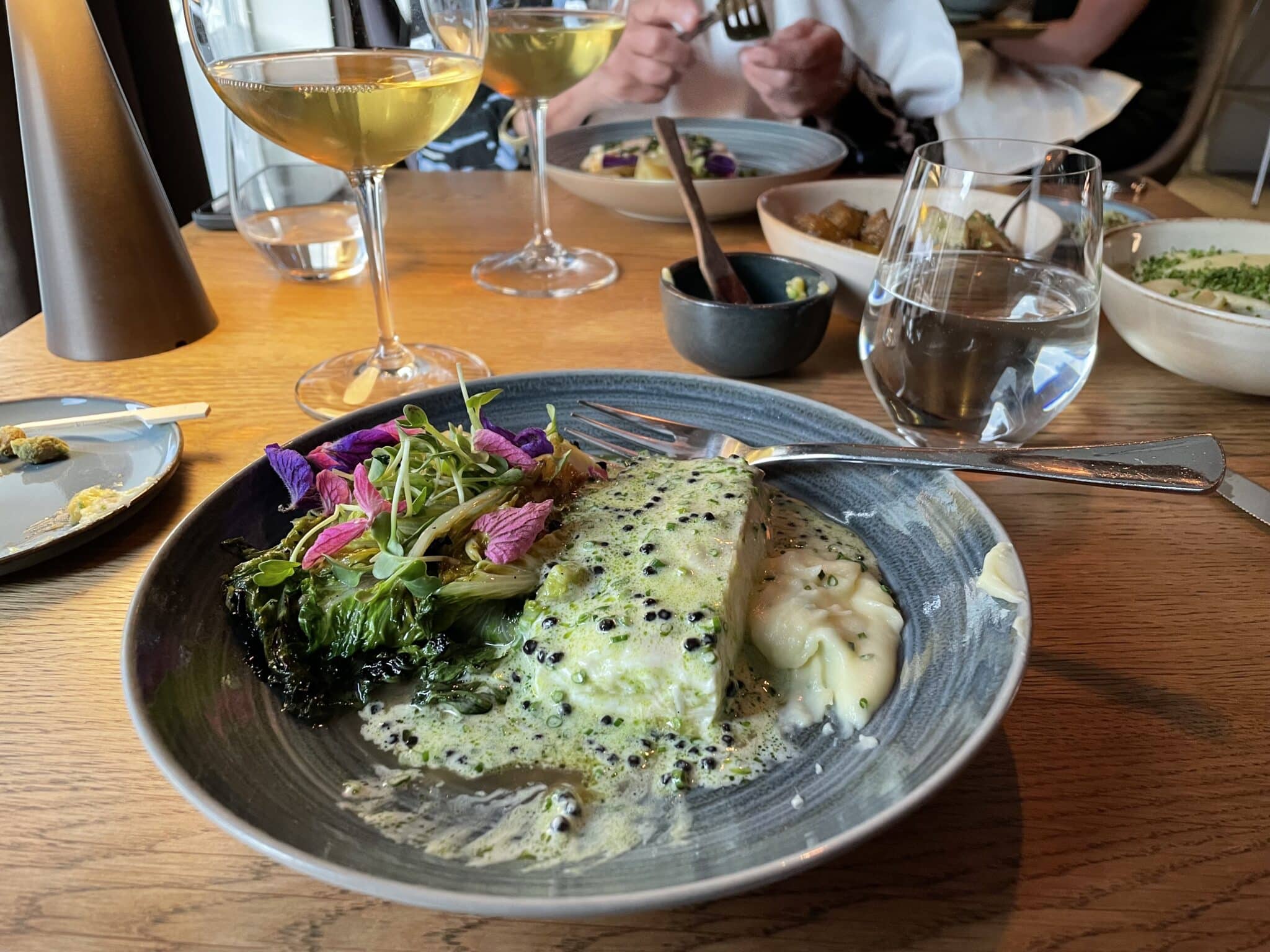
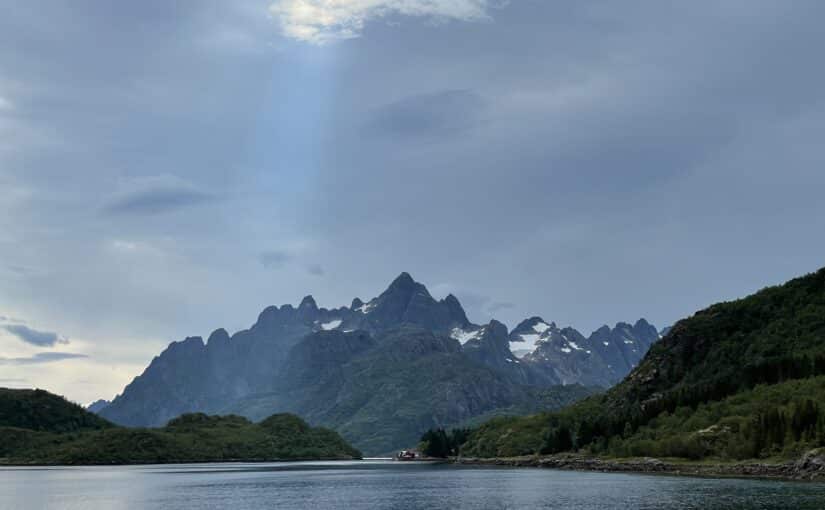
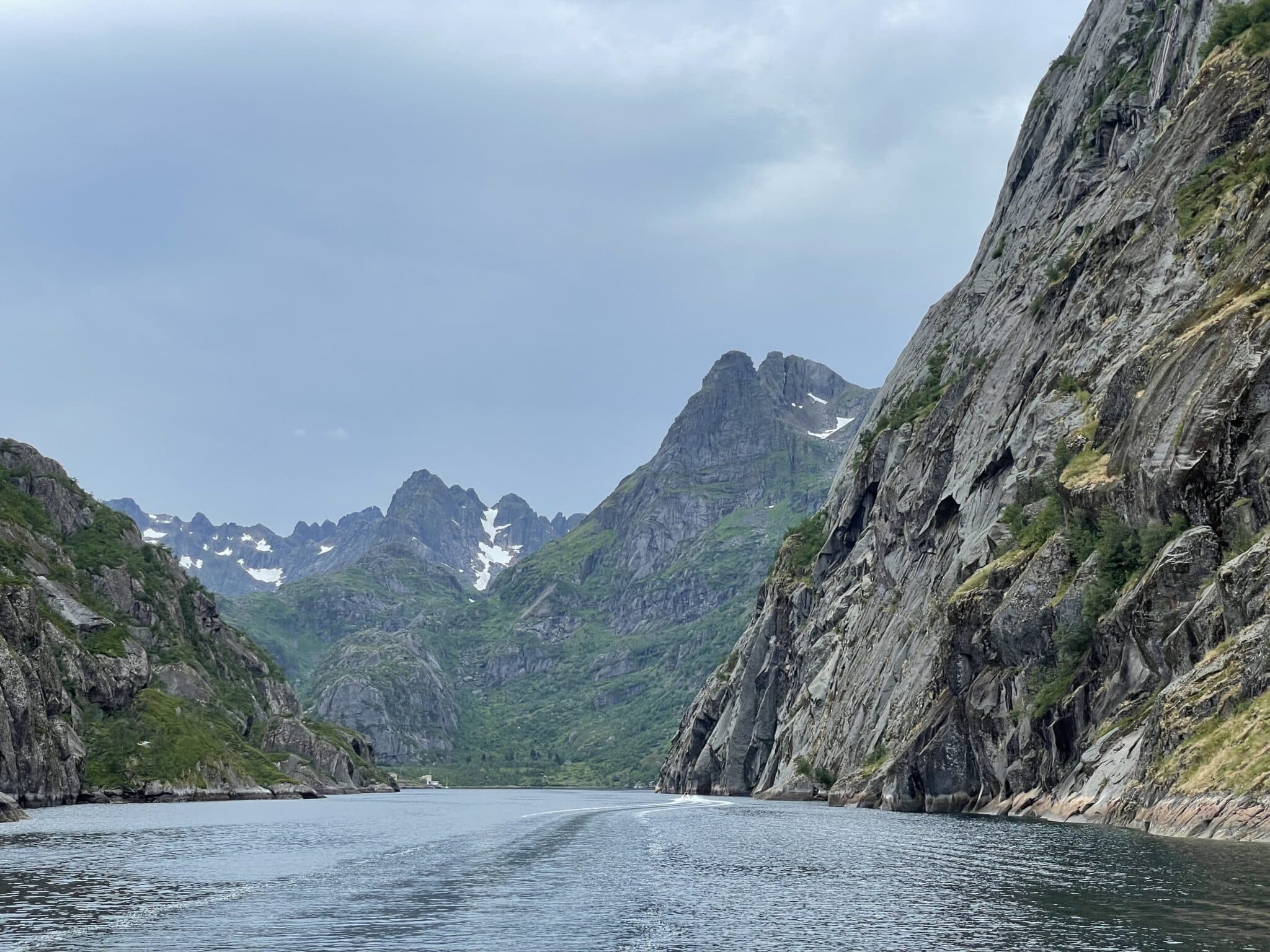
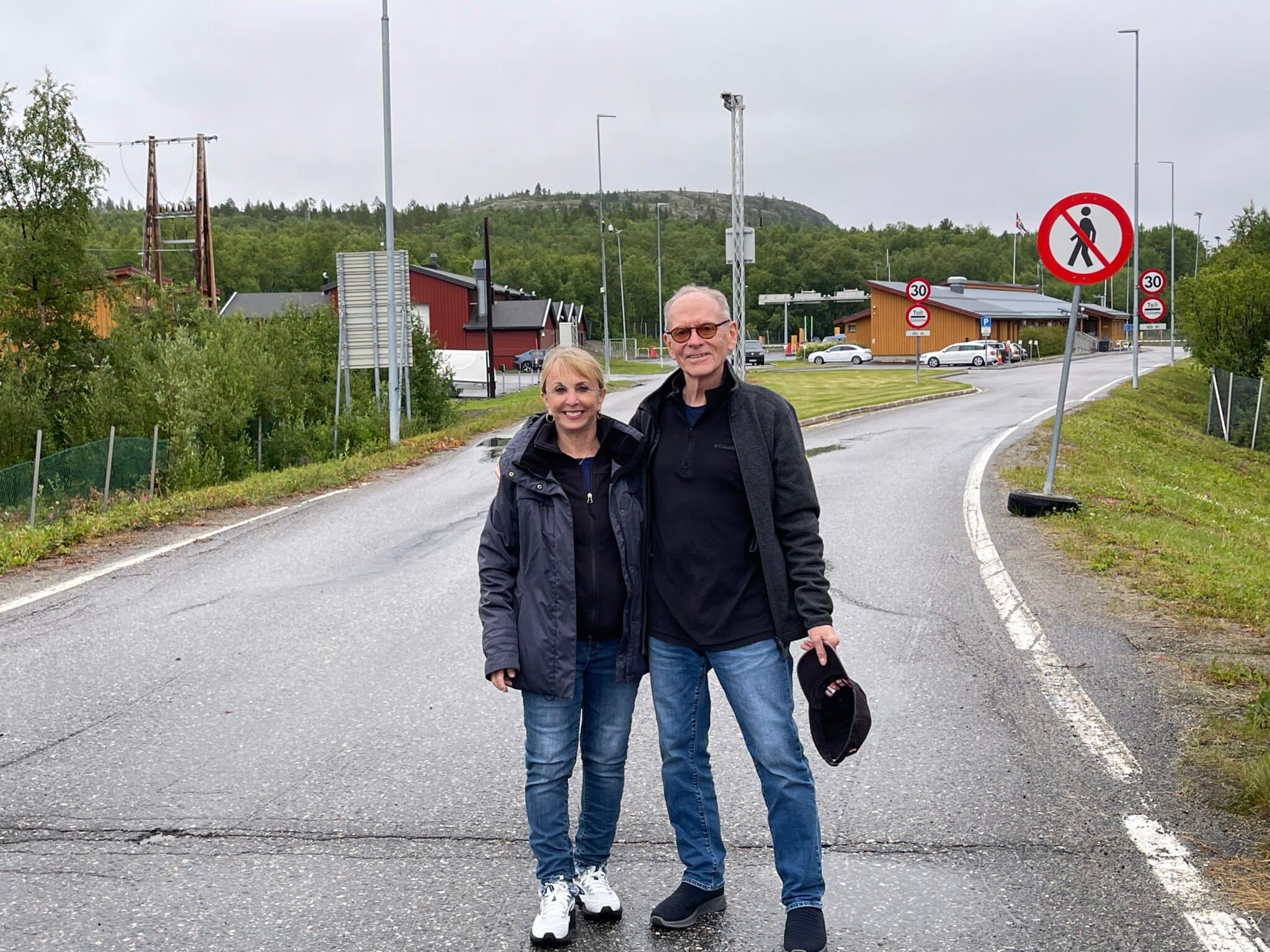
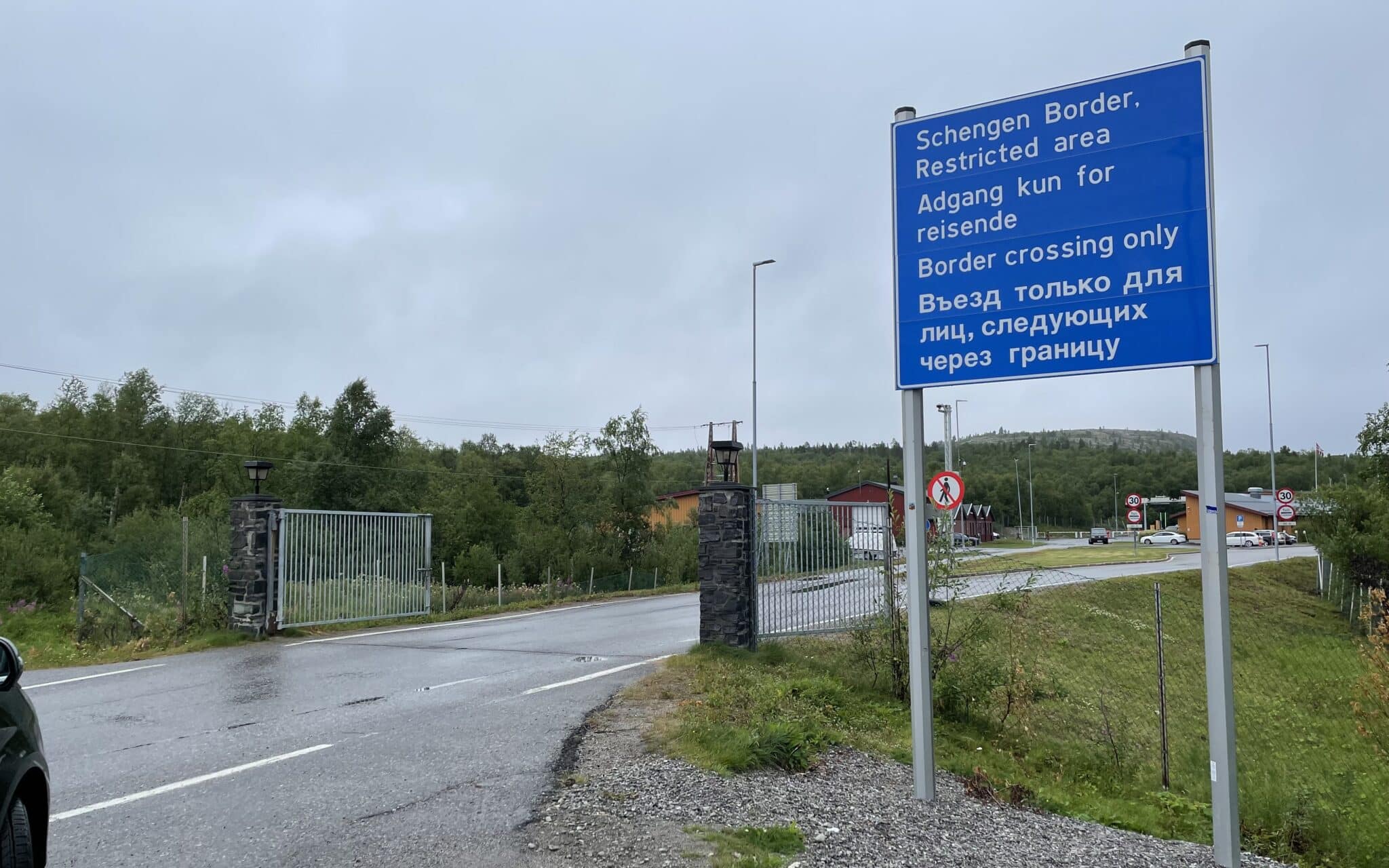

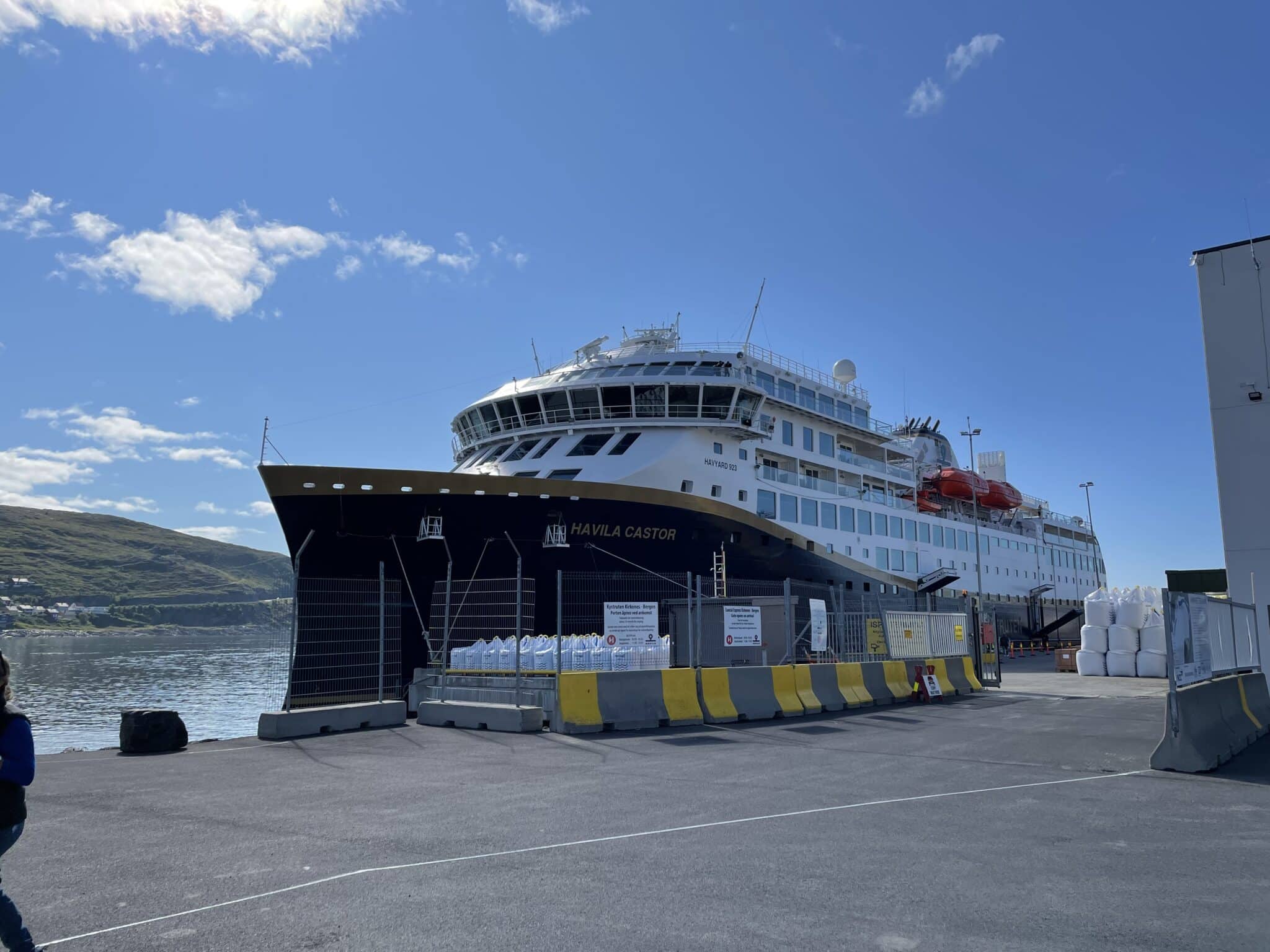


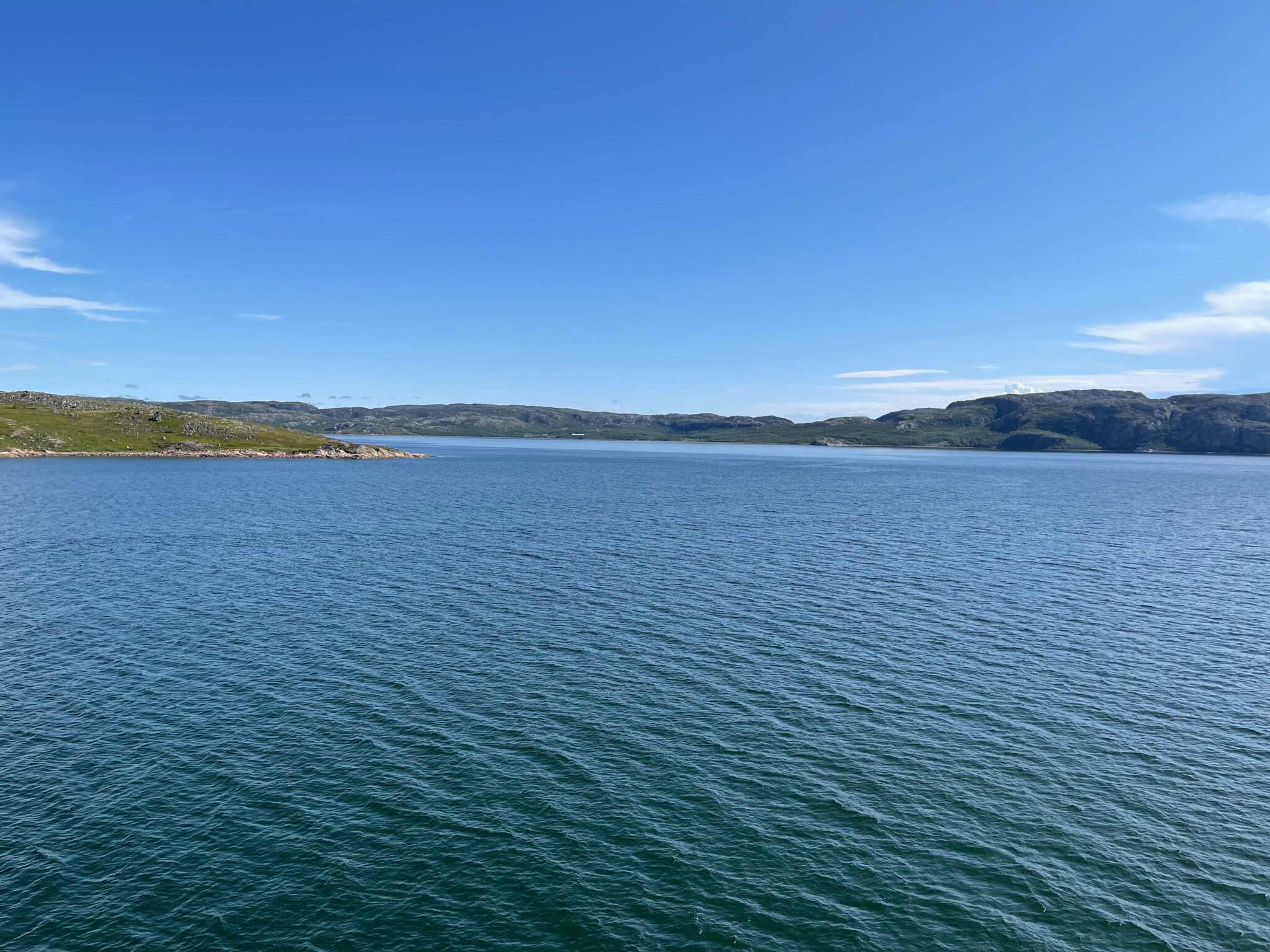
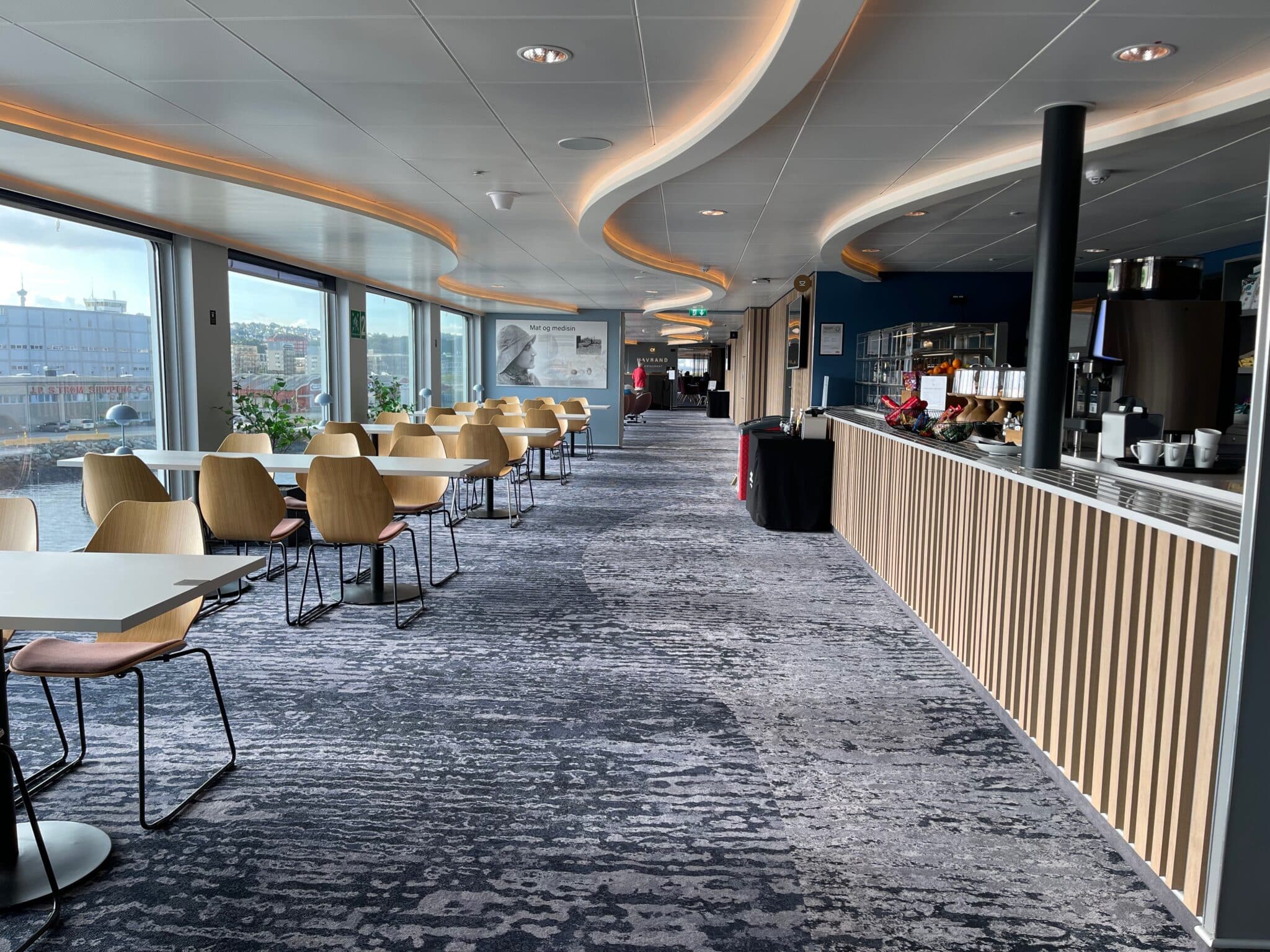
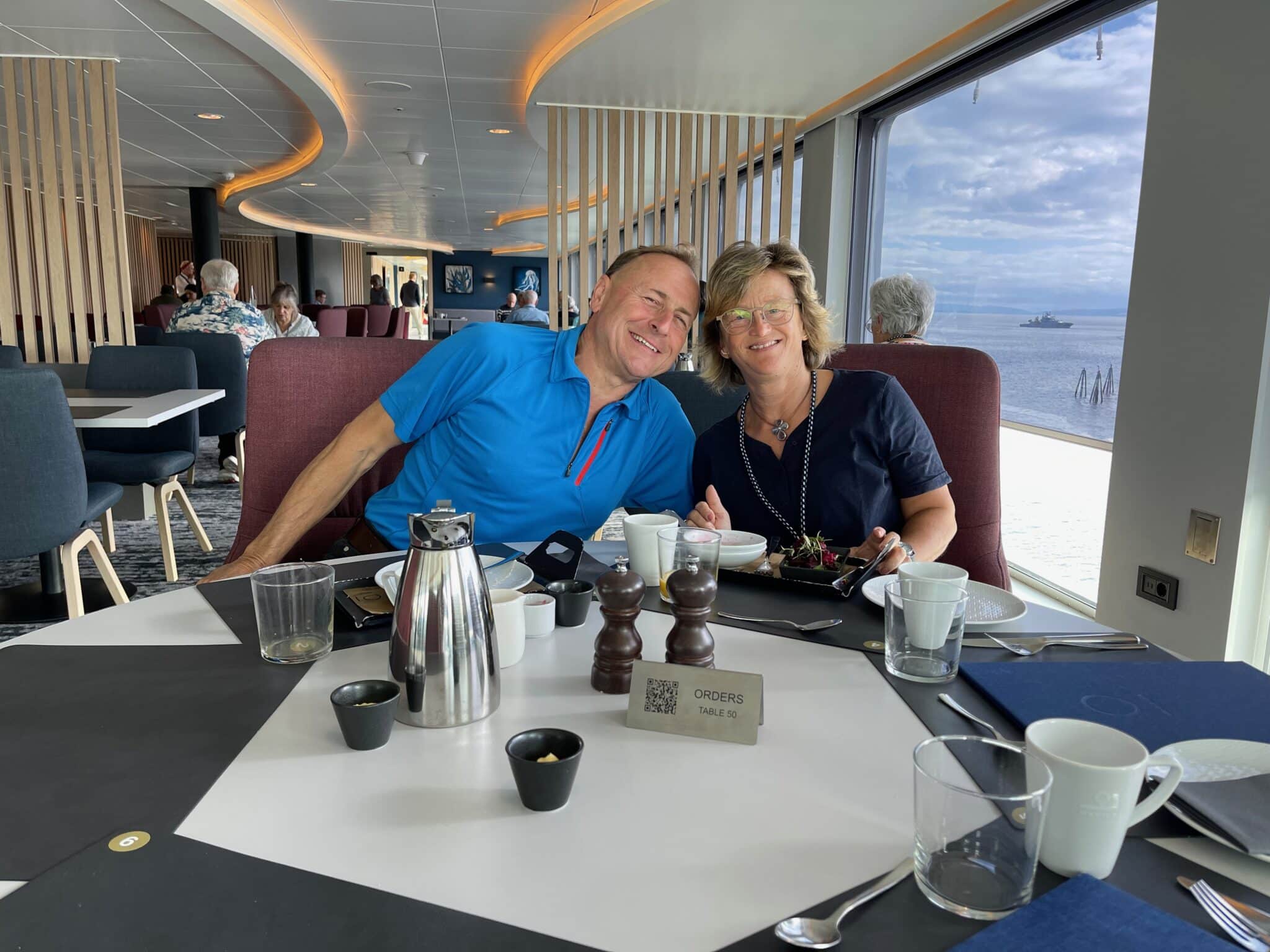
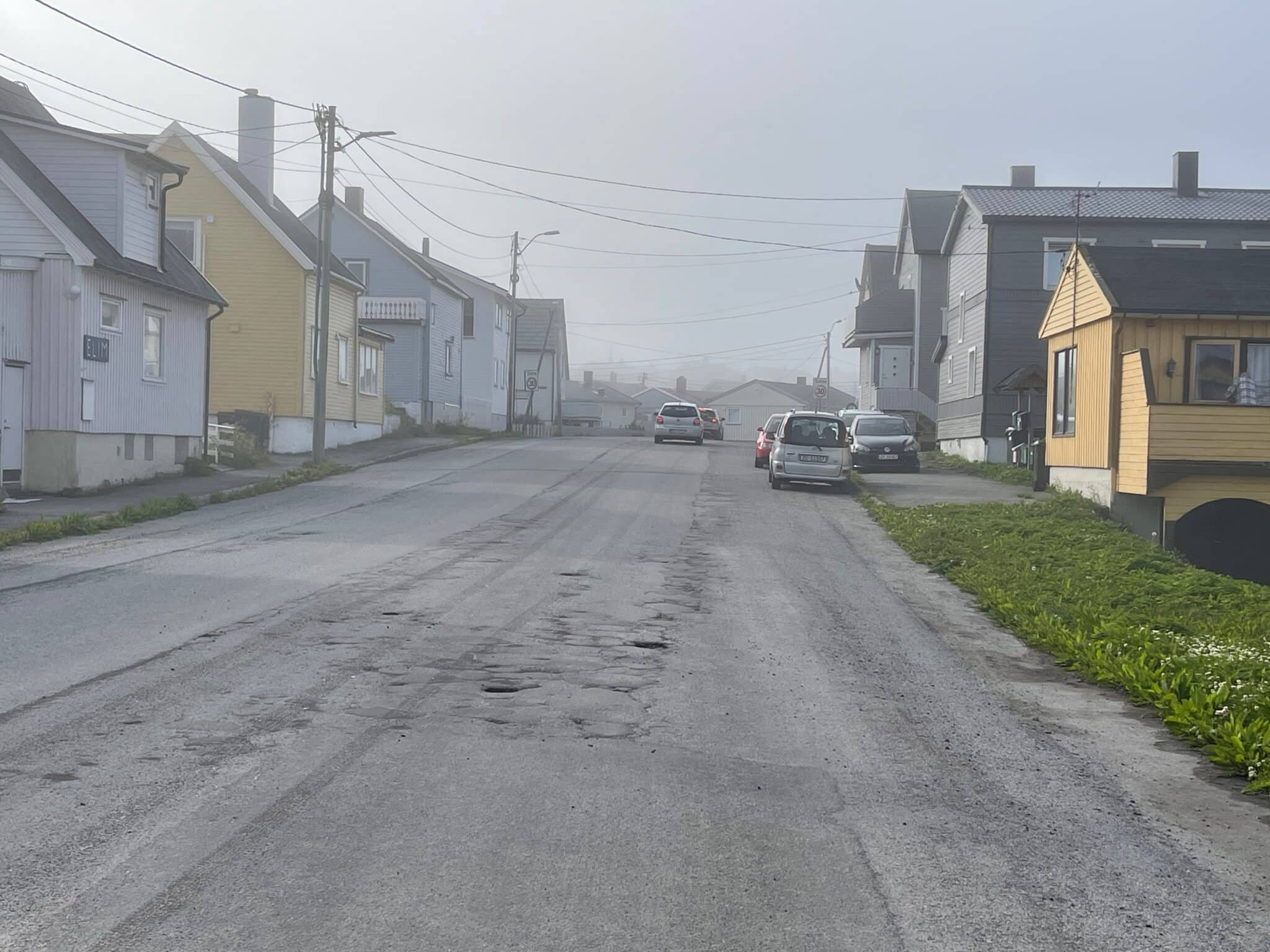
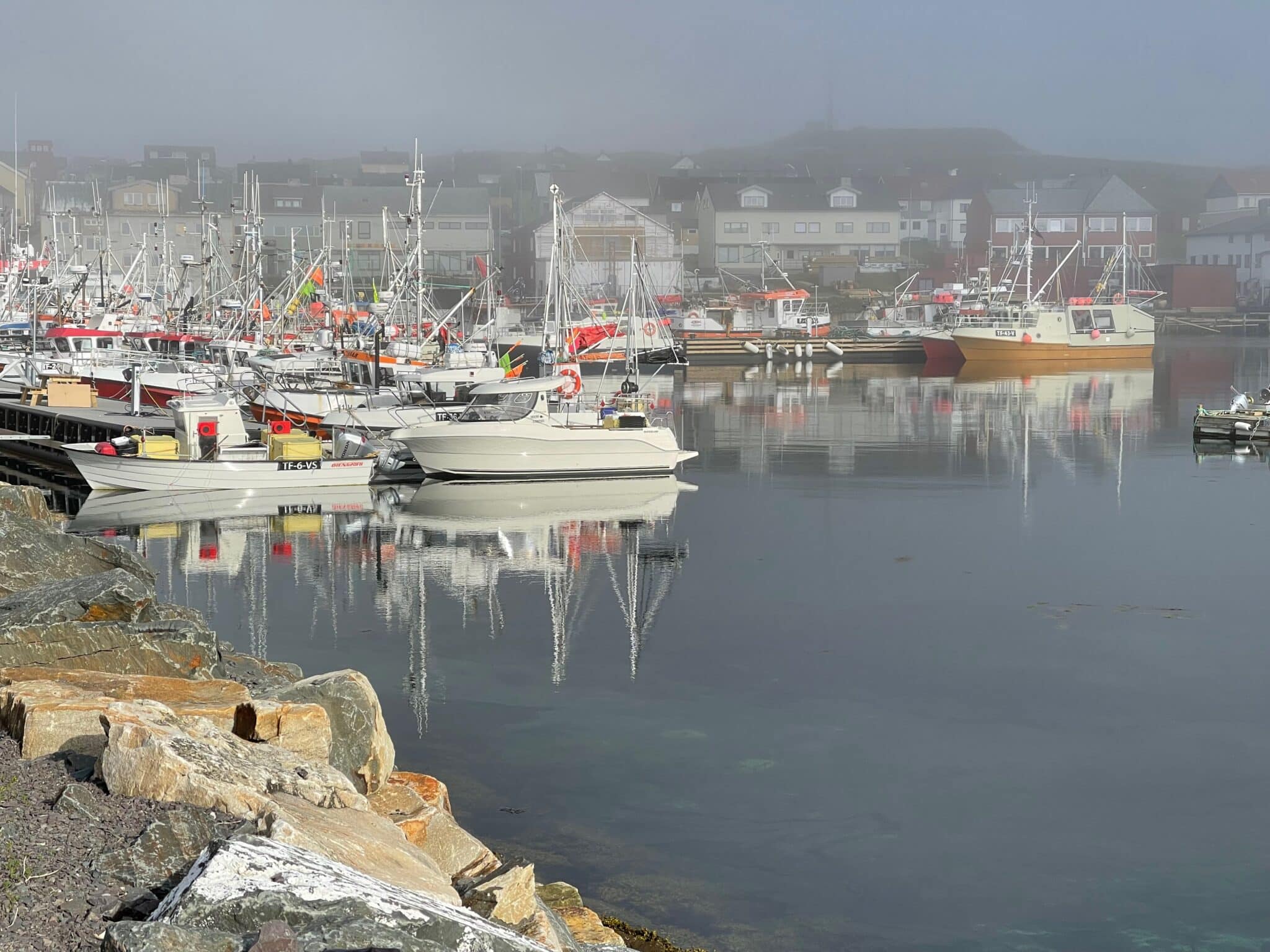
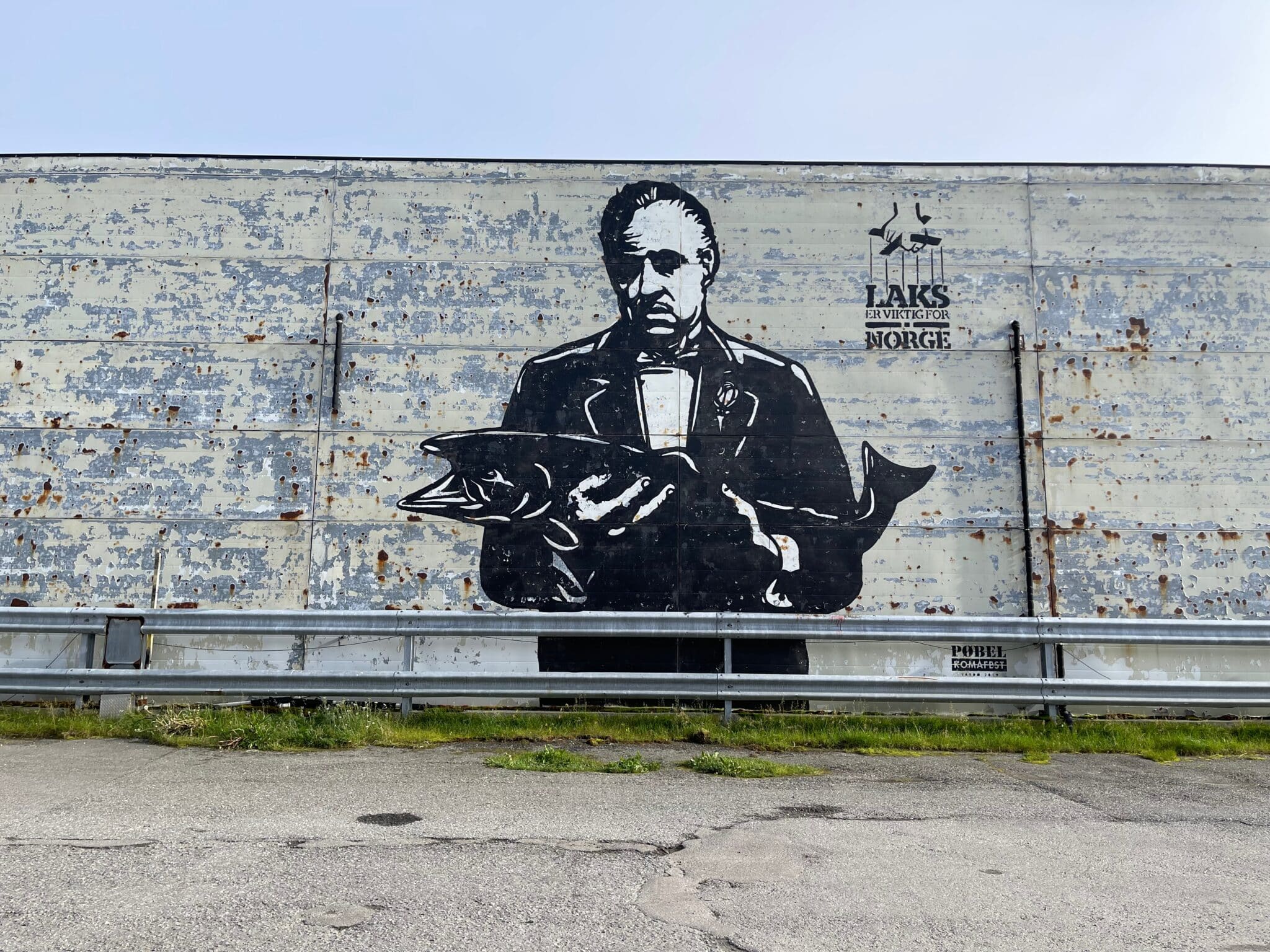
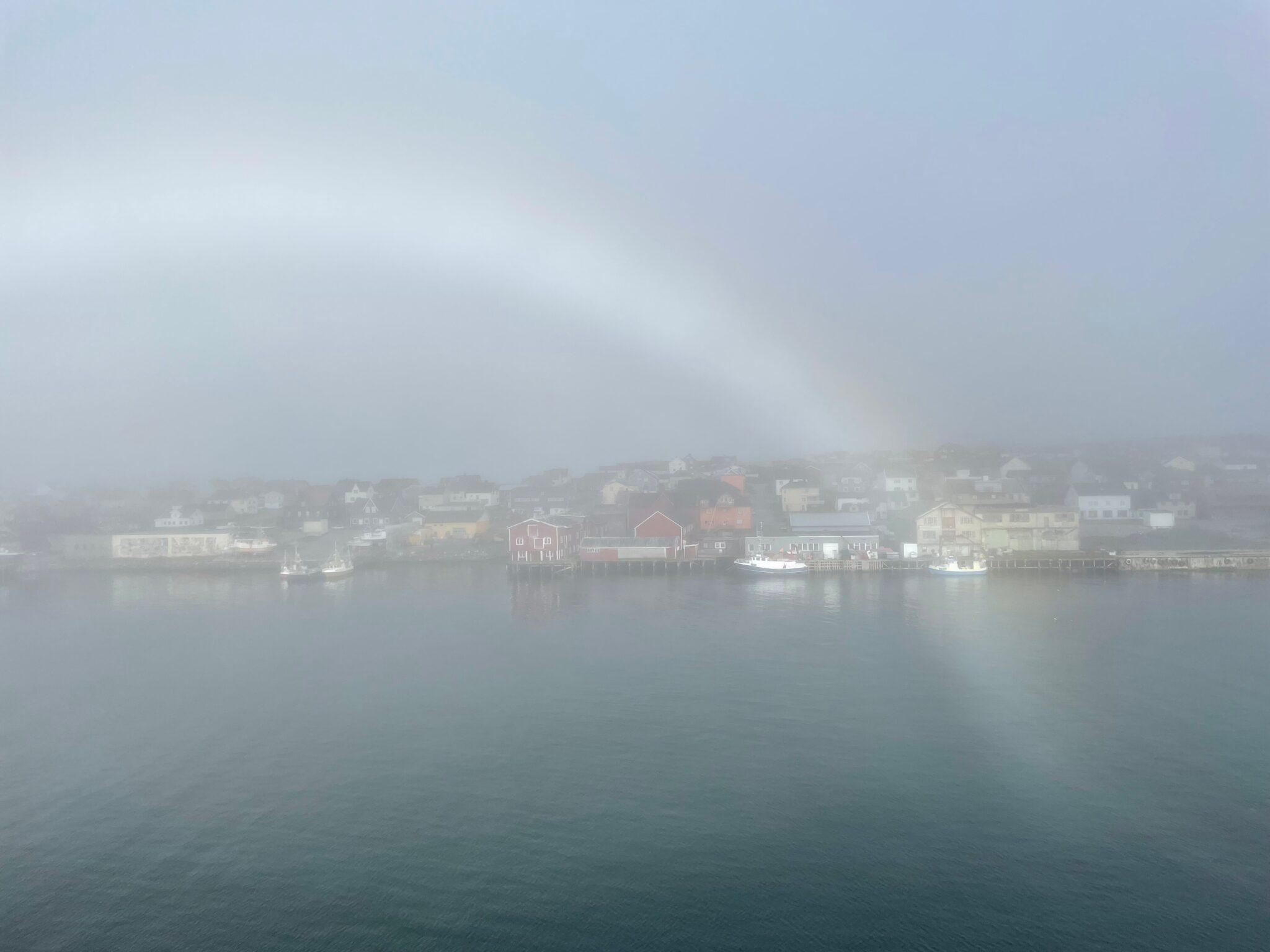
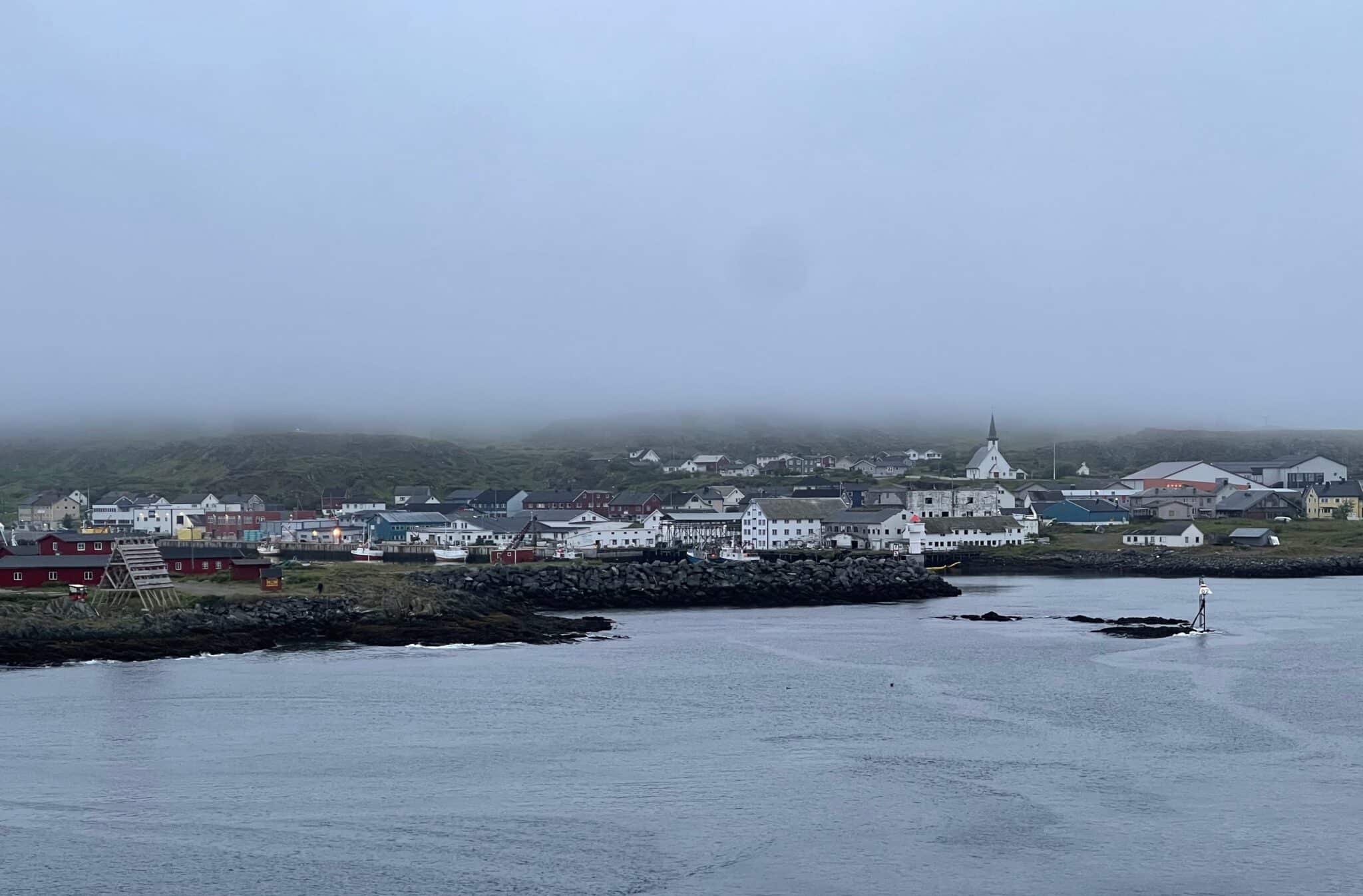
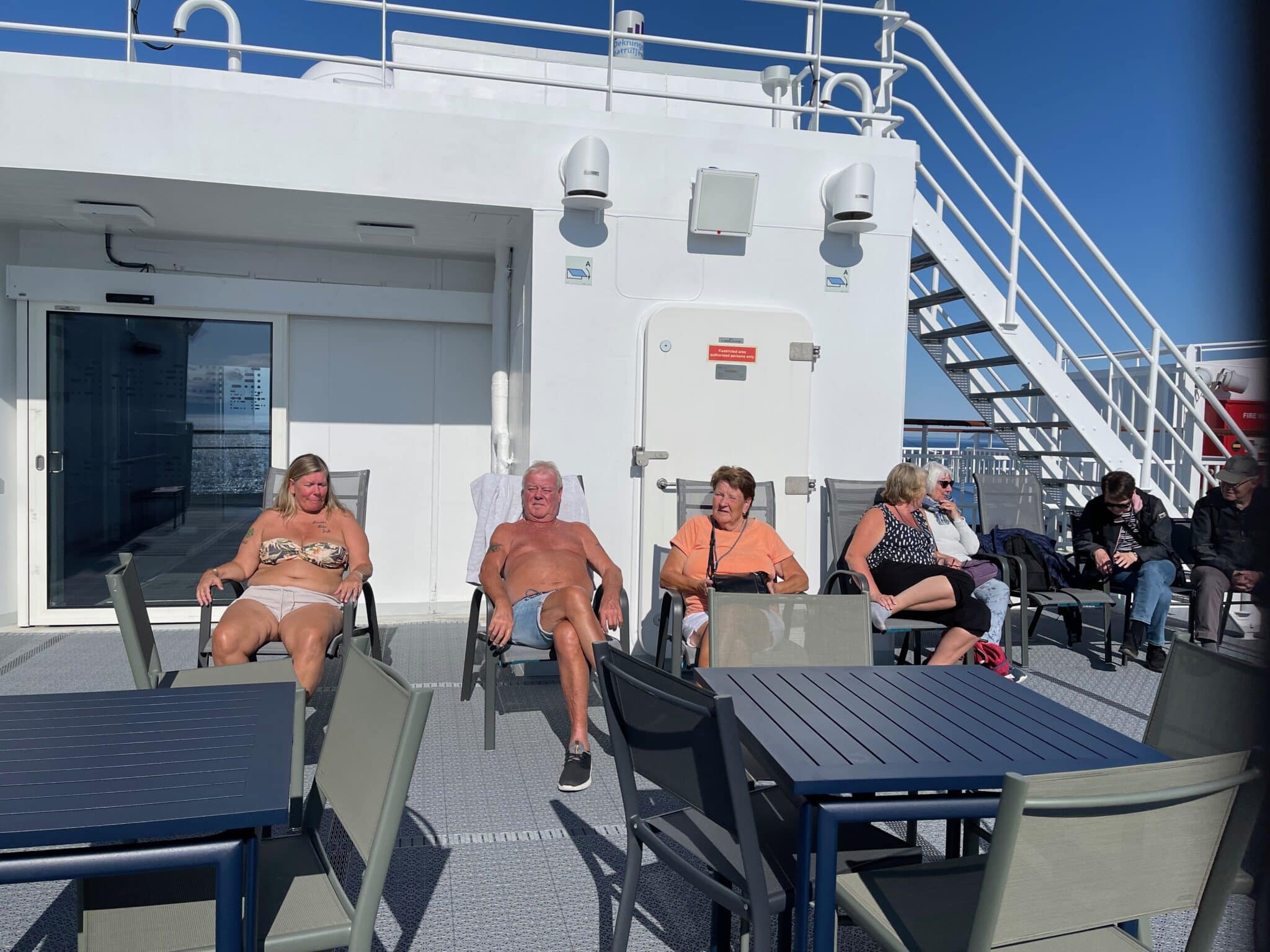
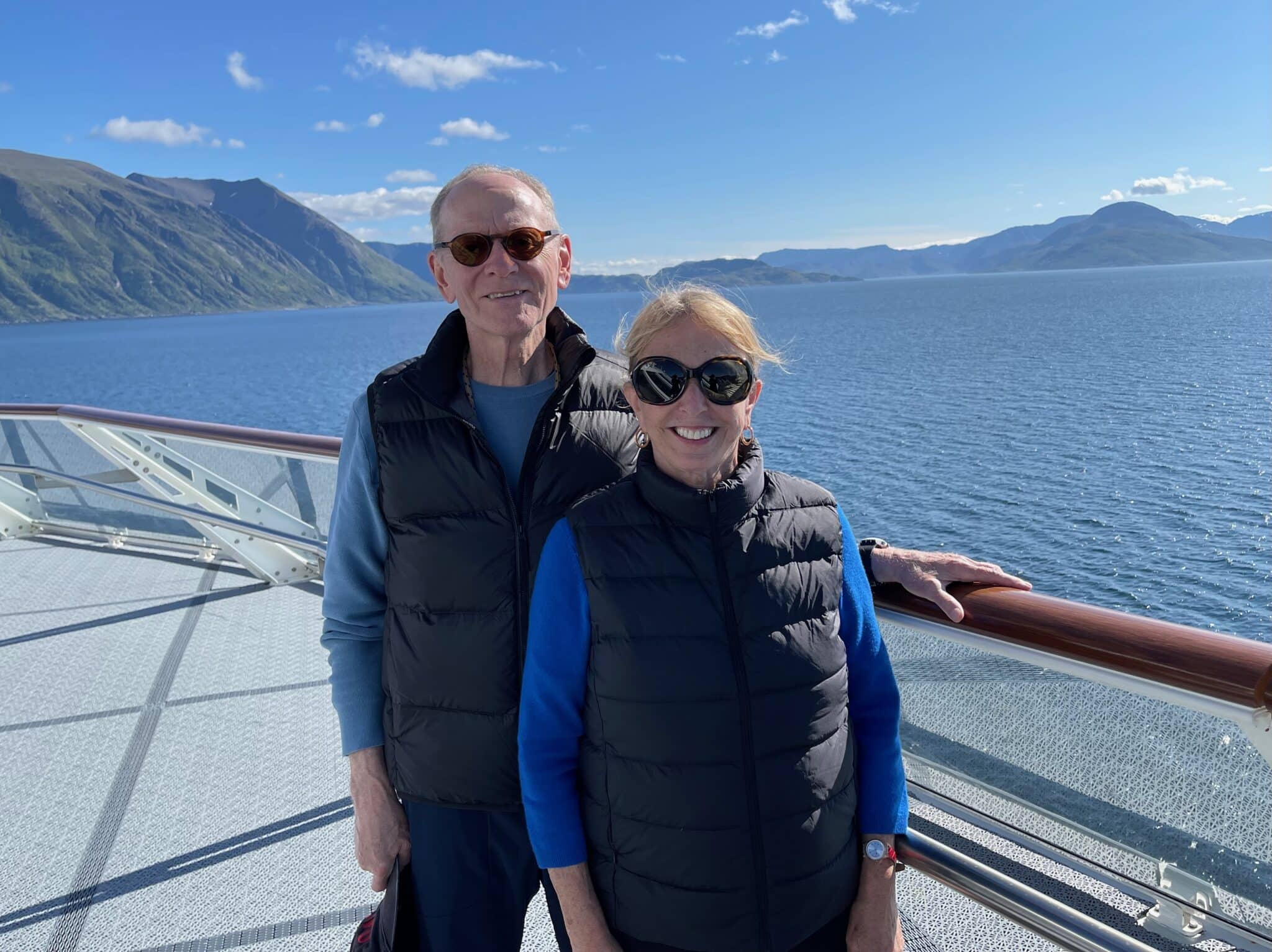
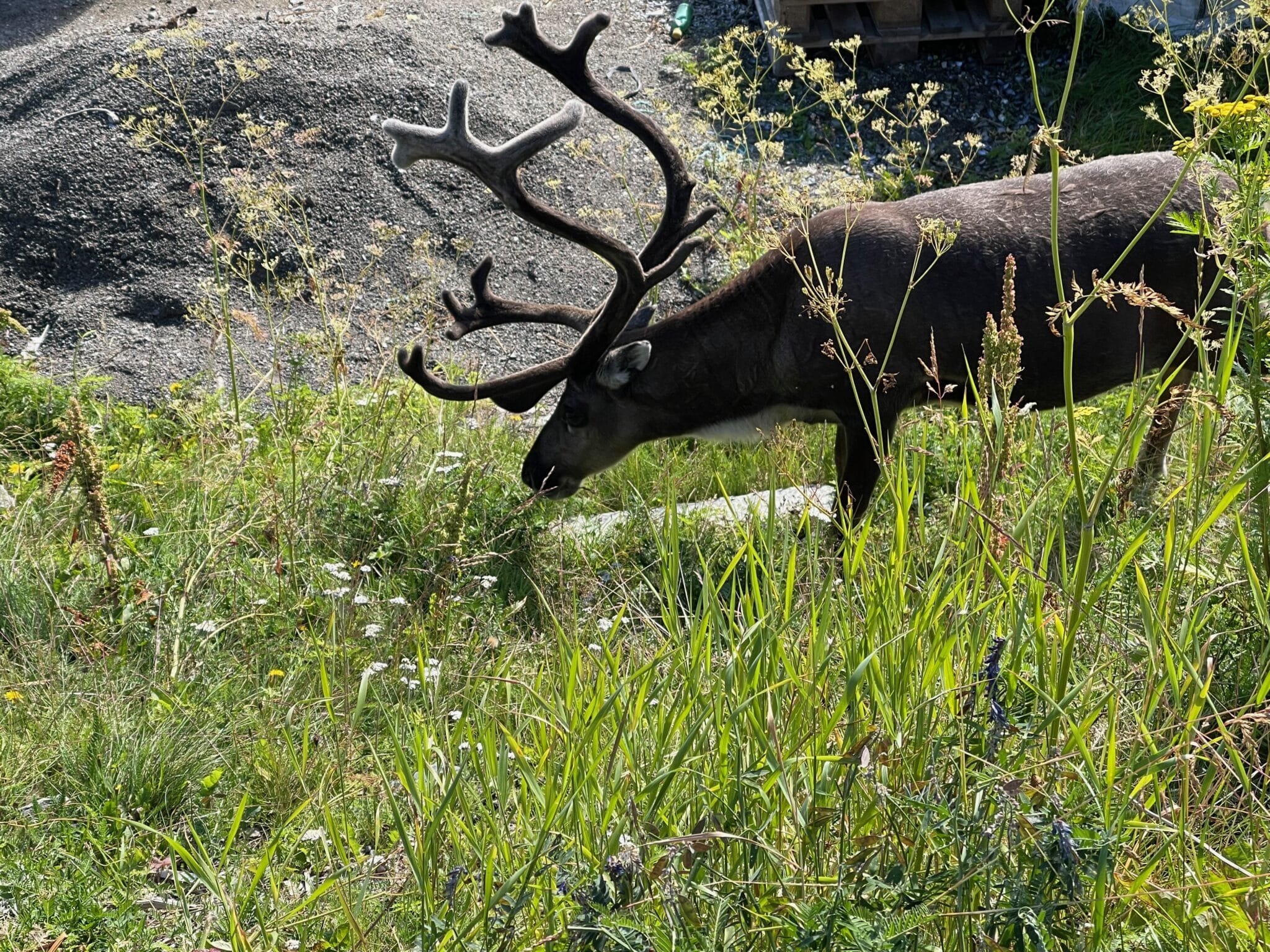
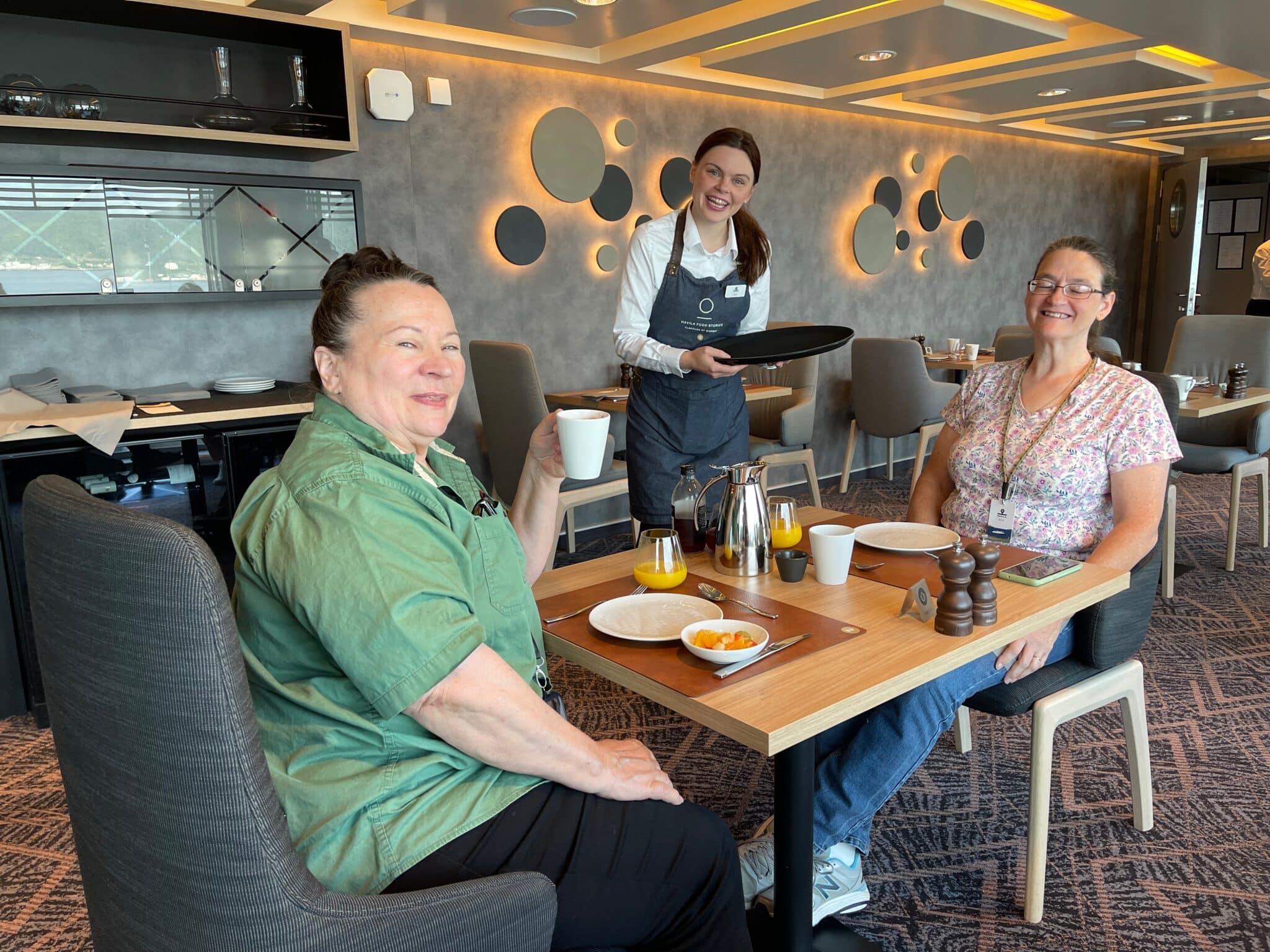
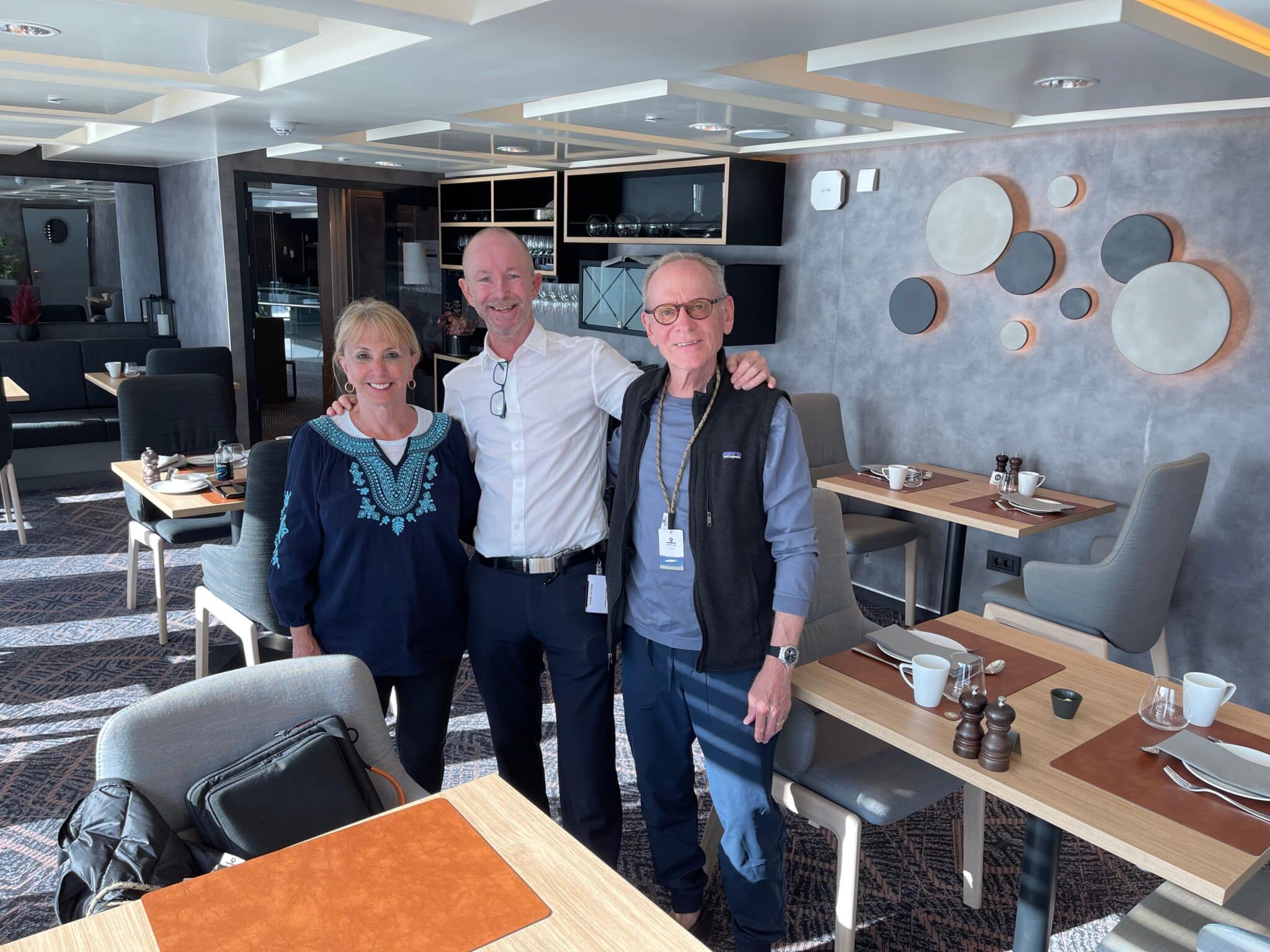
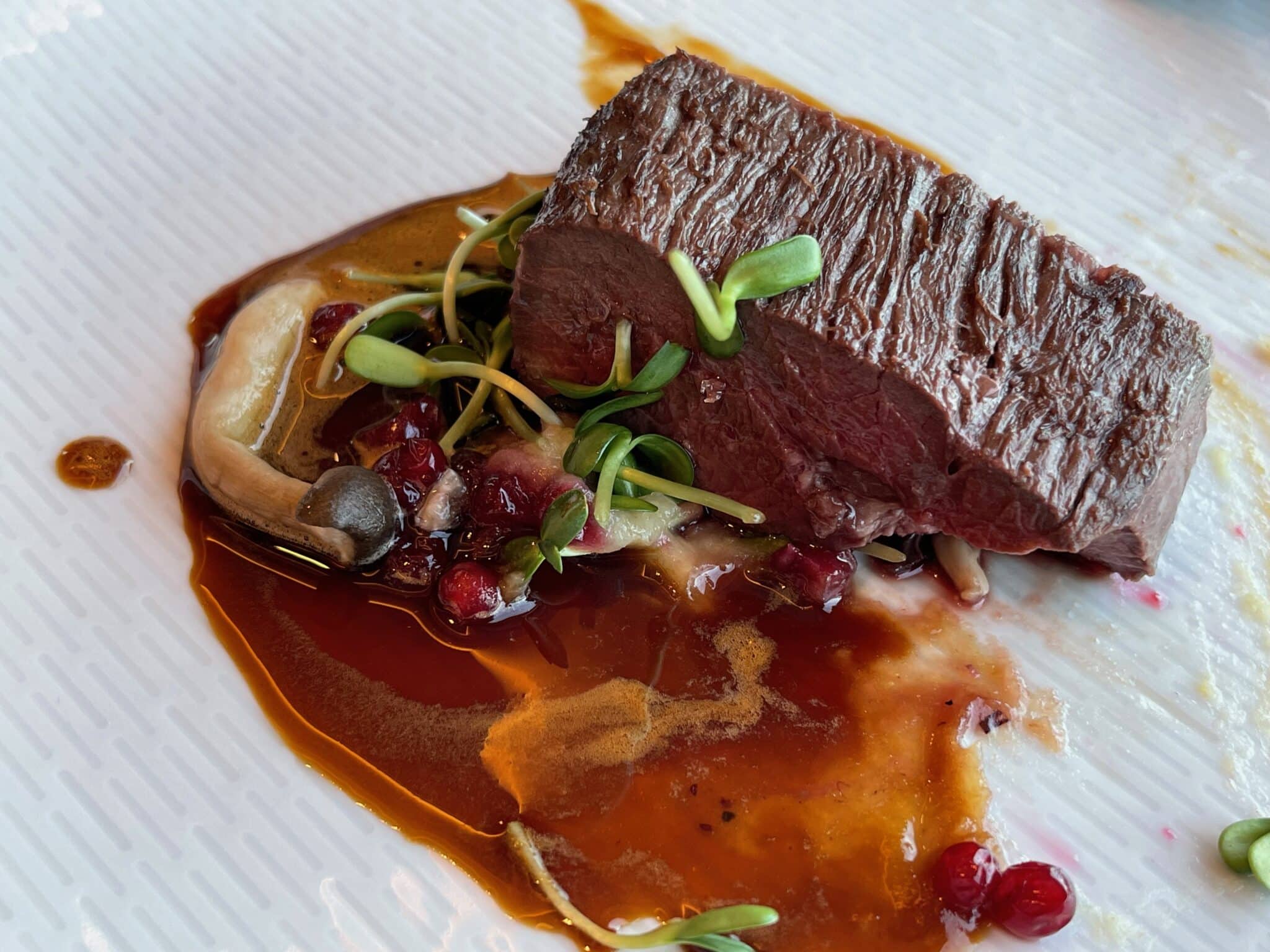
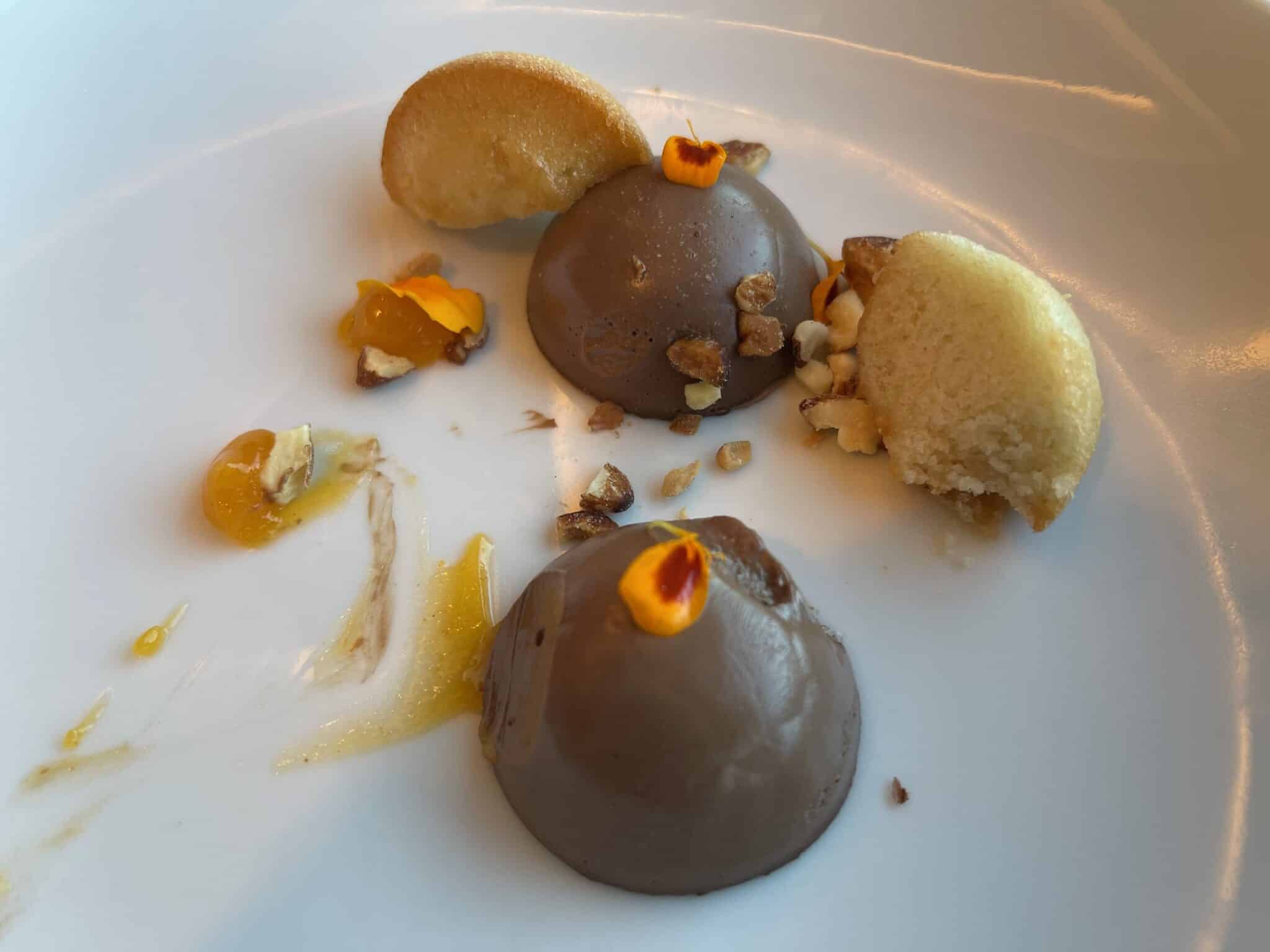
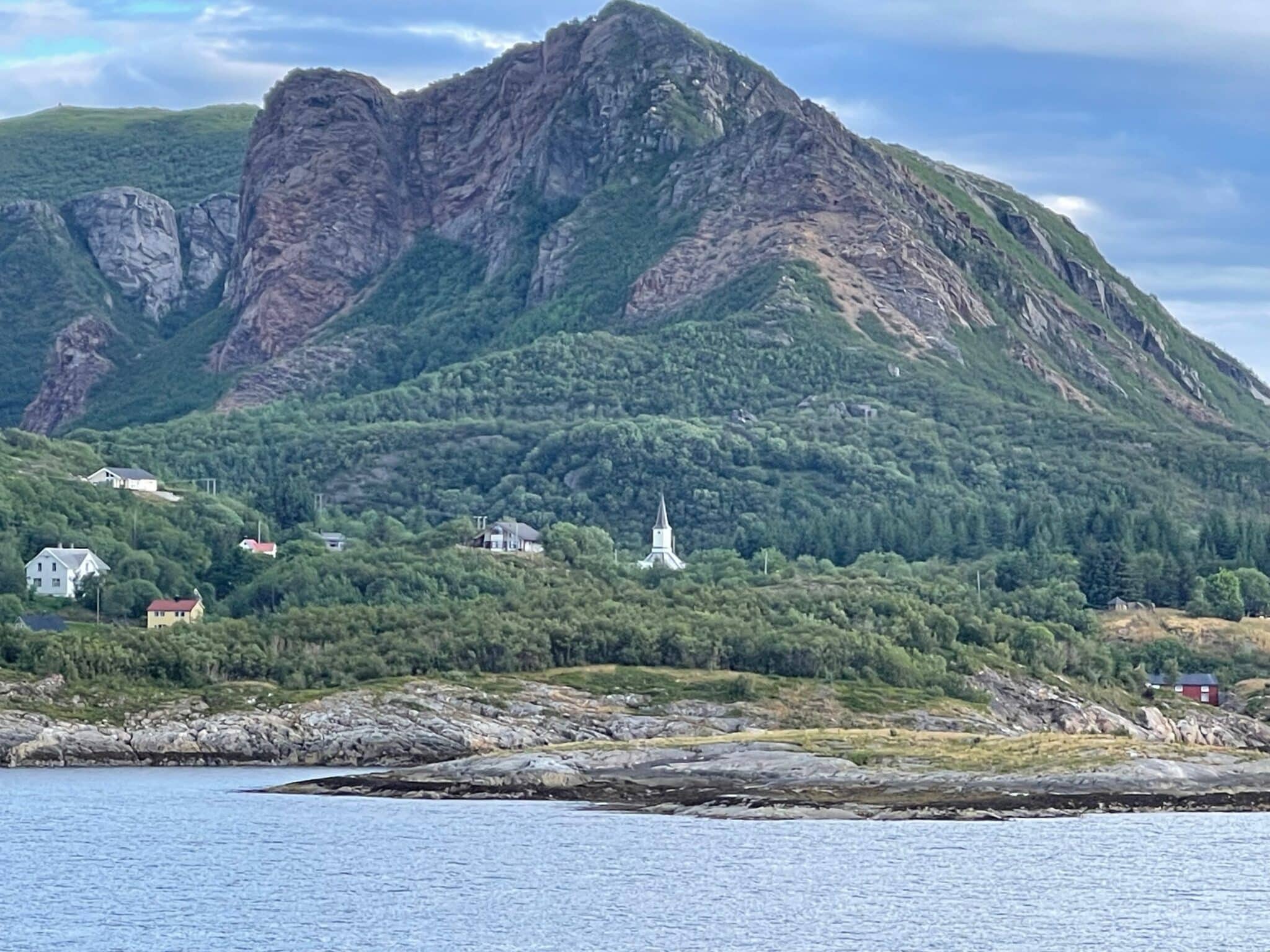
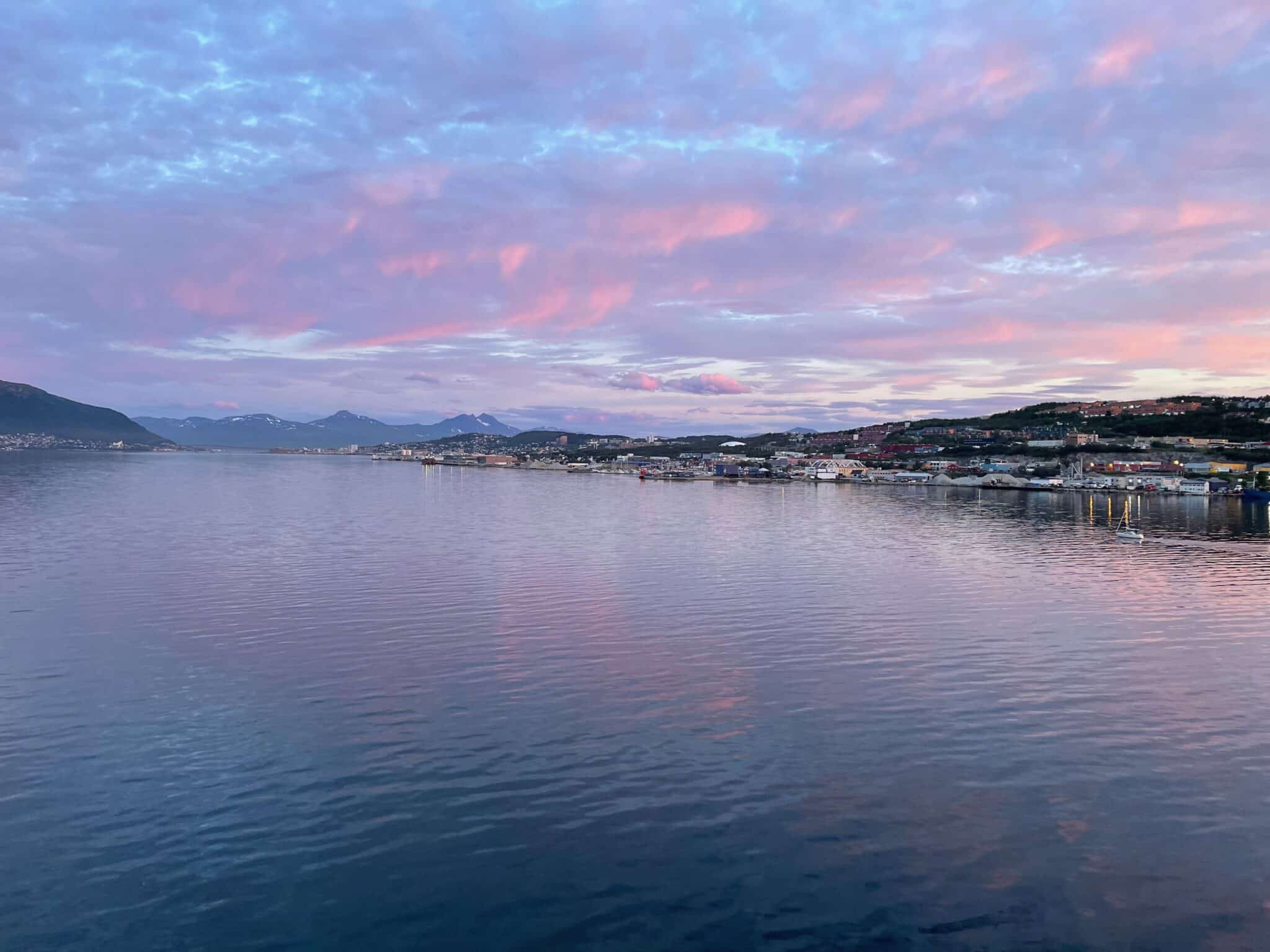
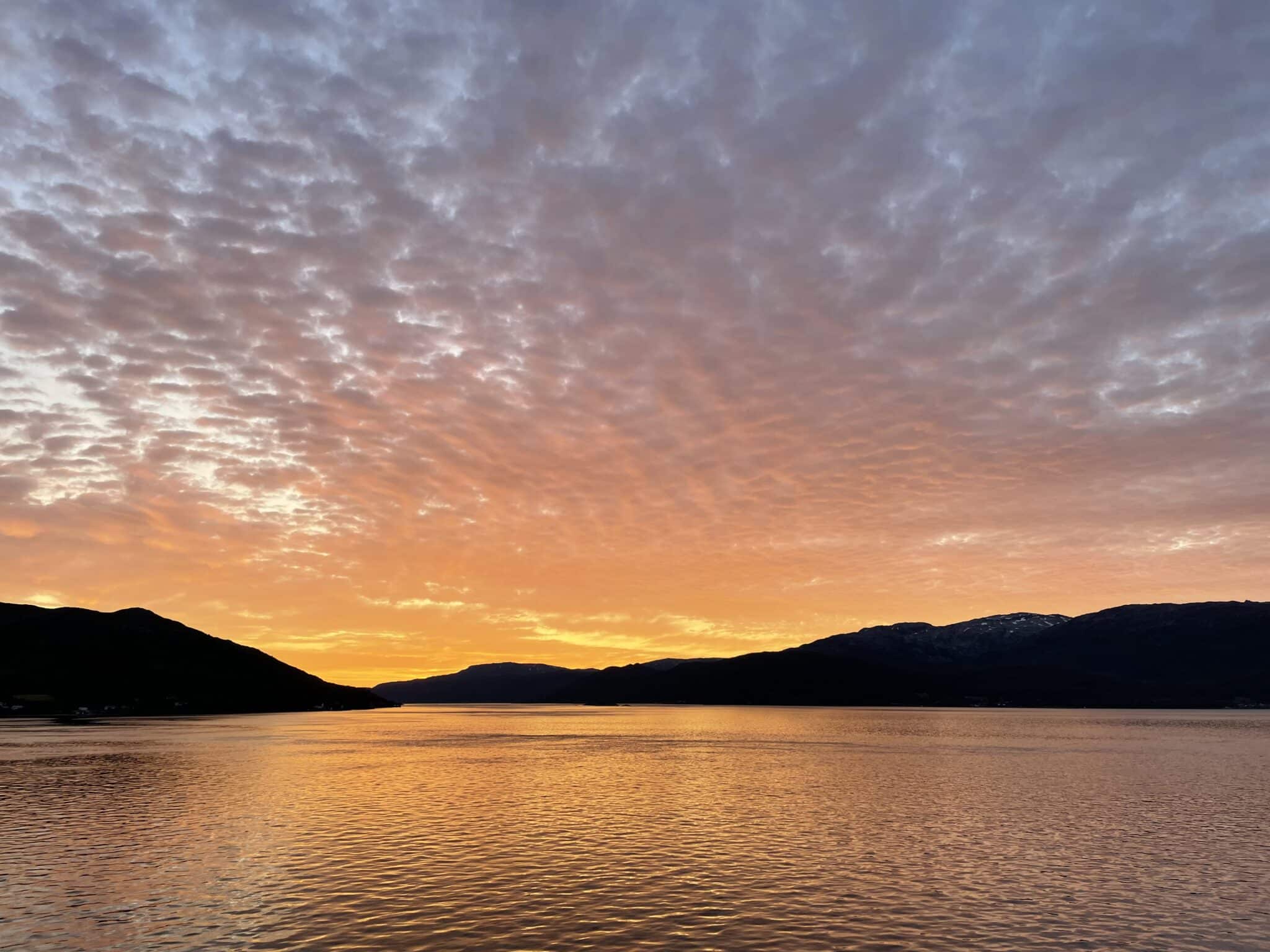
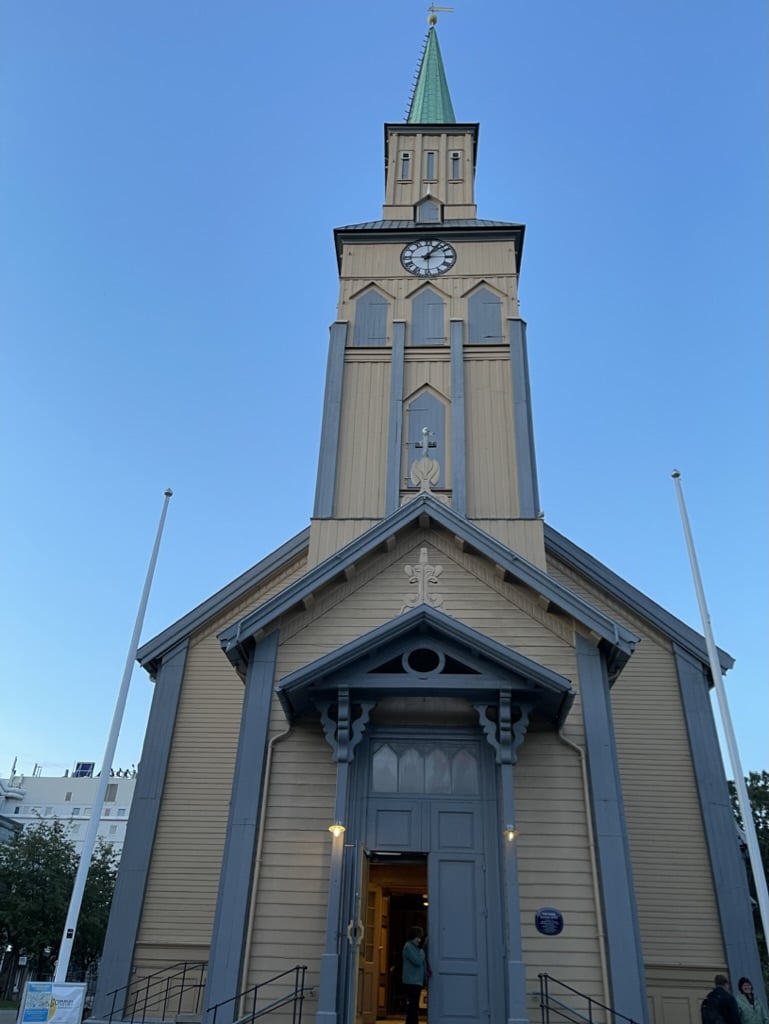
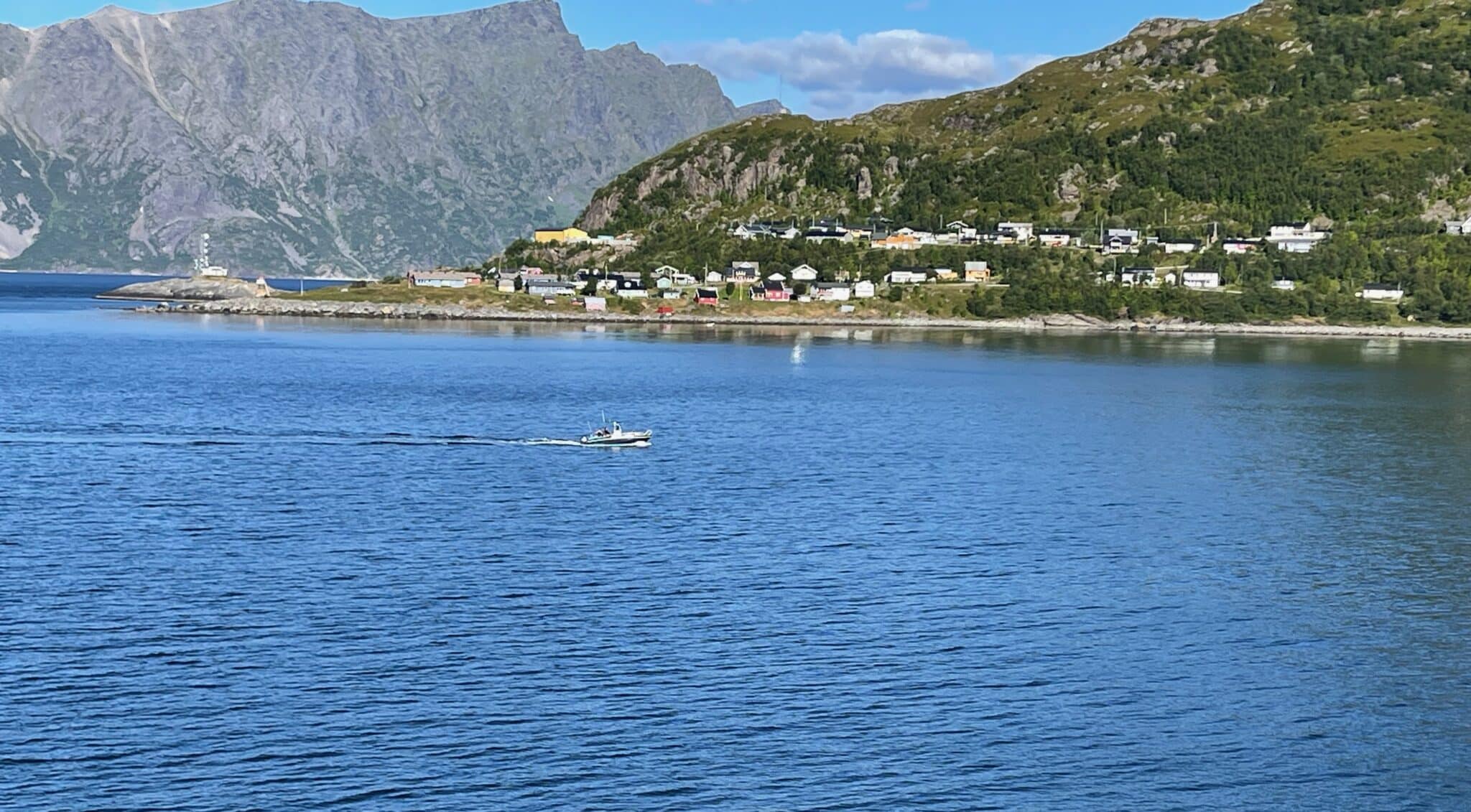
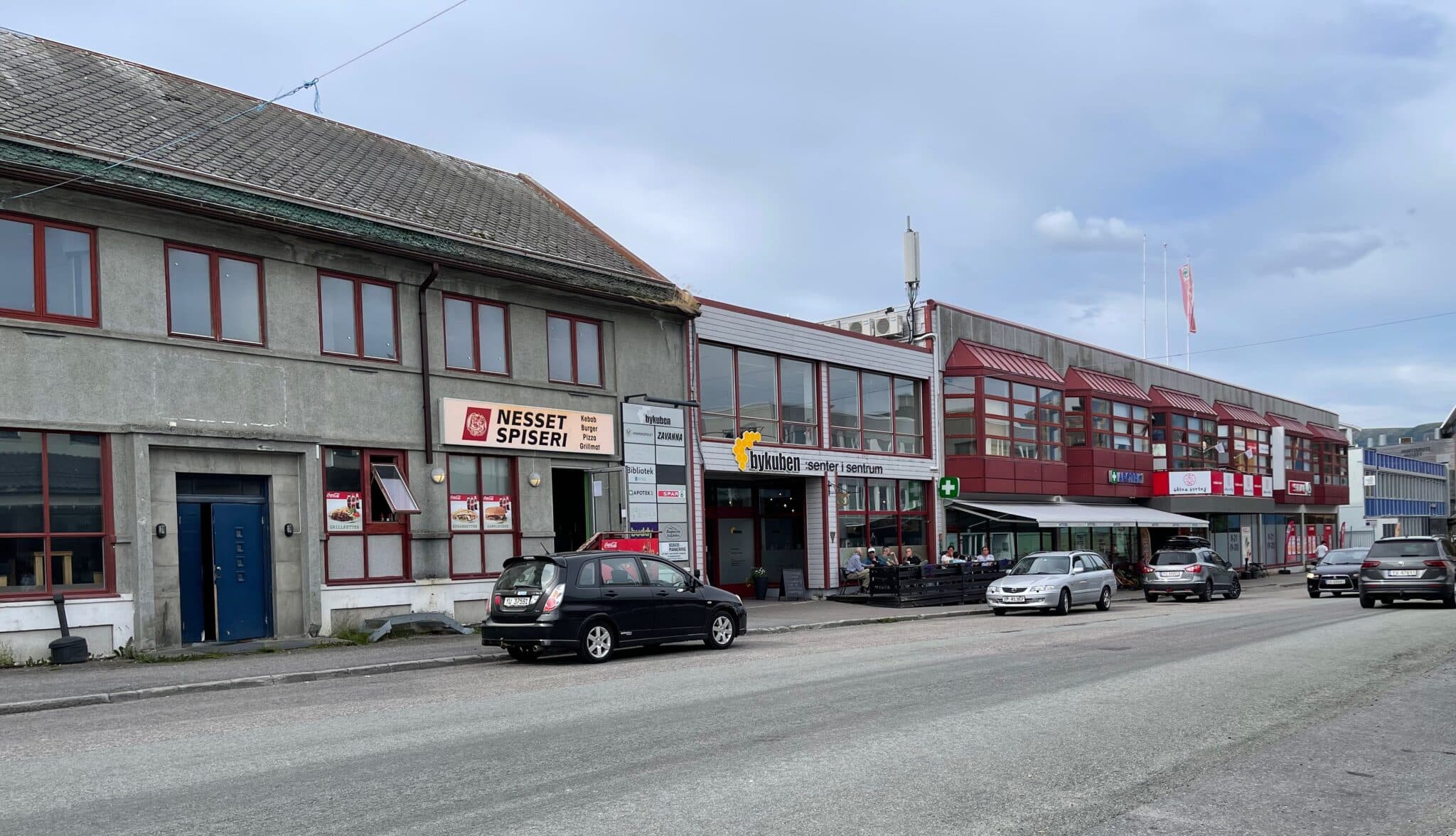
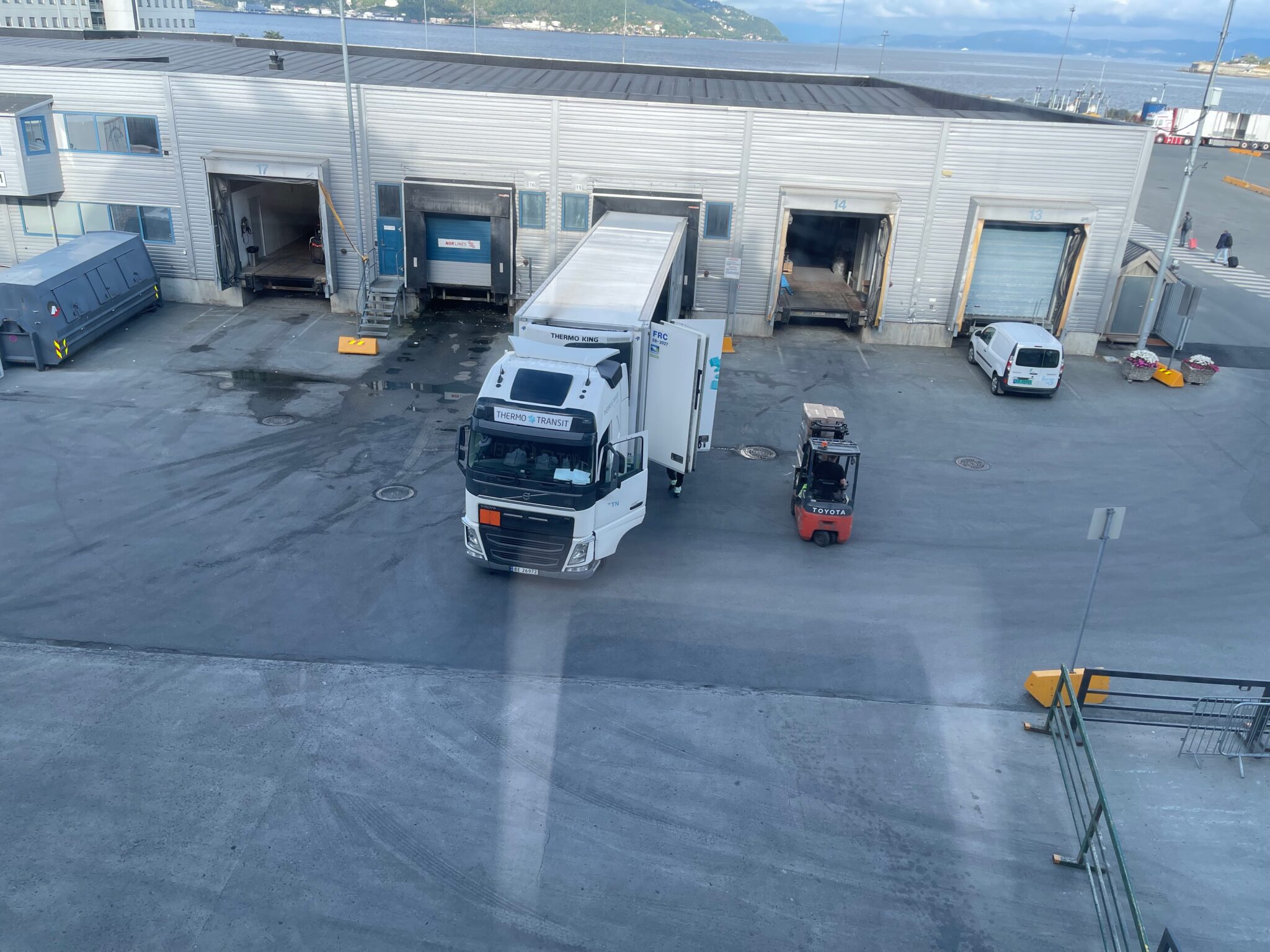
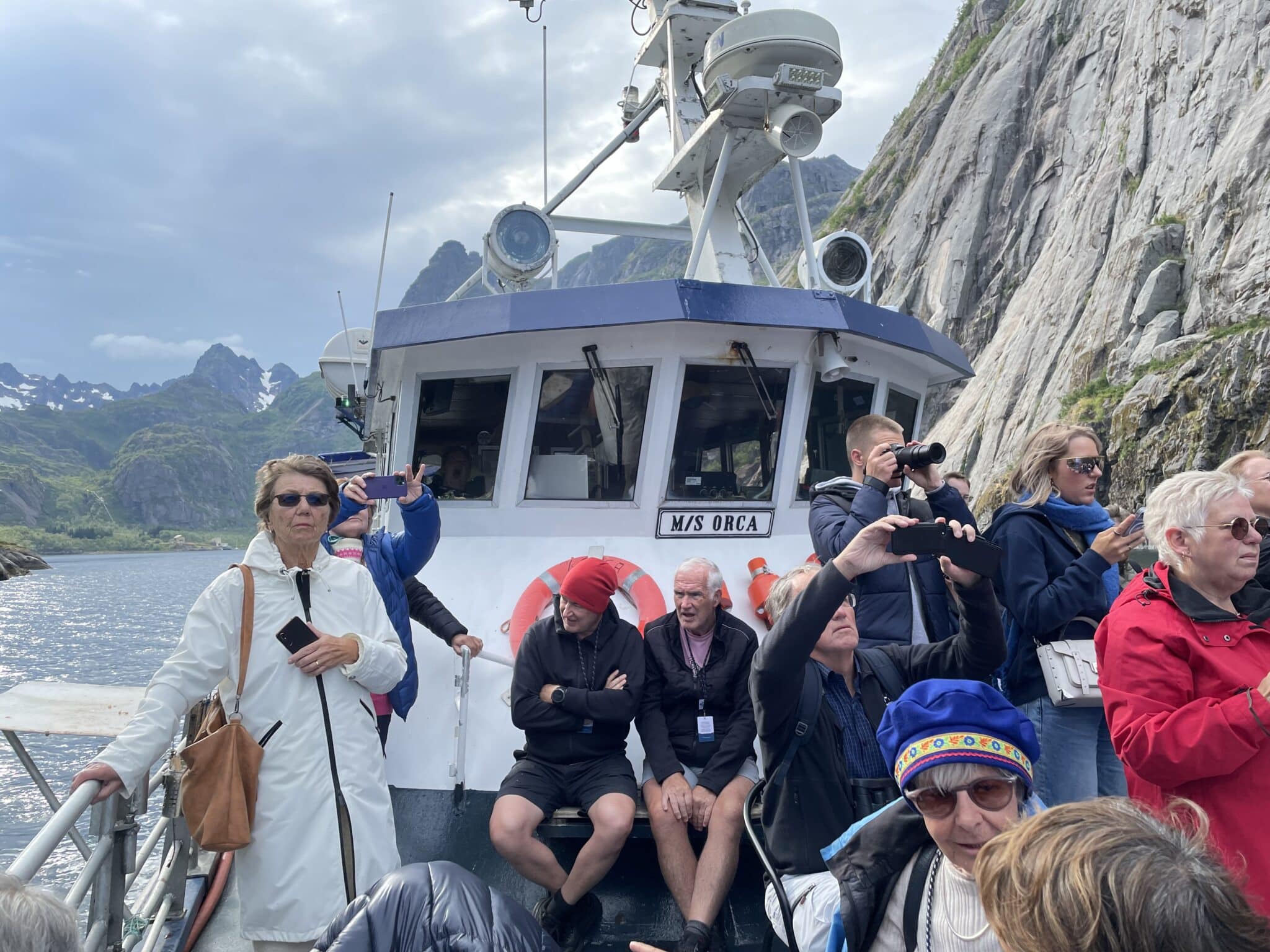
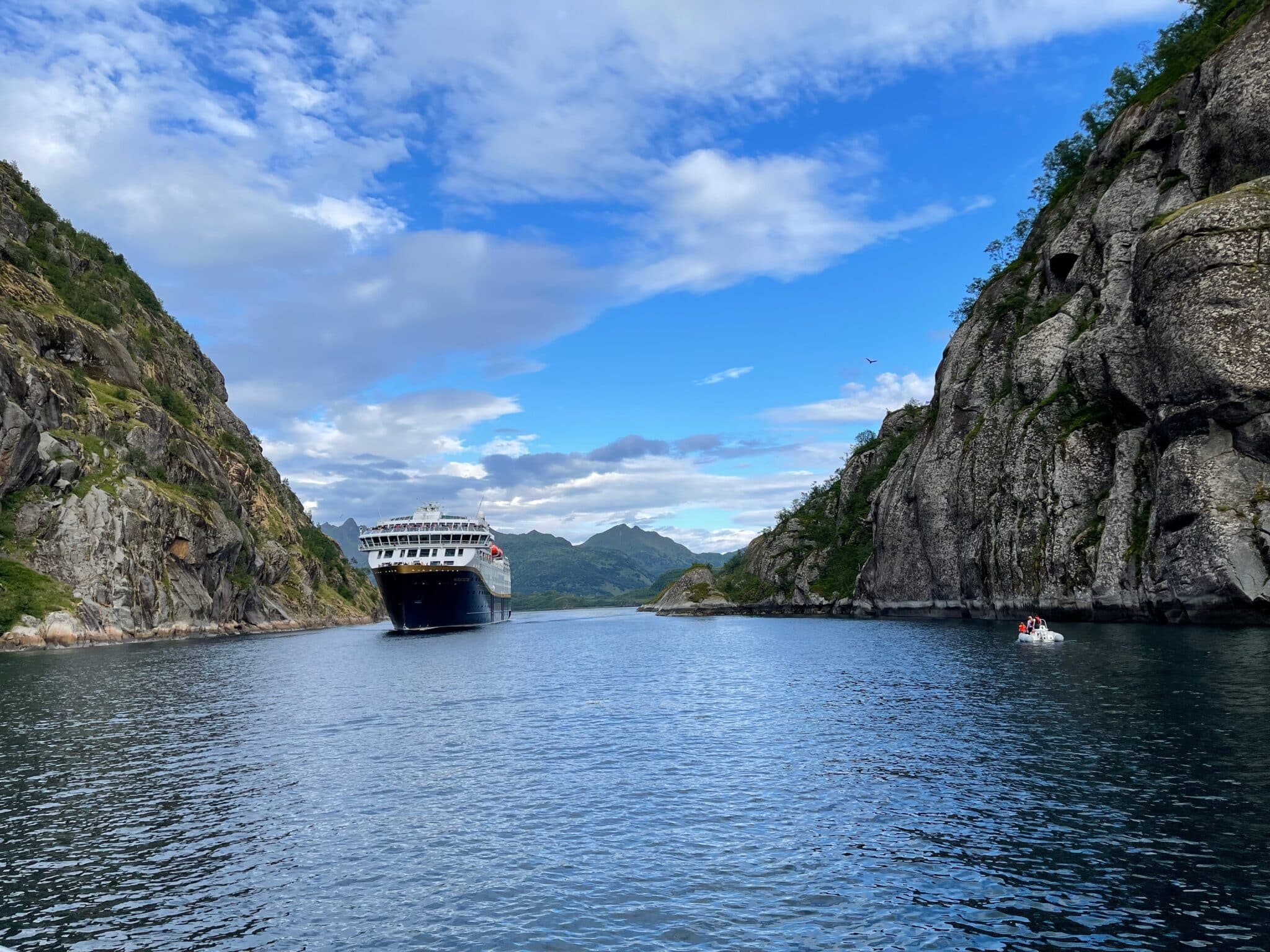
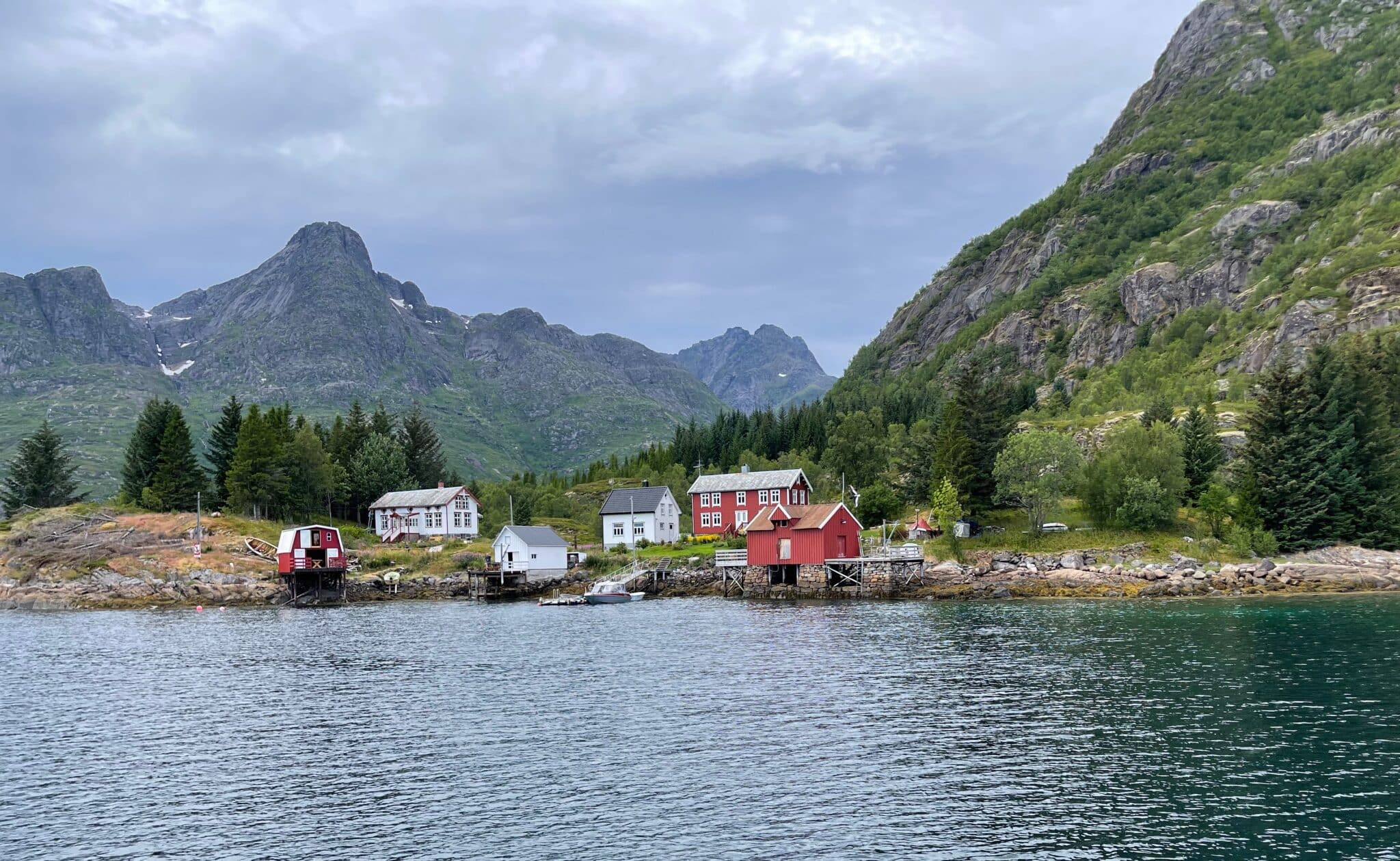
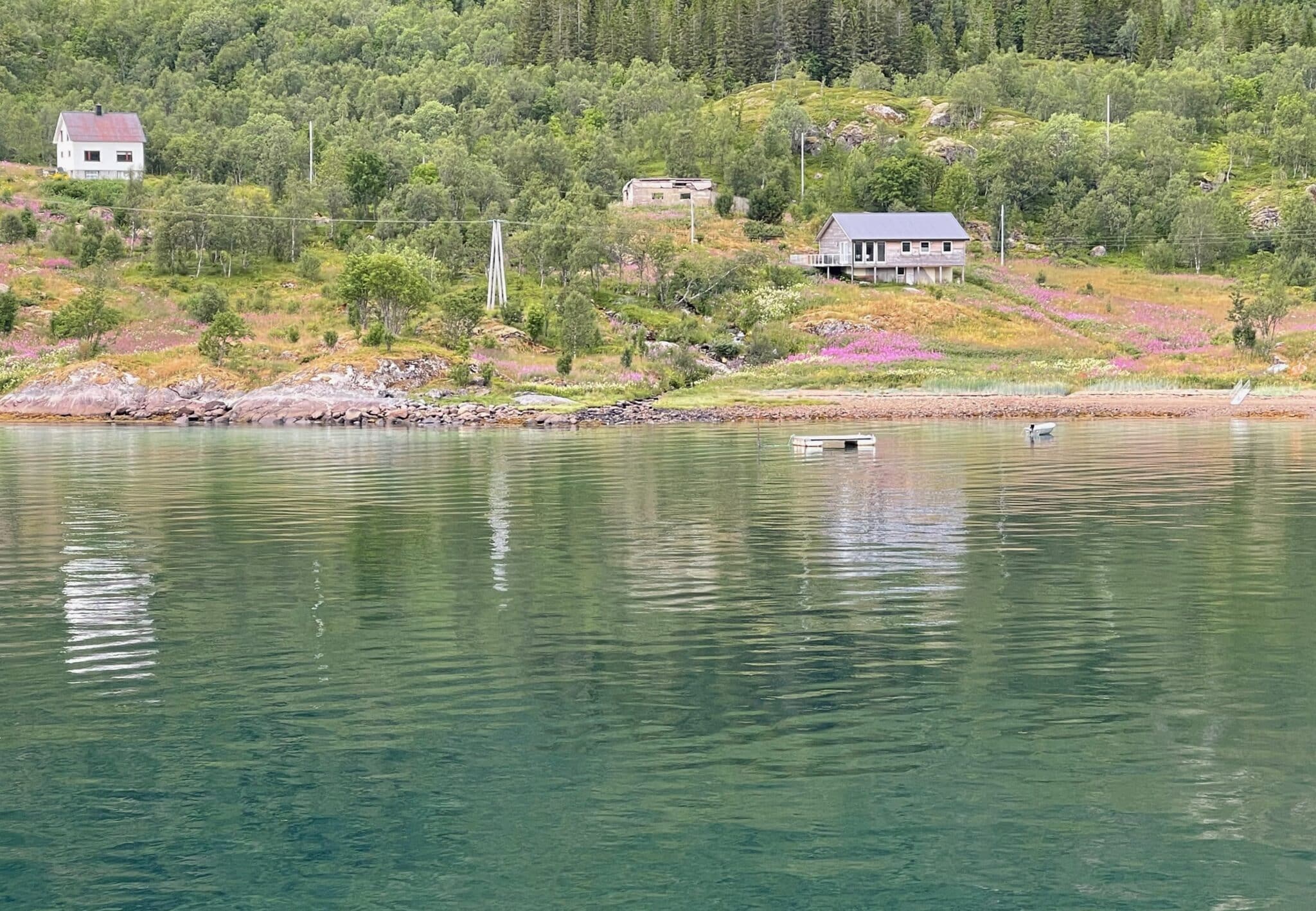
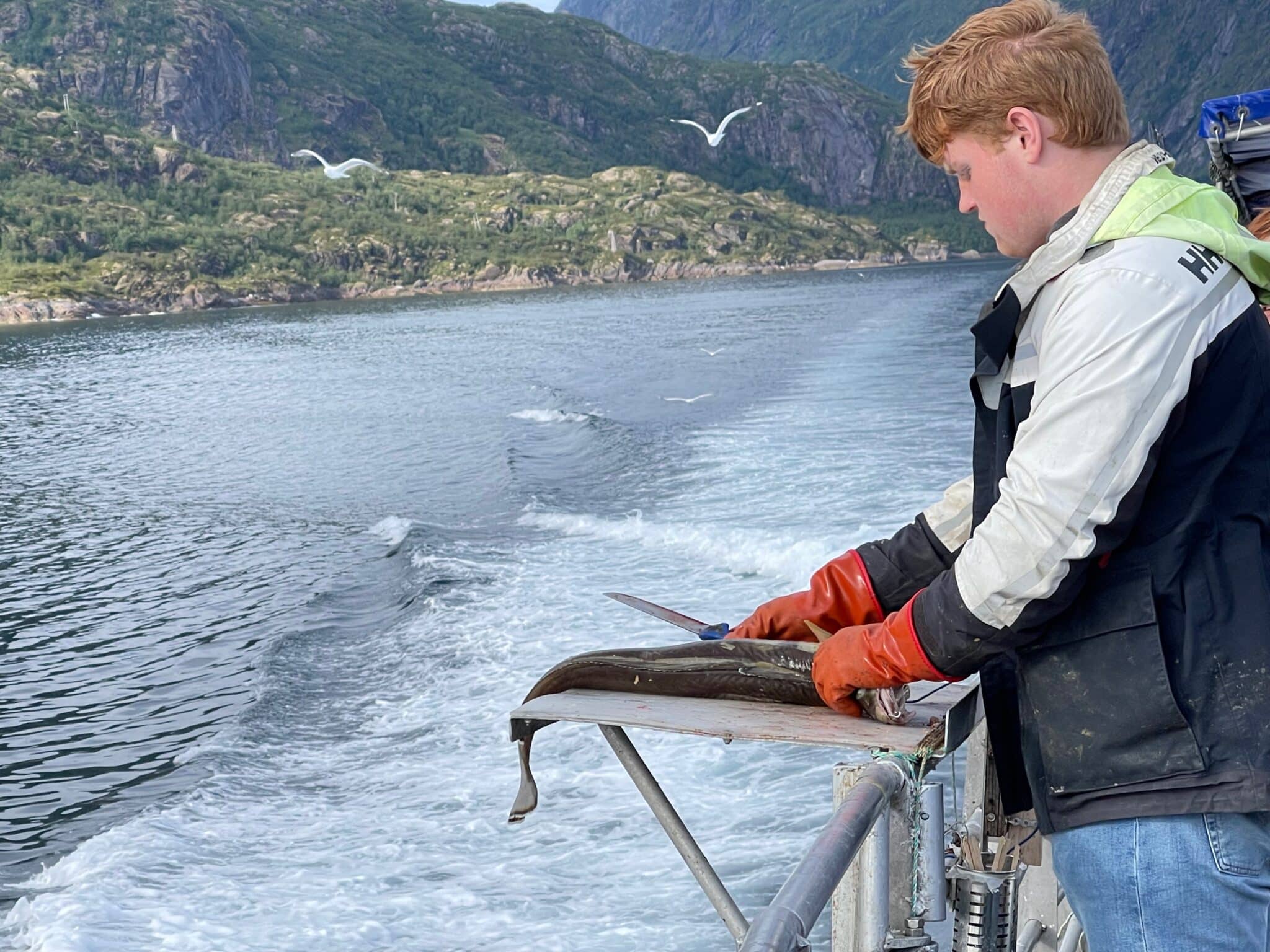
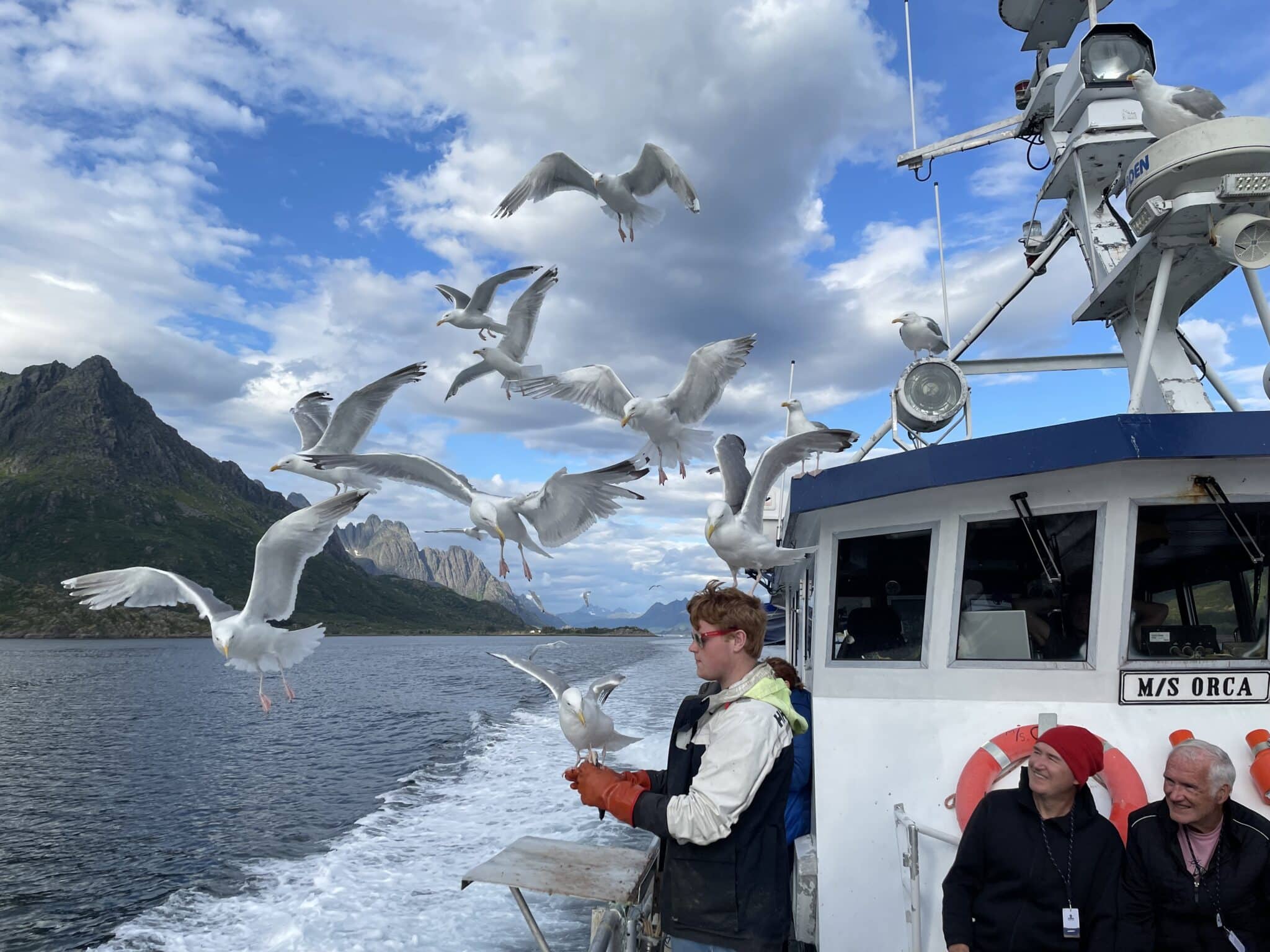
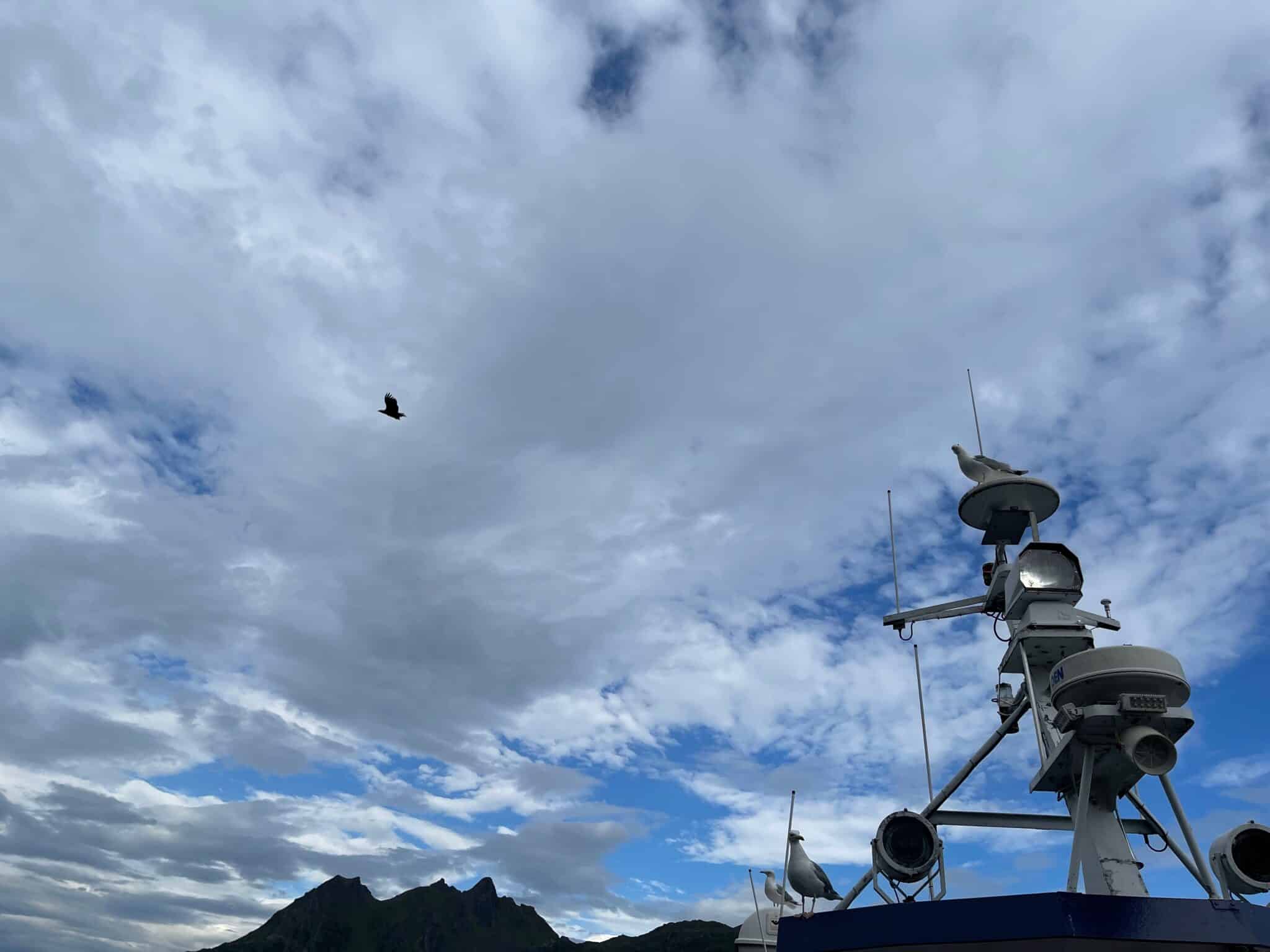
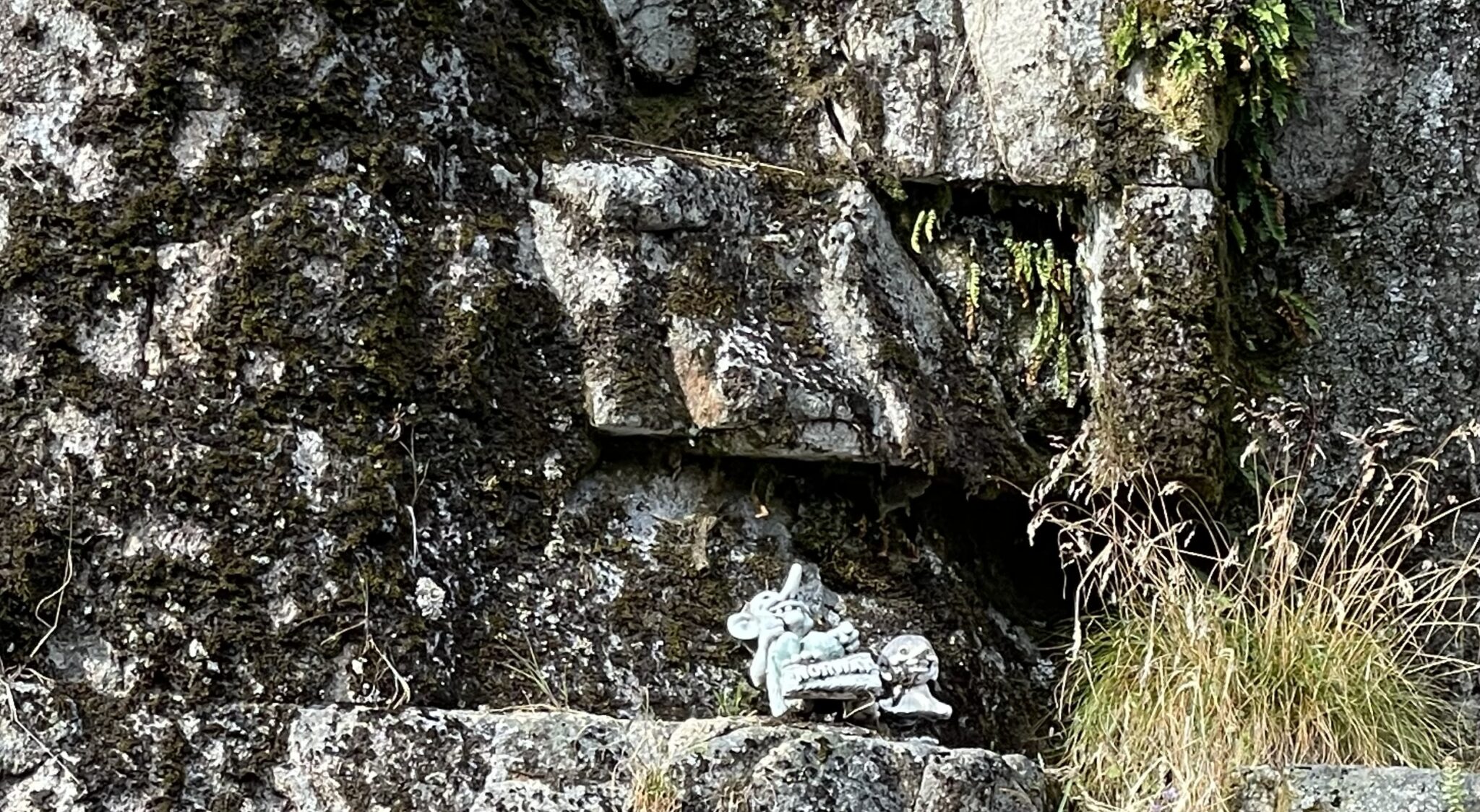
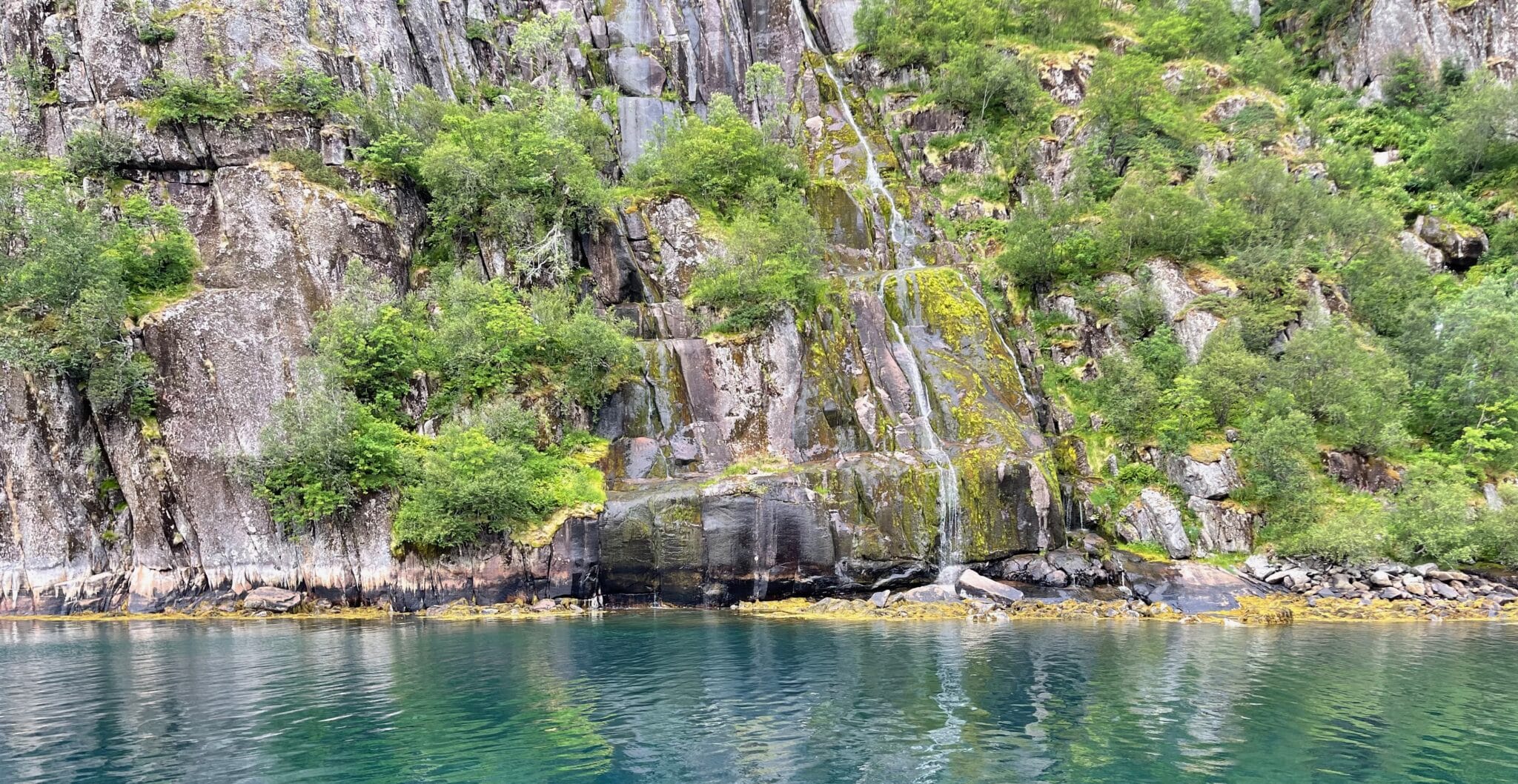
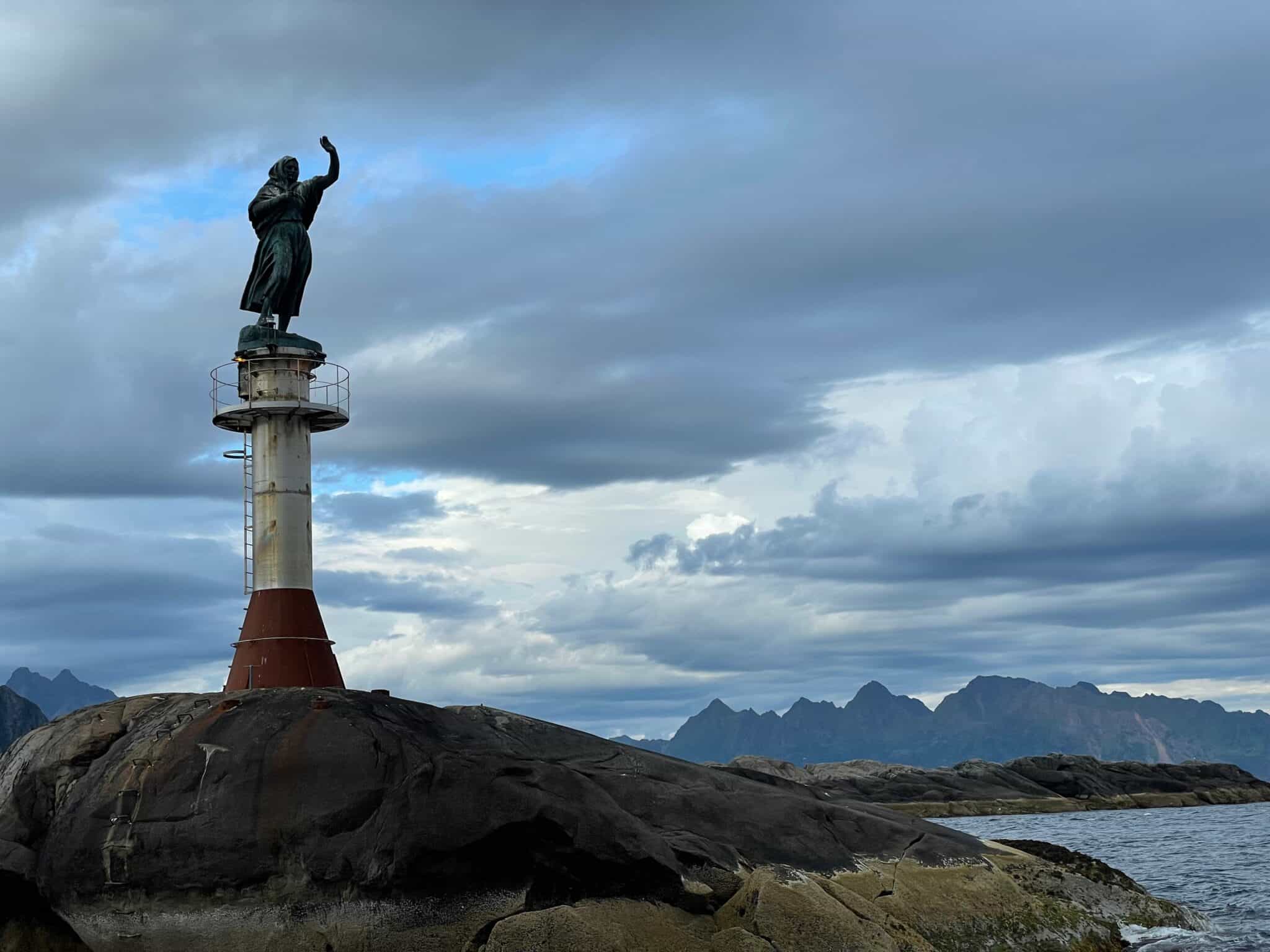
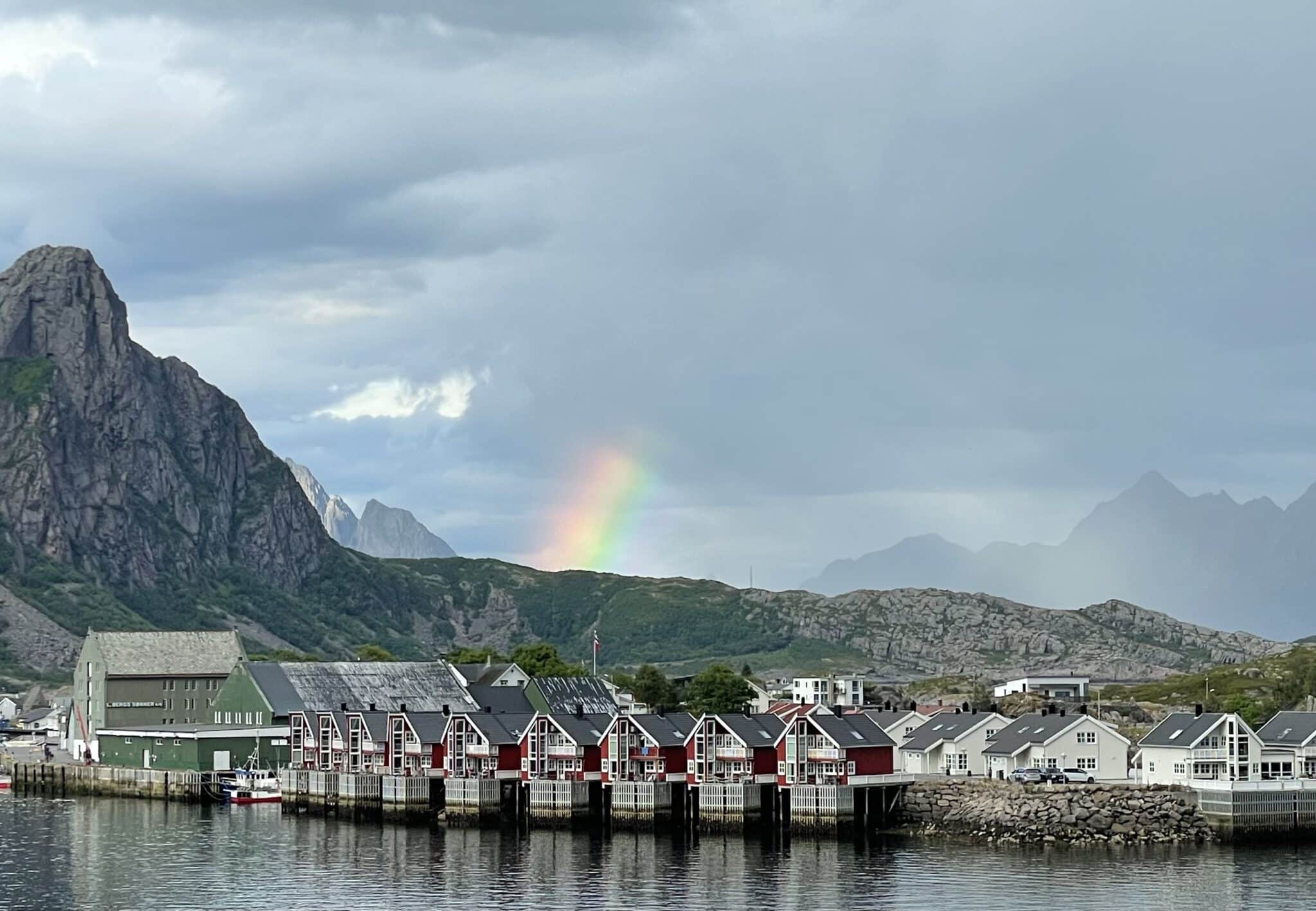
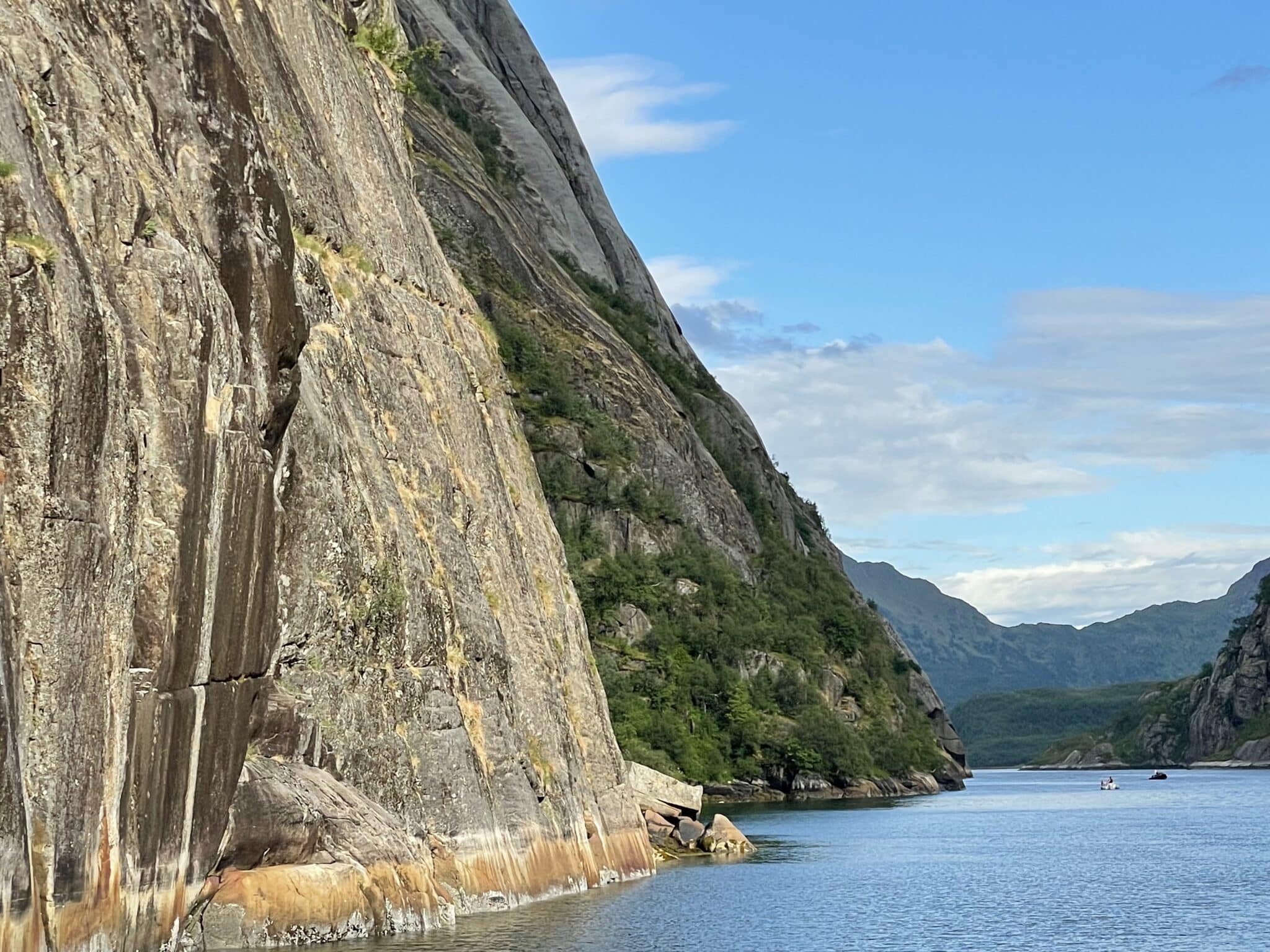
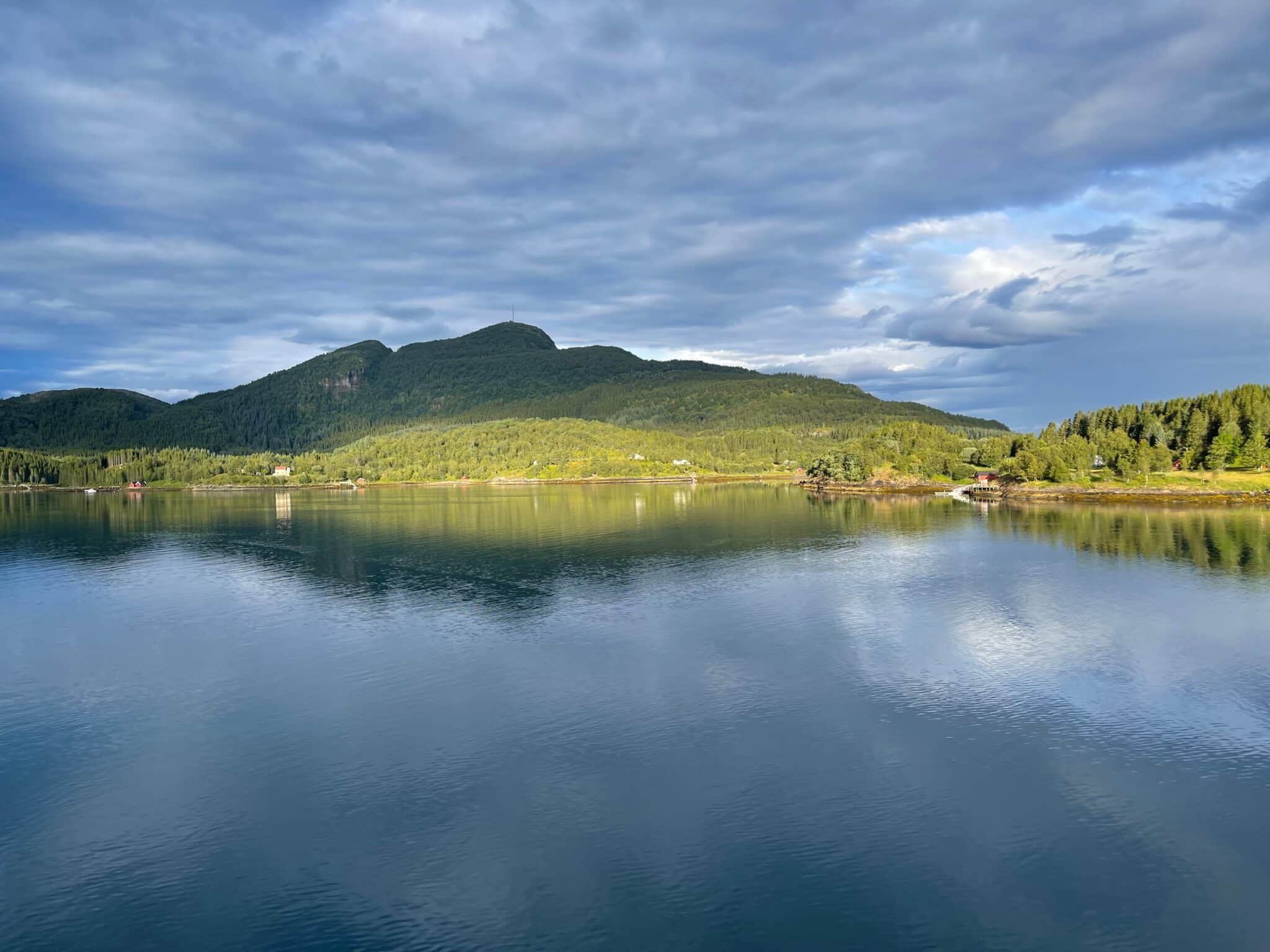
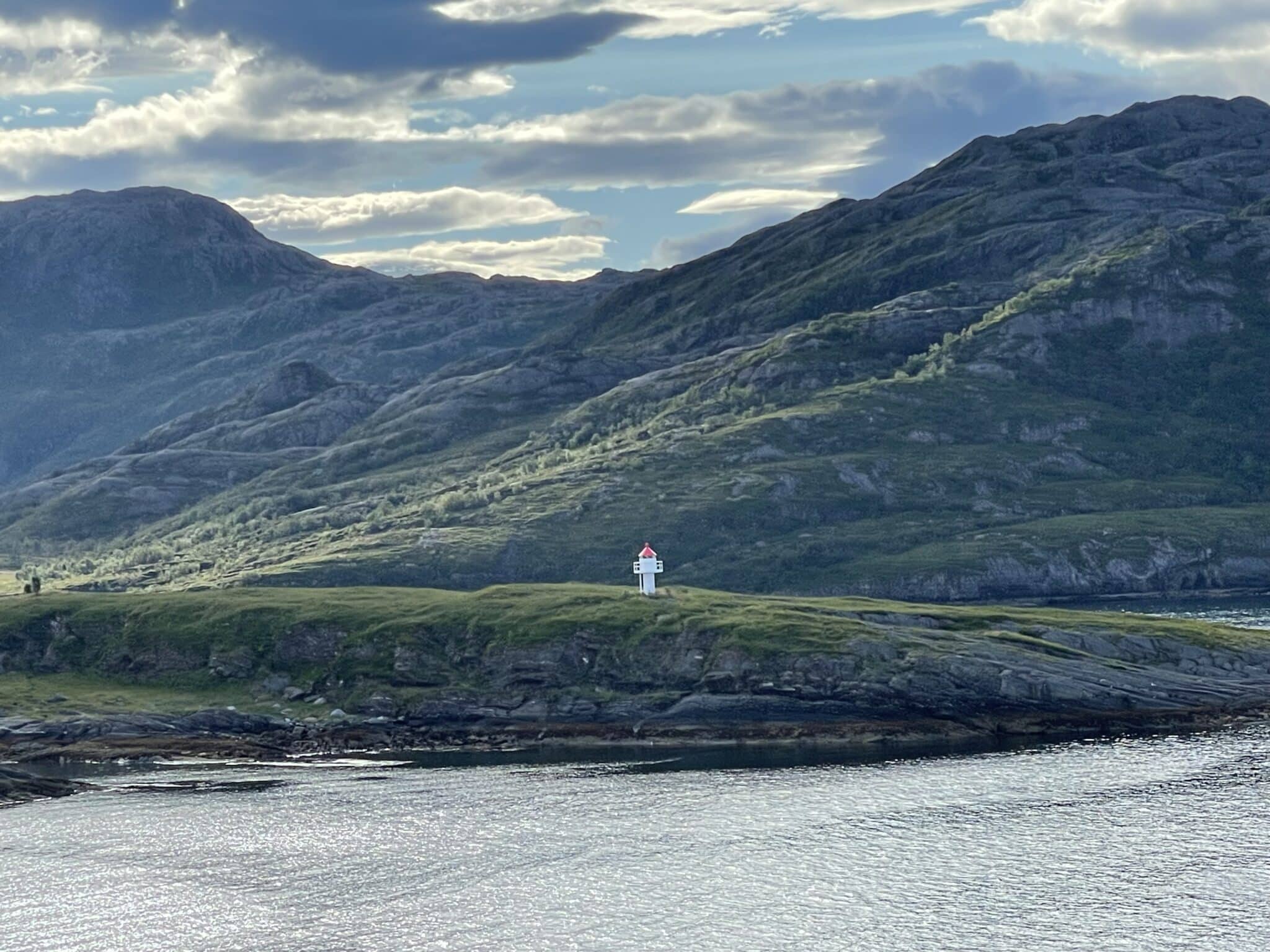
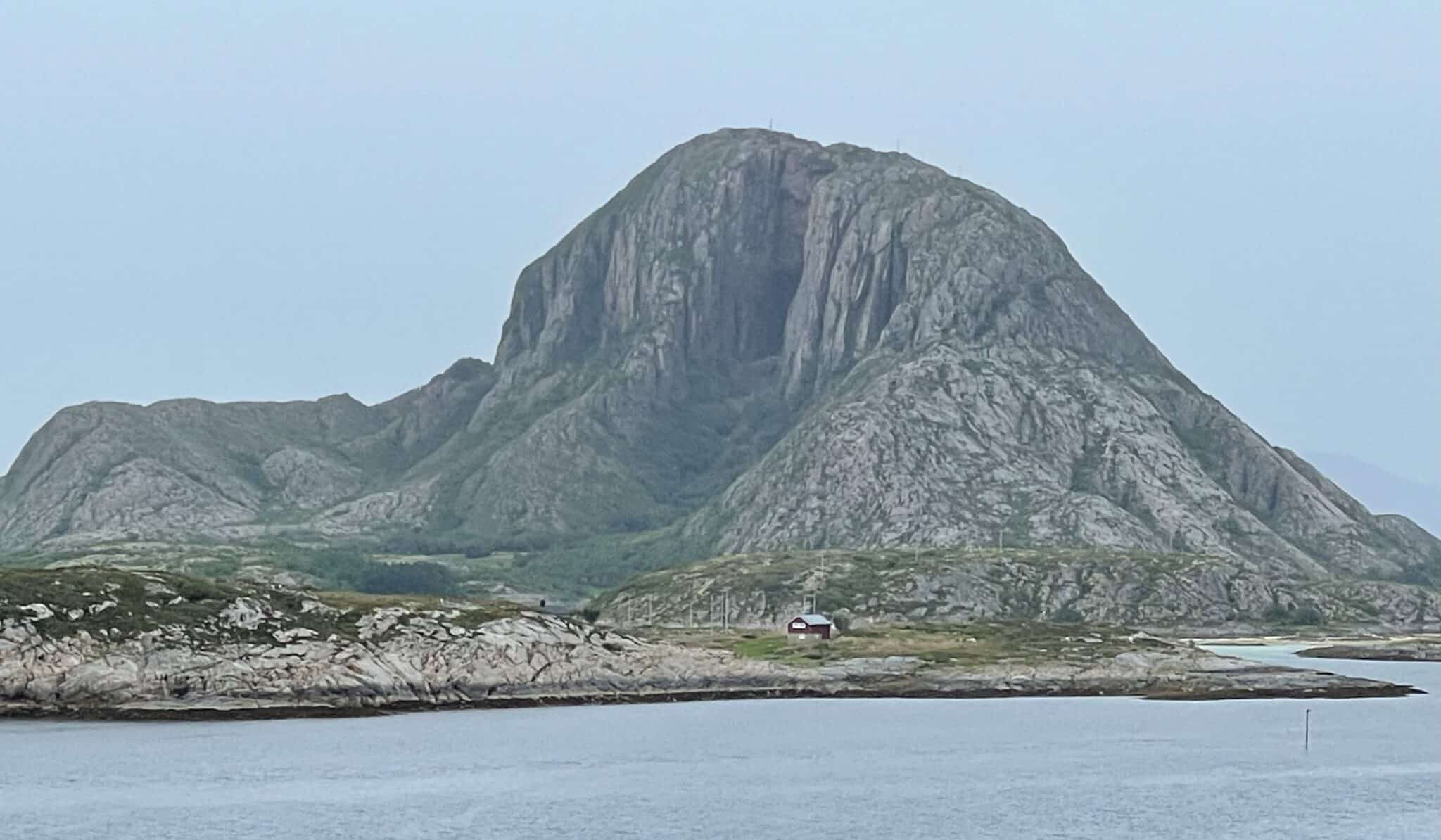
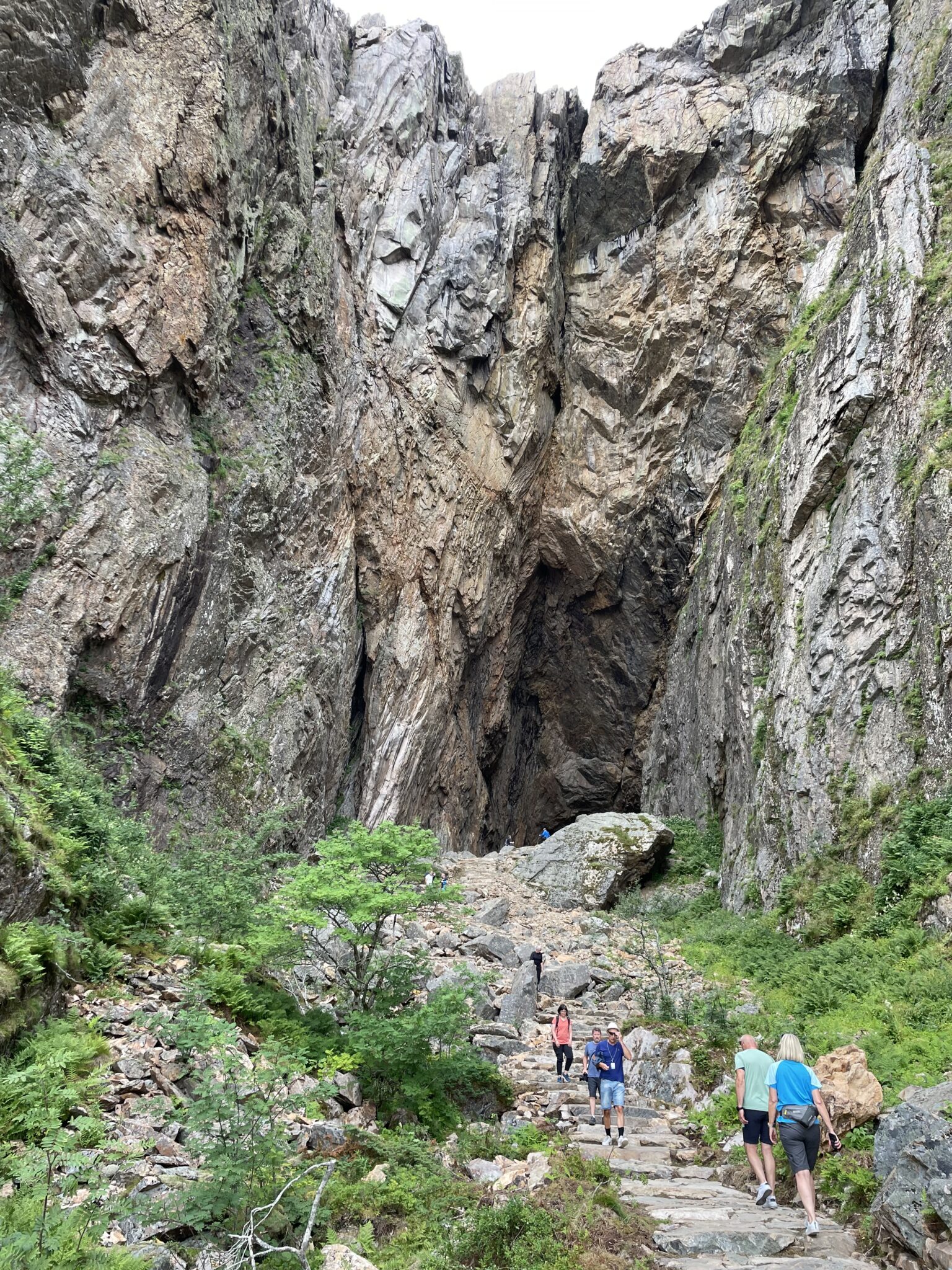
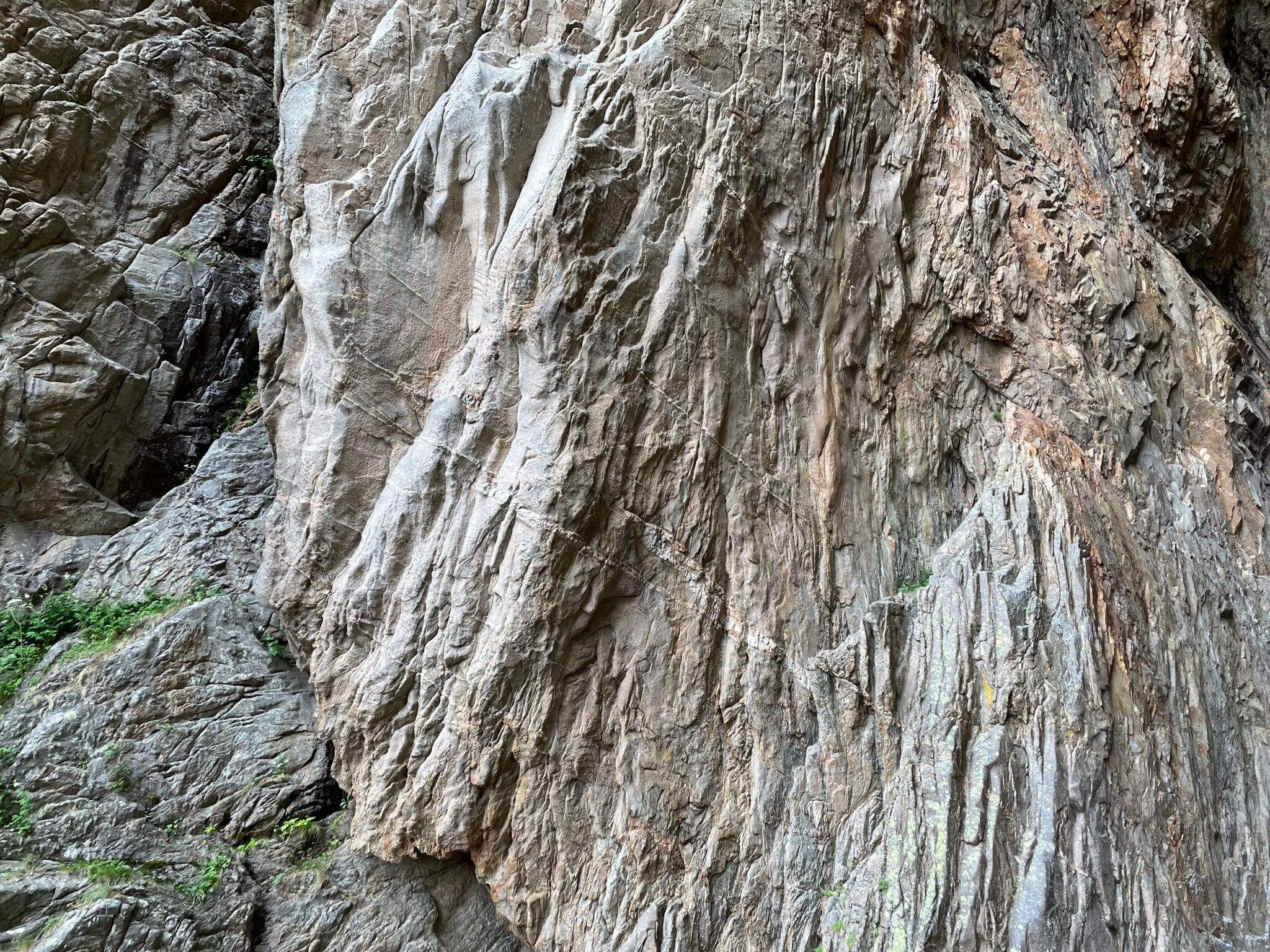
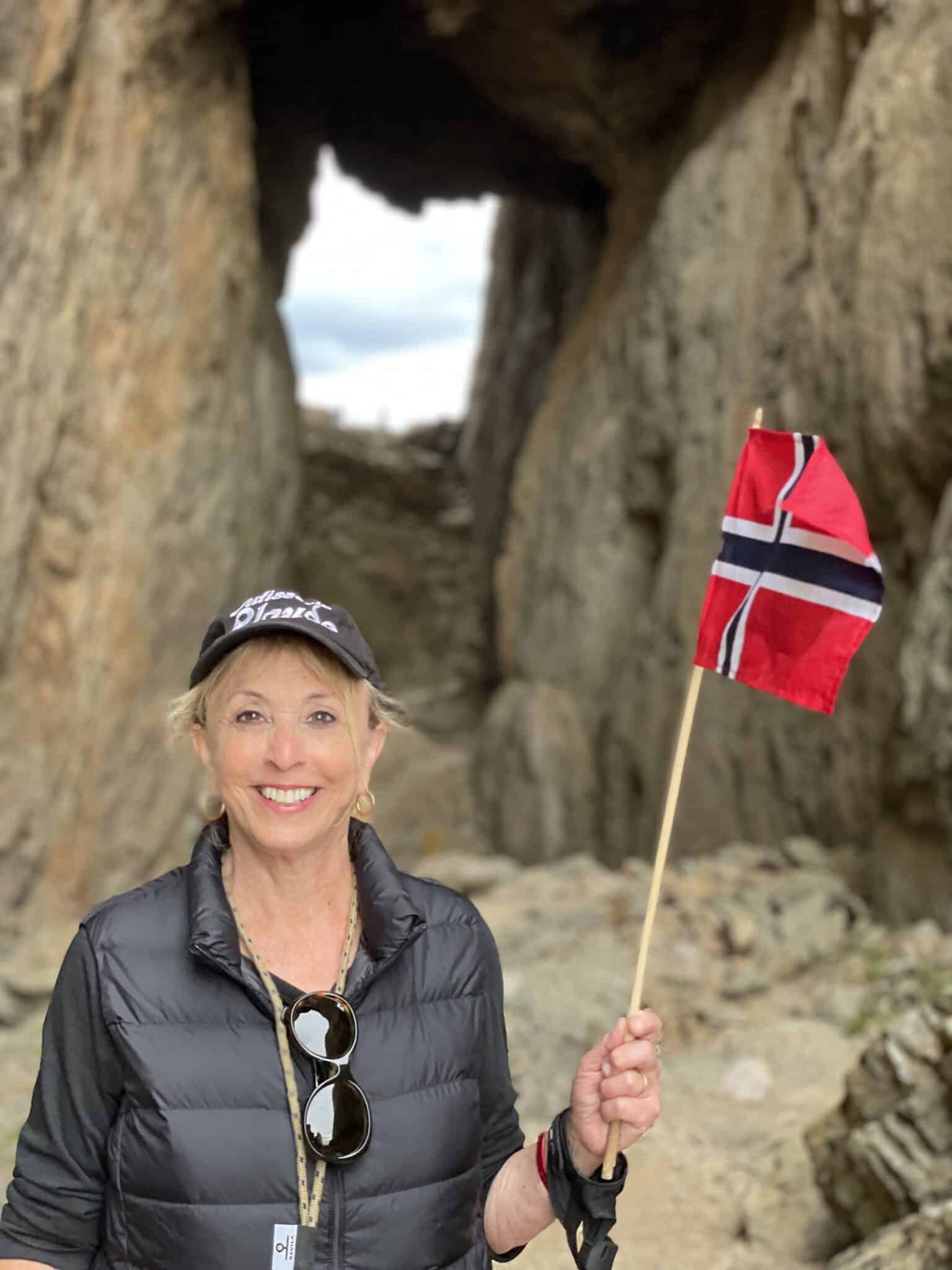
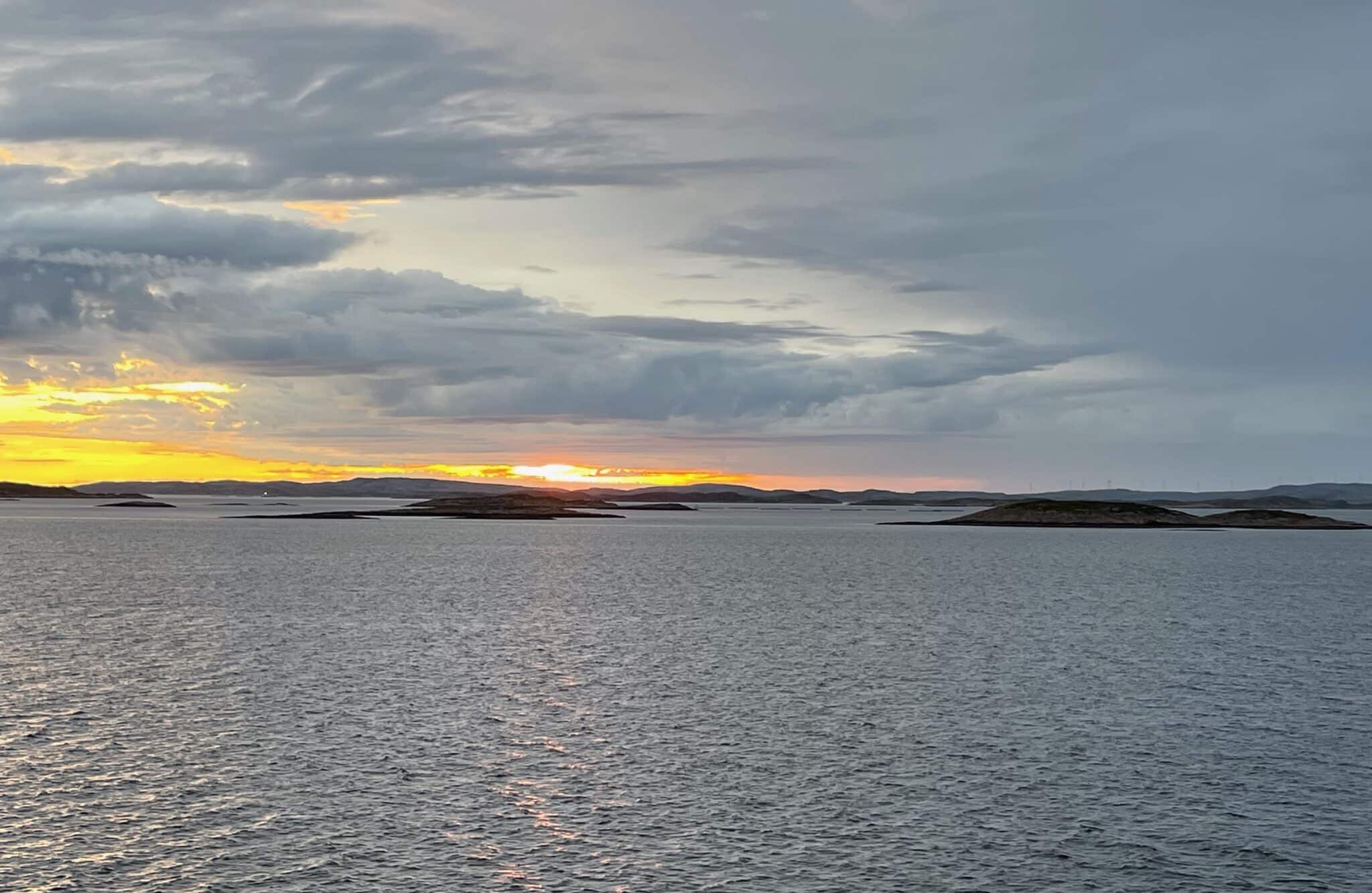
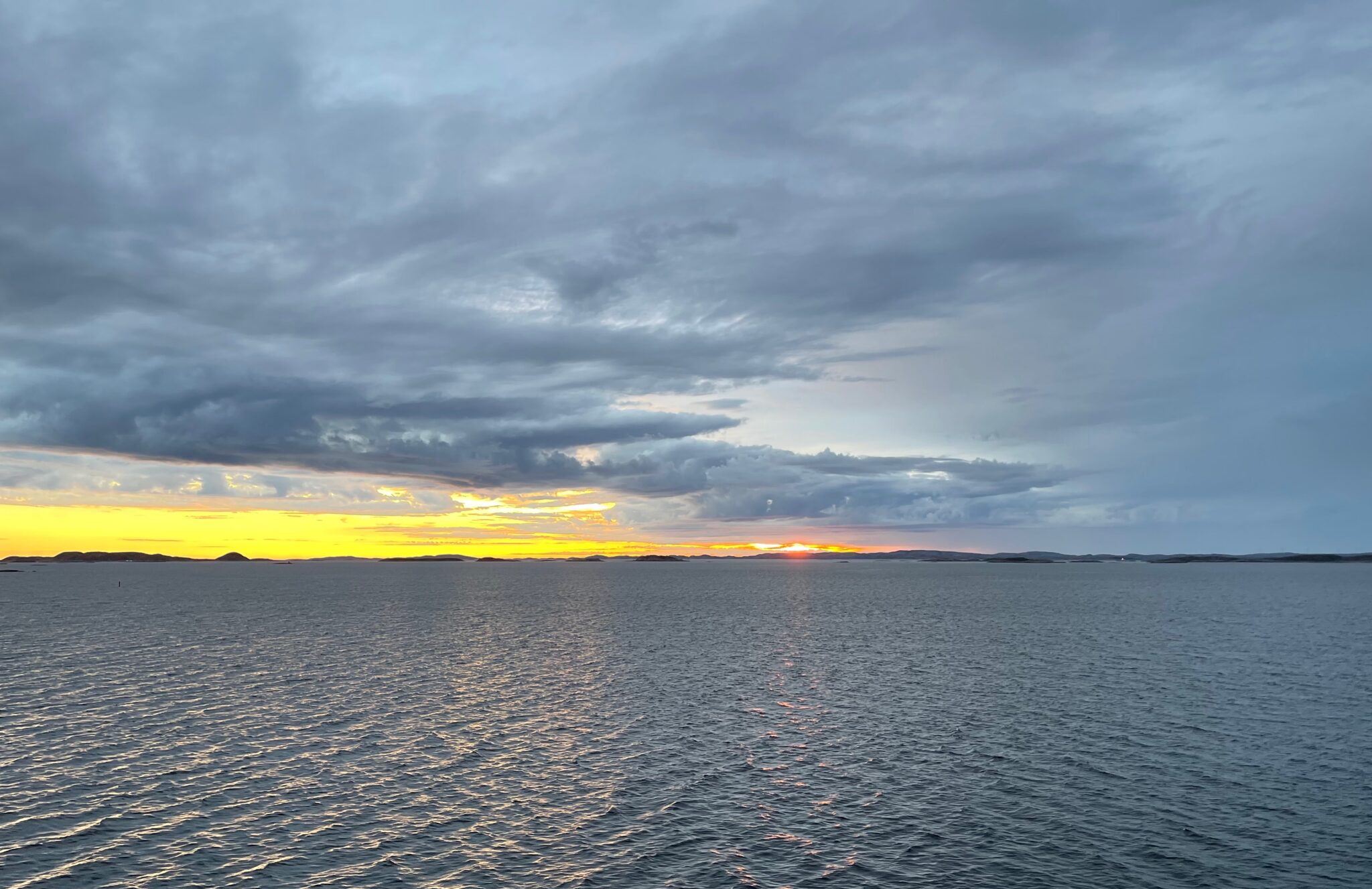
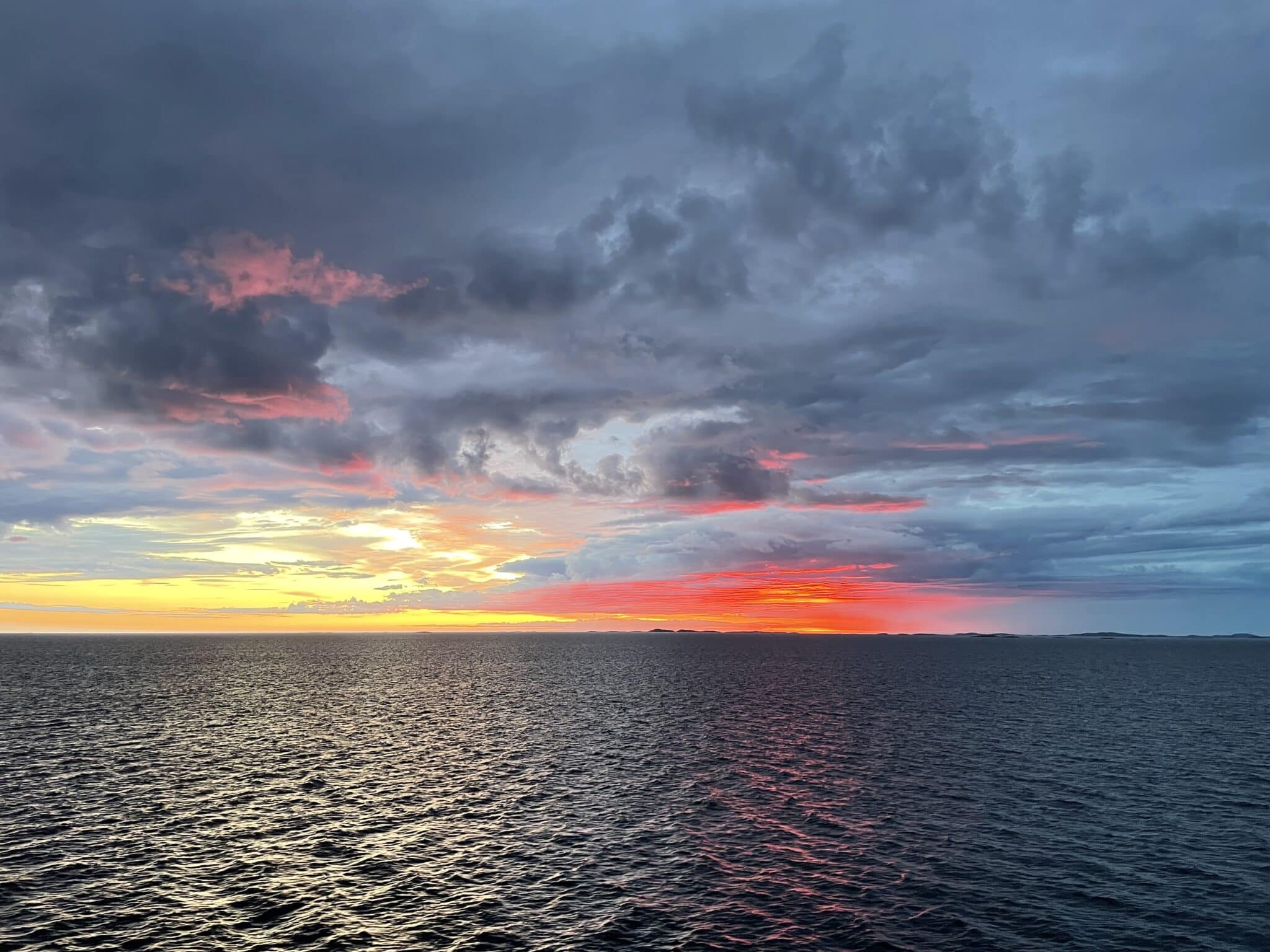
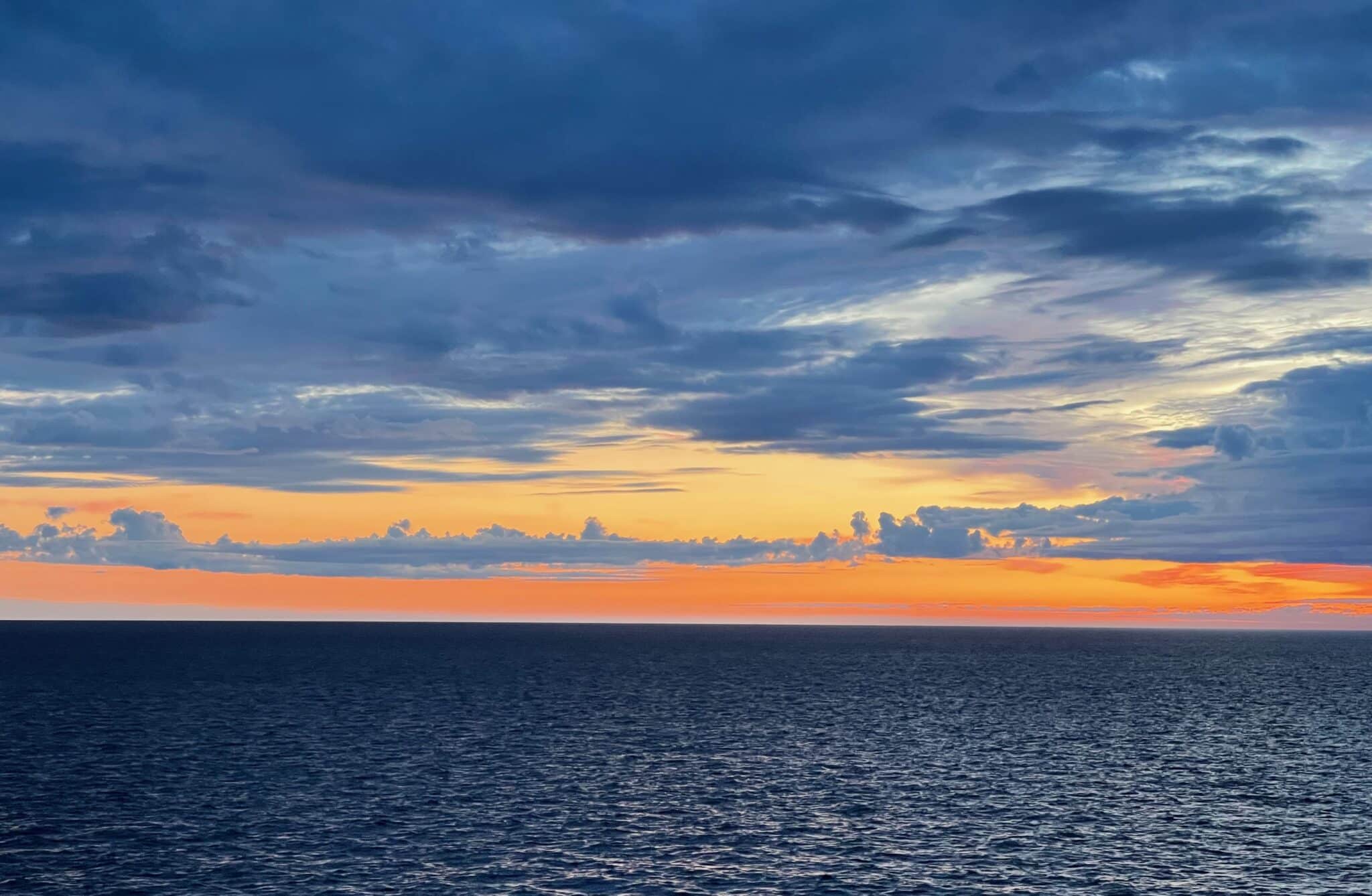
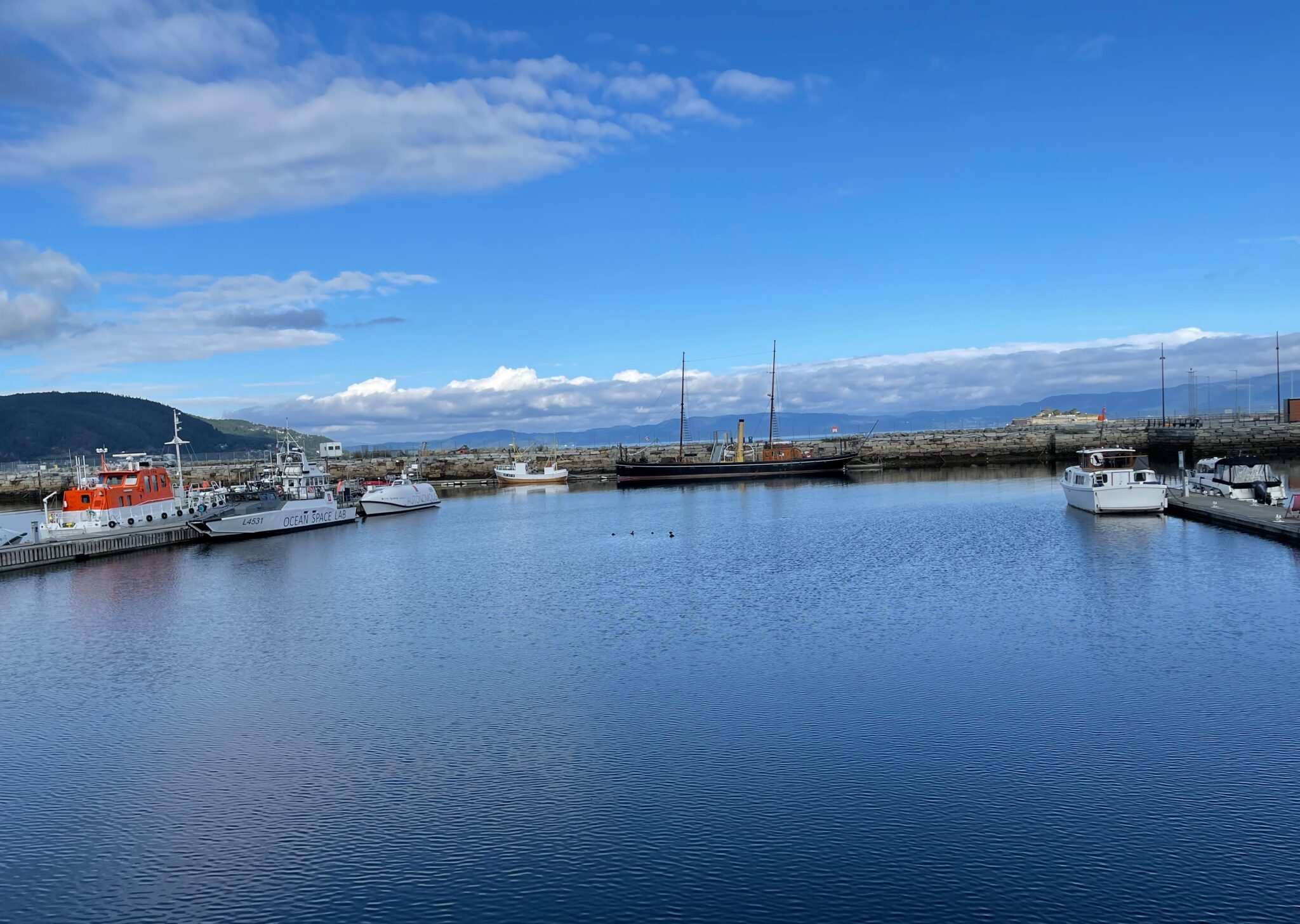
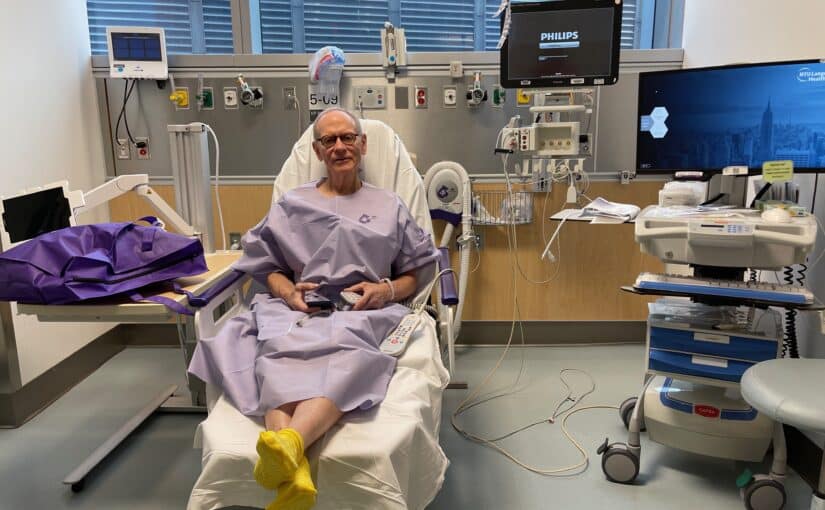
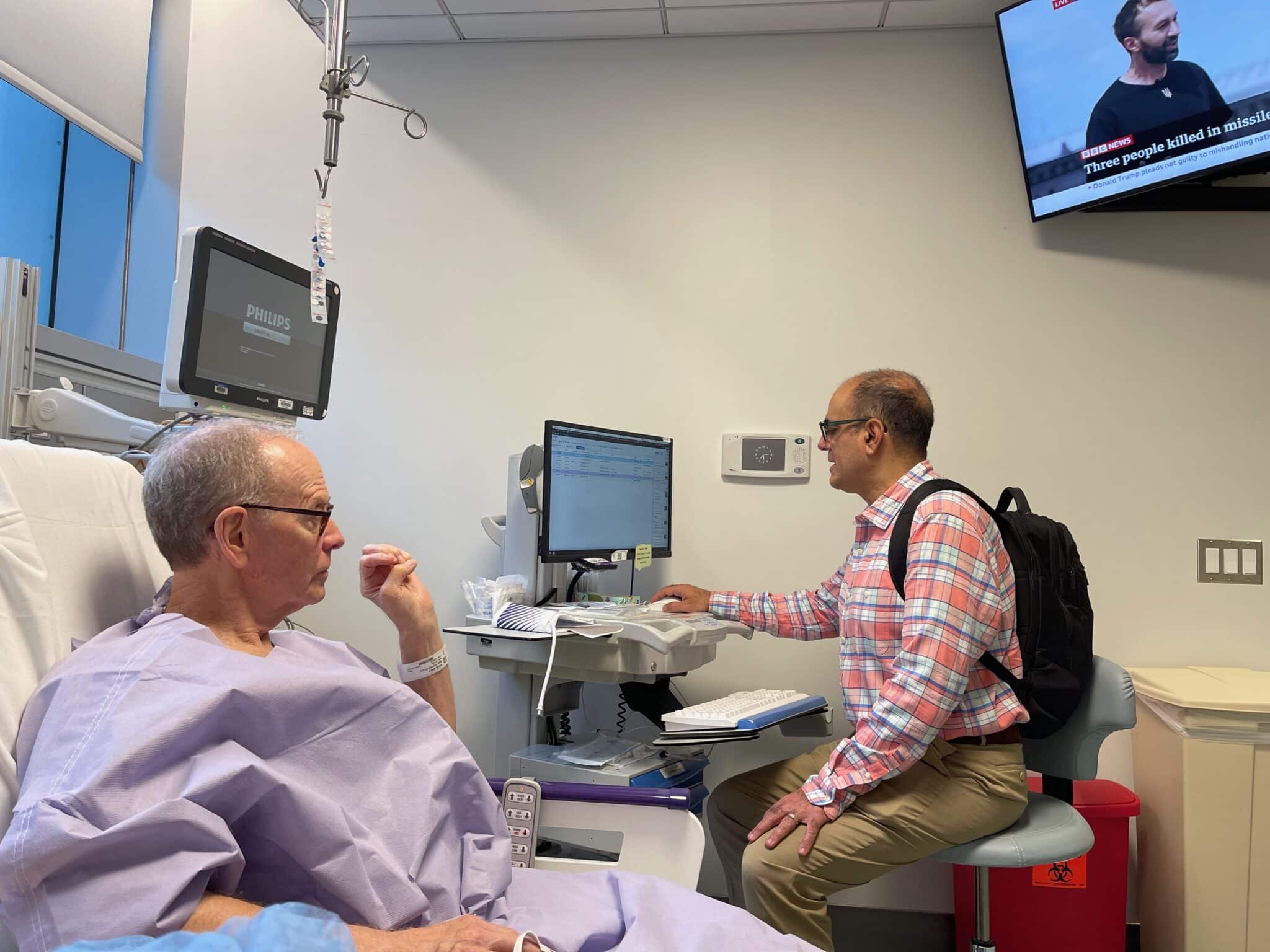
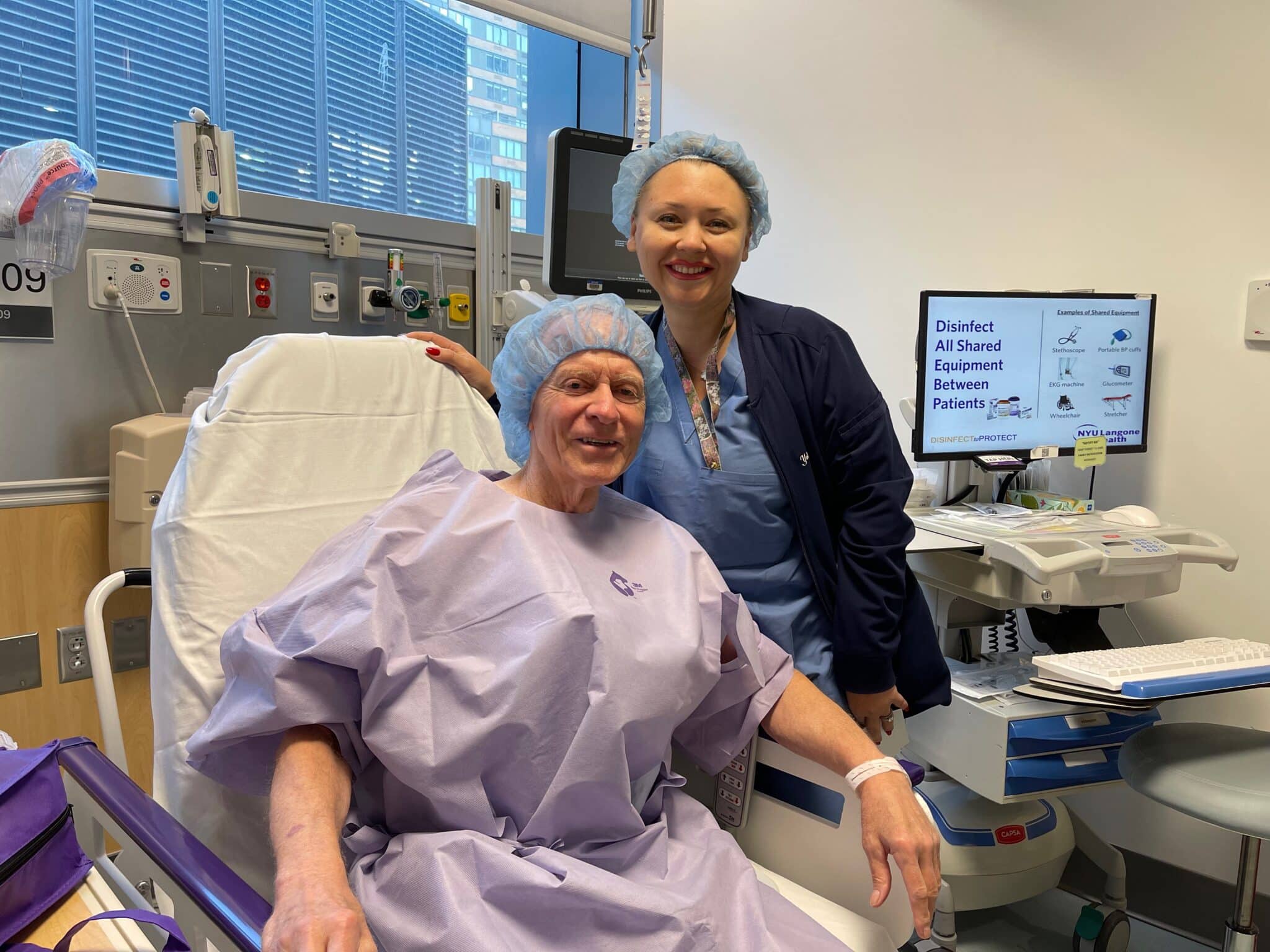
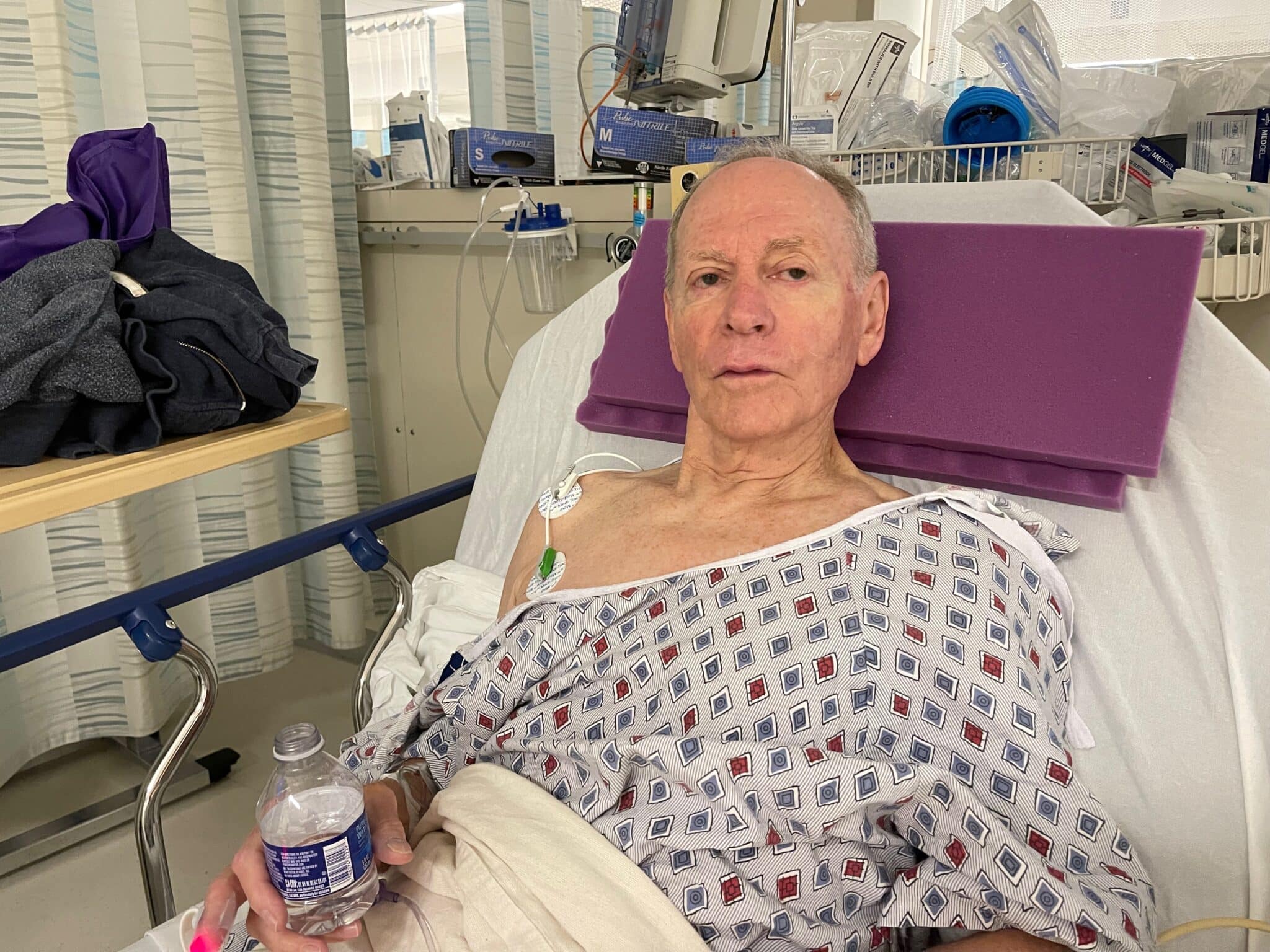
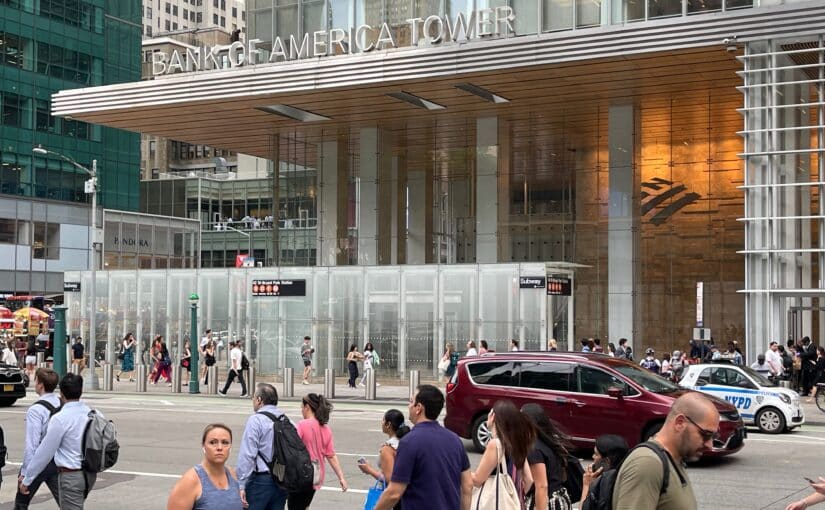


 Reload document
  Open in new tab

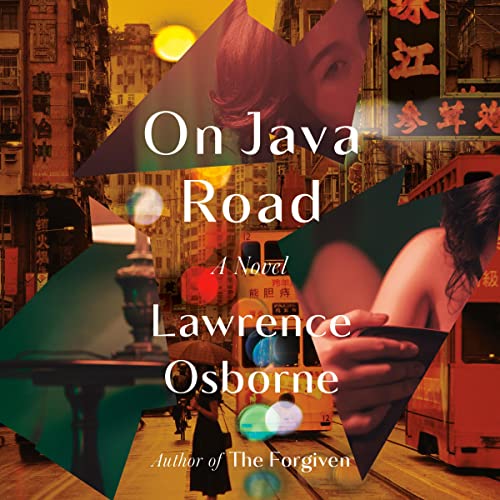

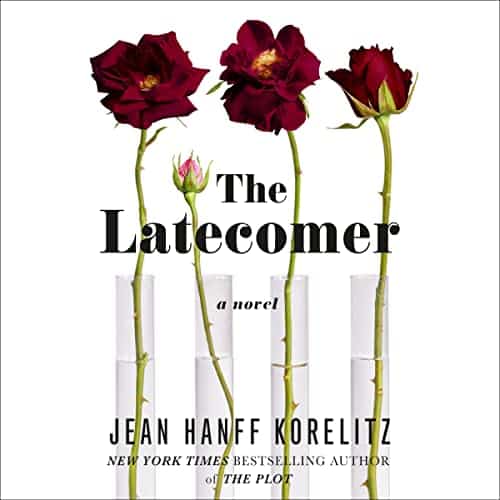
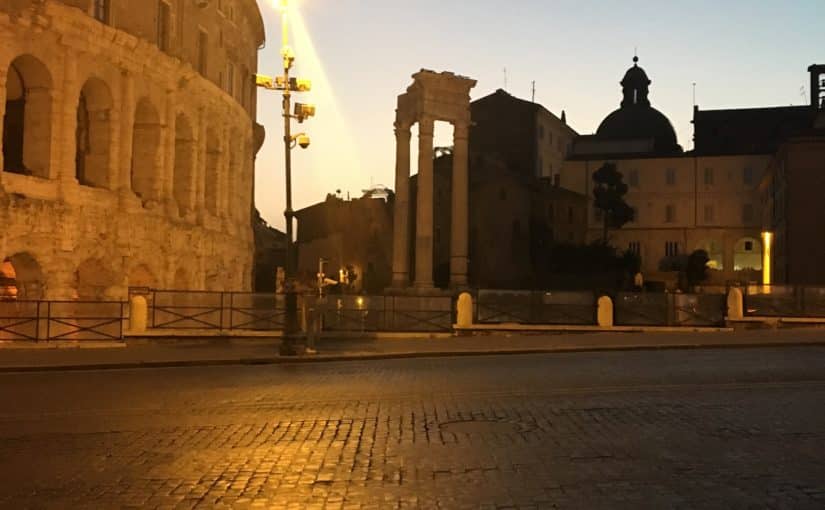
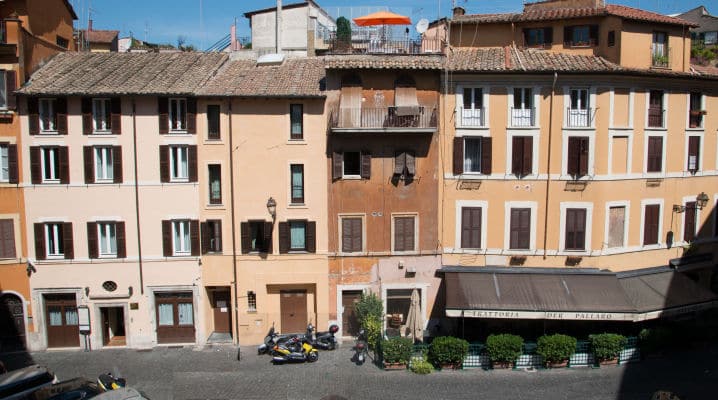
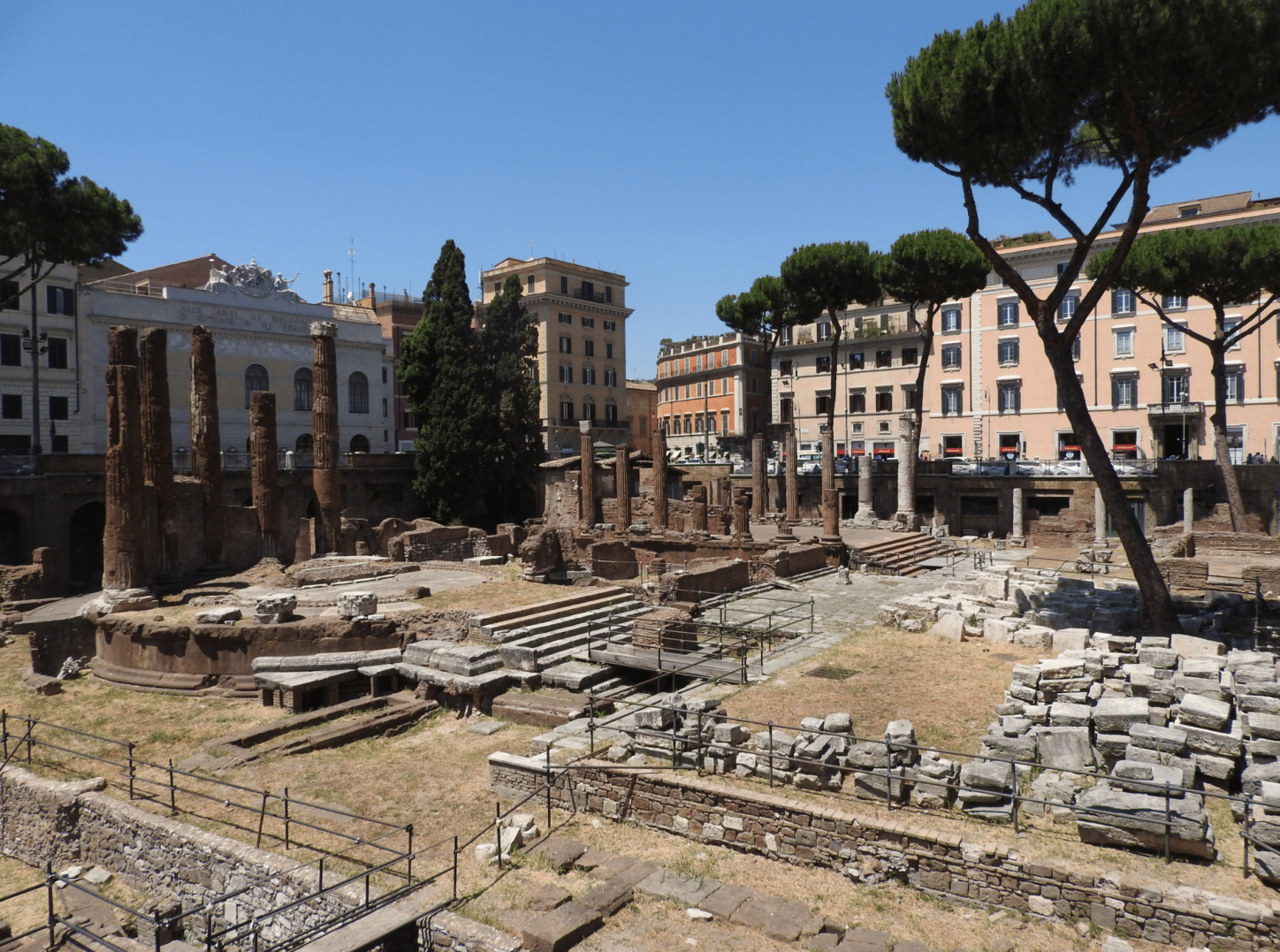
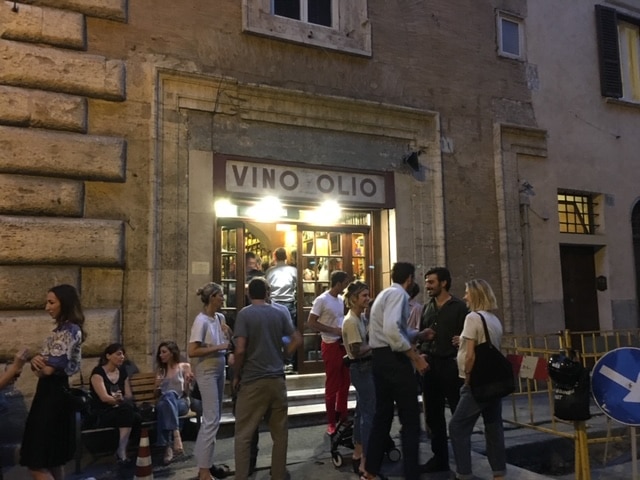
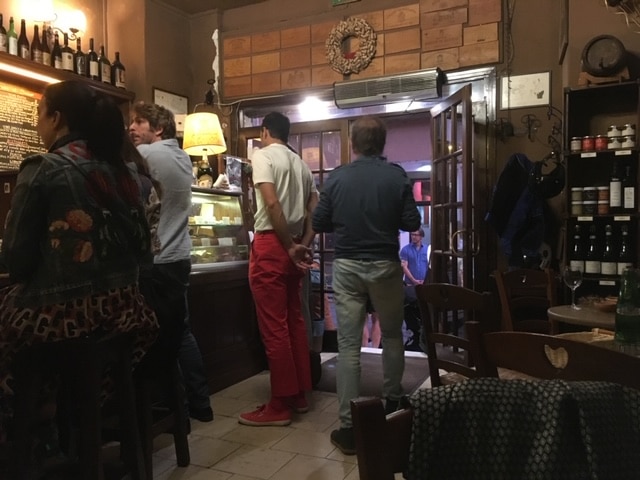
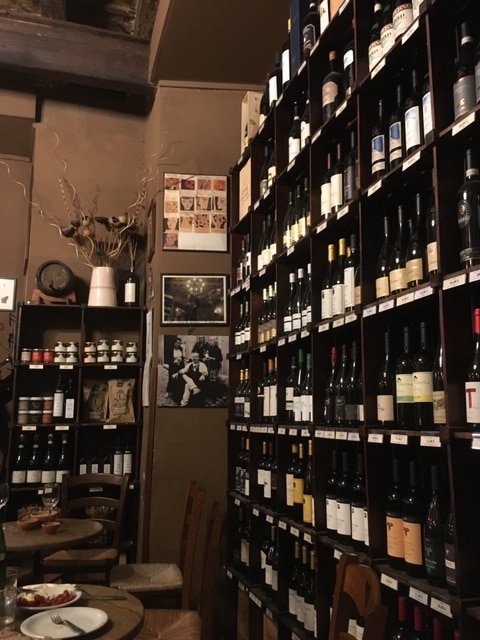
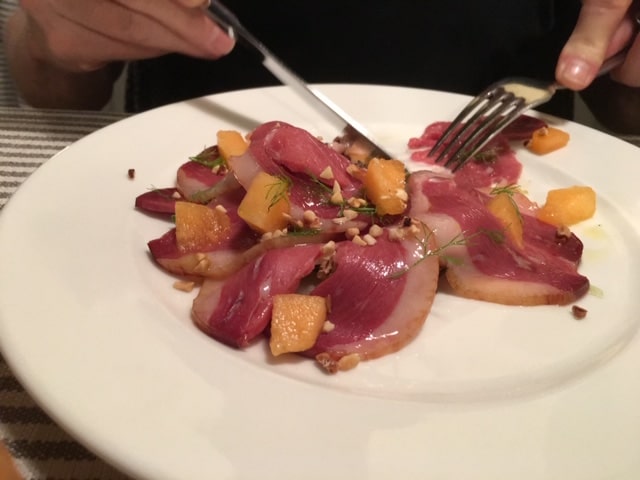
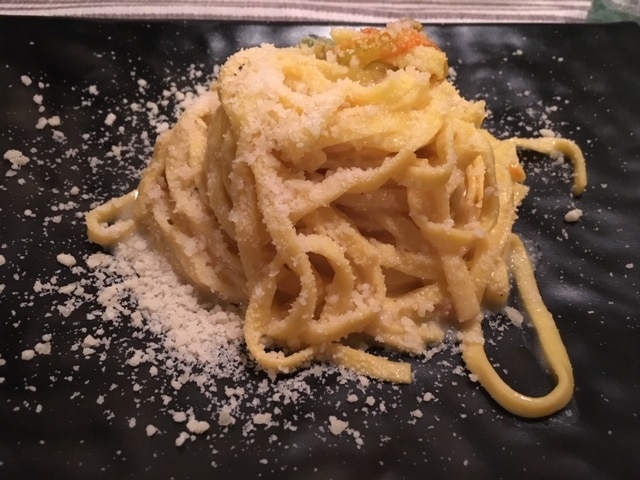
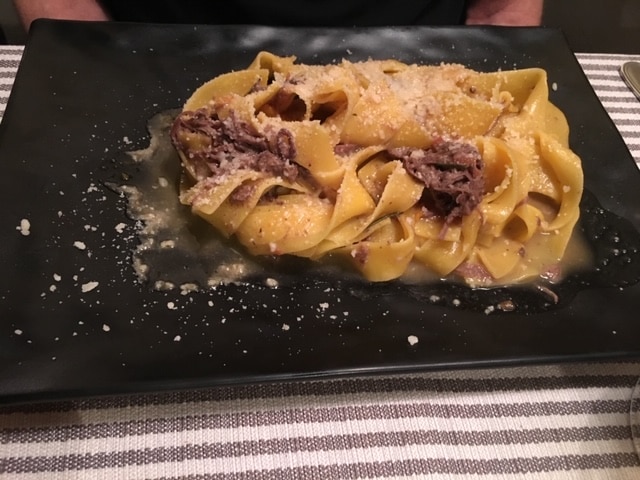
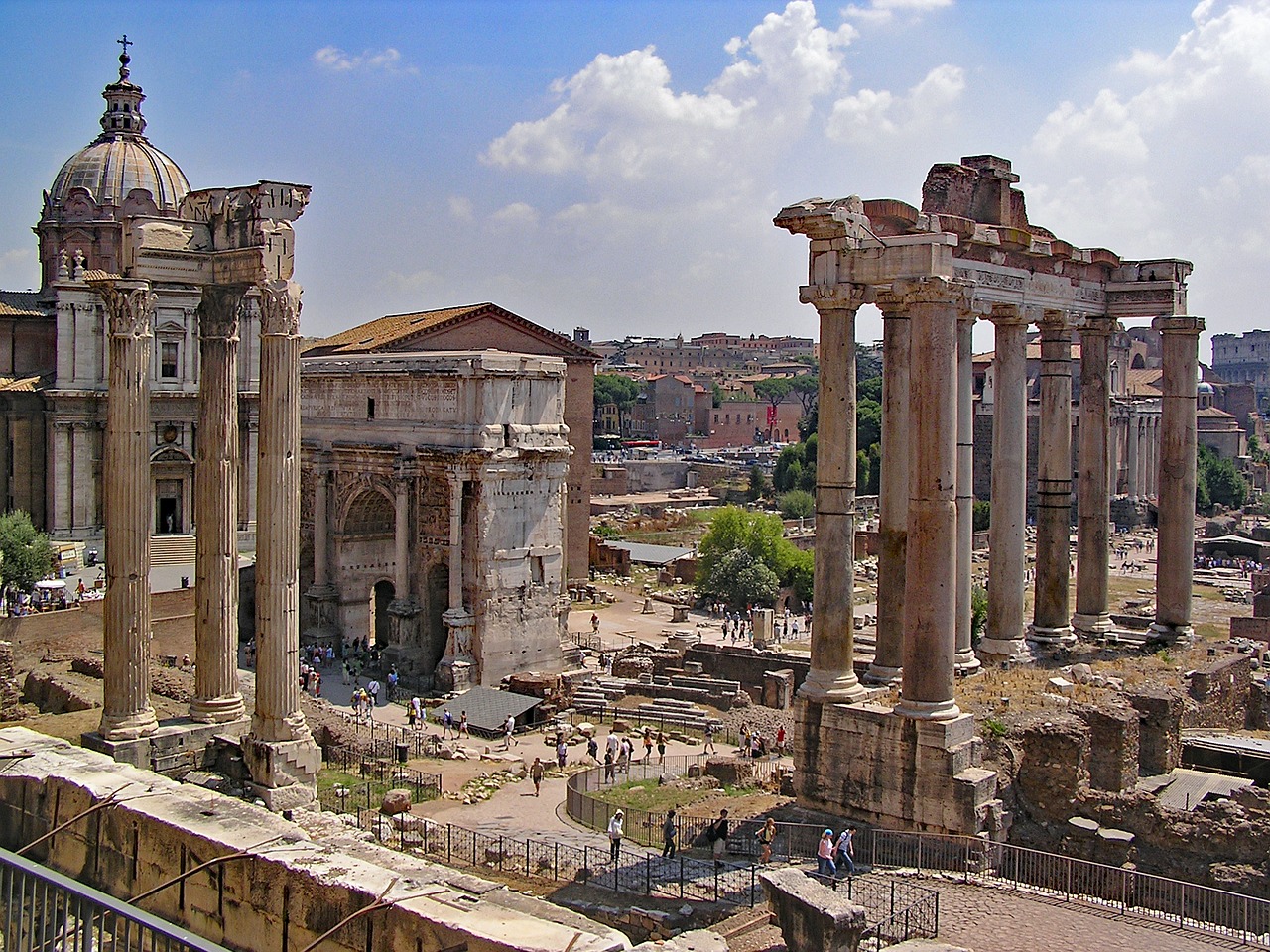
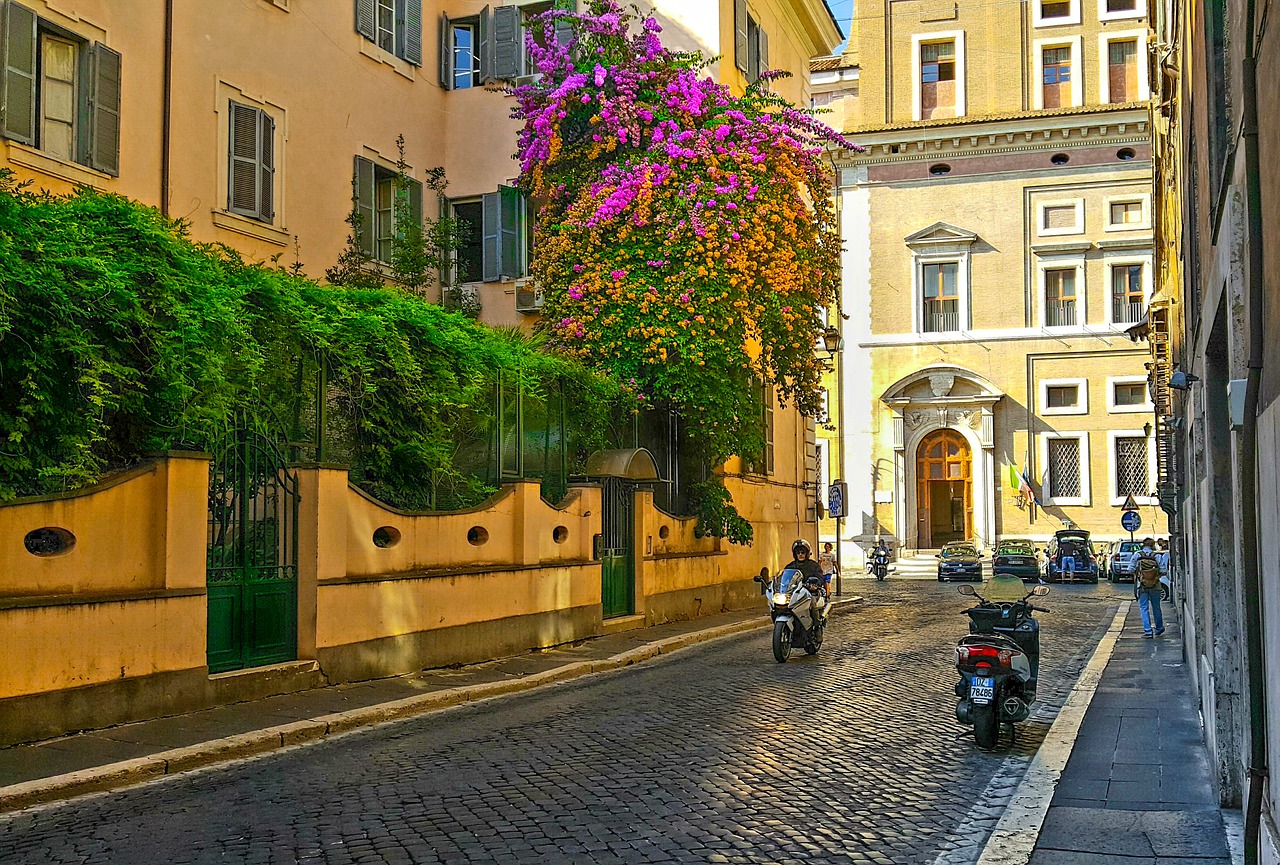
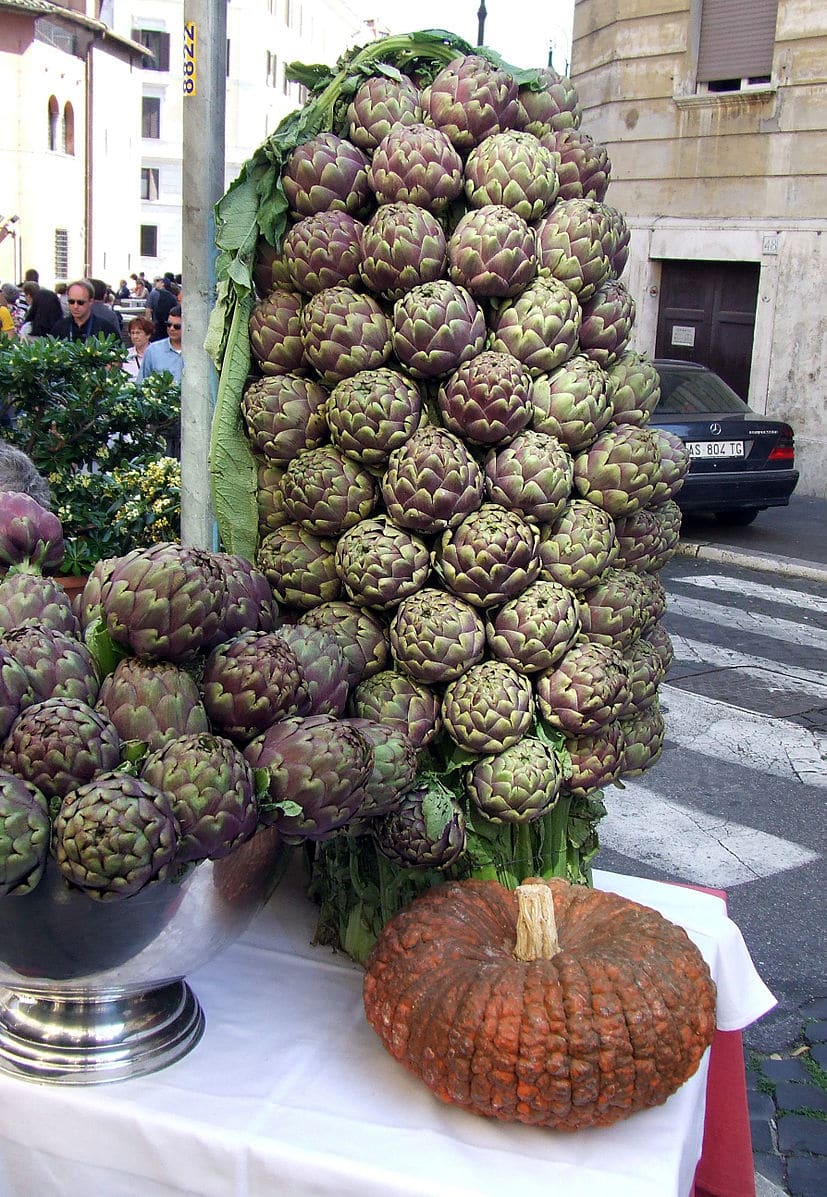
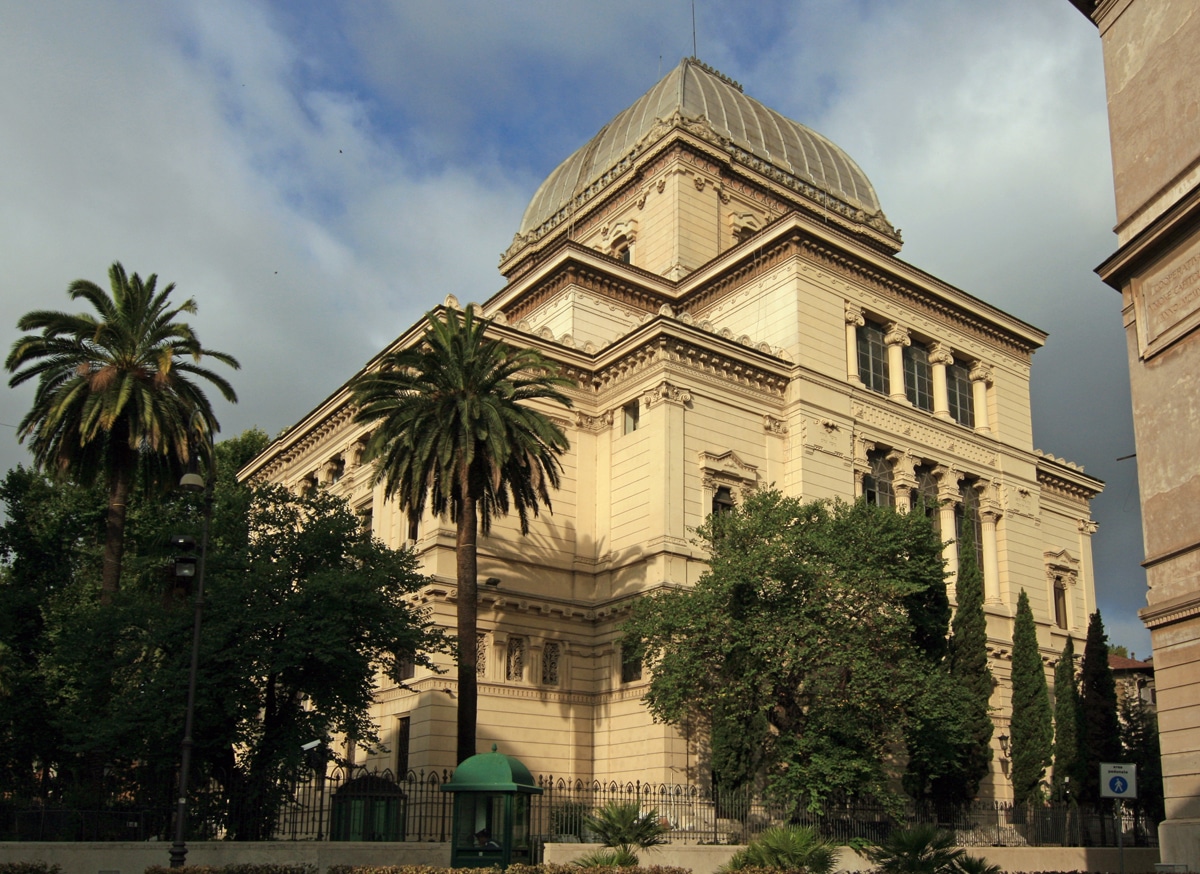
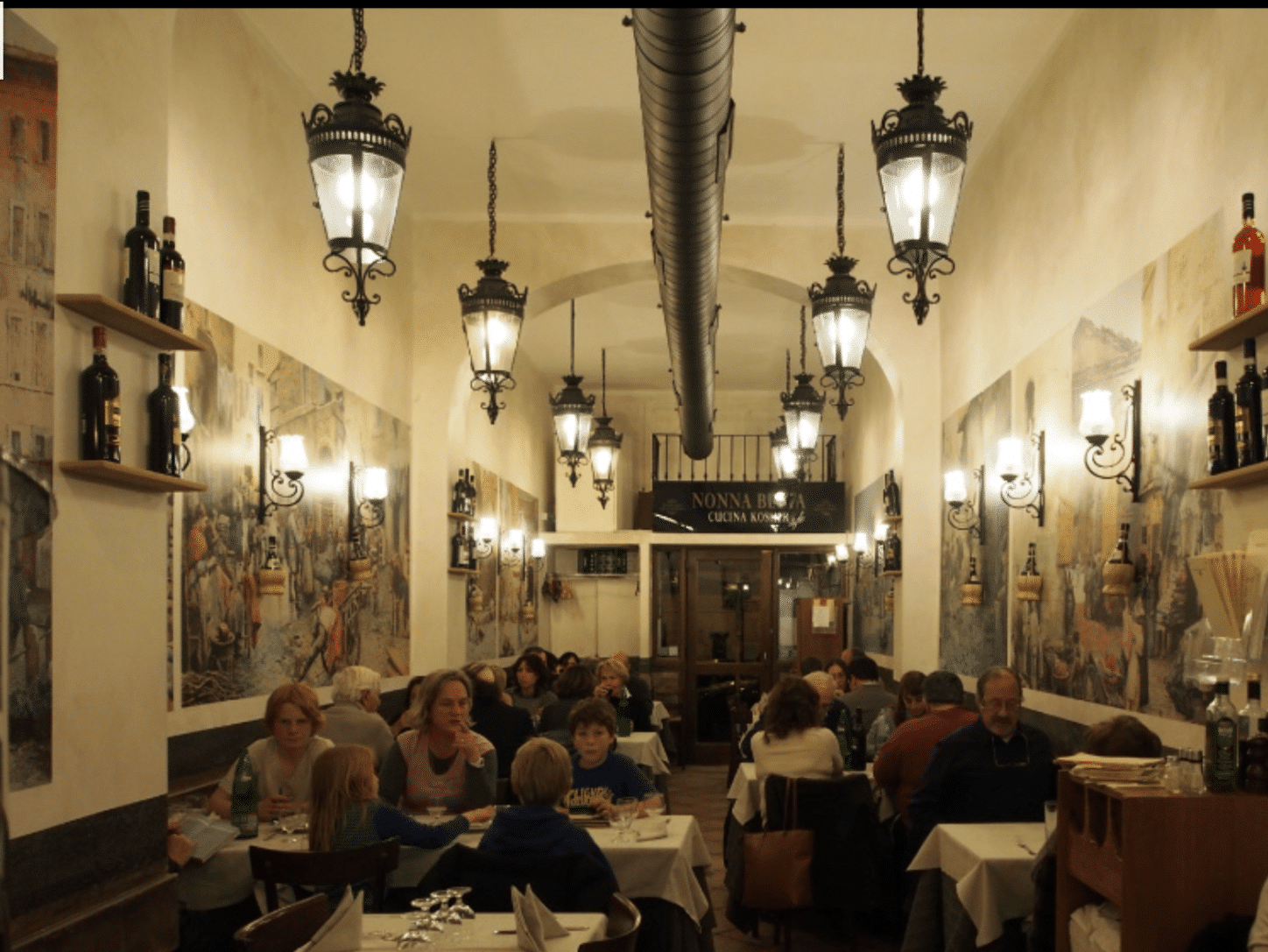
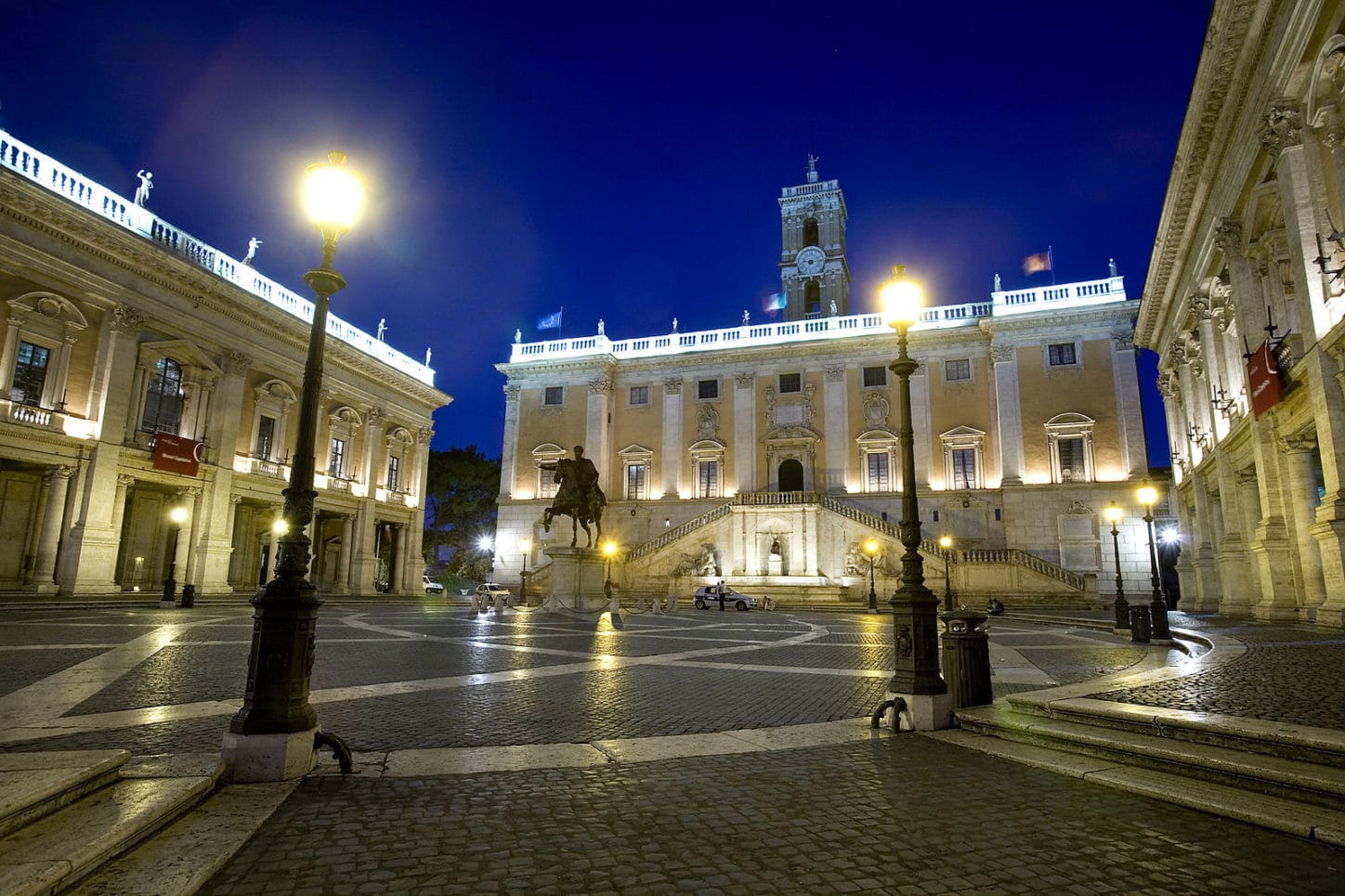
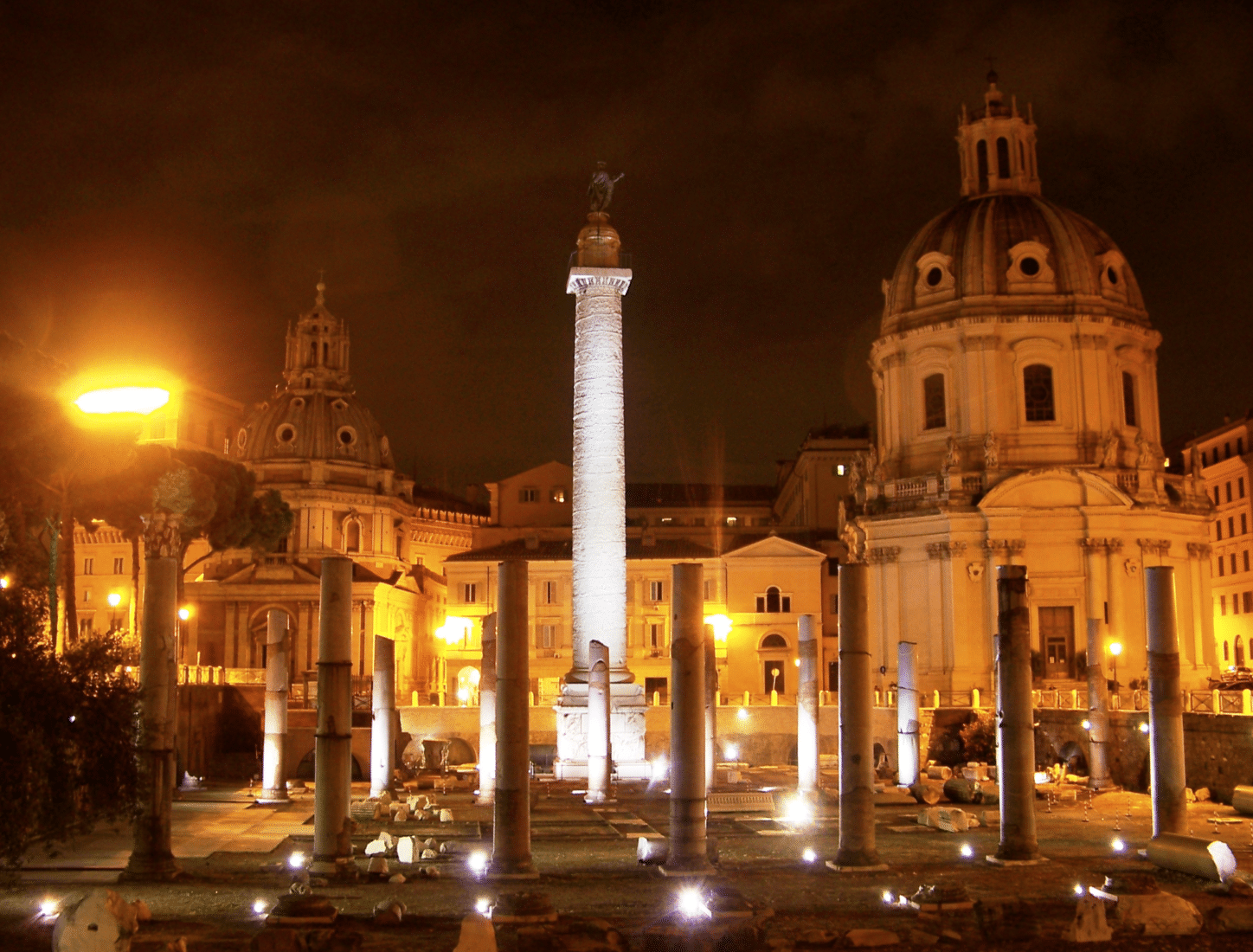
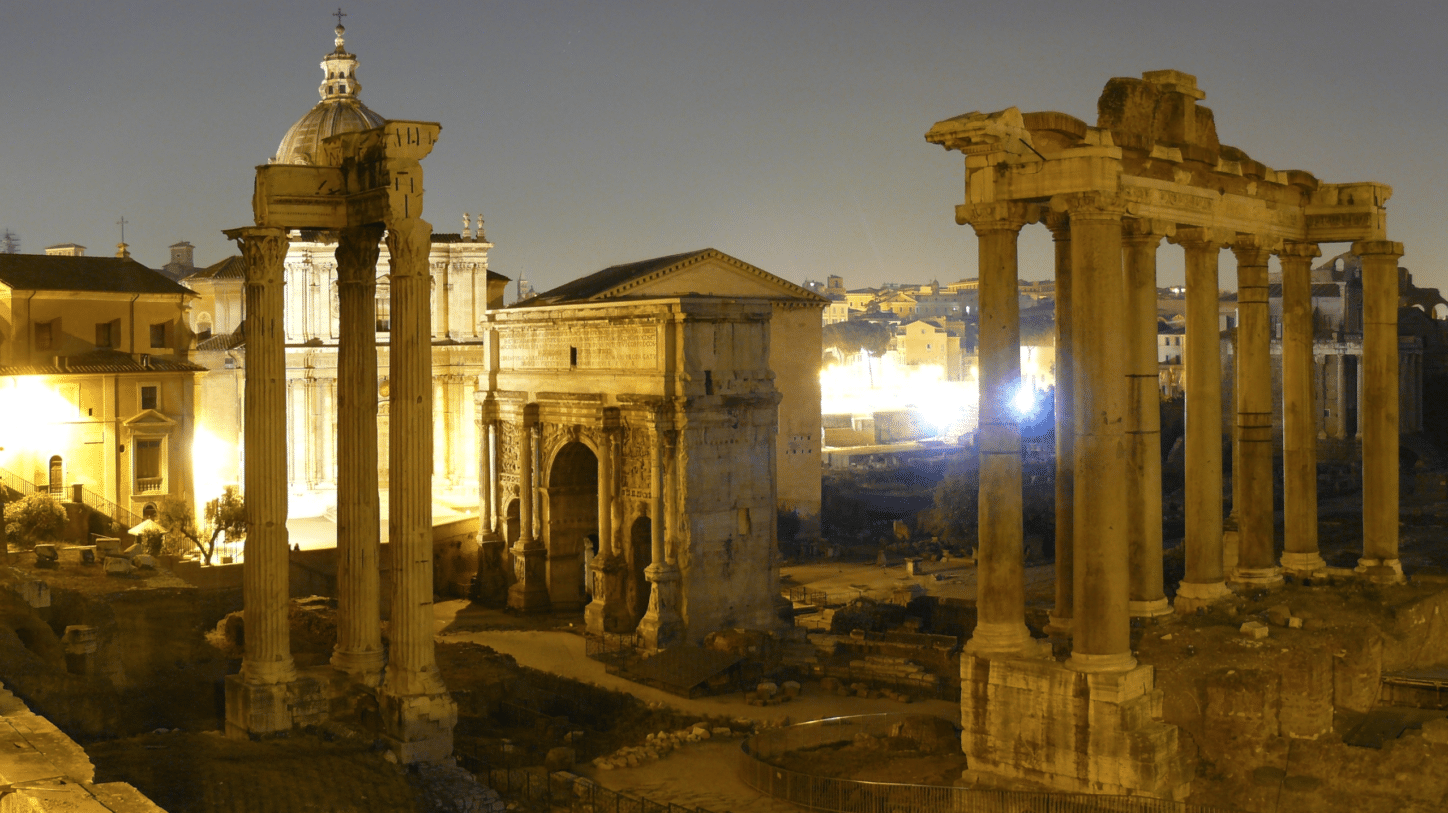
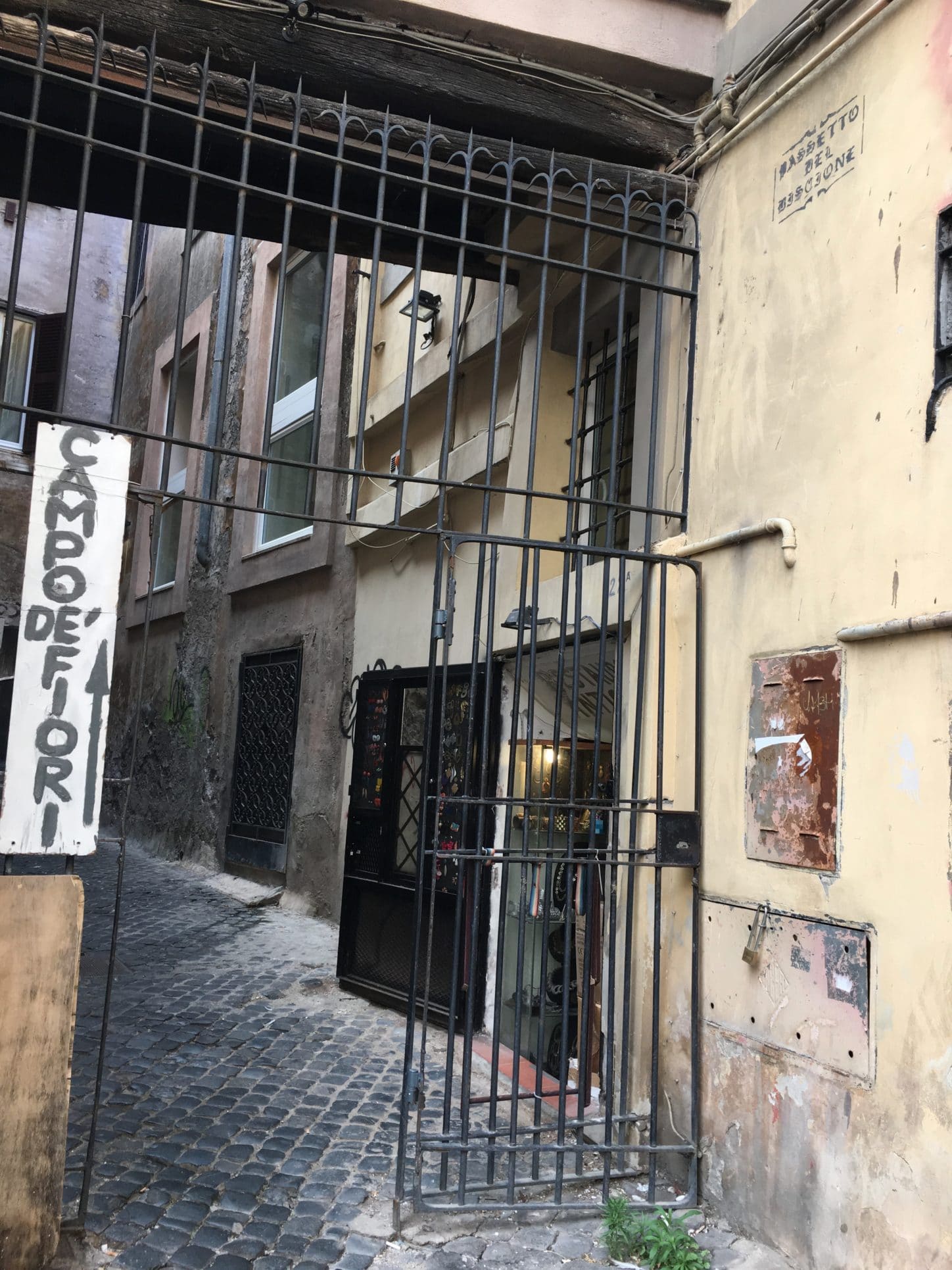
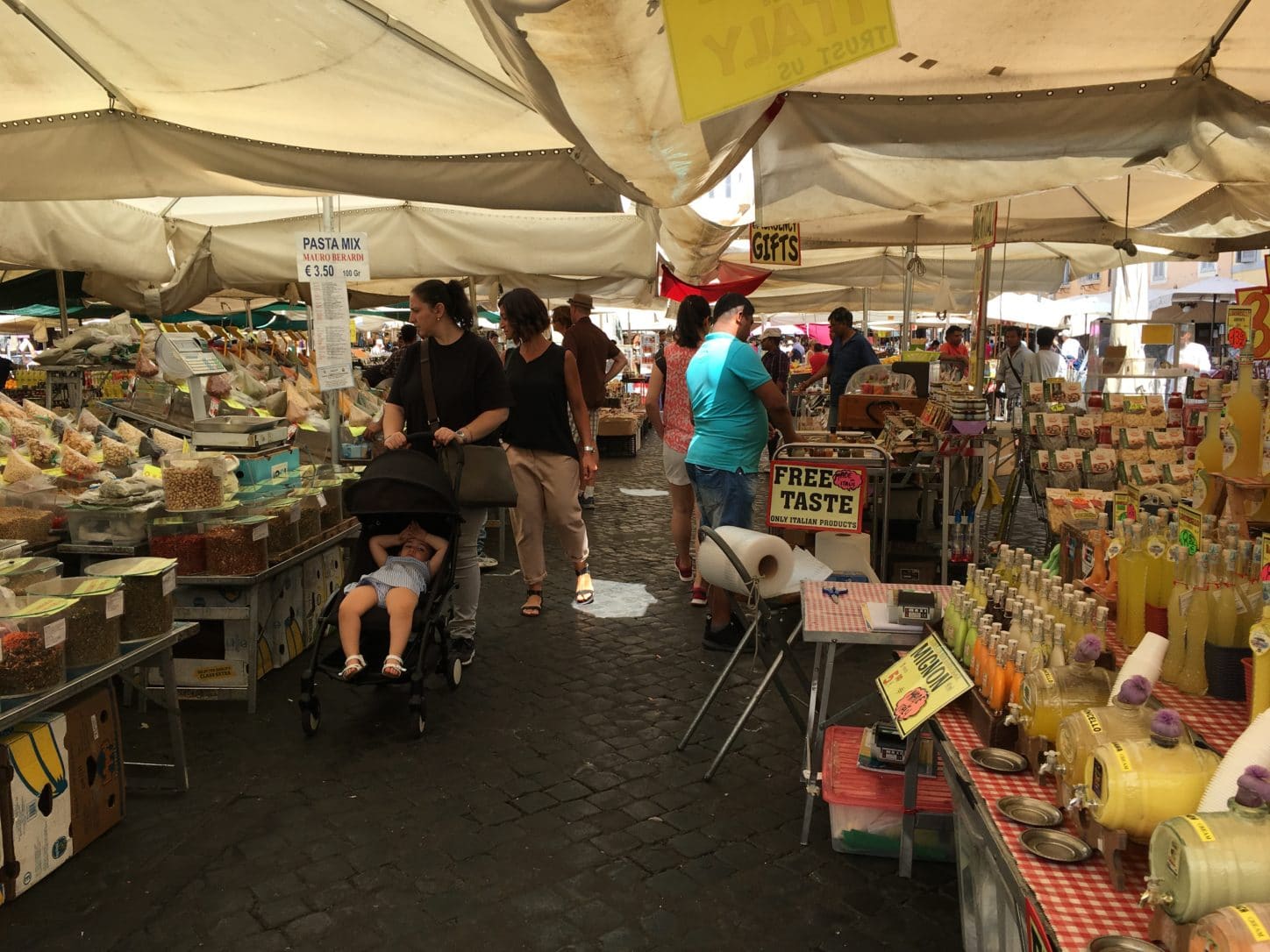
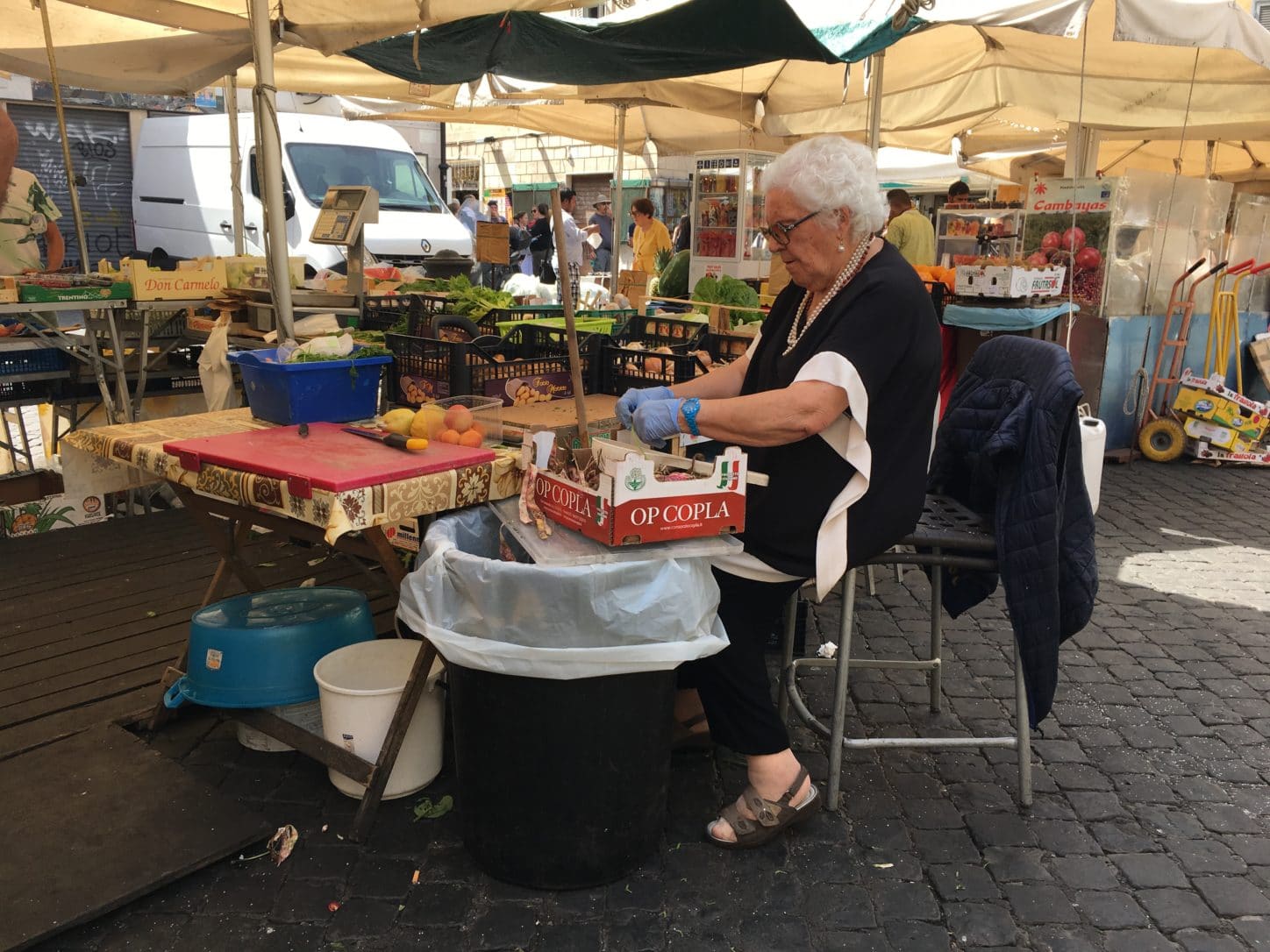
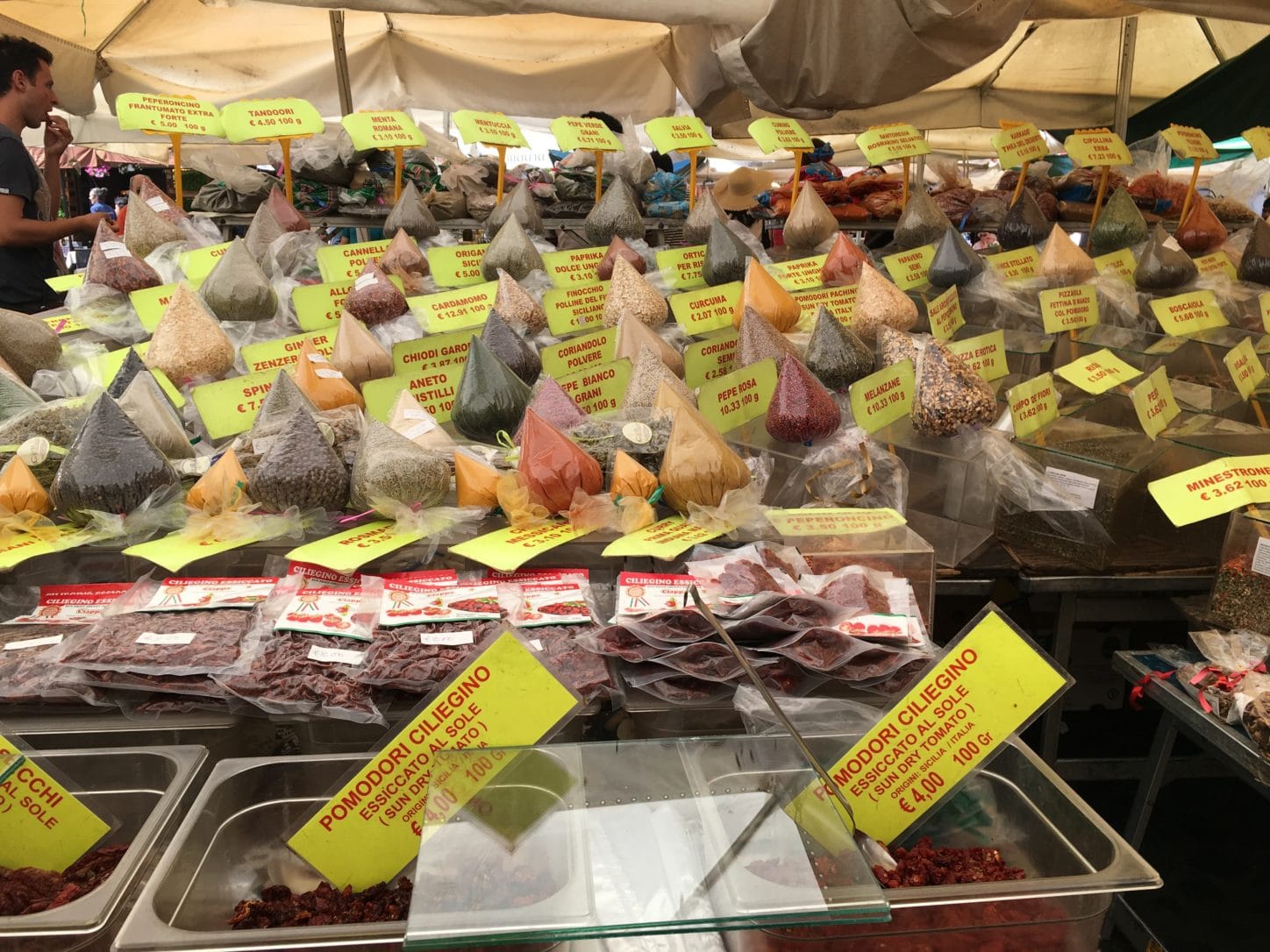
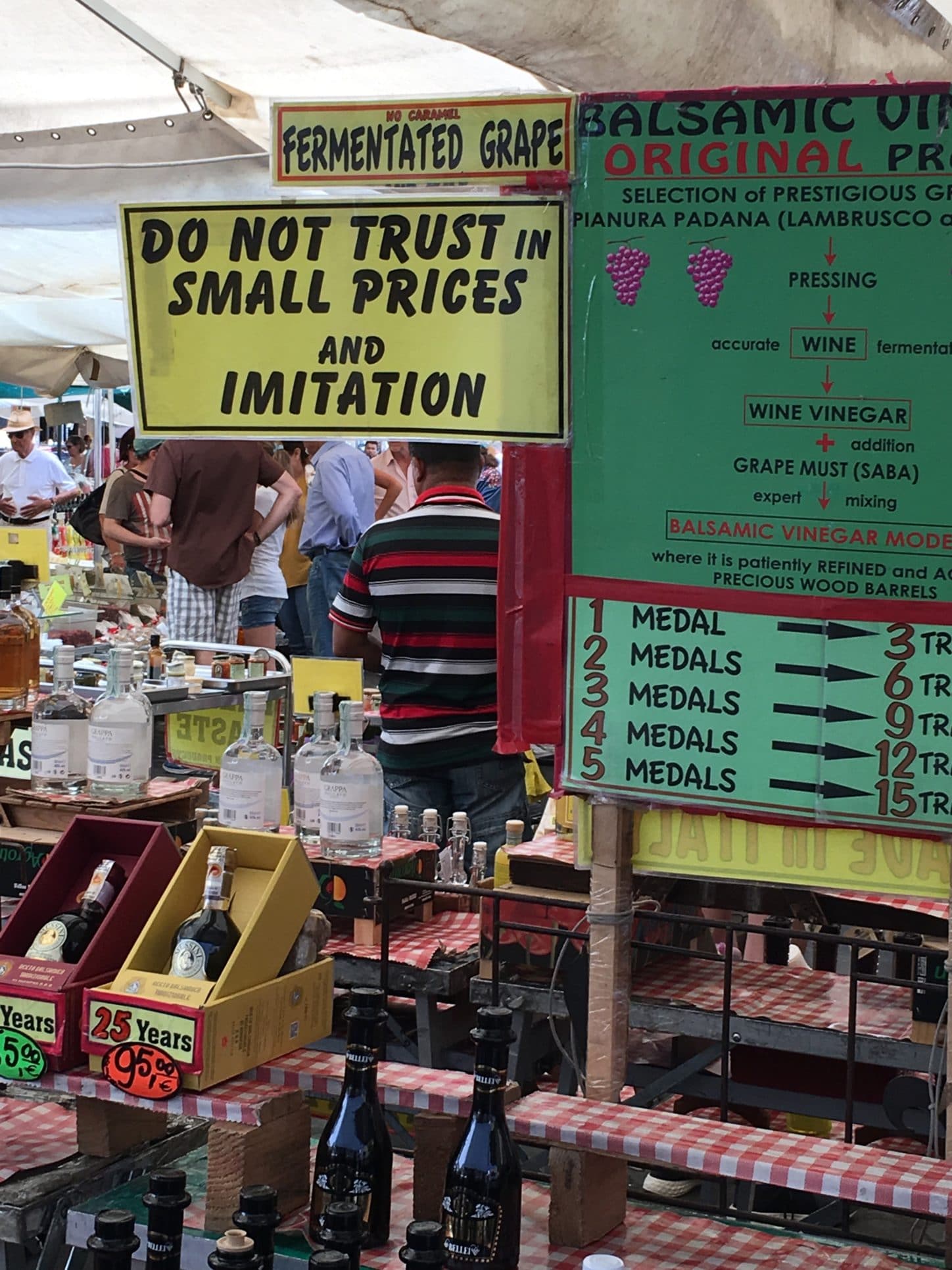
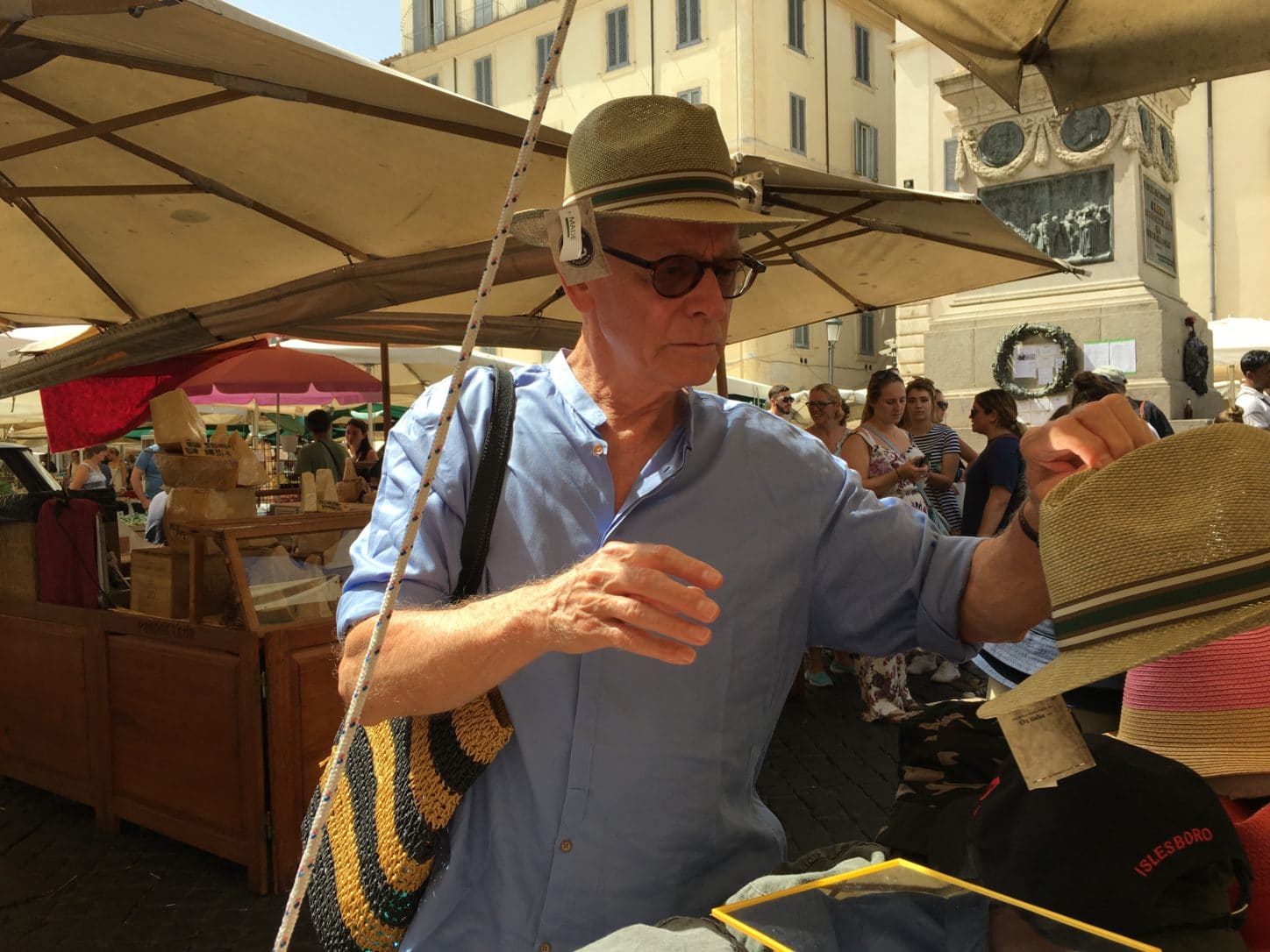
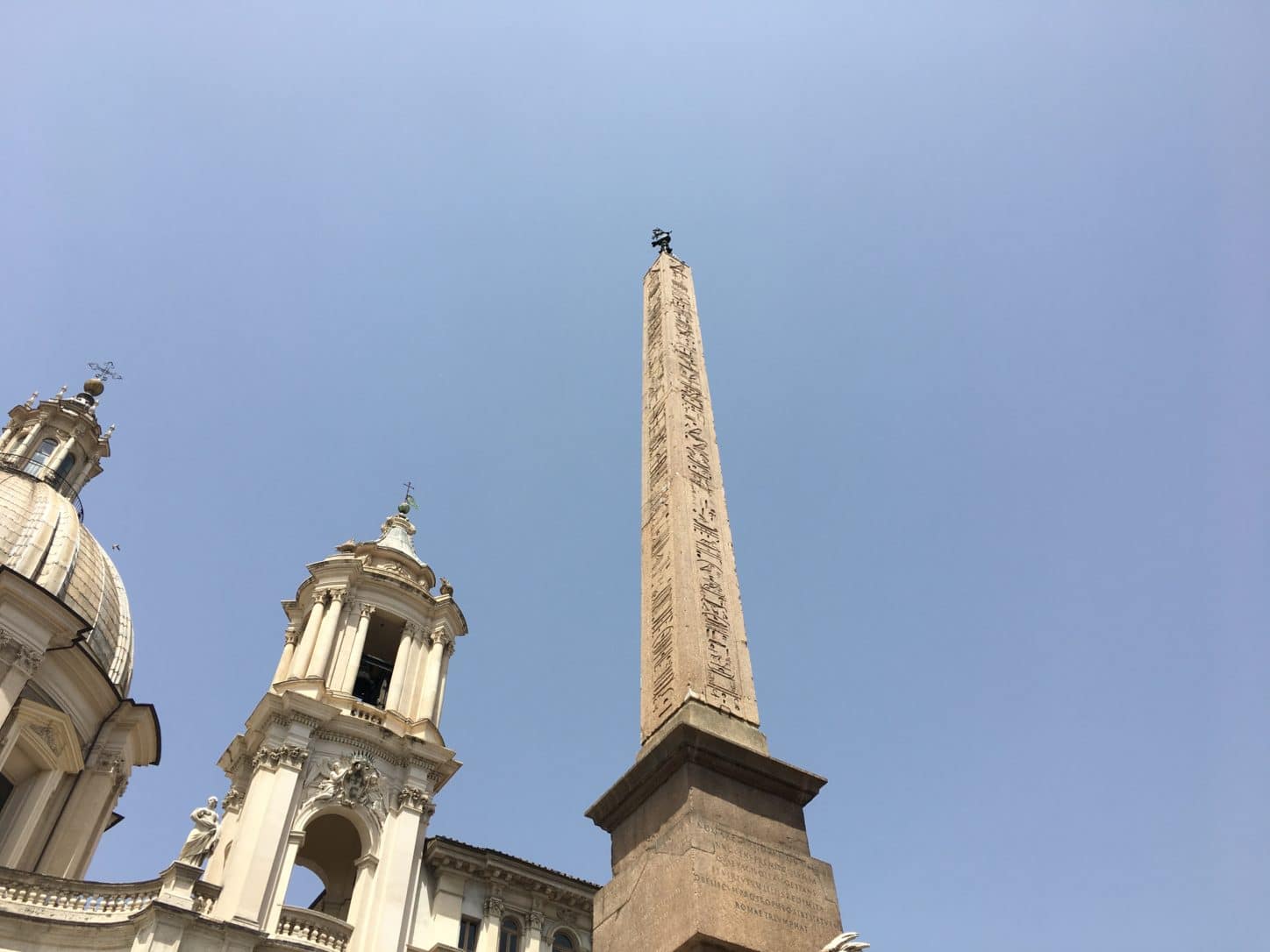 Obelisk, Piazza Navona, Rome, Photo by ConsumerMojo.com[/caption]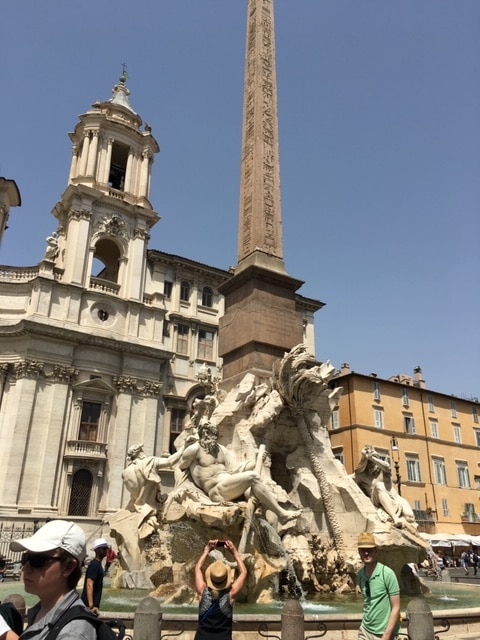
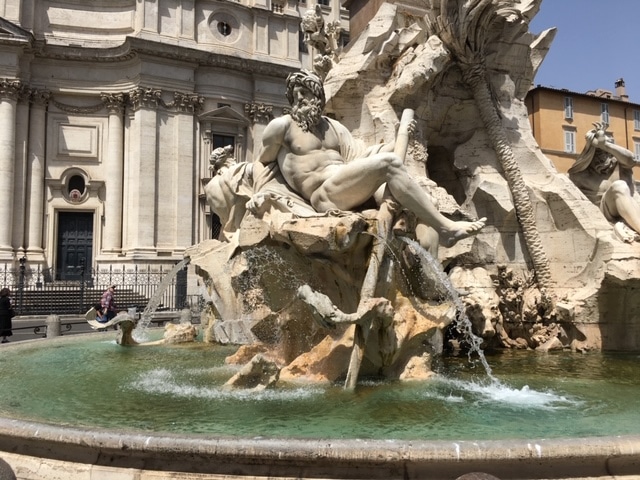
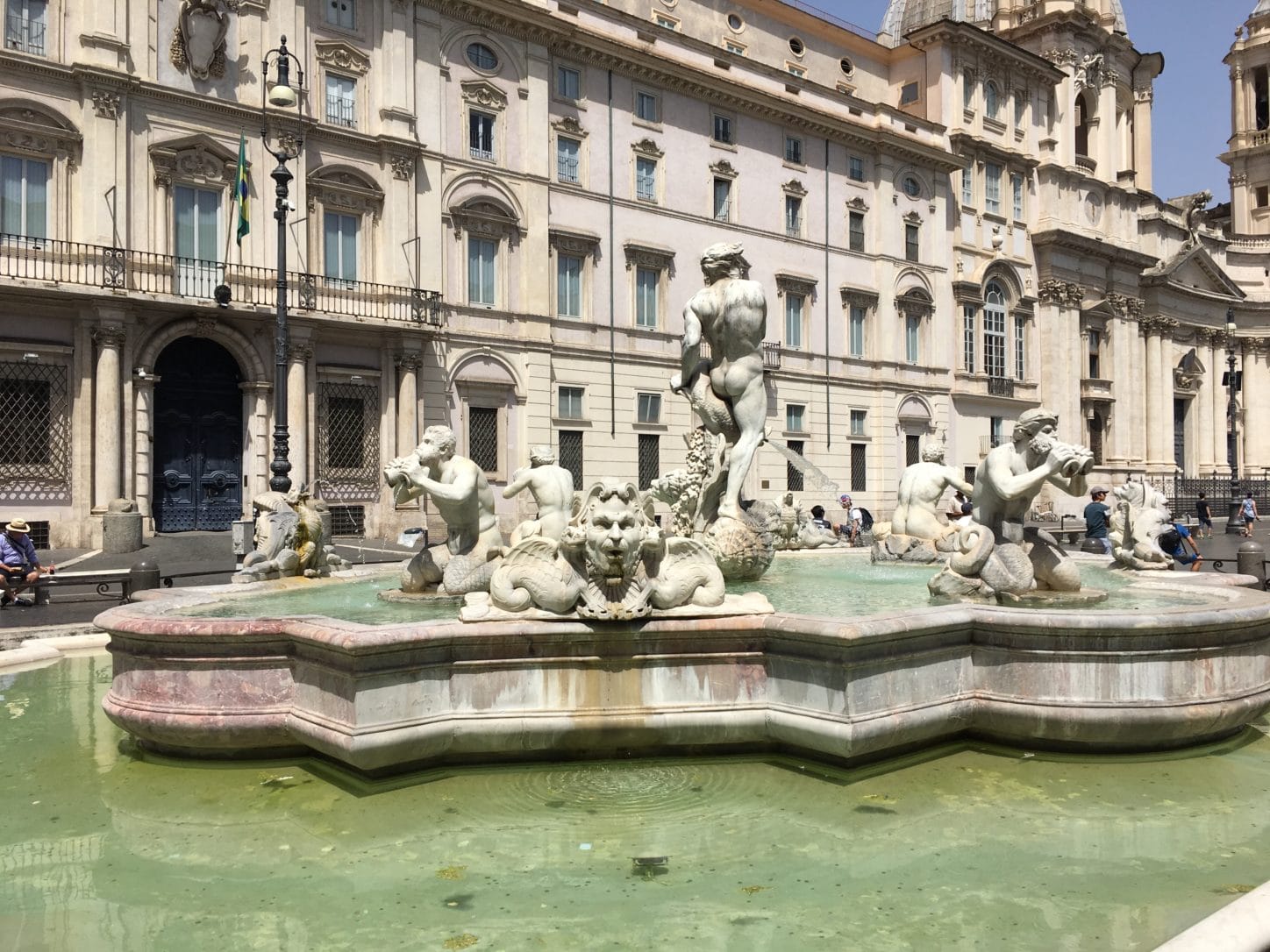
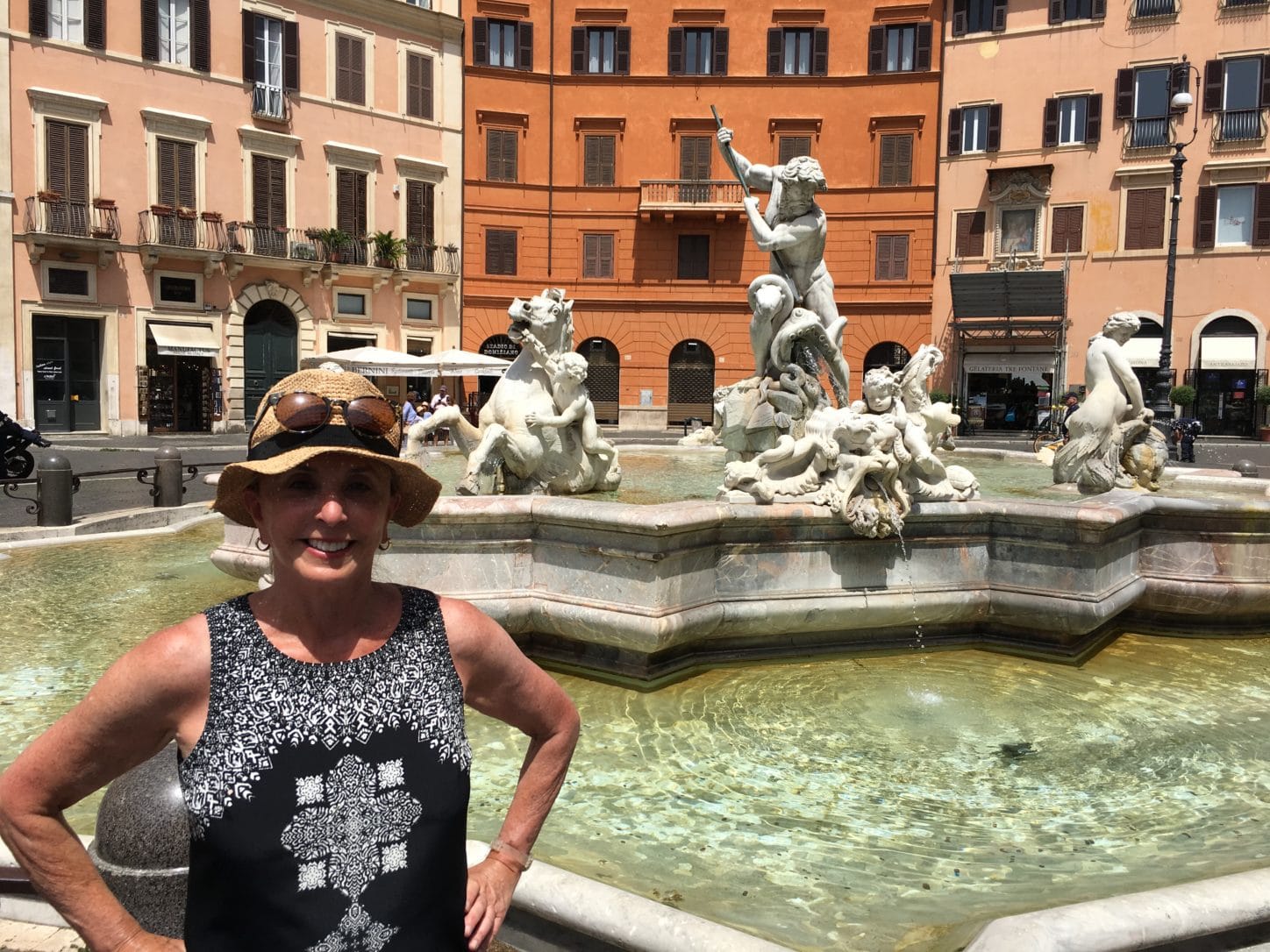
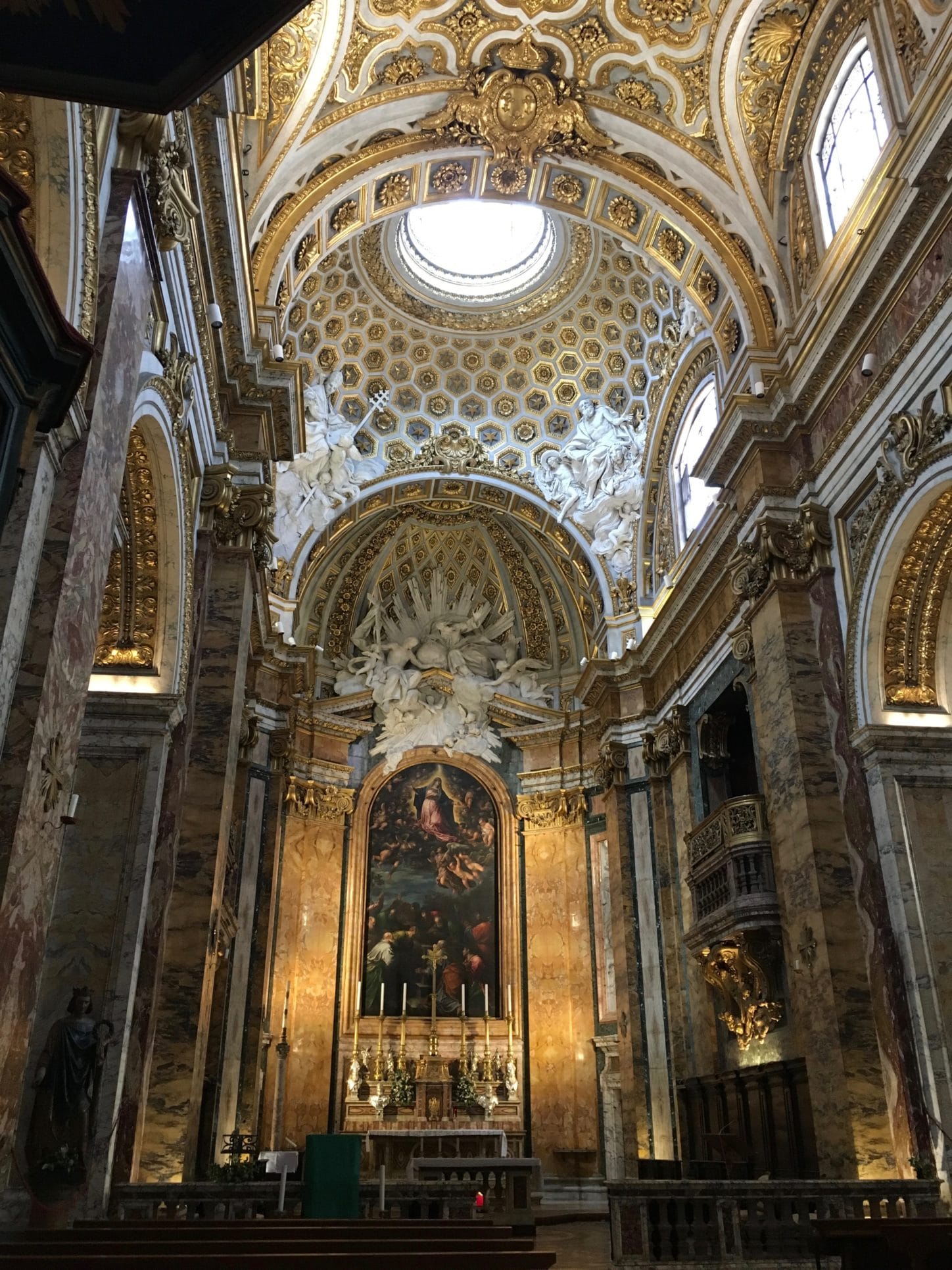
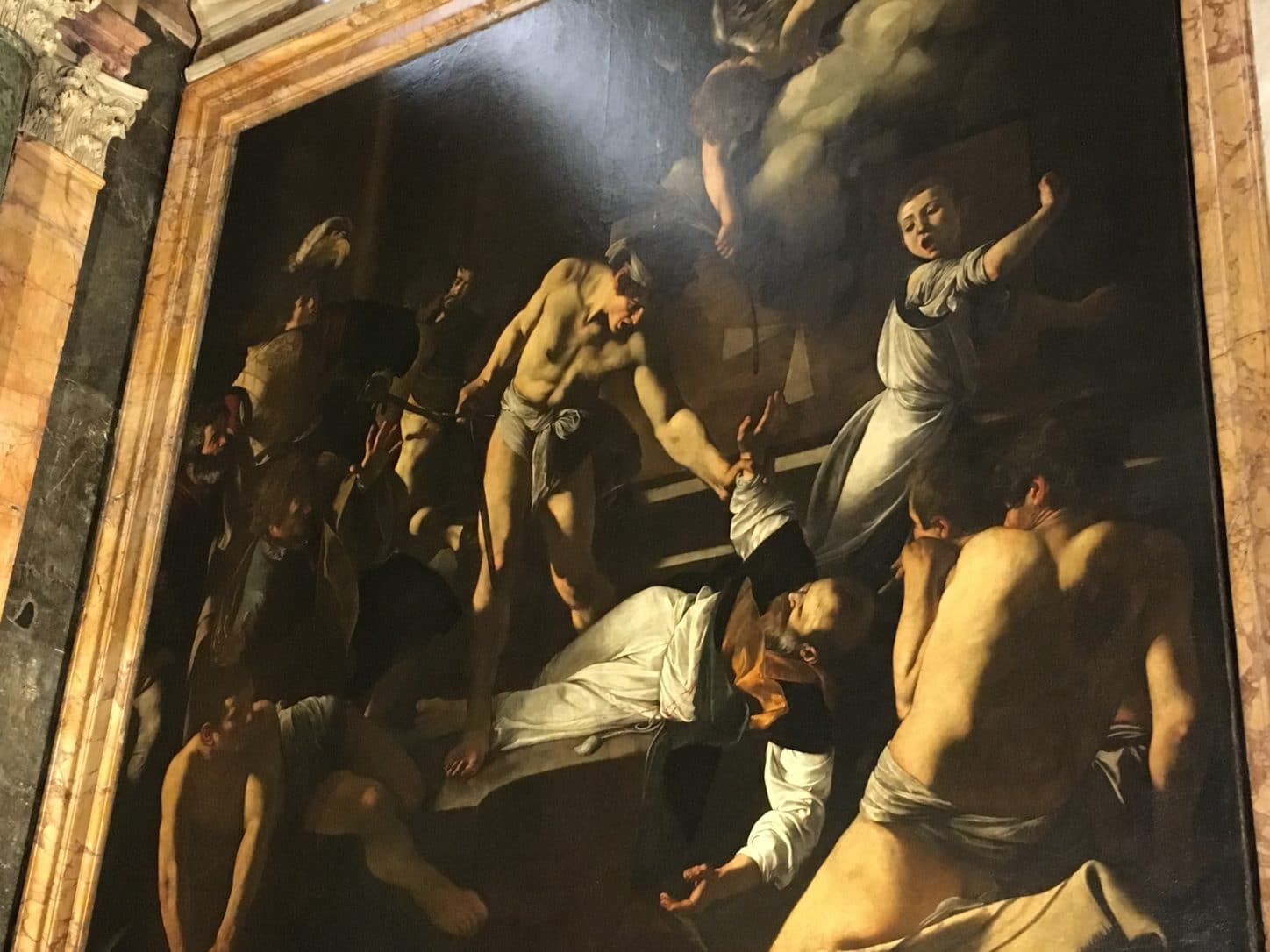
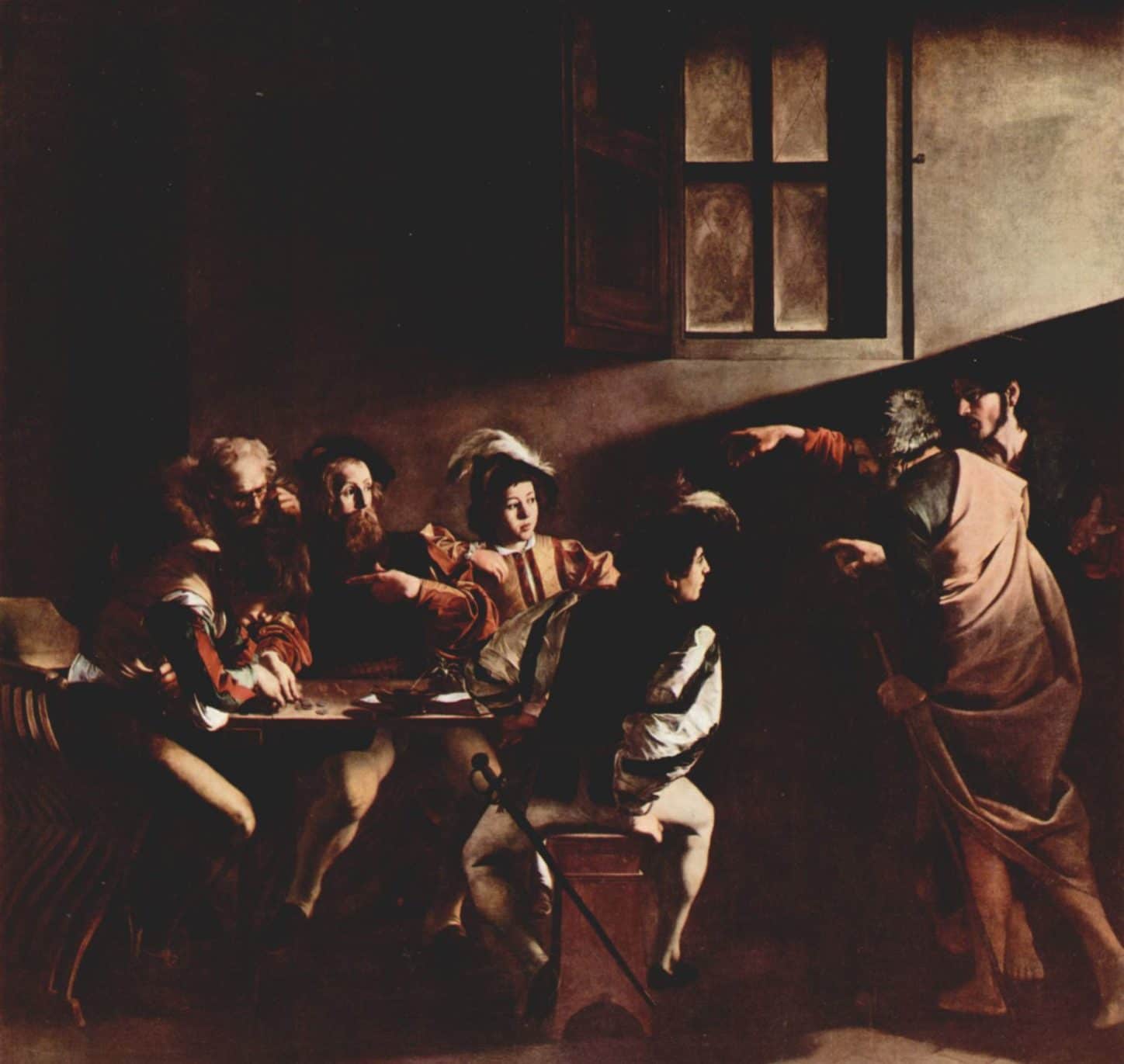
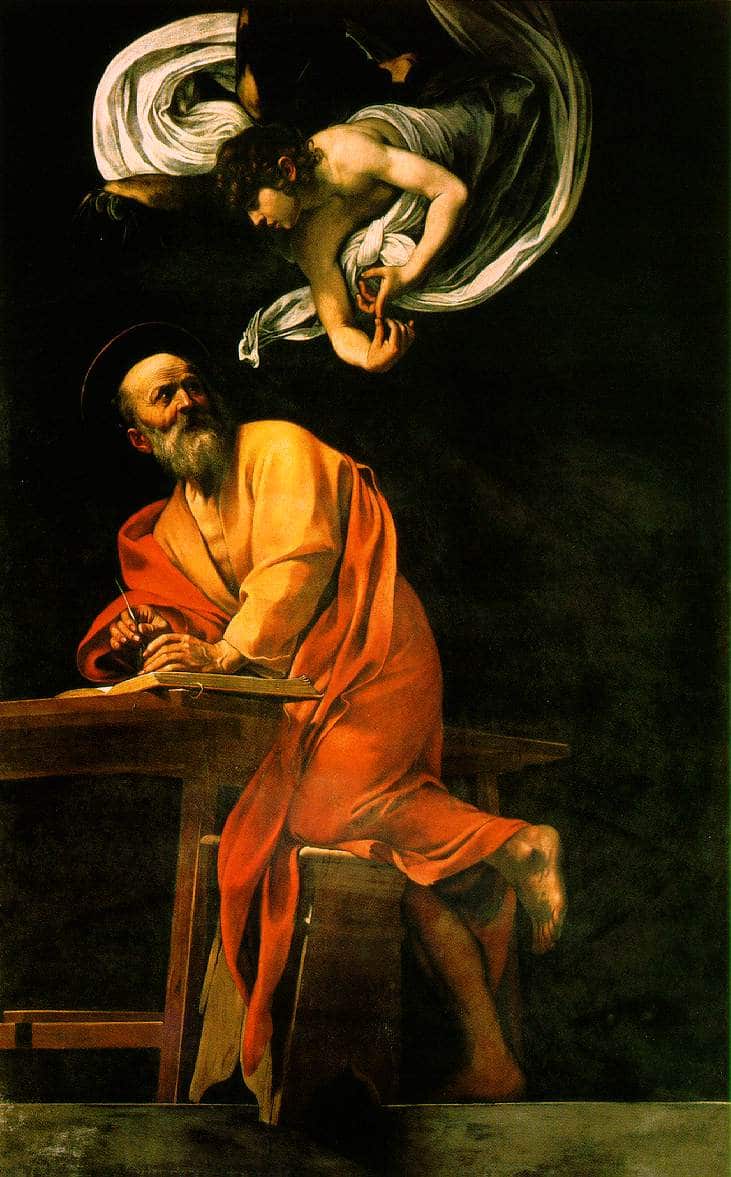

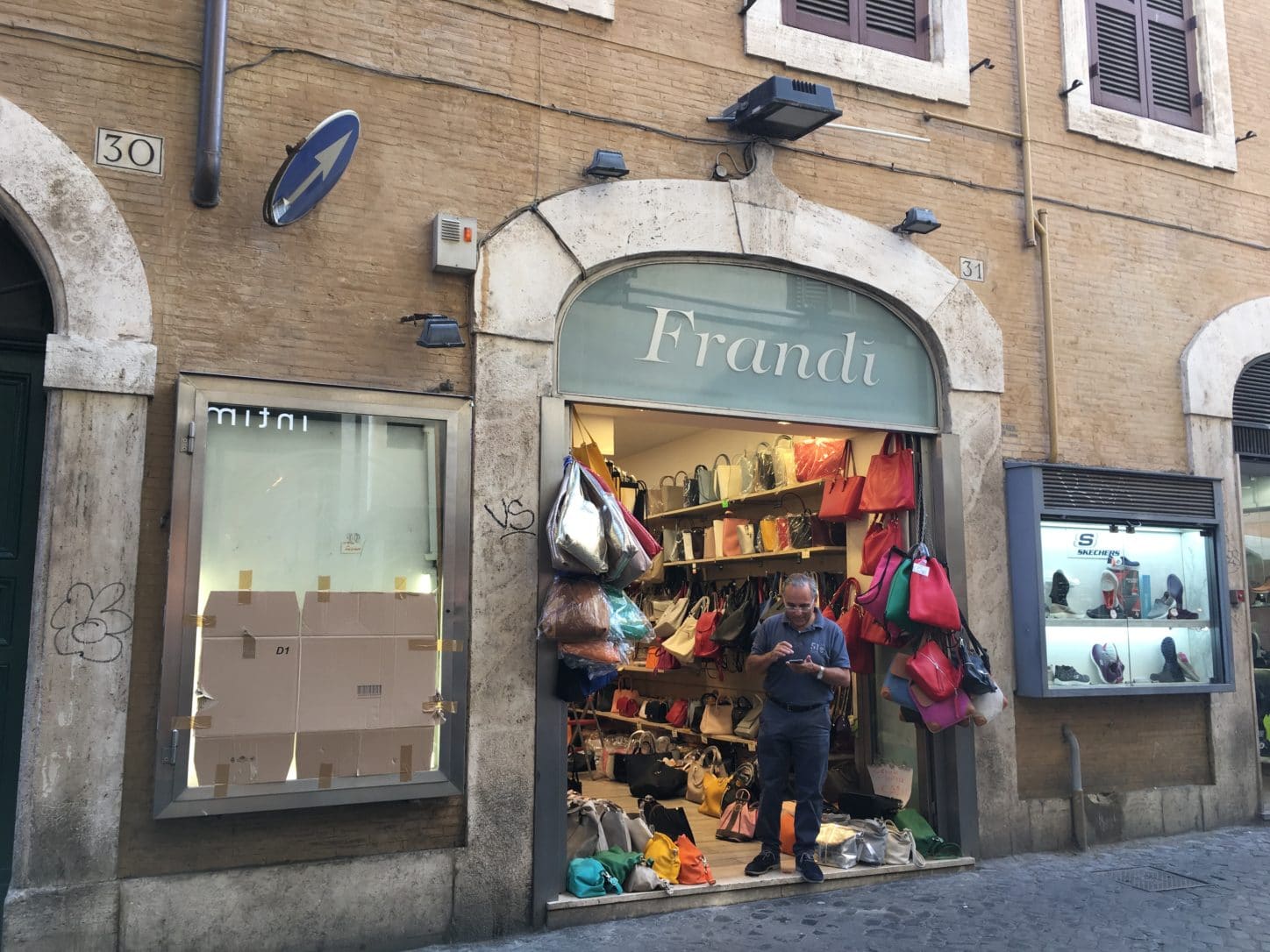
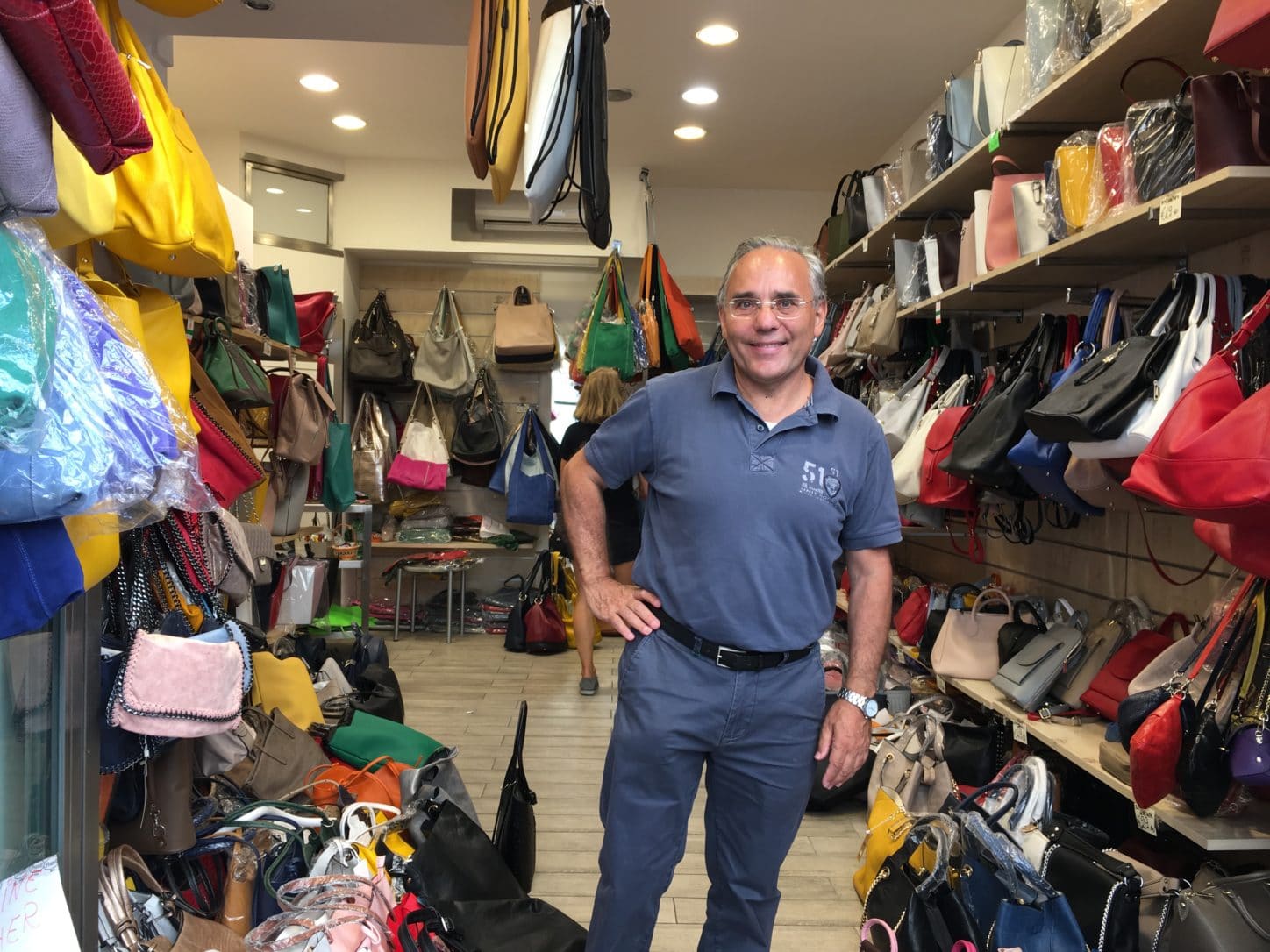
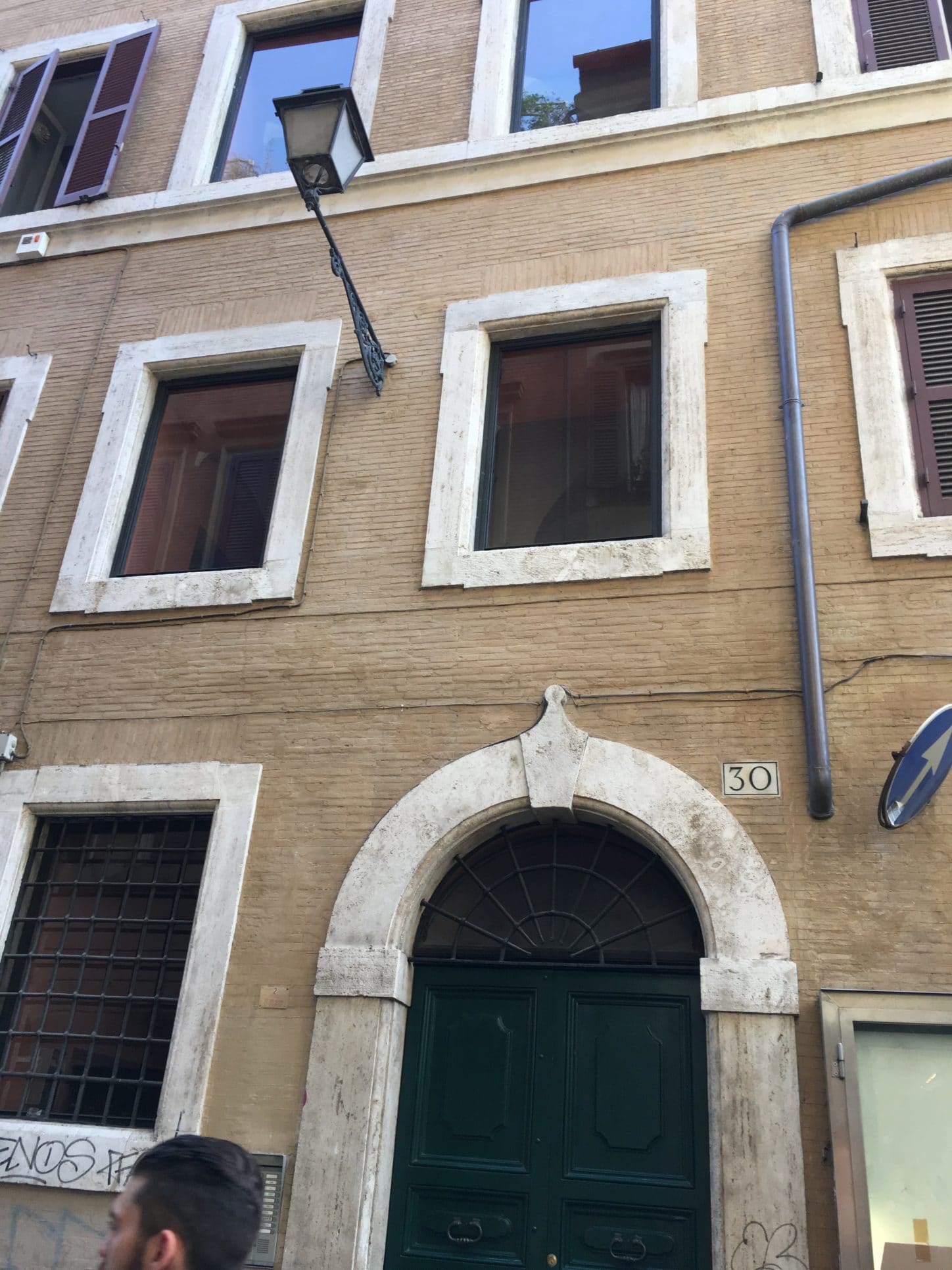
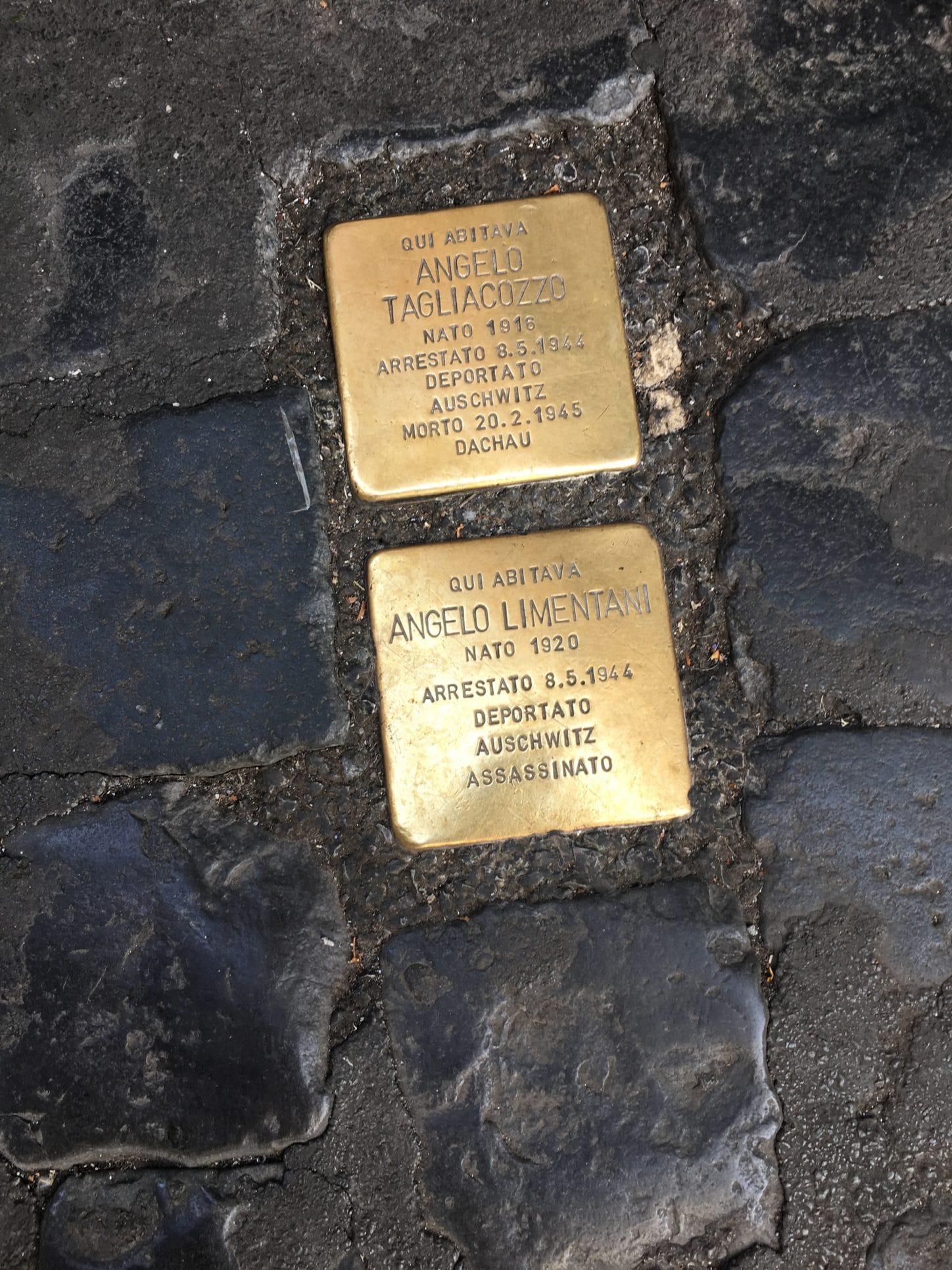
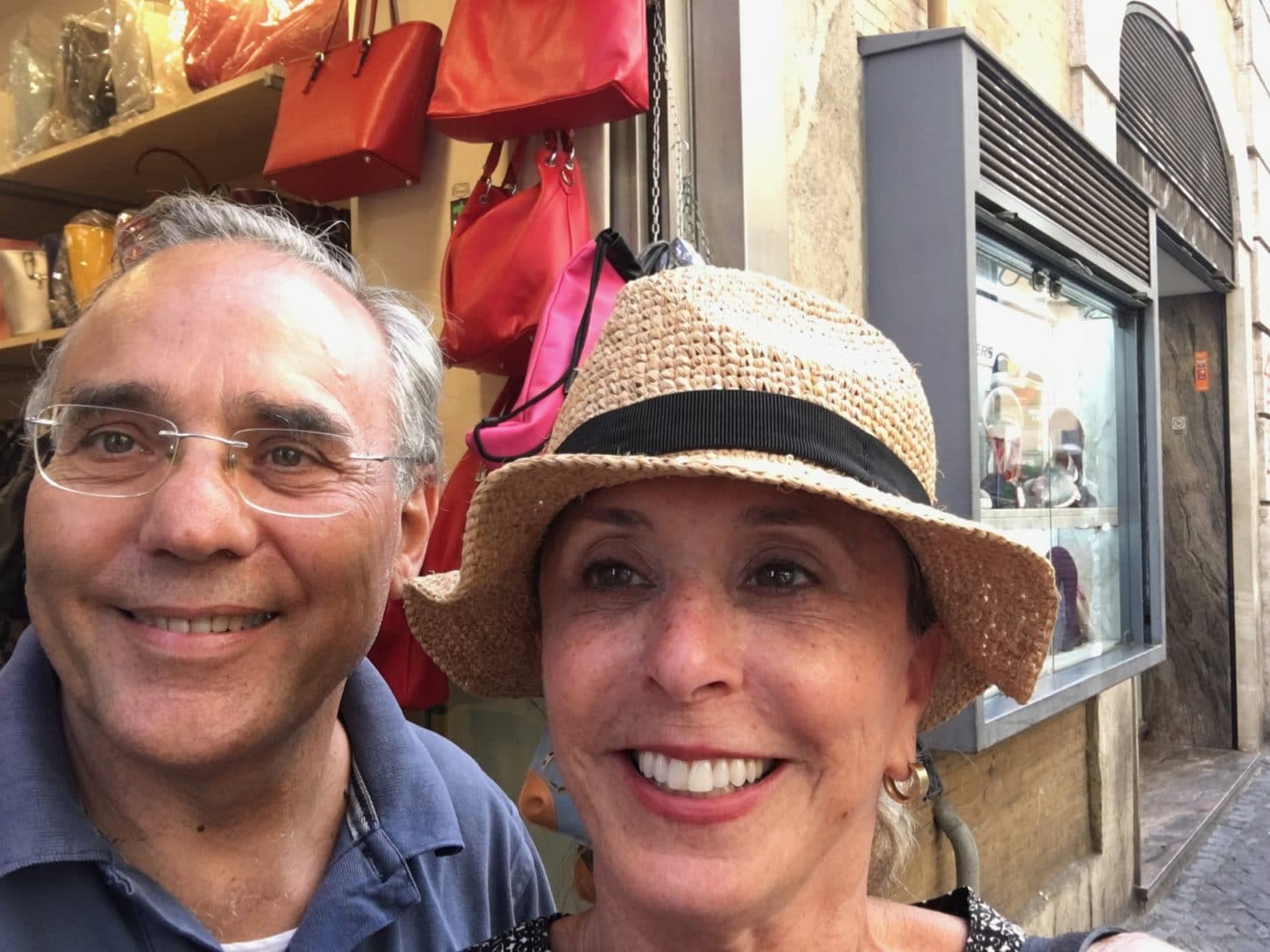
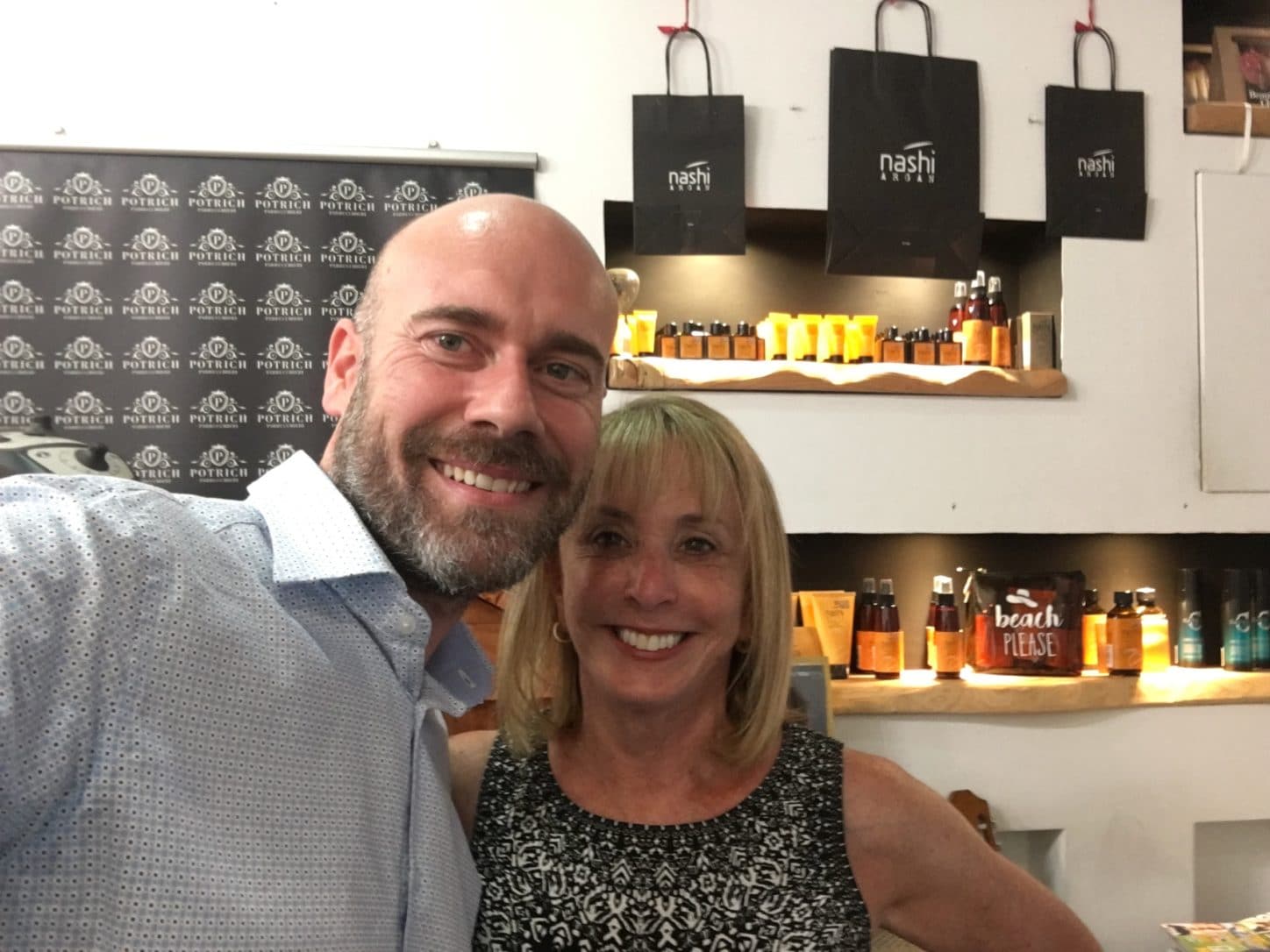
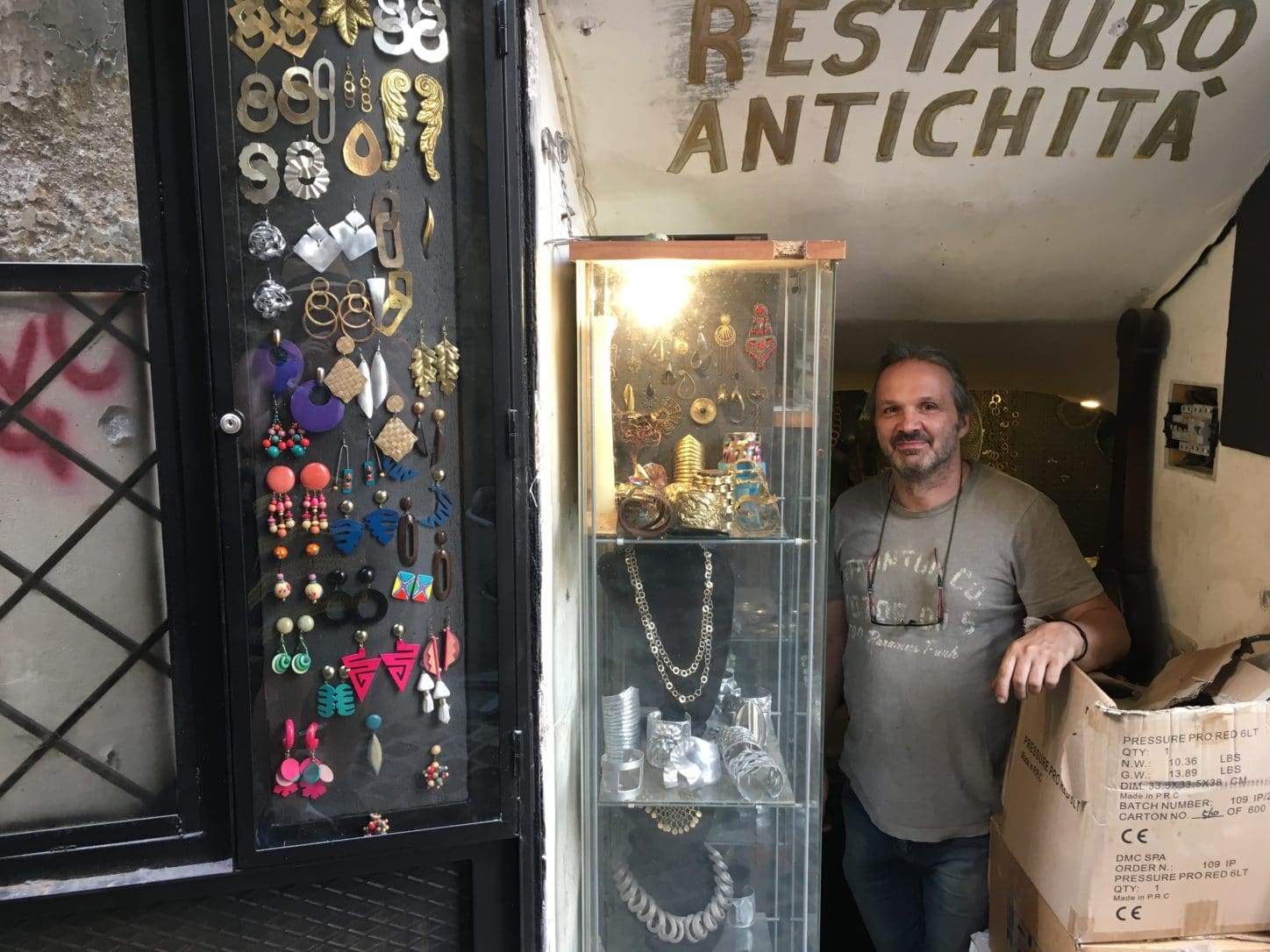
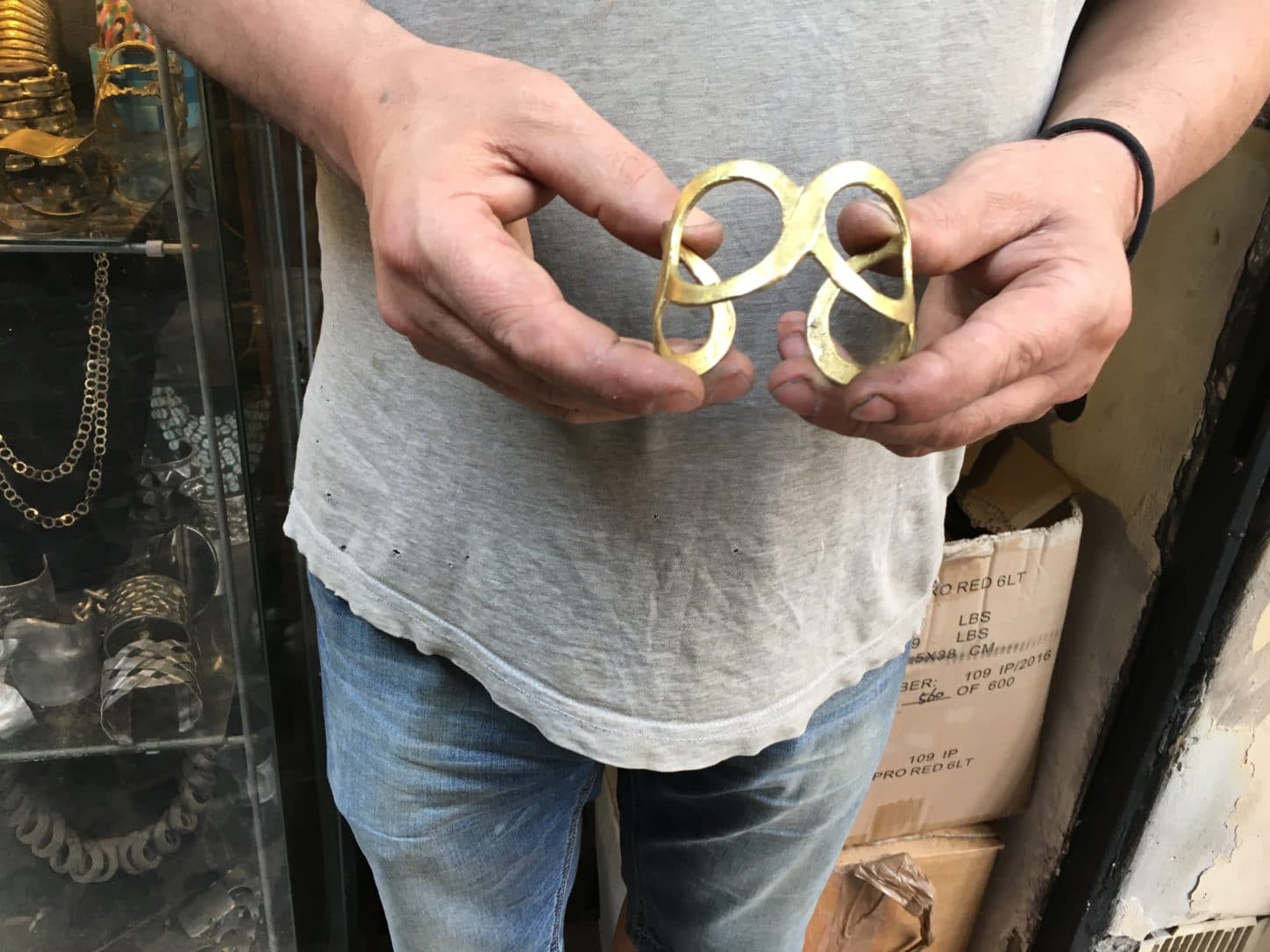
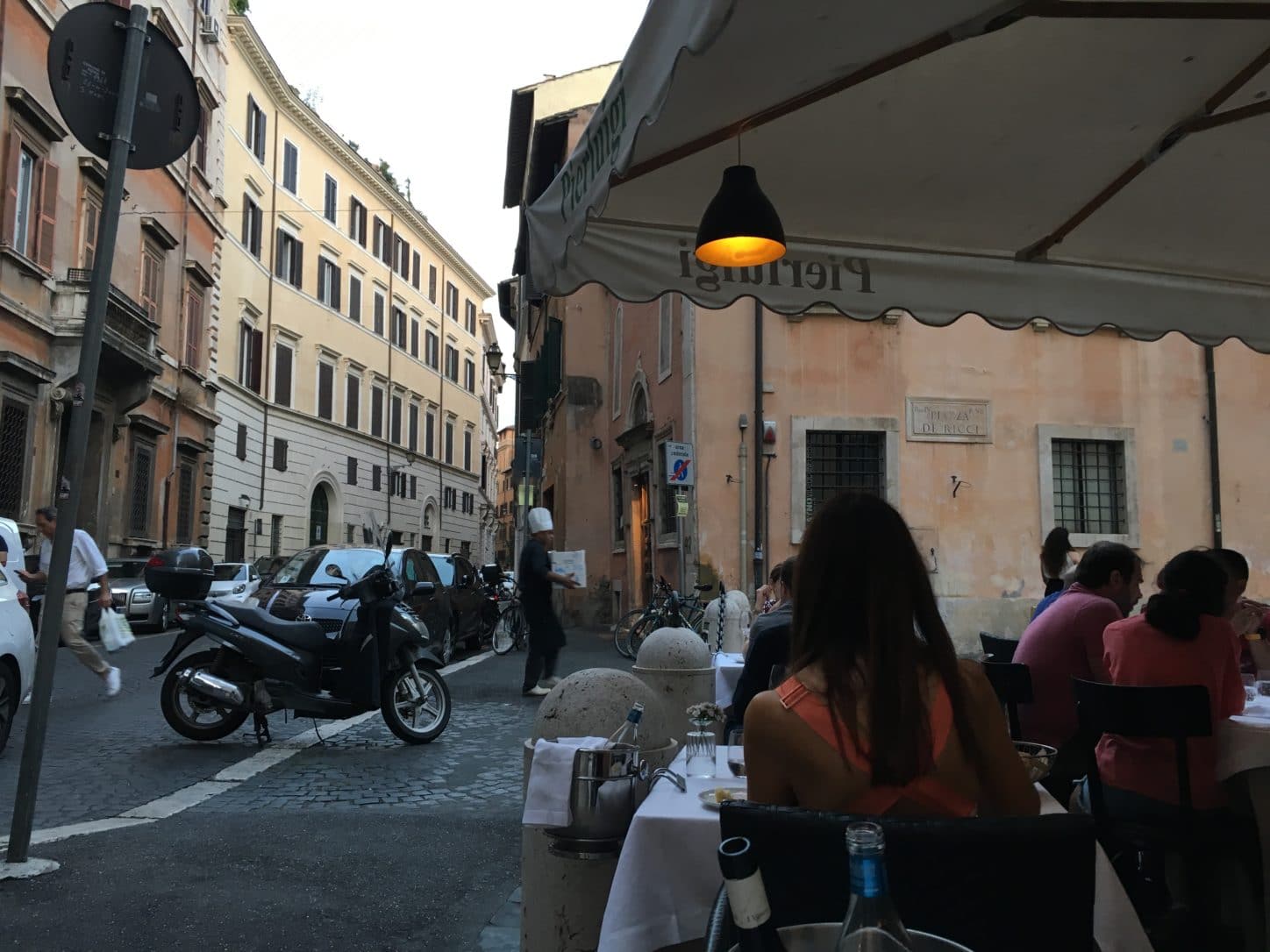
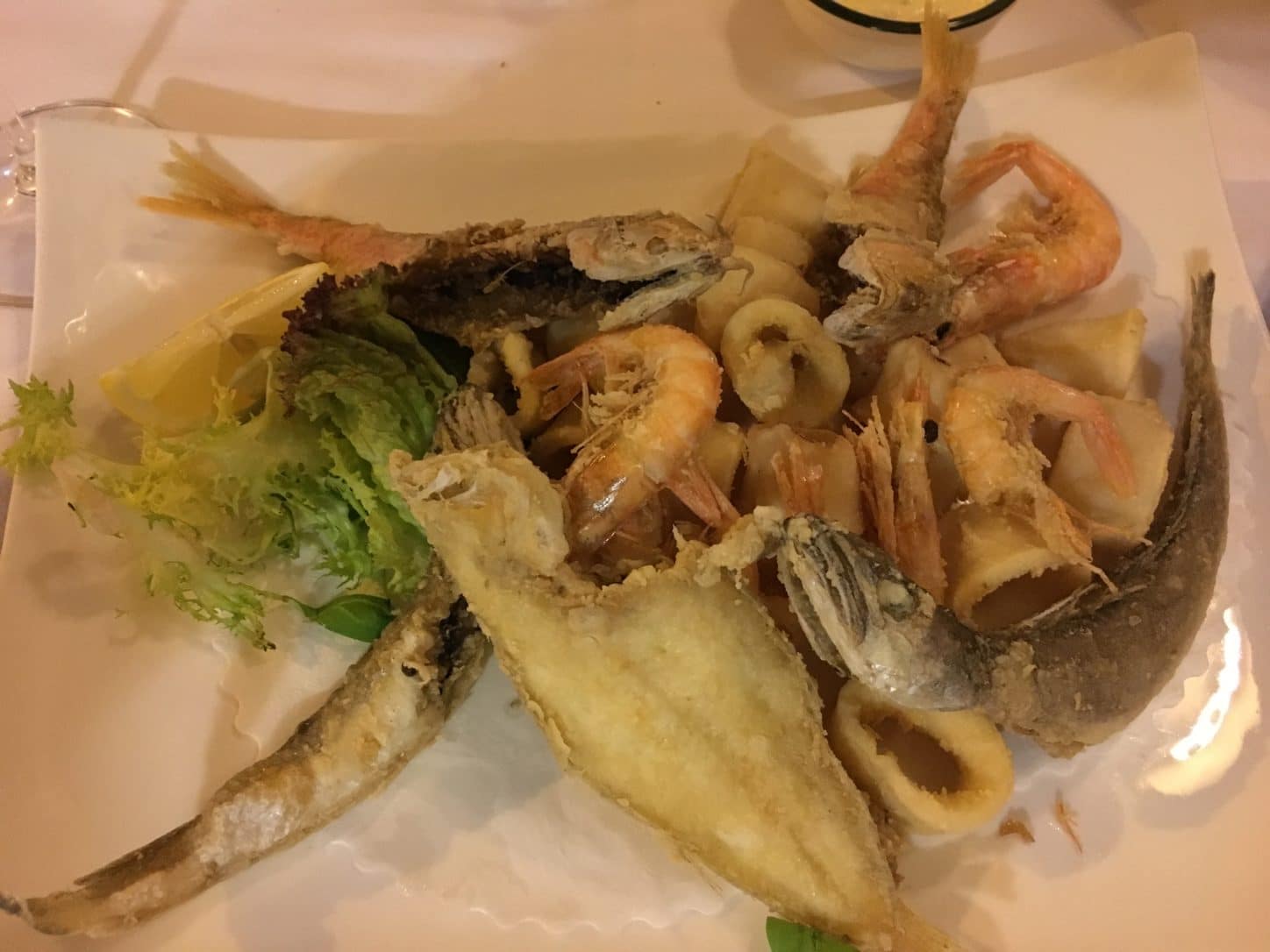
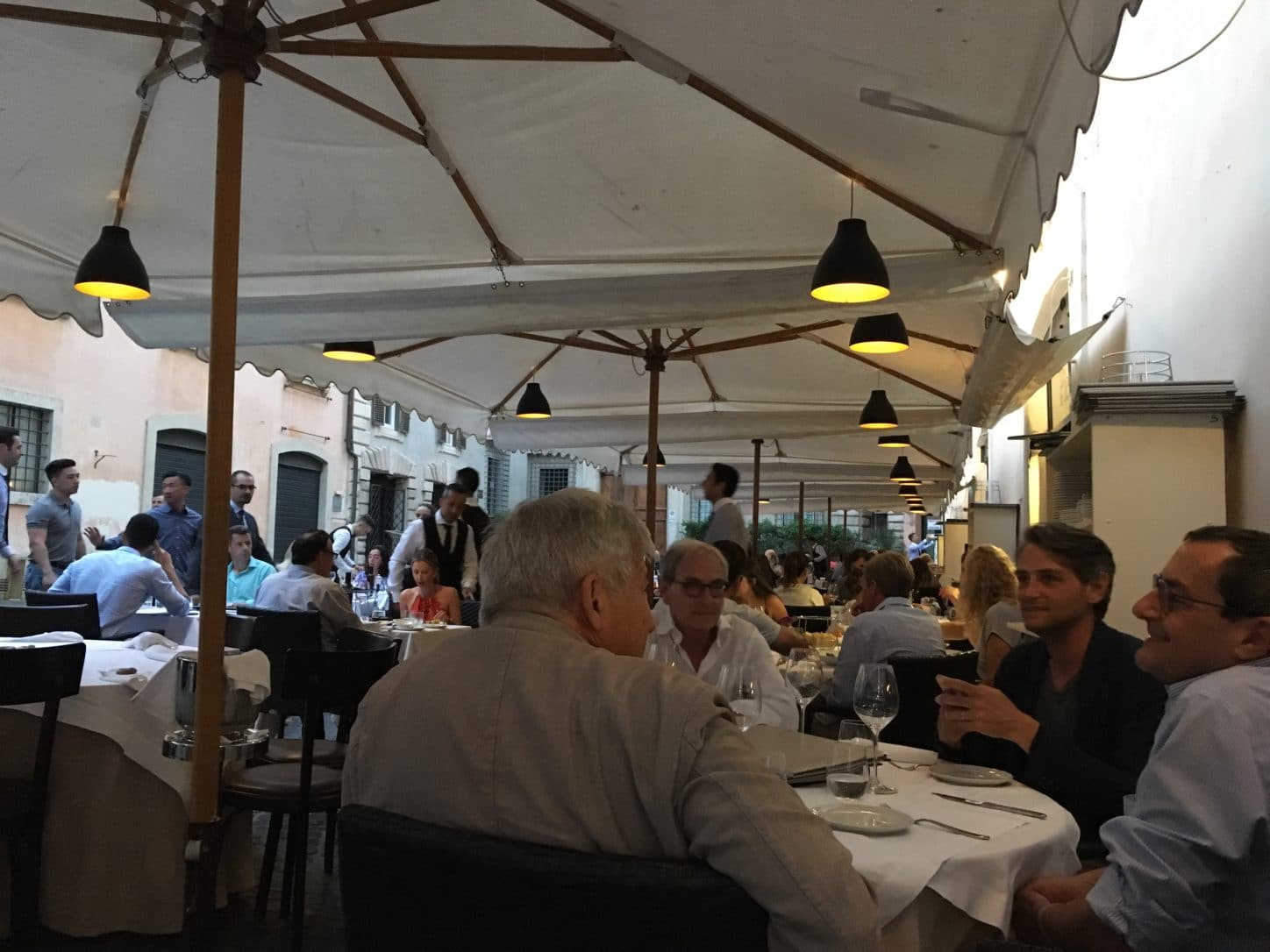
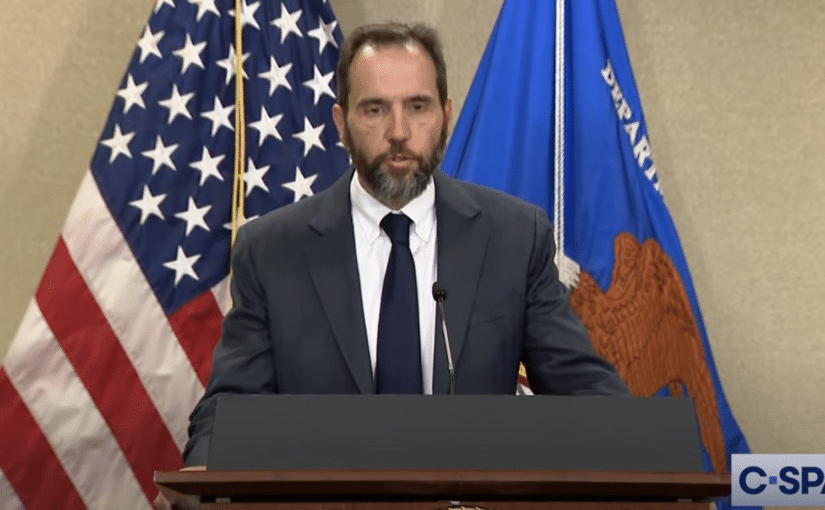

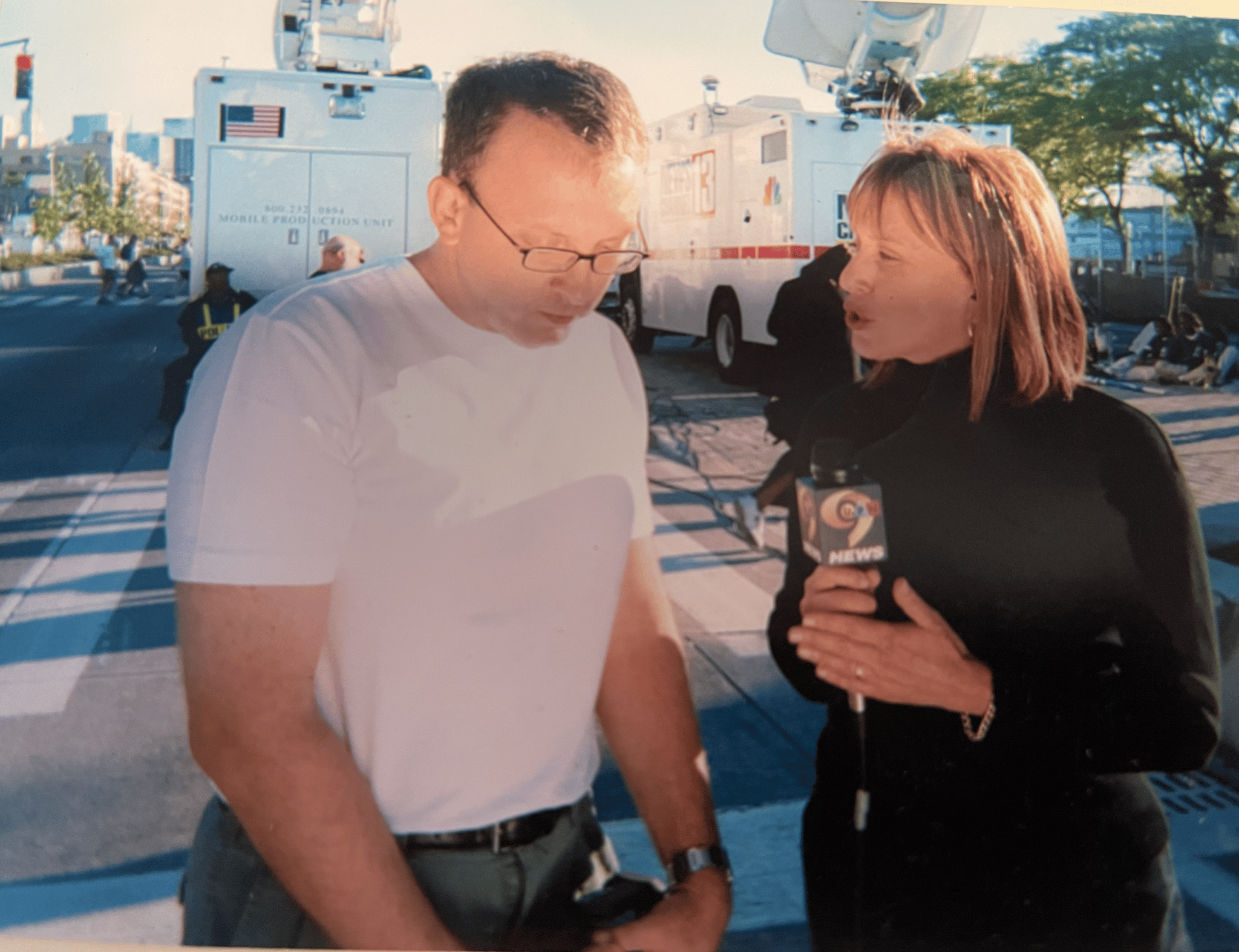
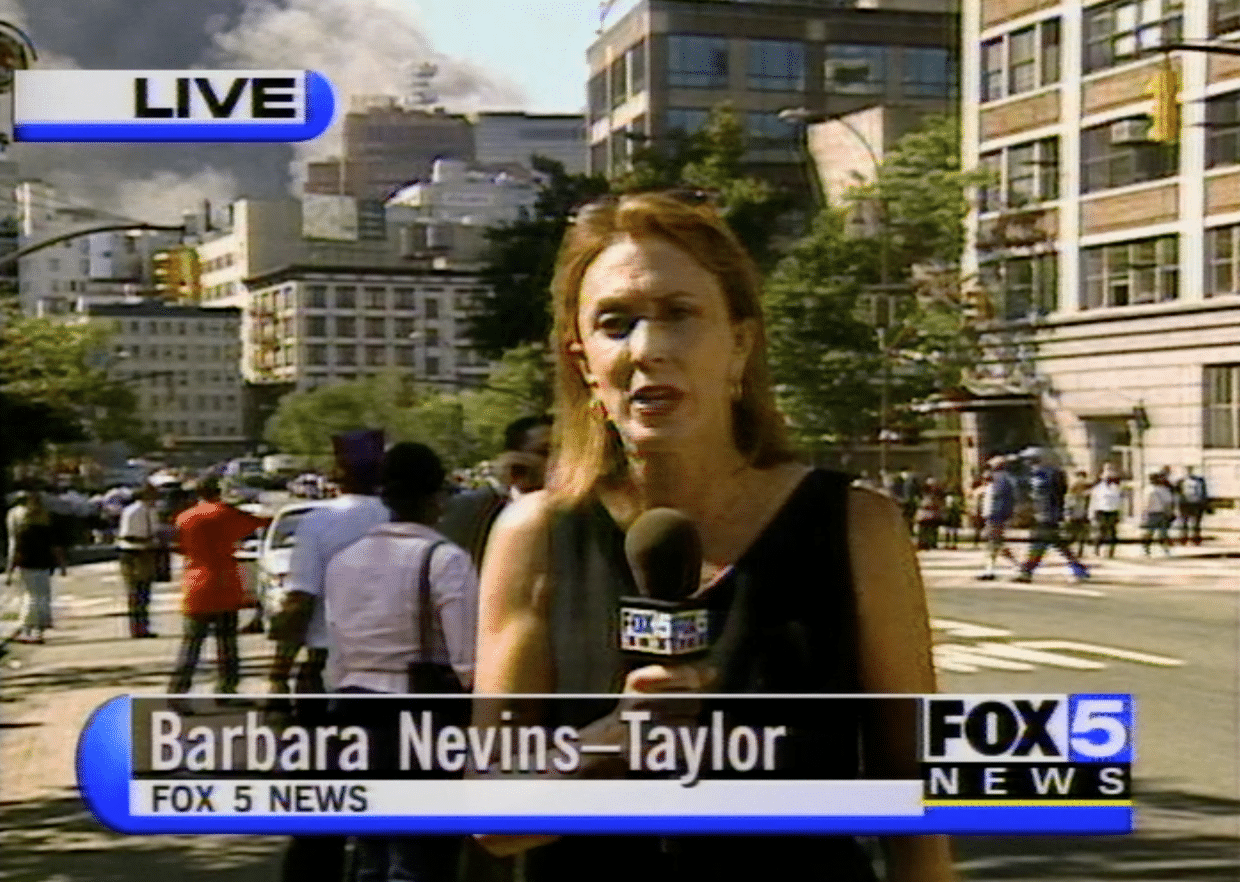
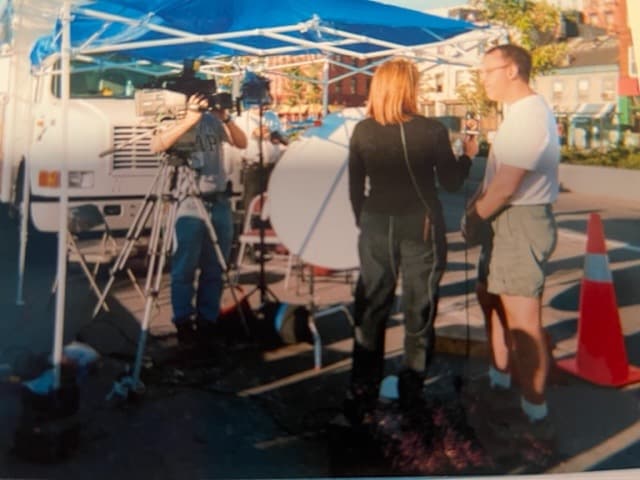
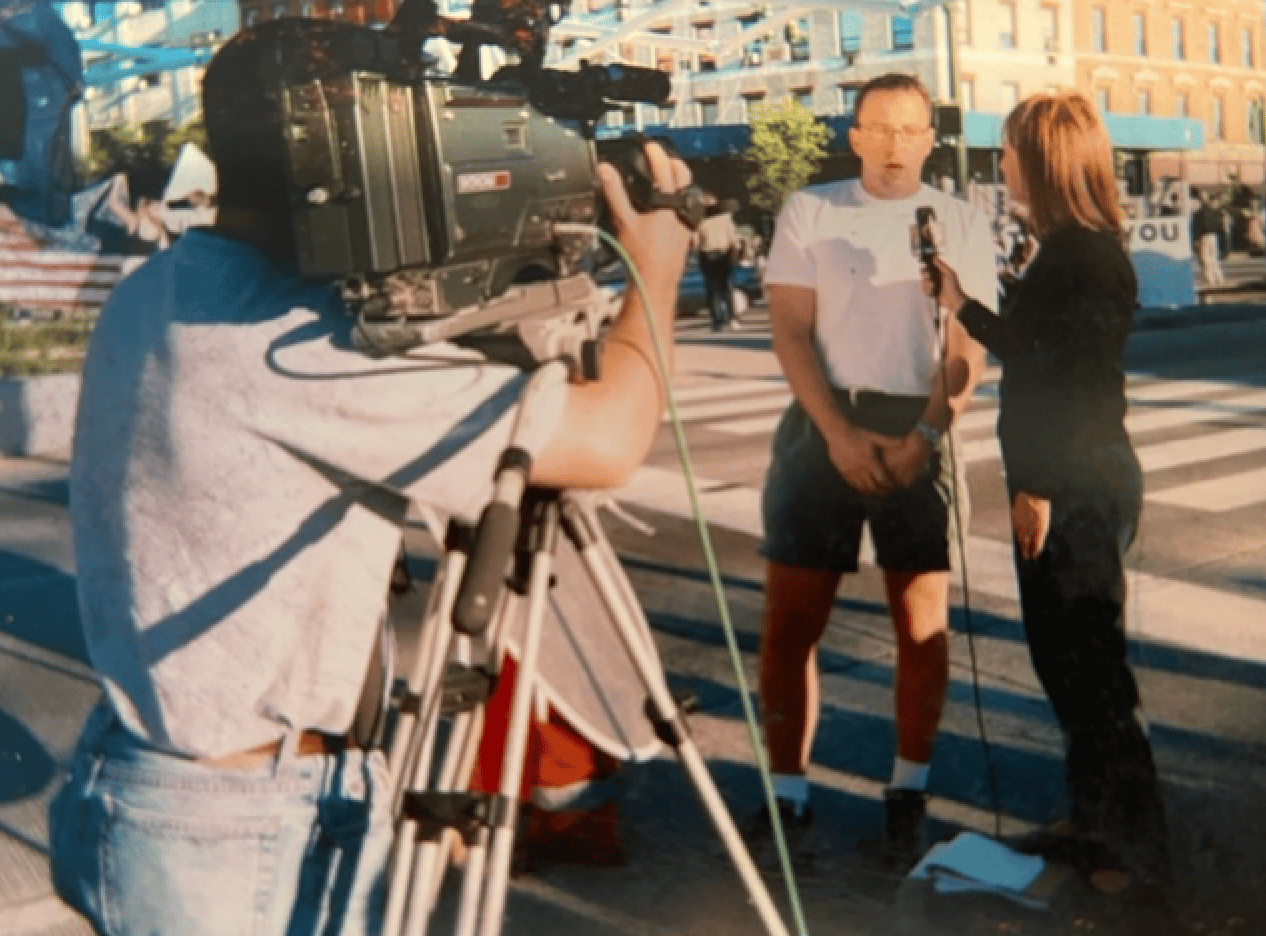
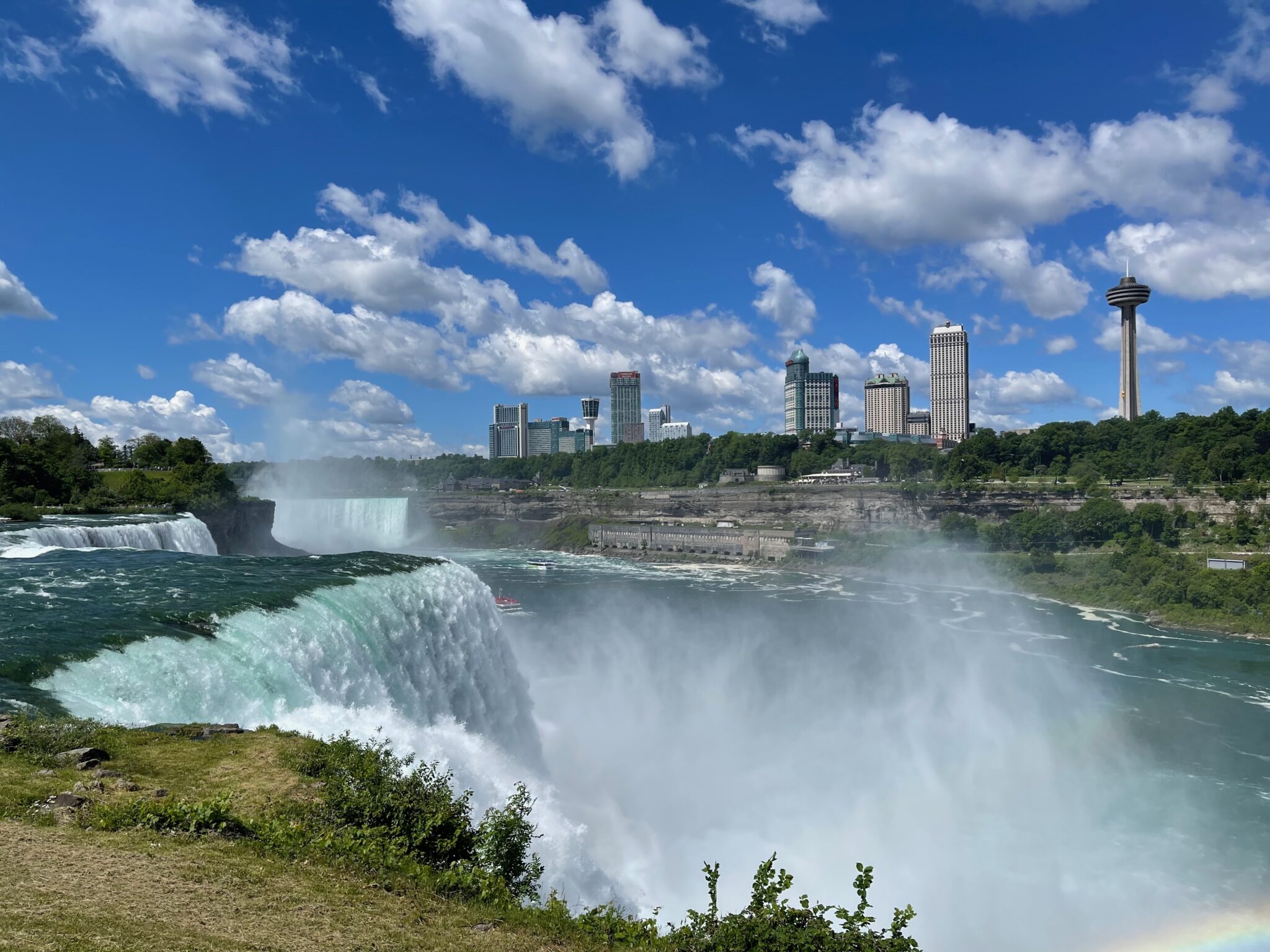

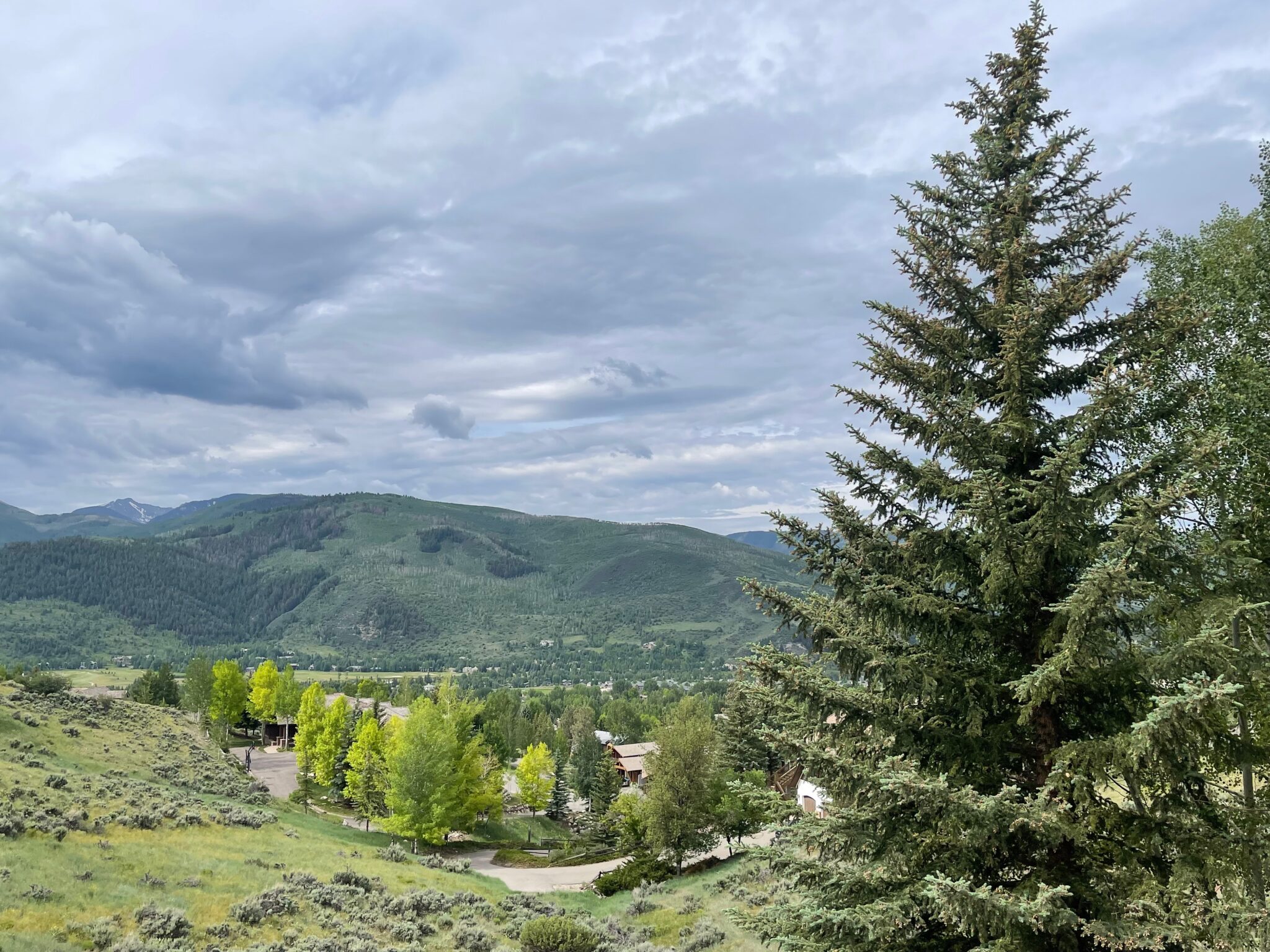
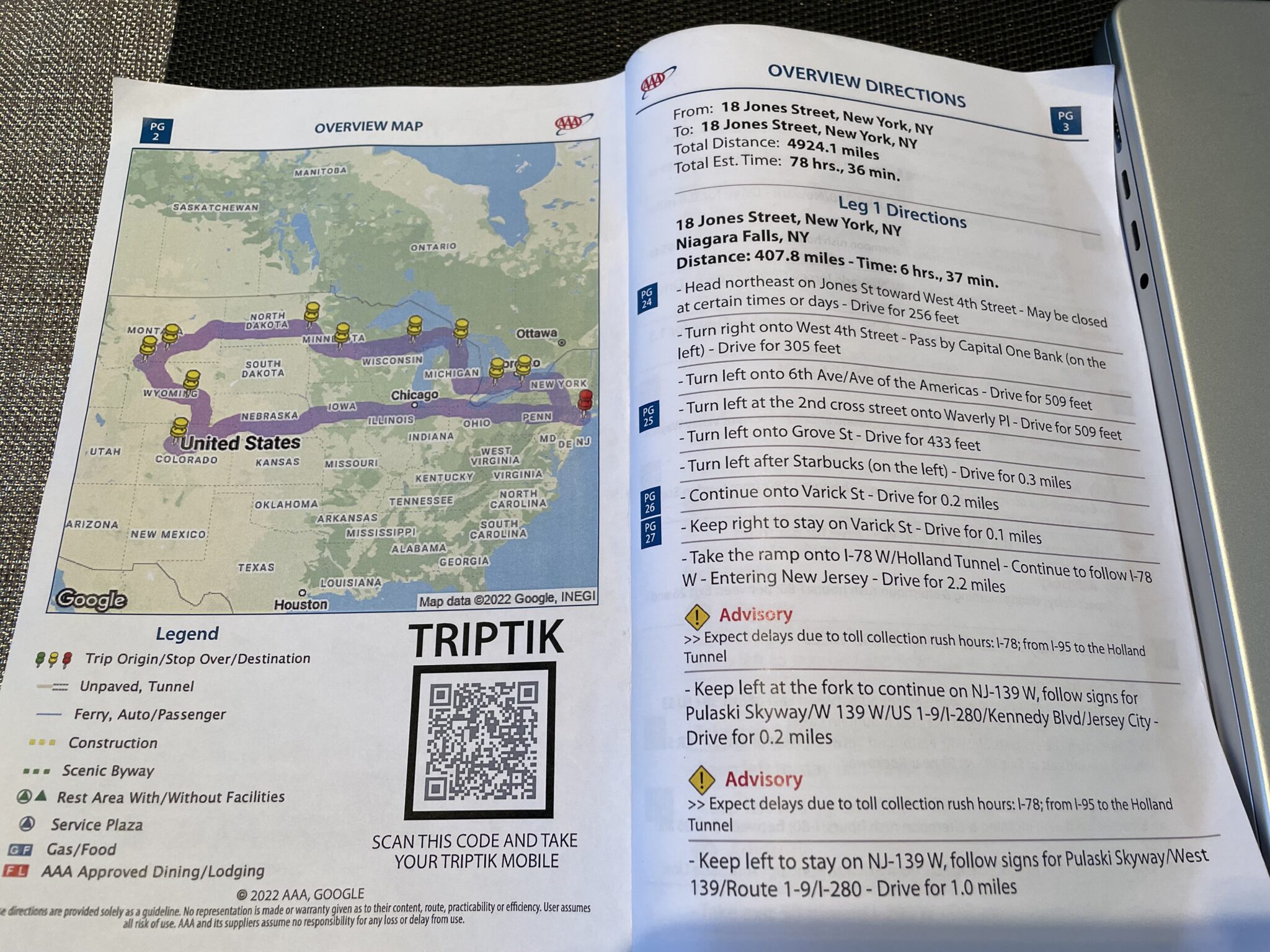
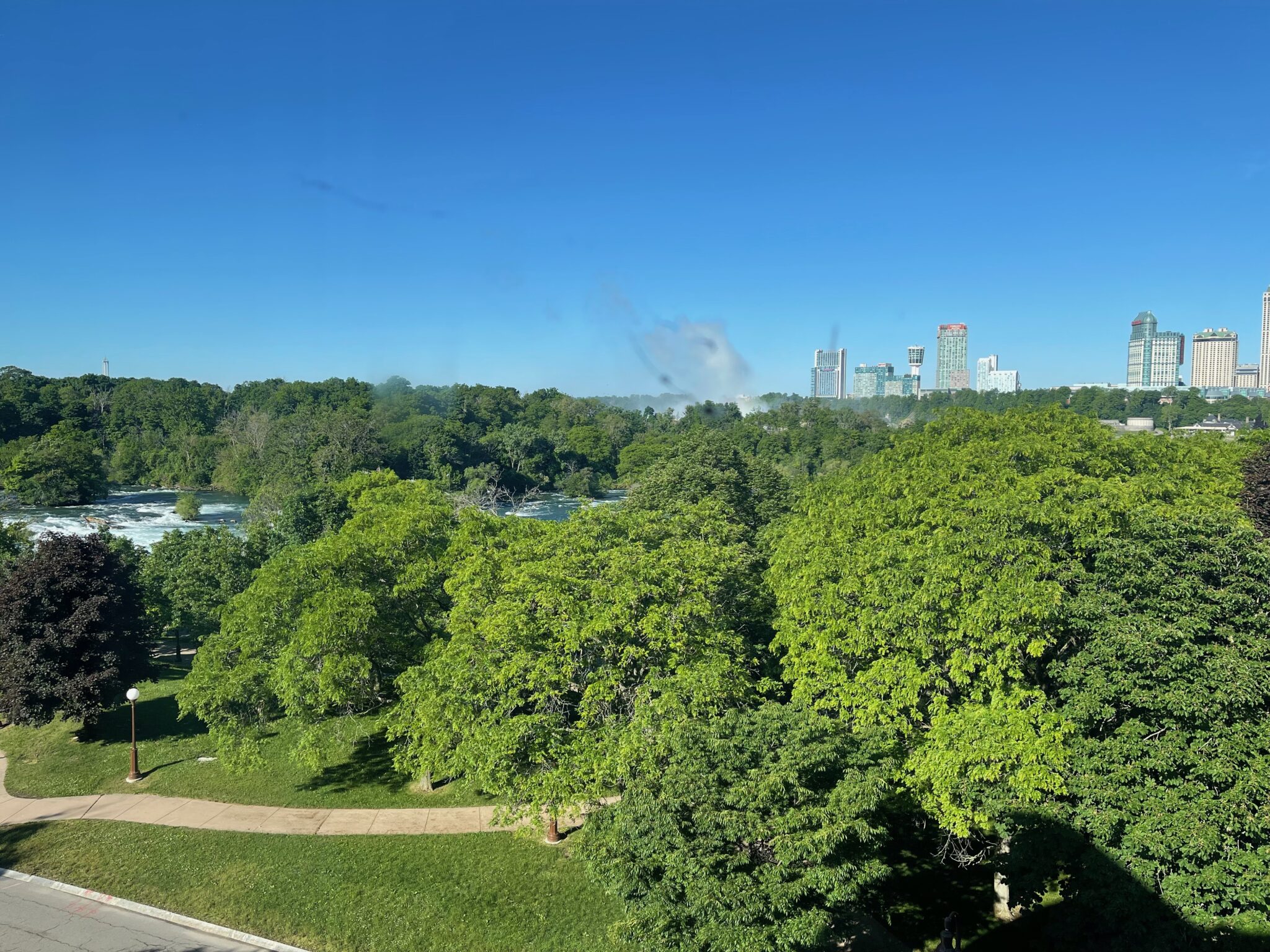

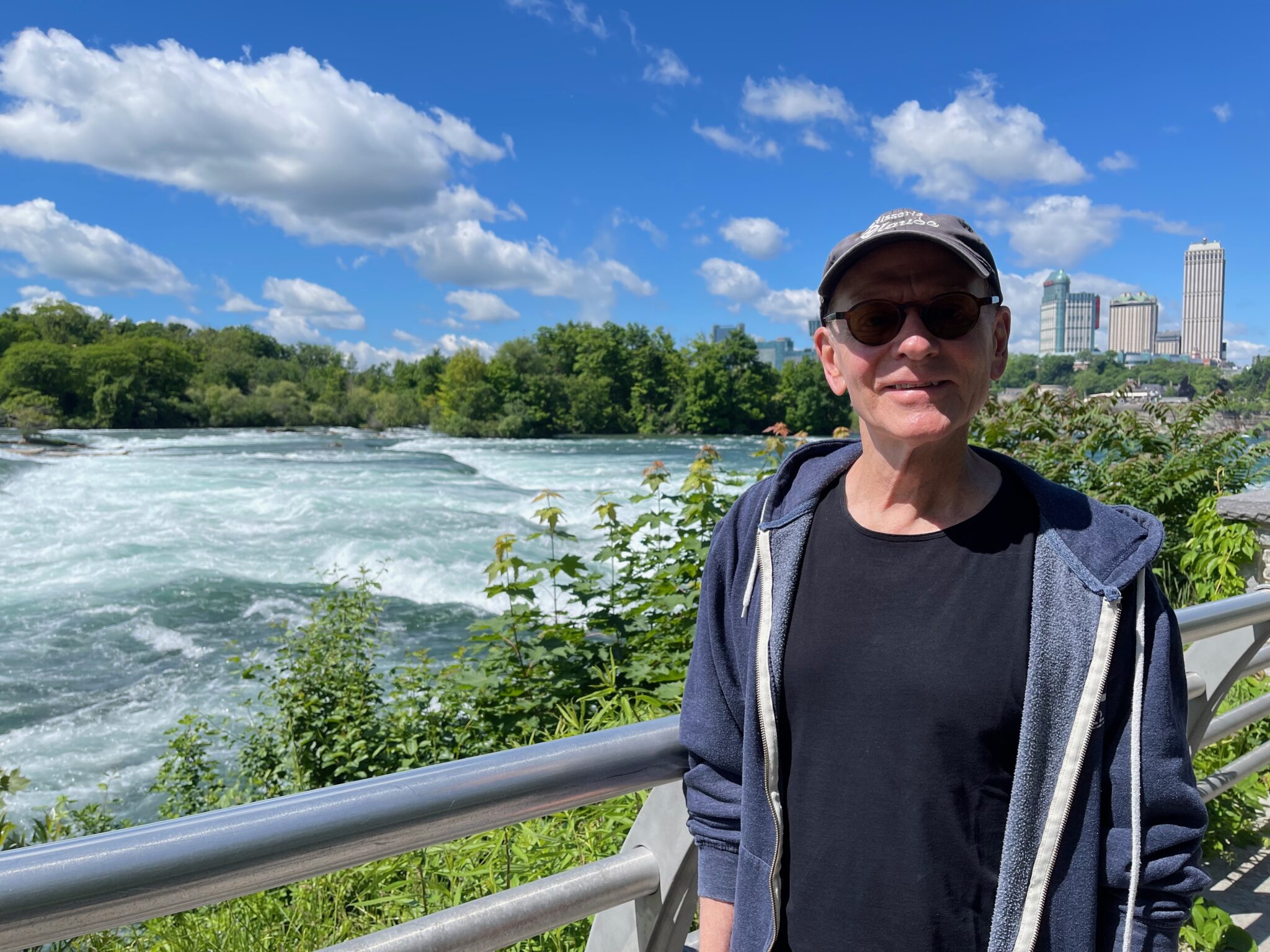
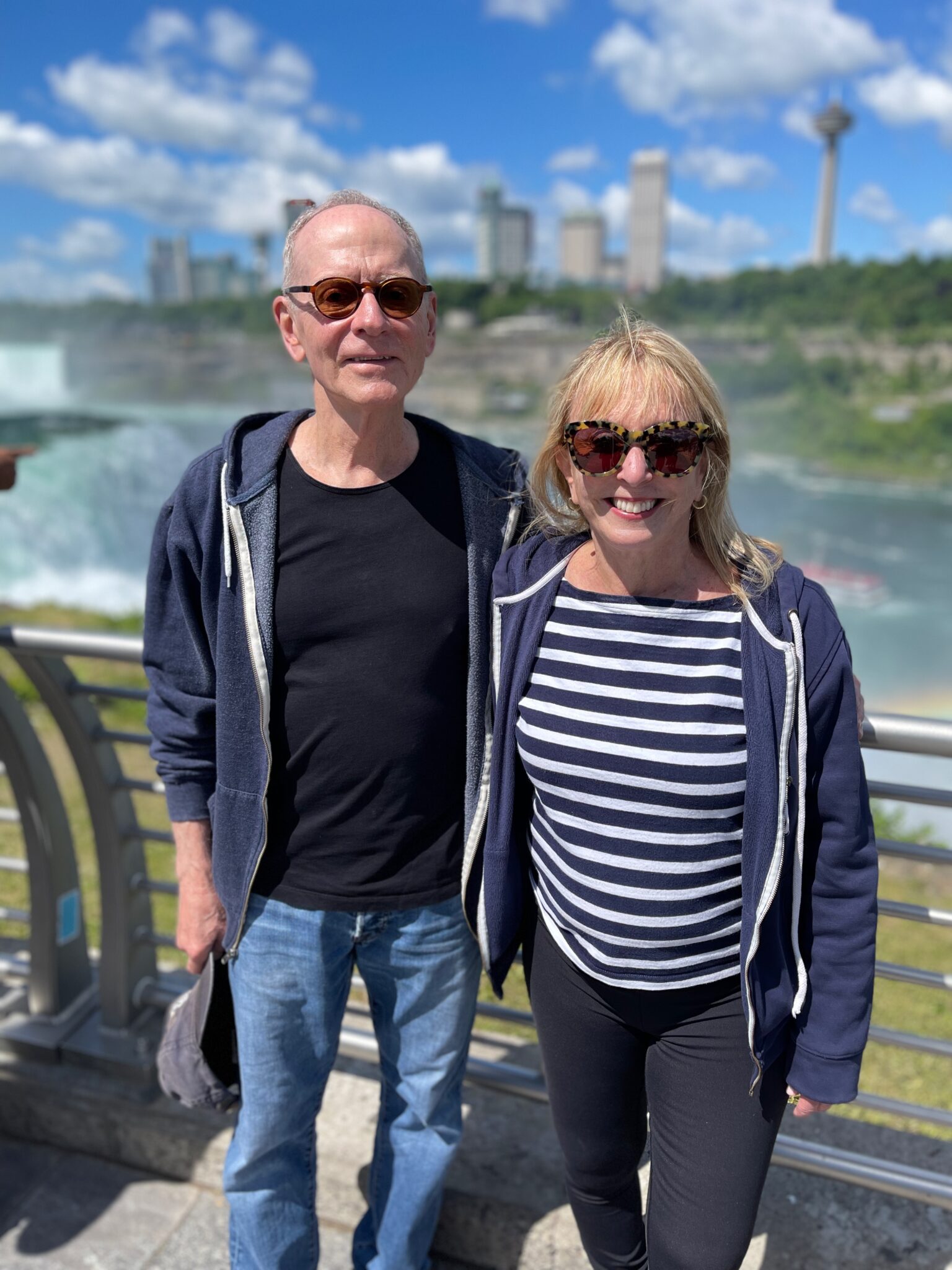
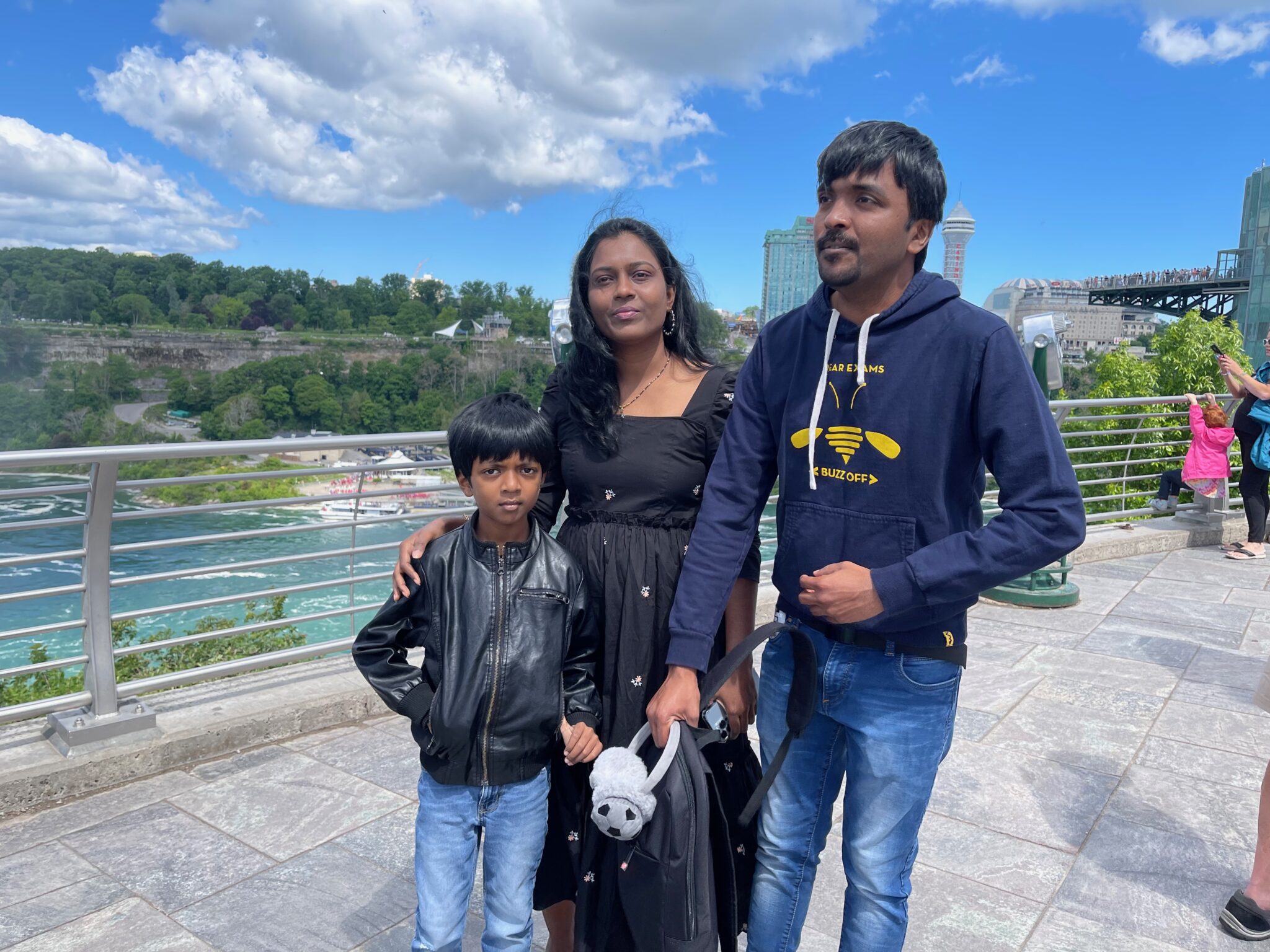
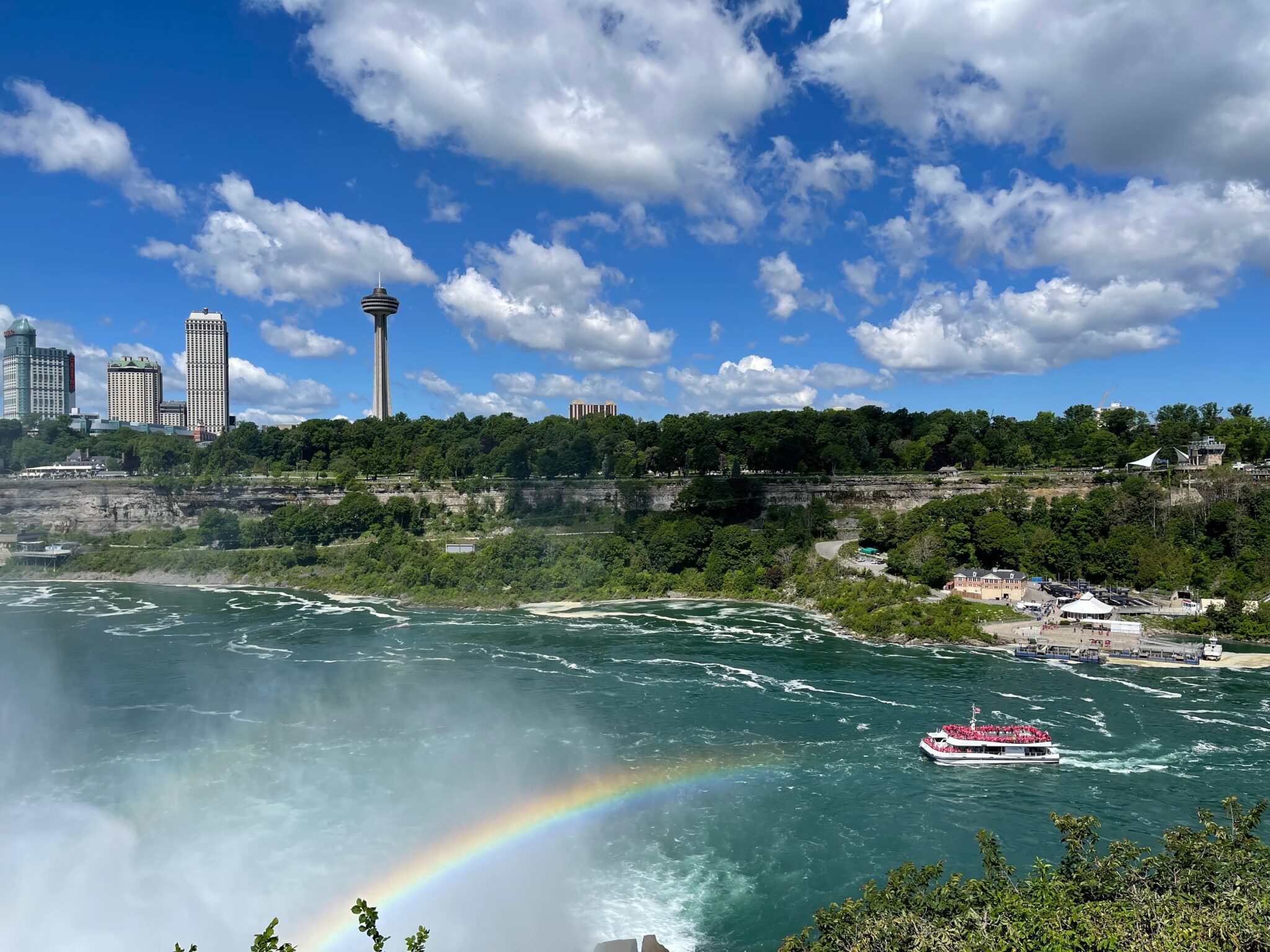
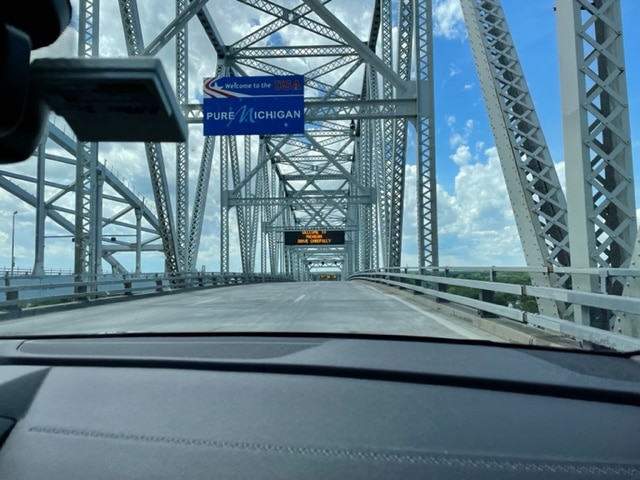
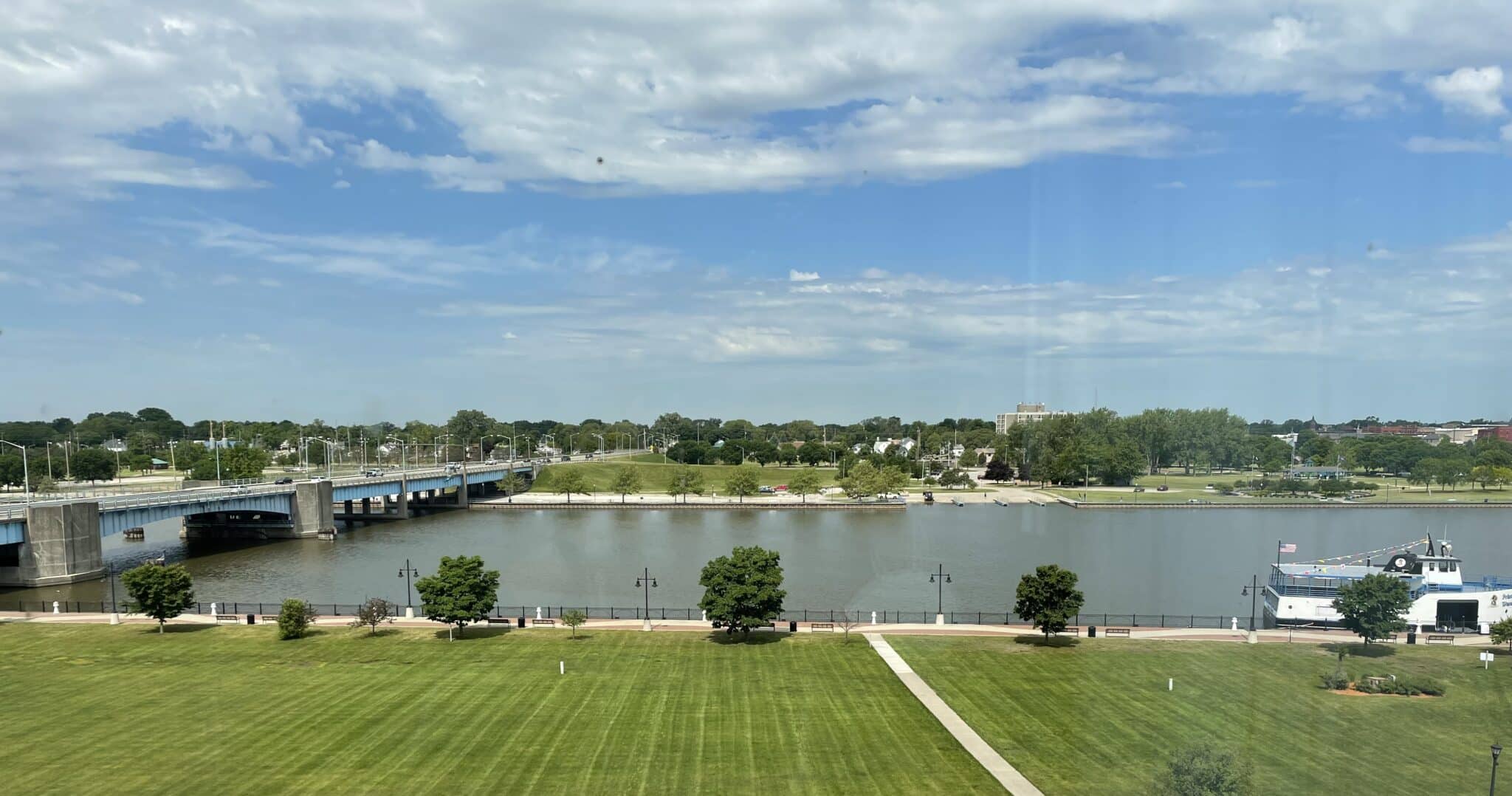
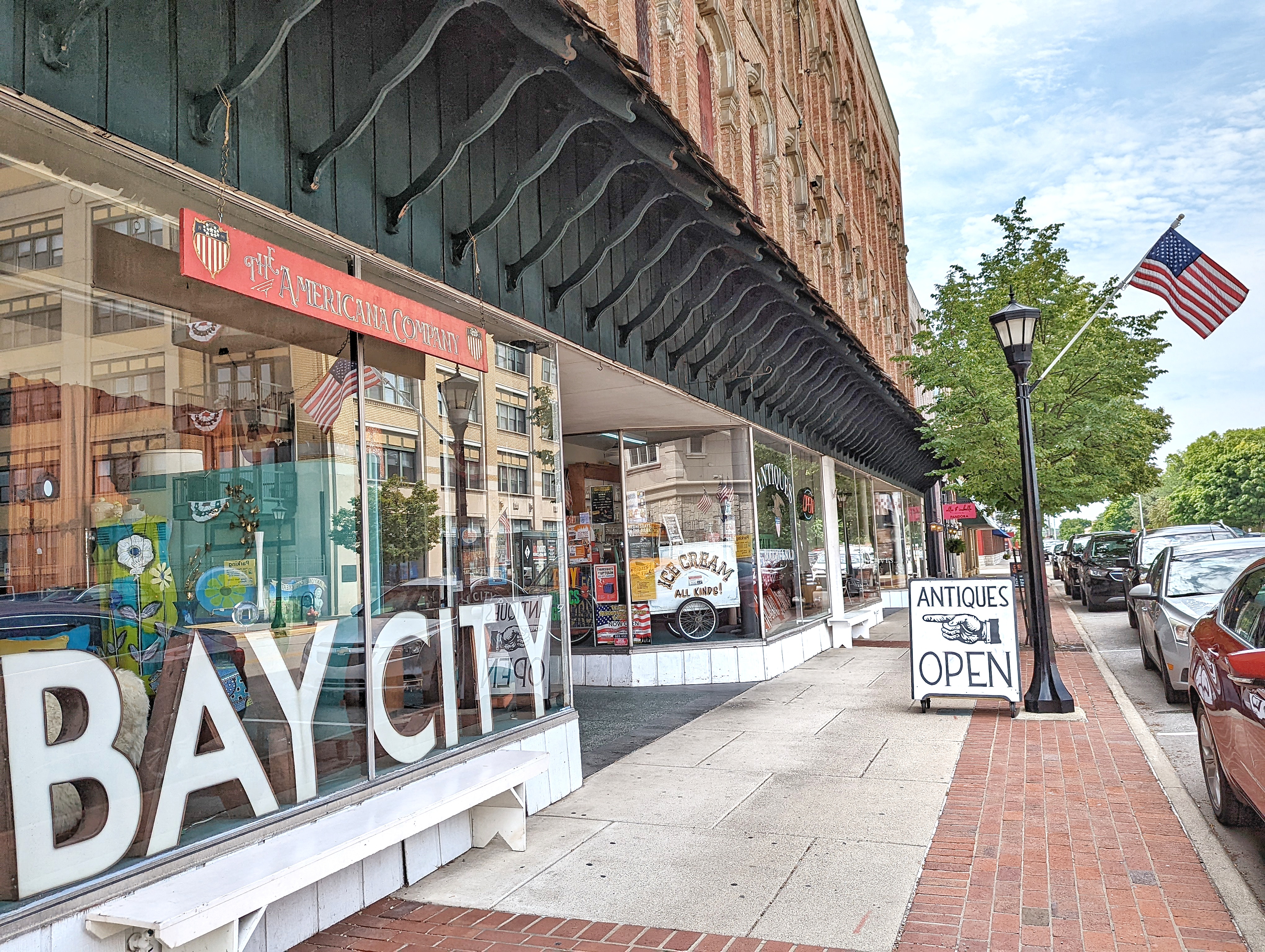
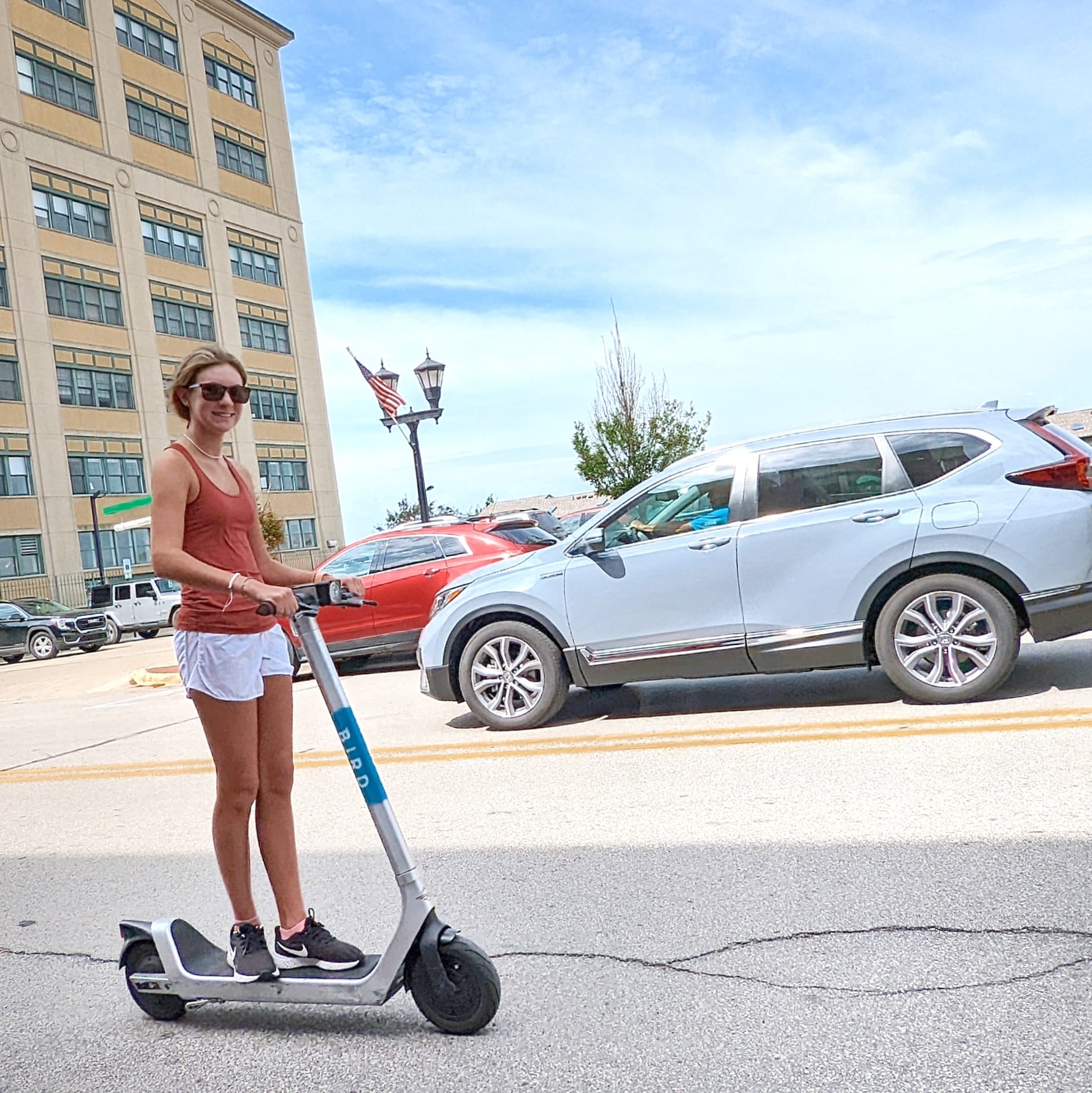
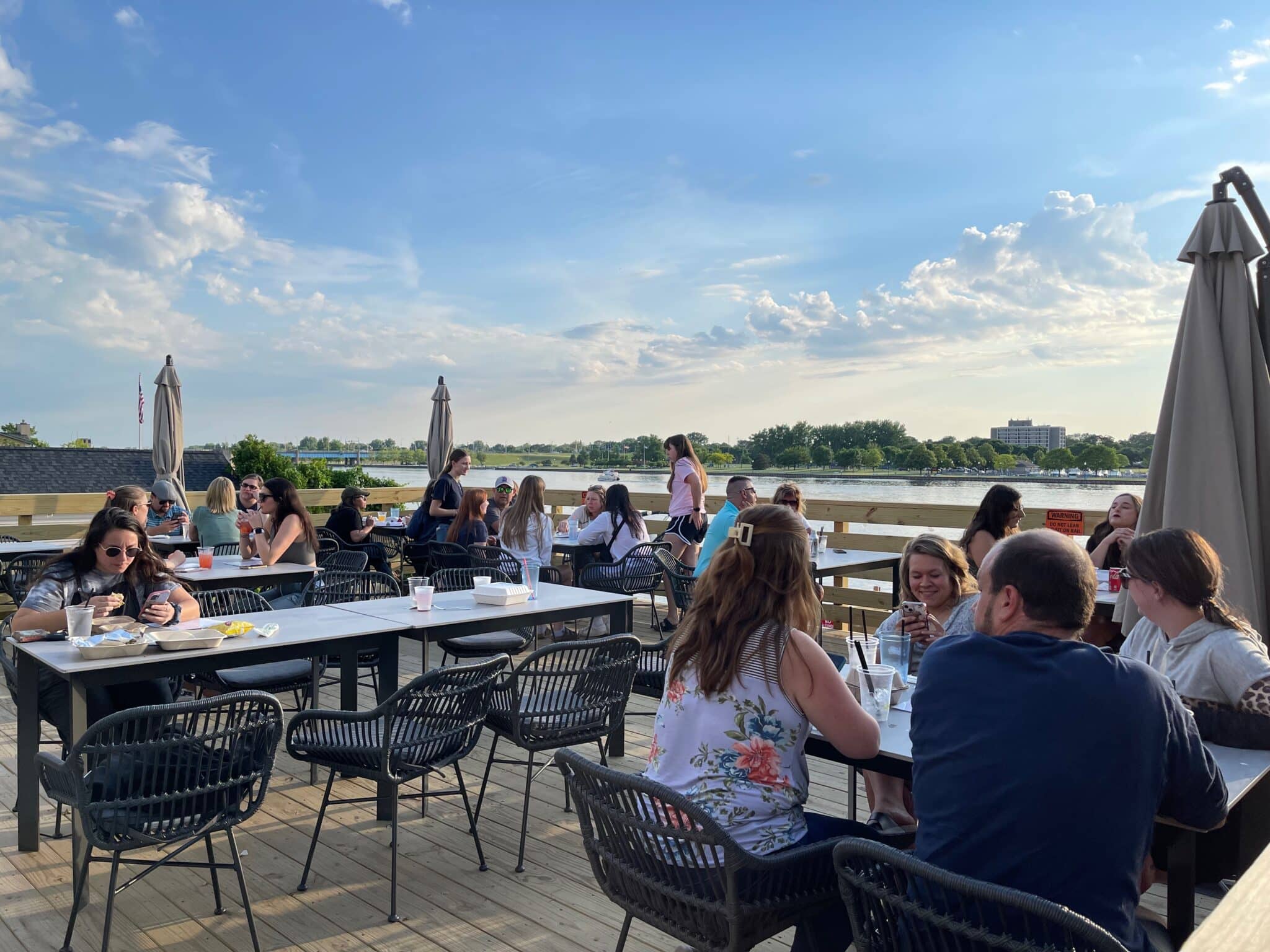
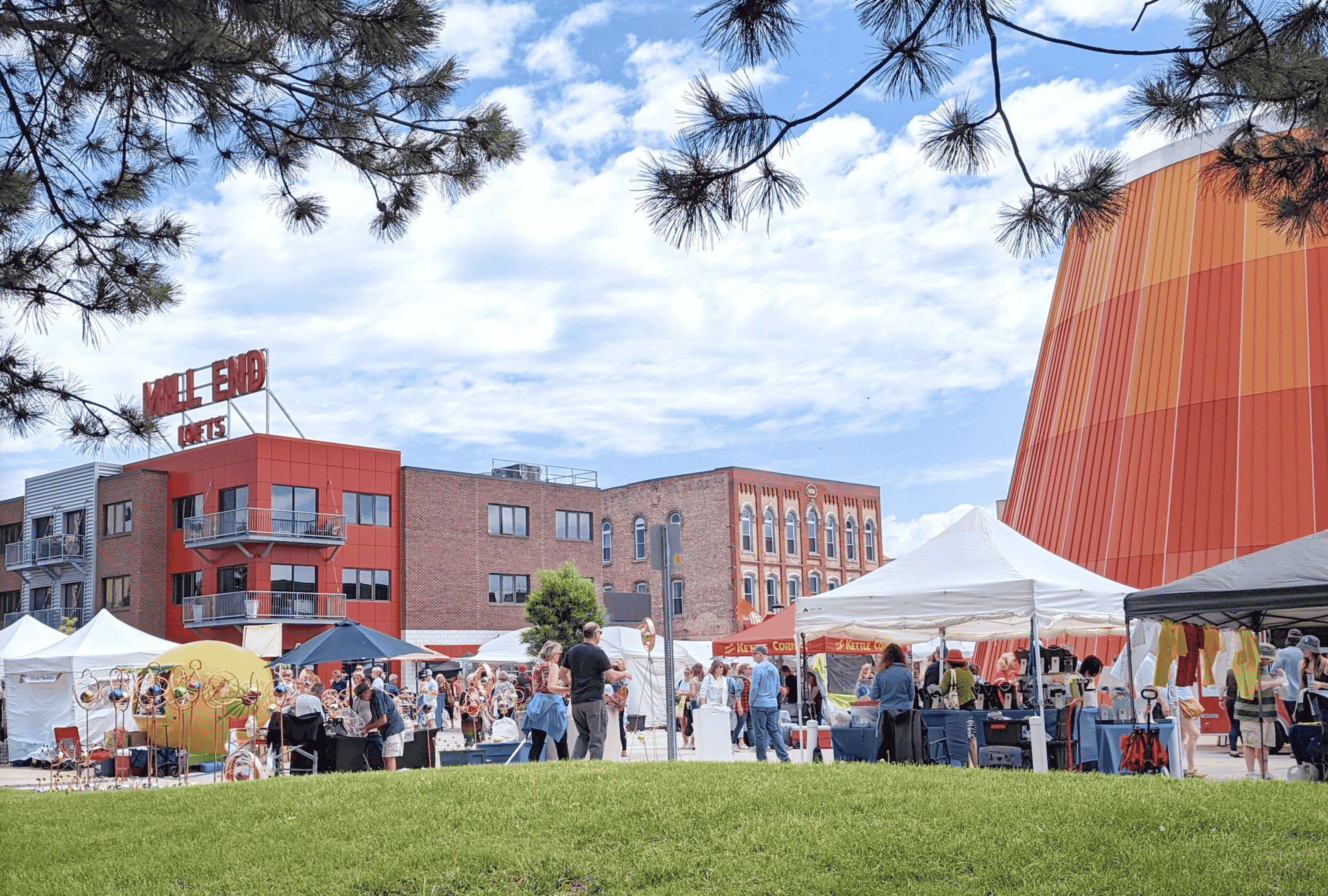
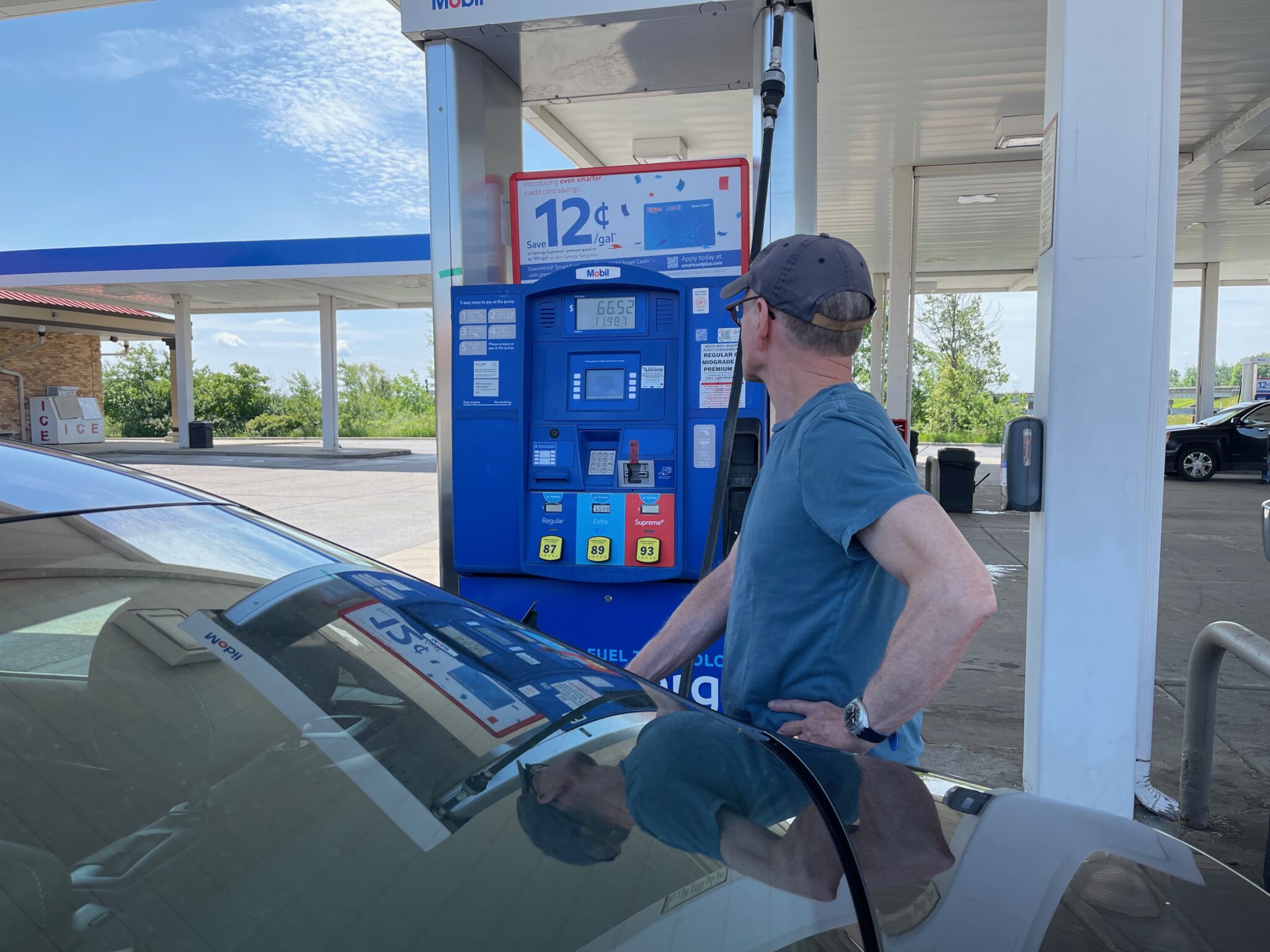

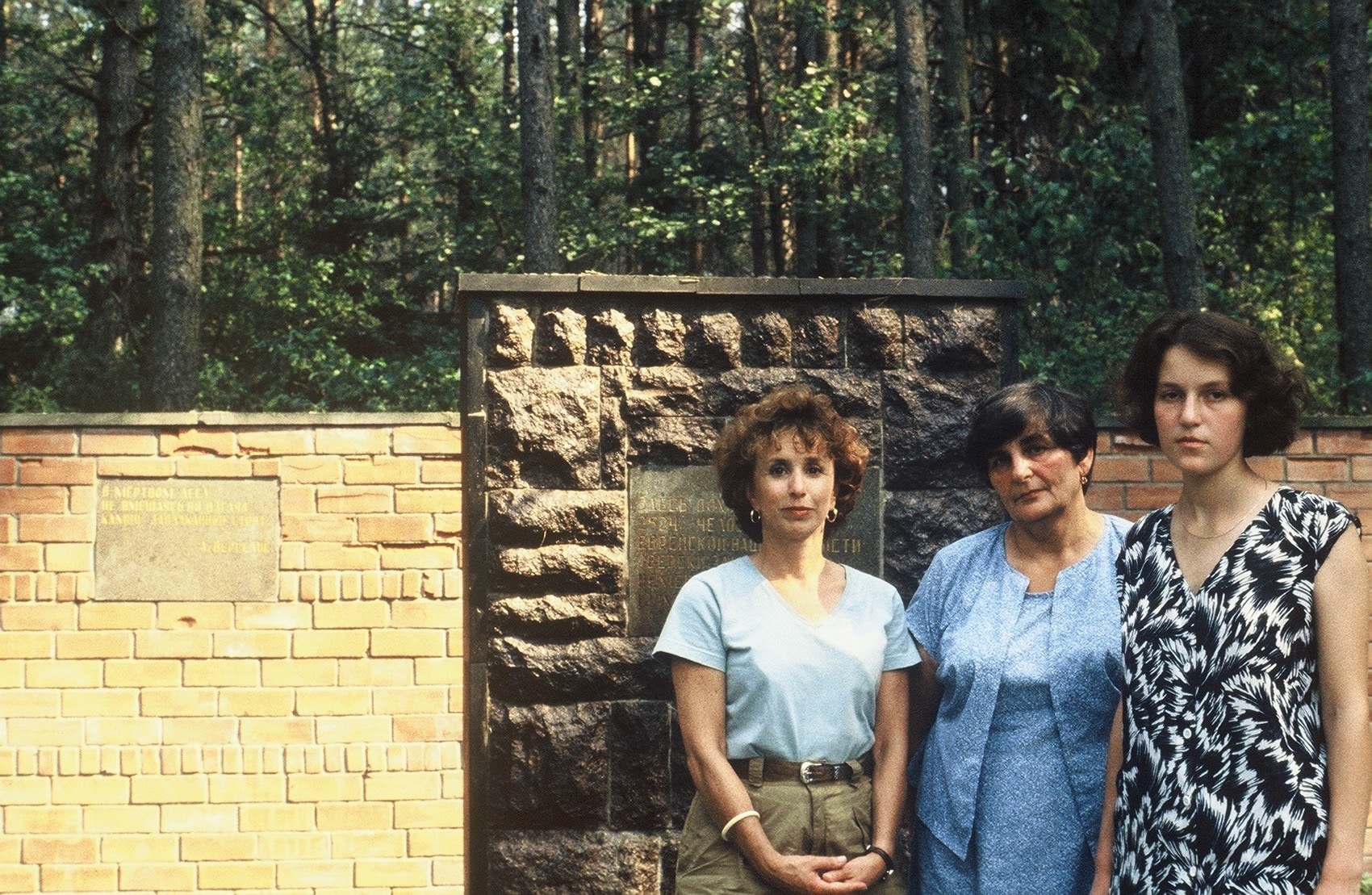
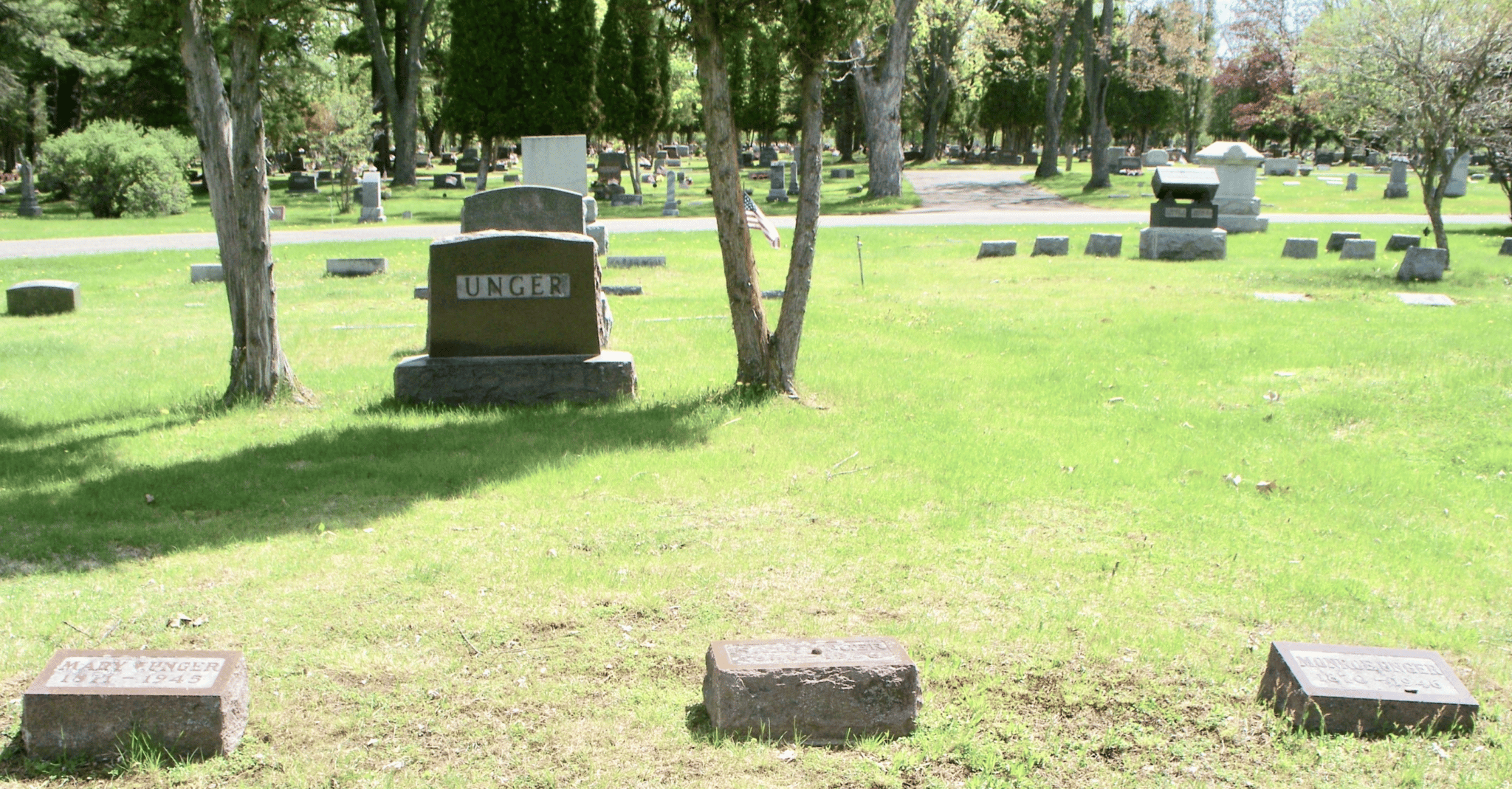
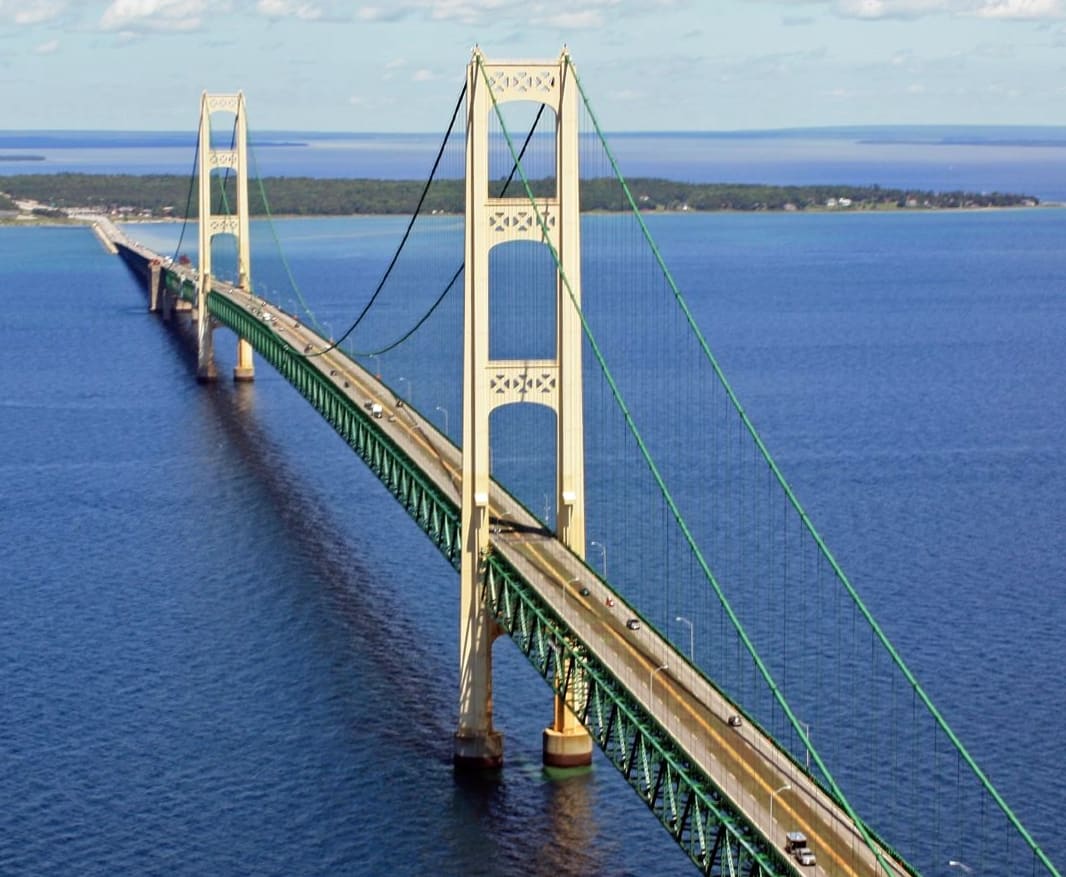
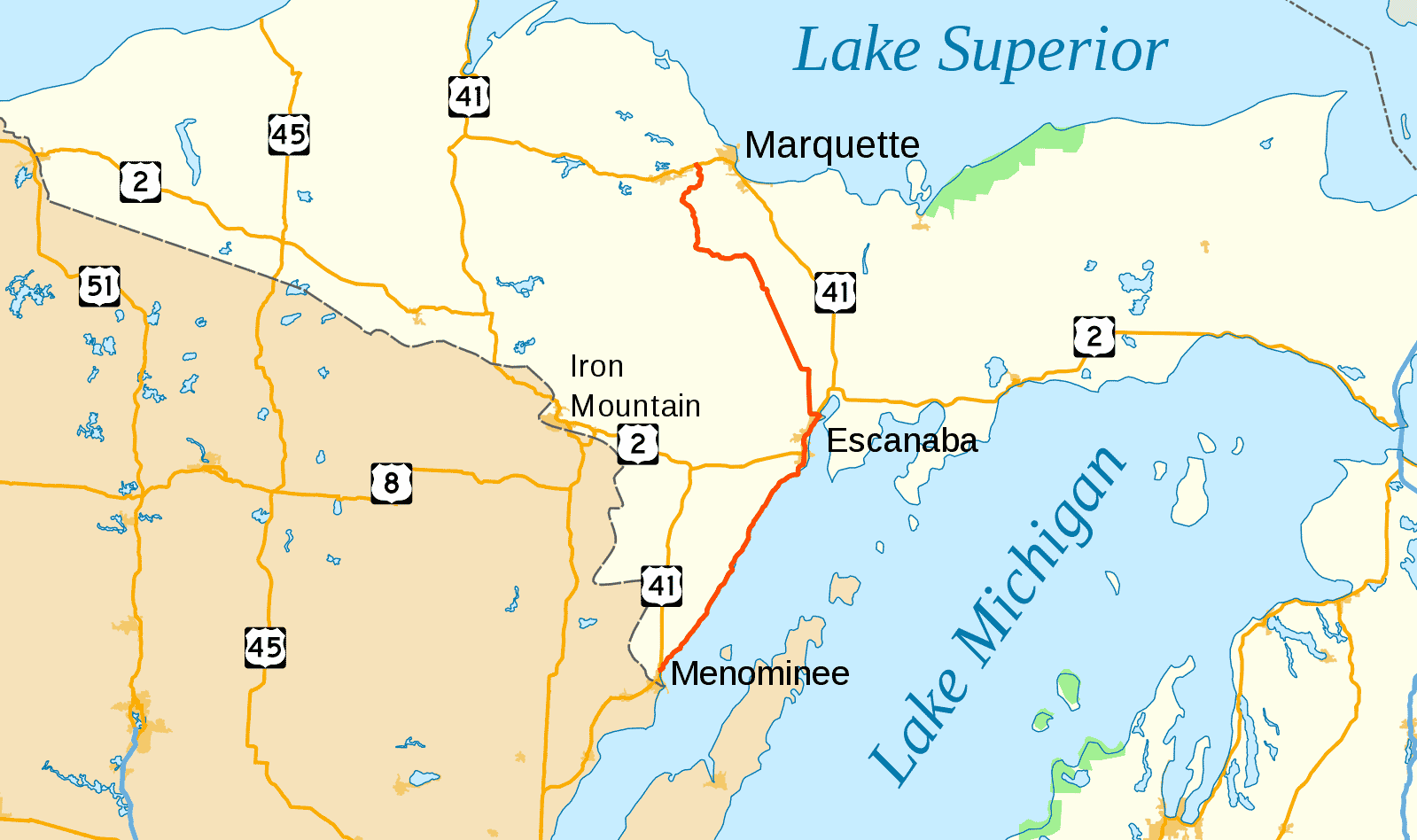
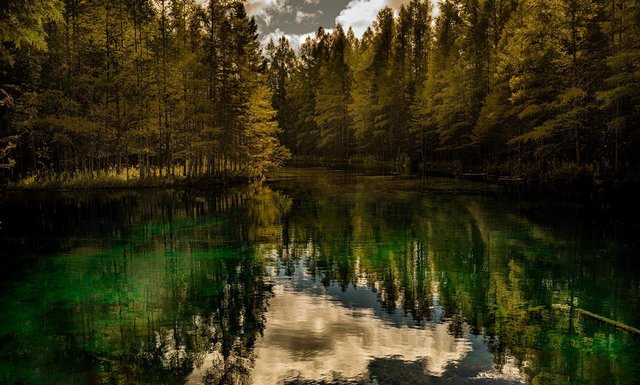

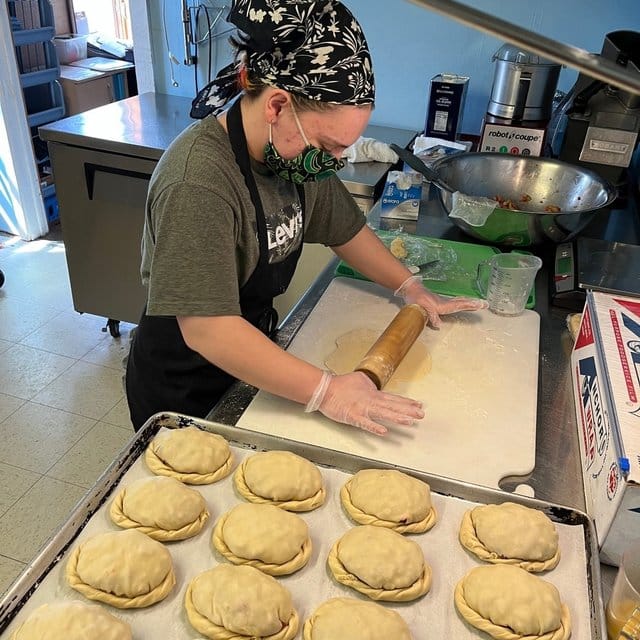
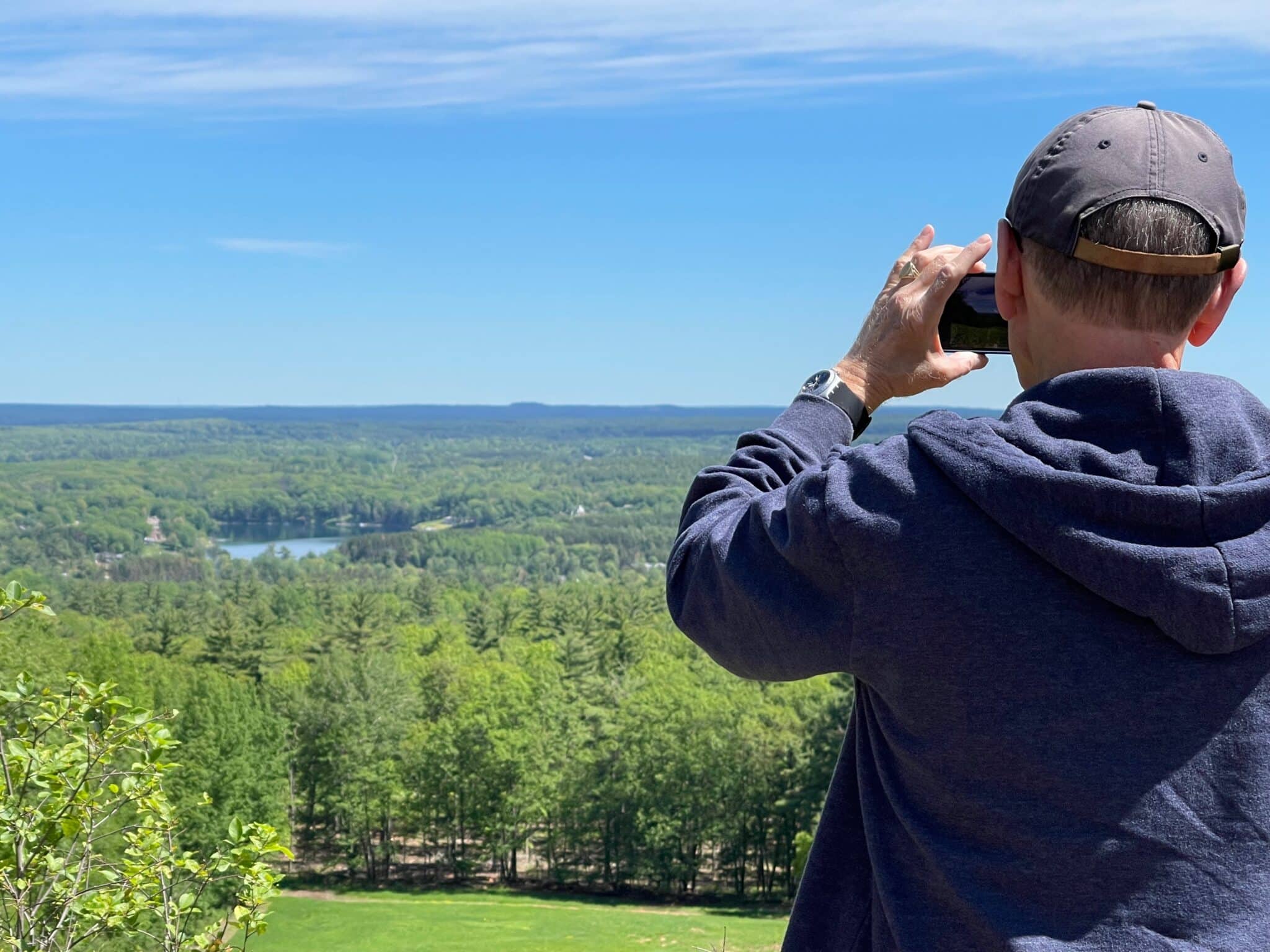
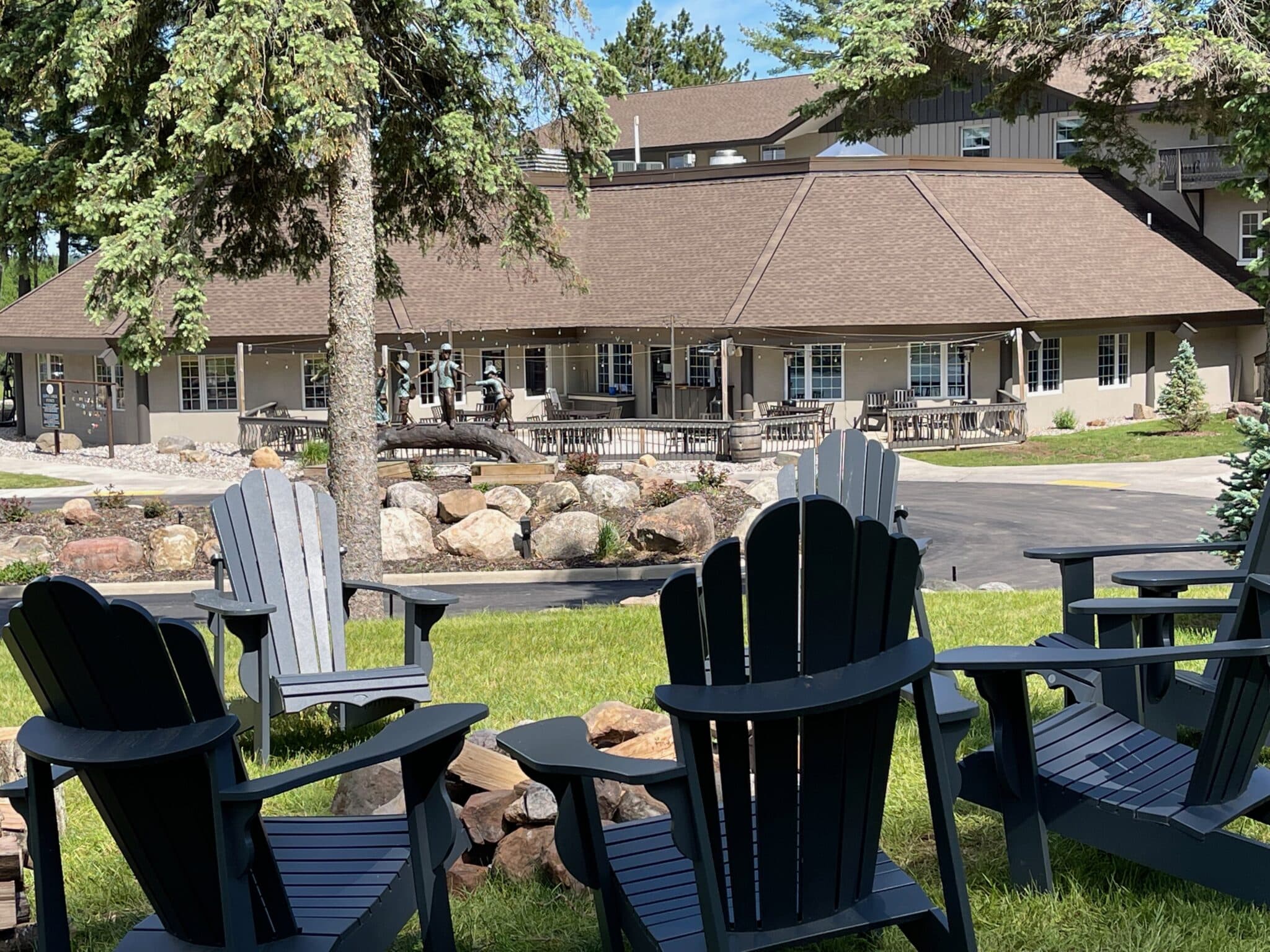
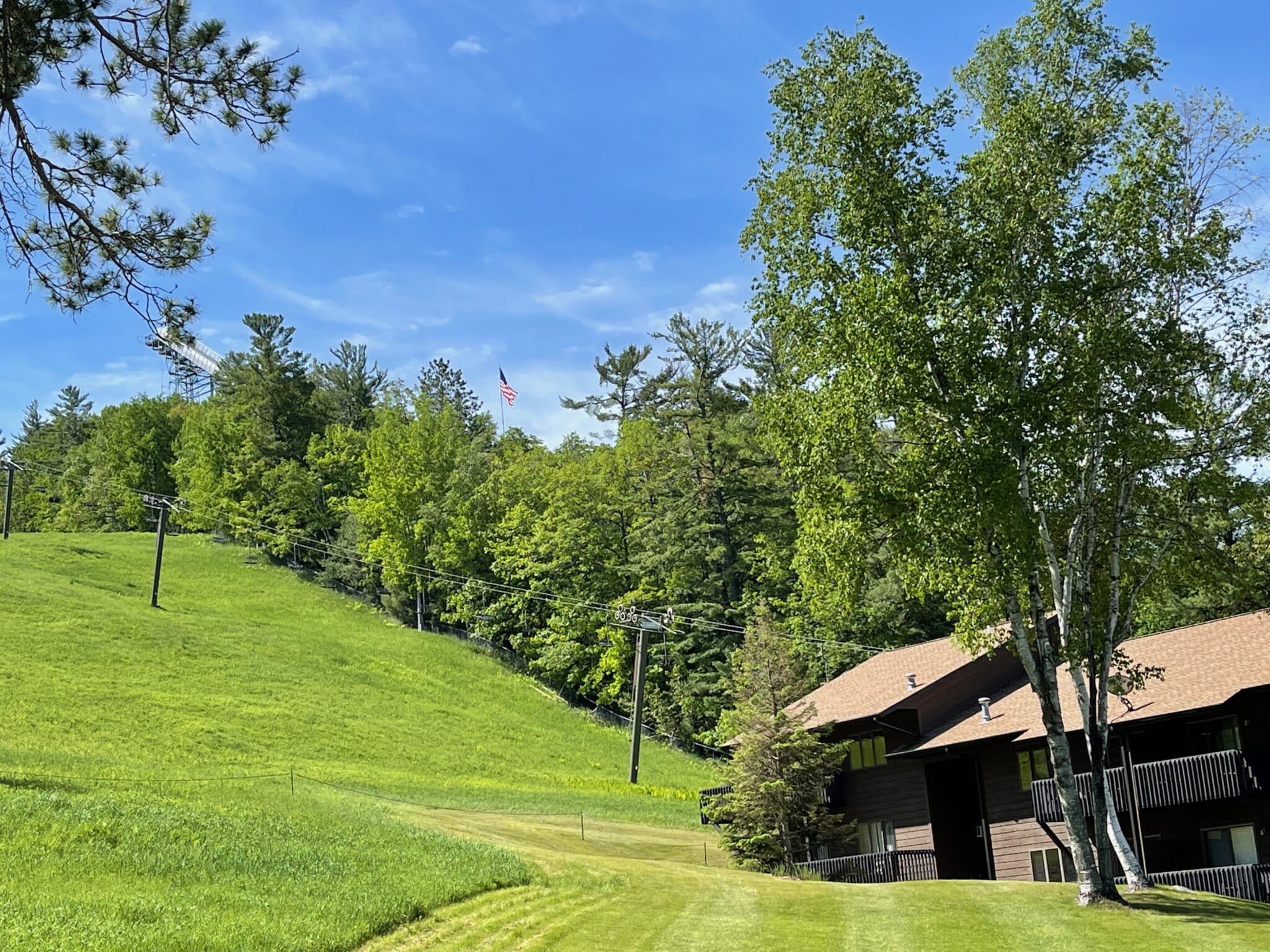
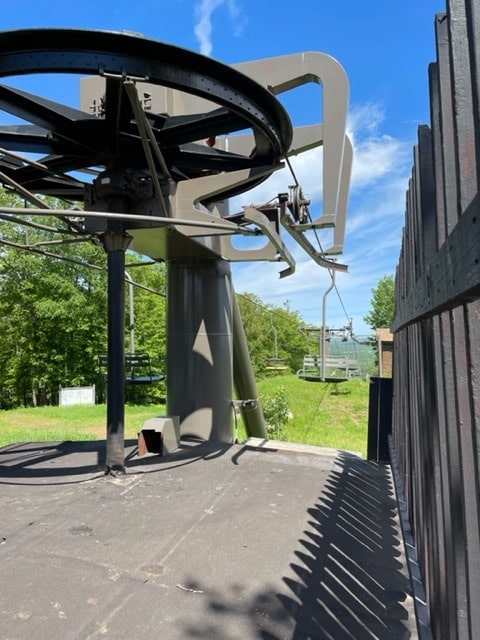
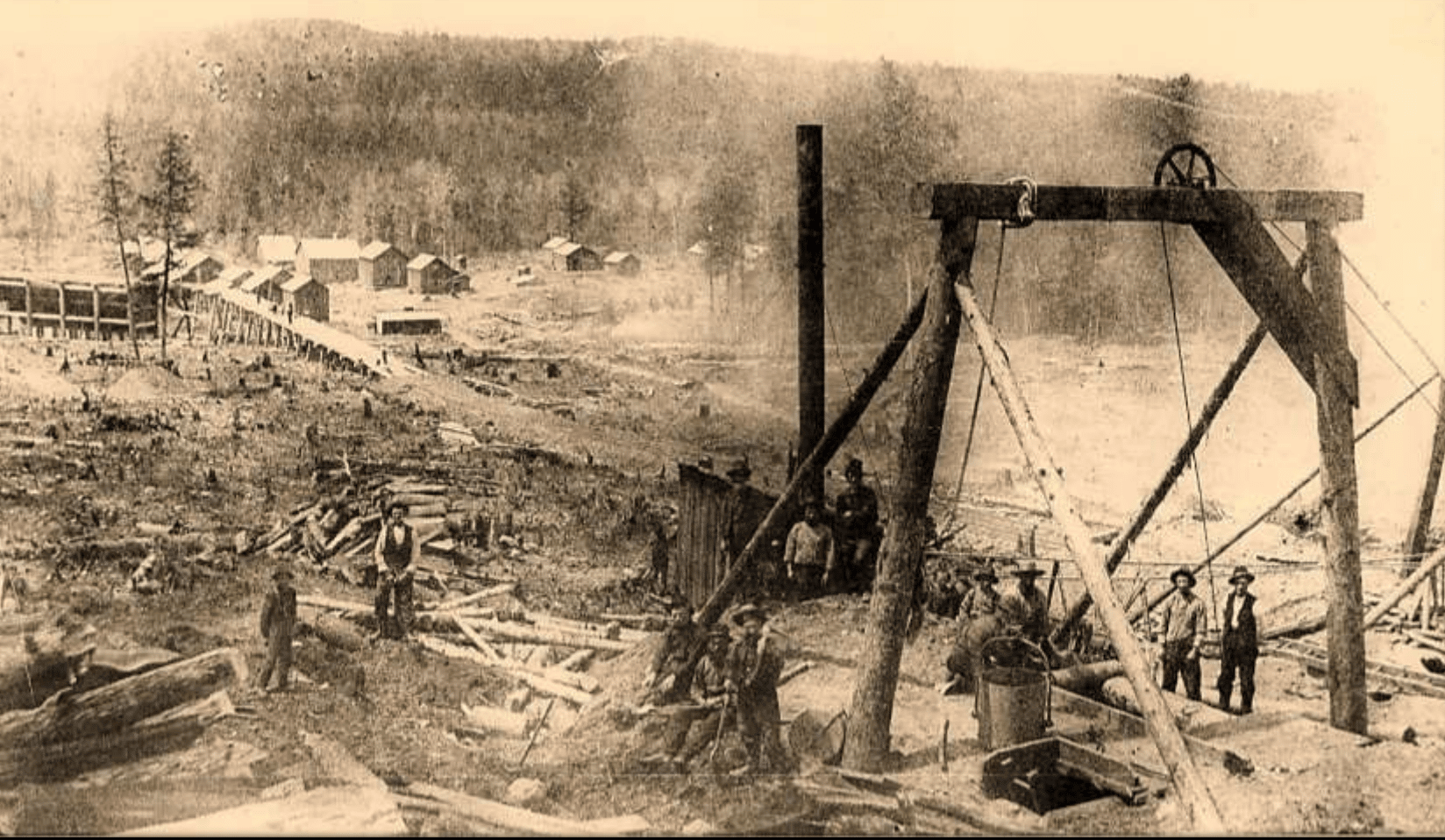
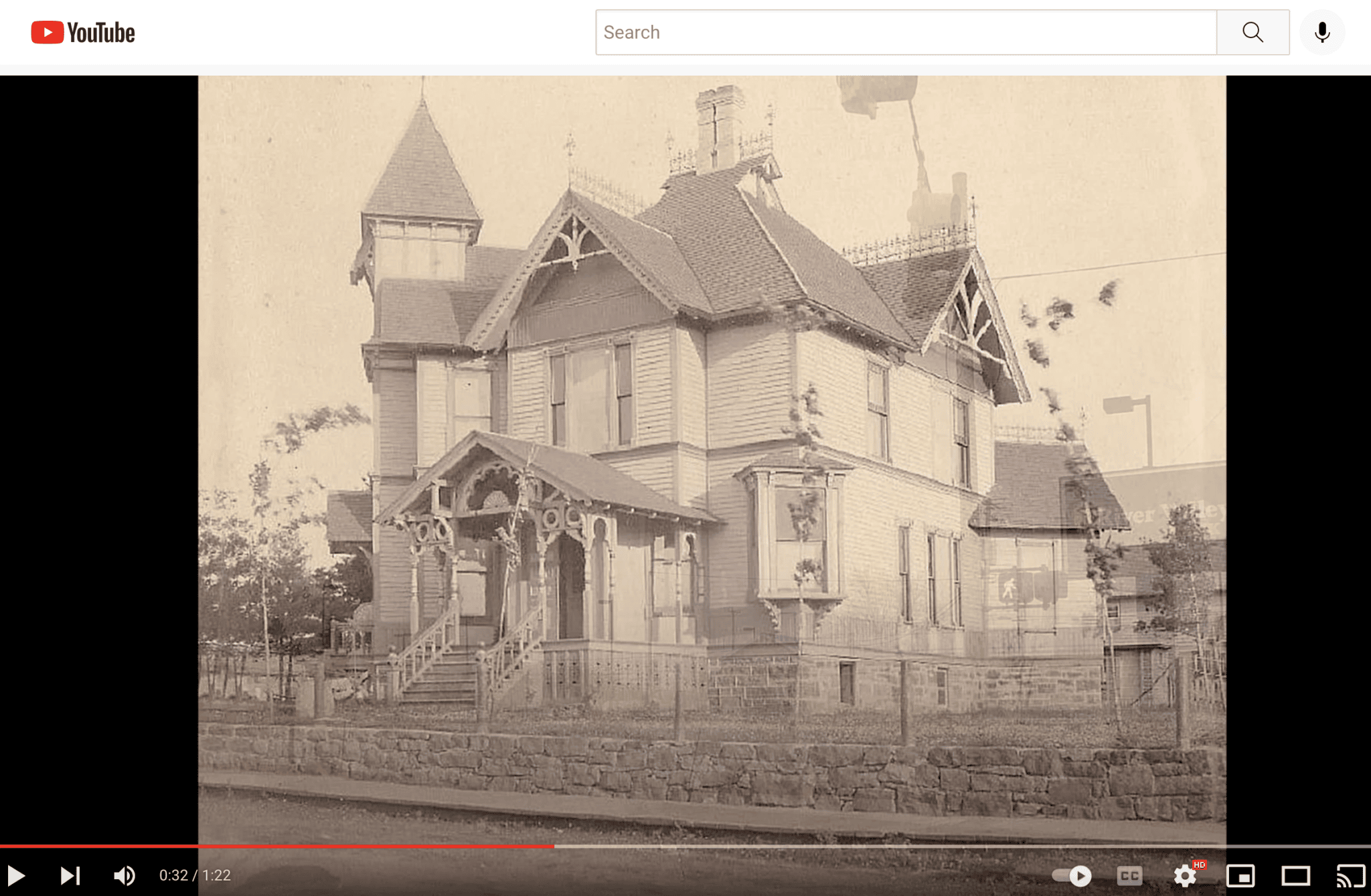
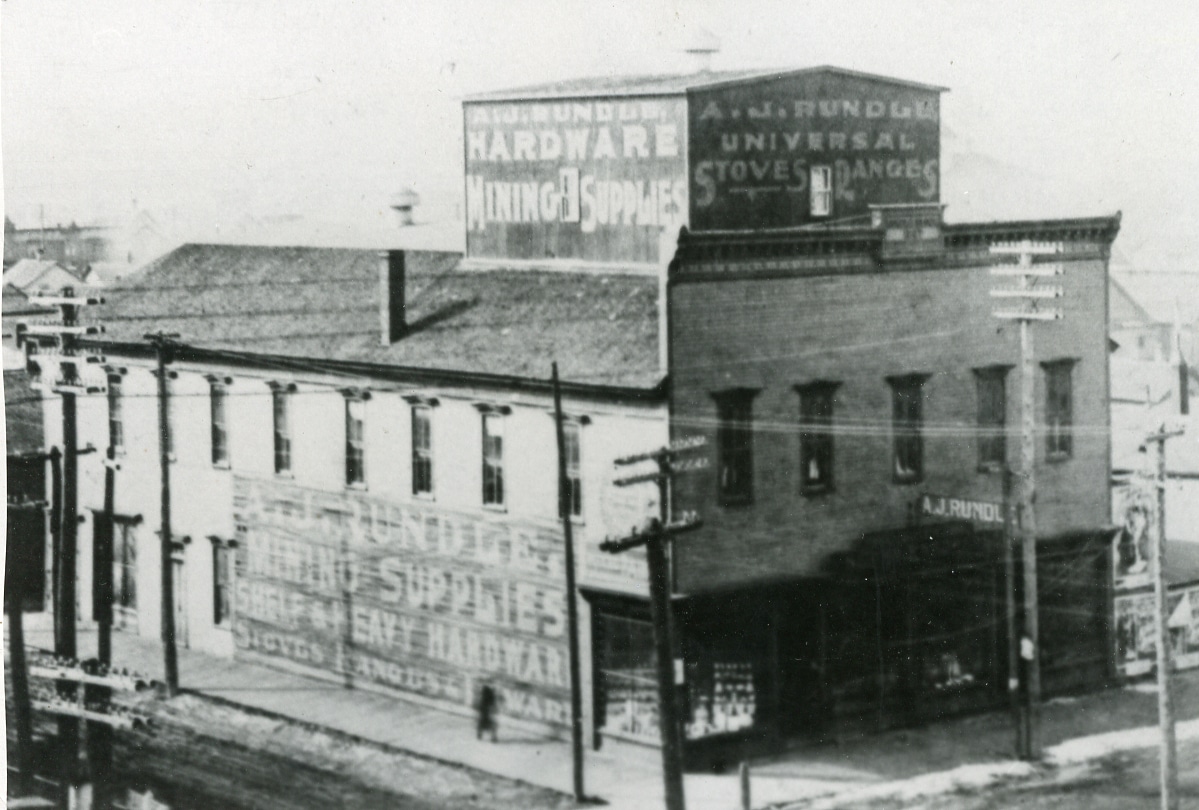
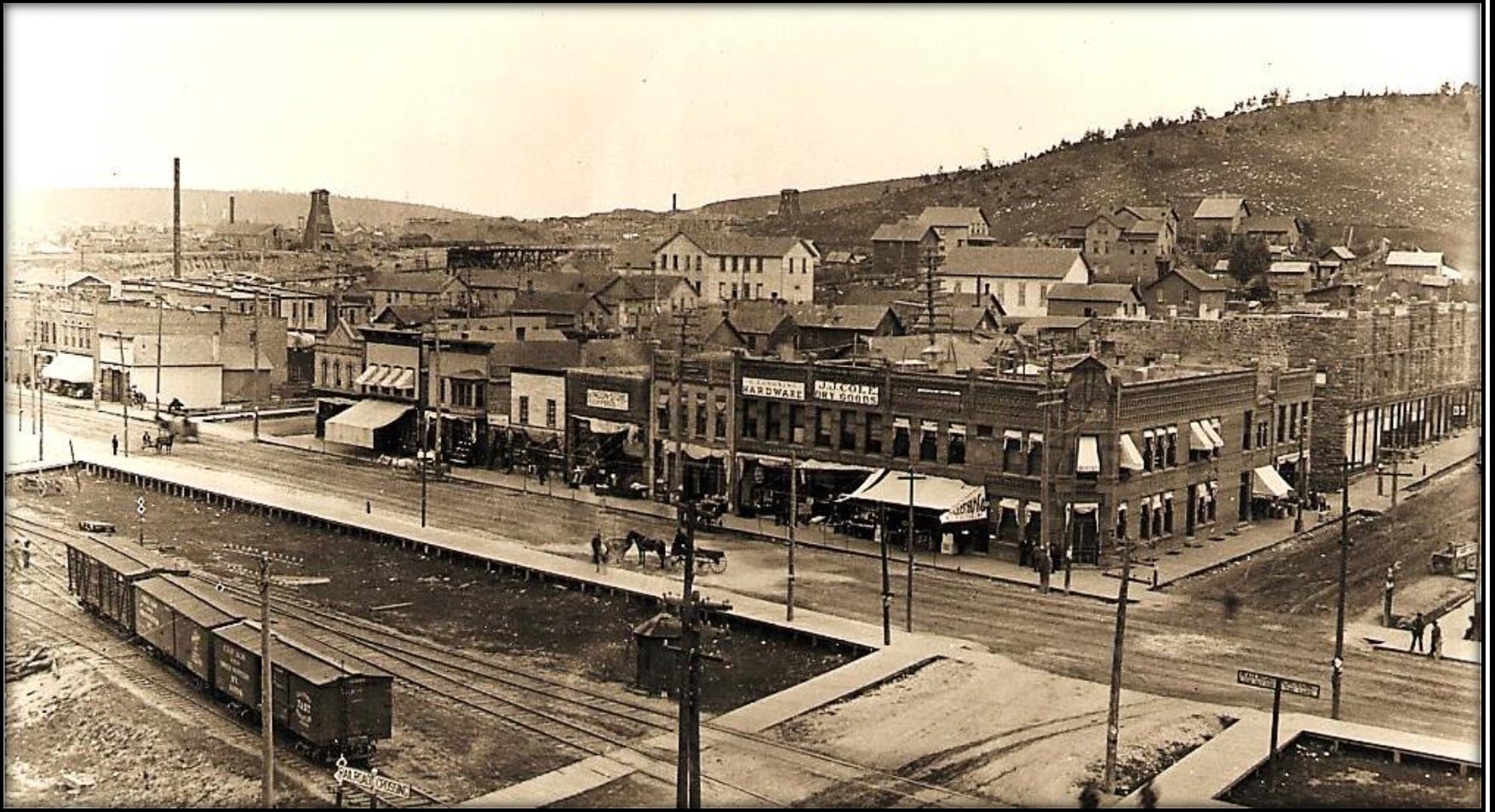
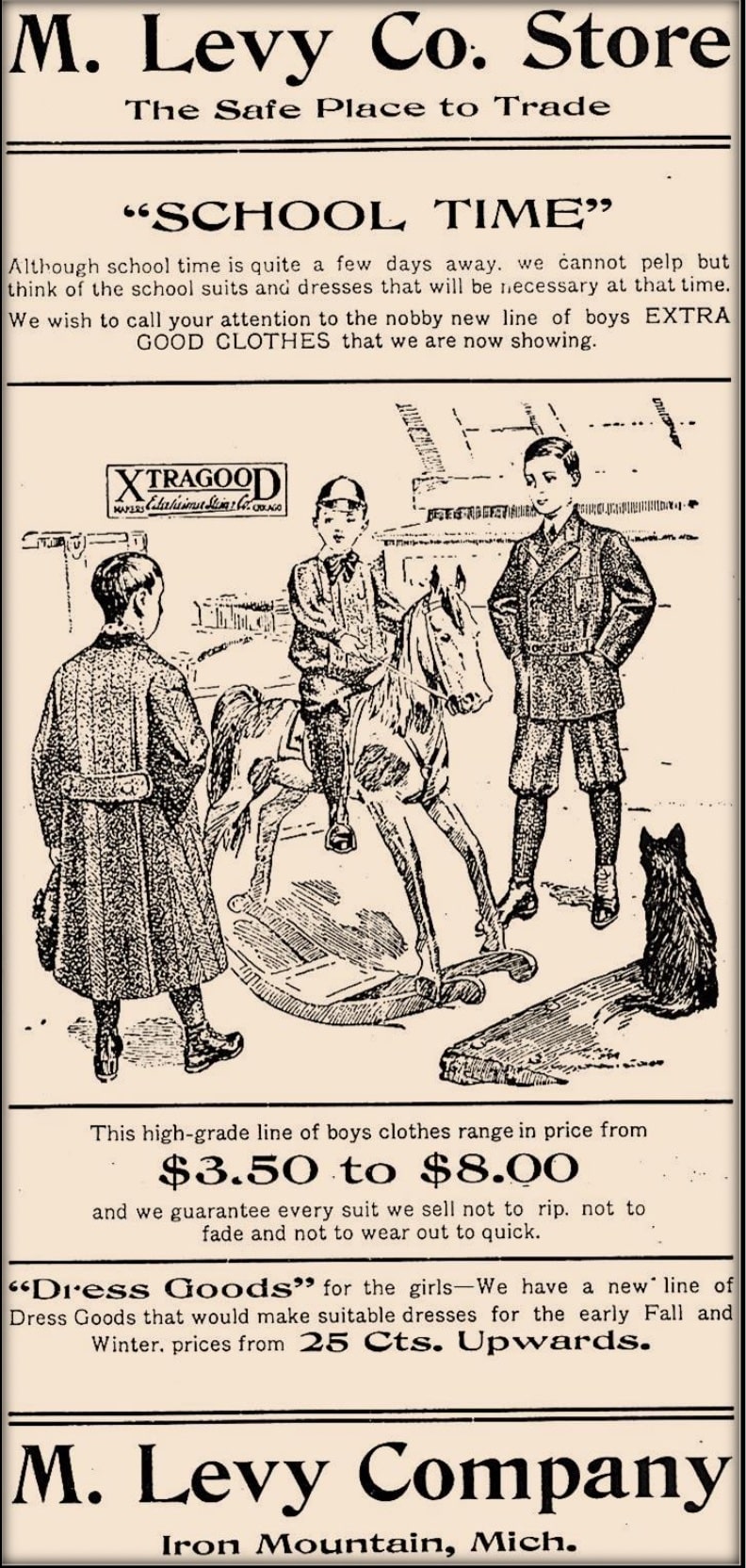
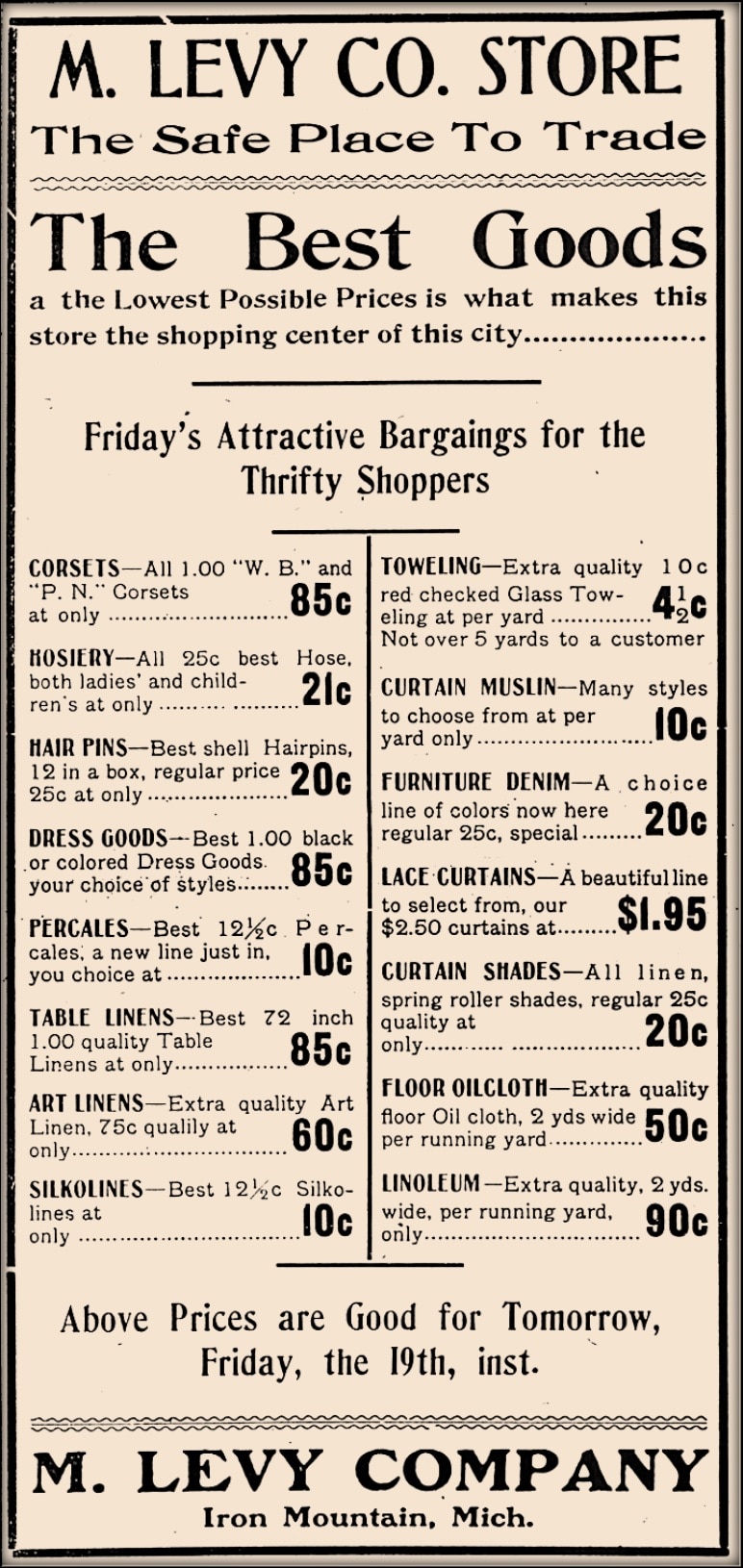
 Young Ike Unger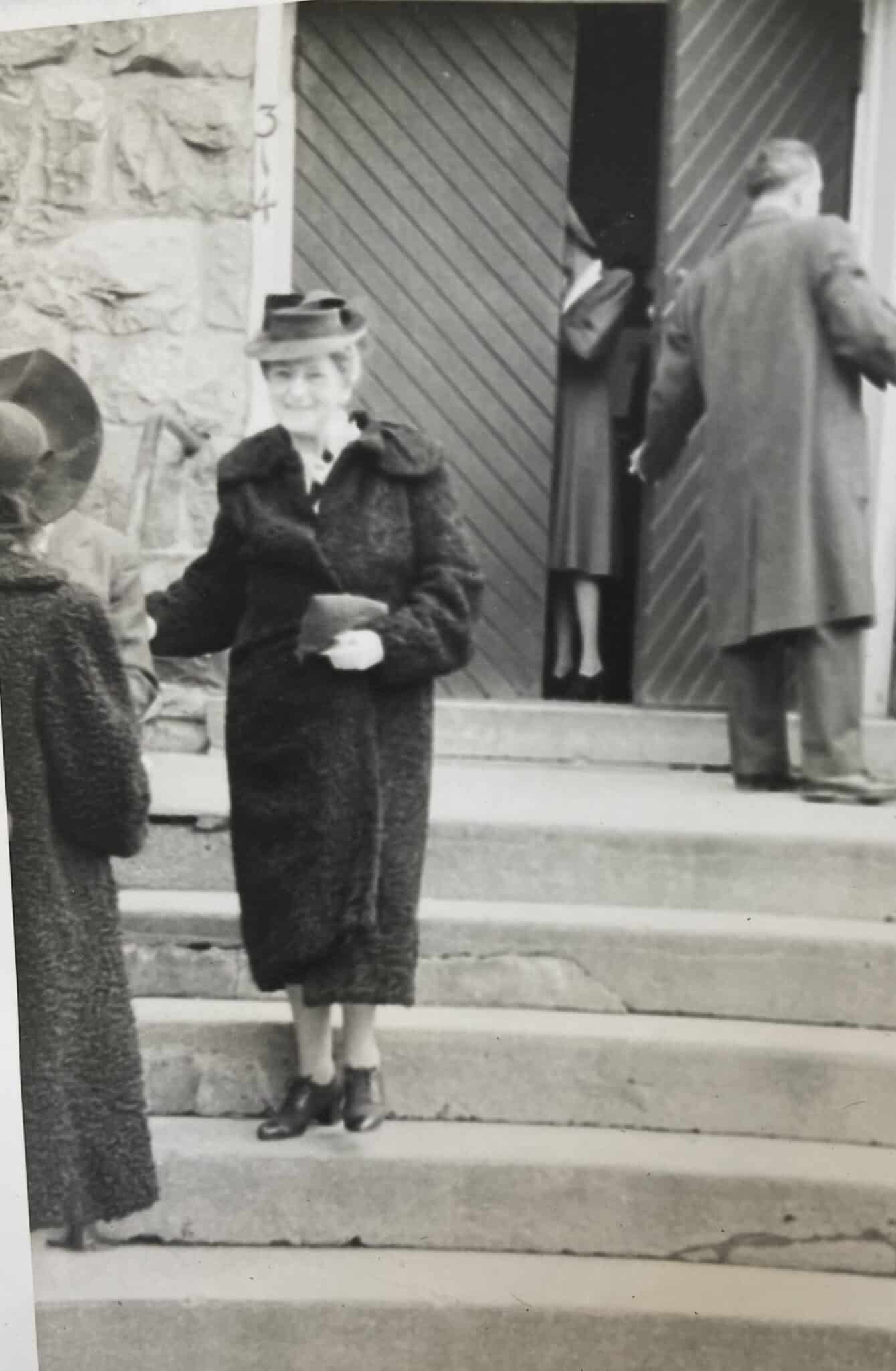
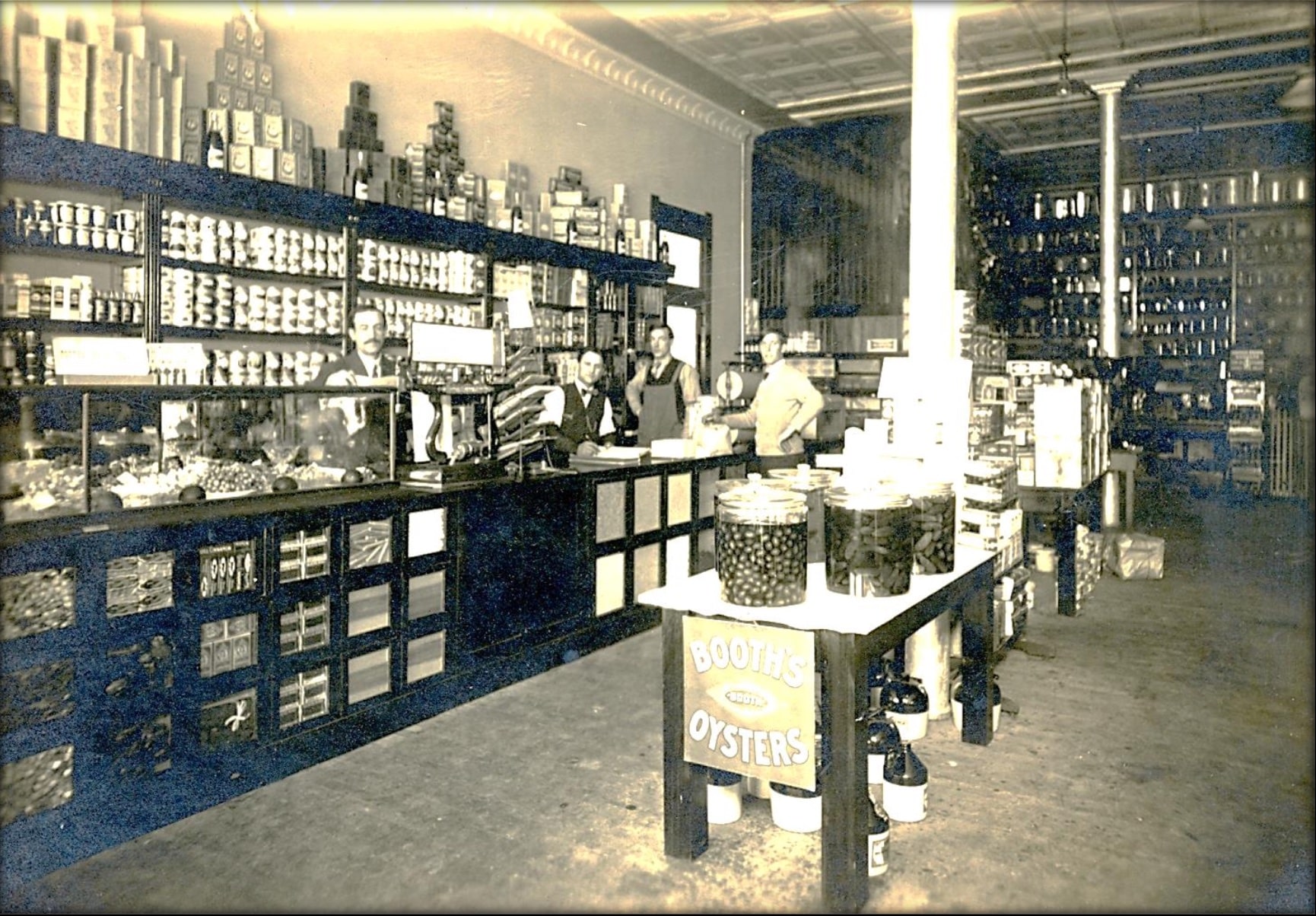
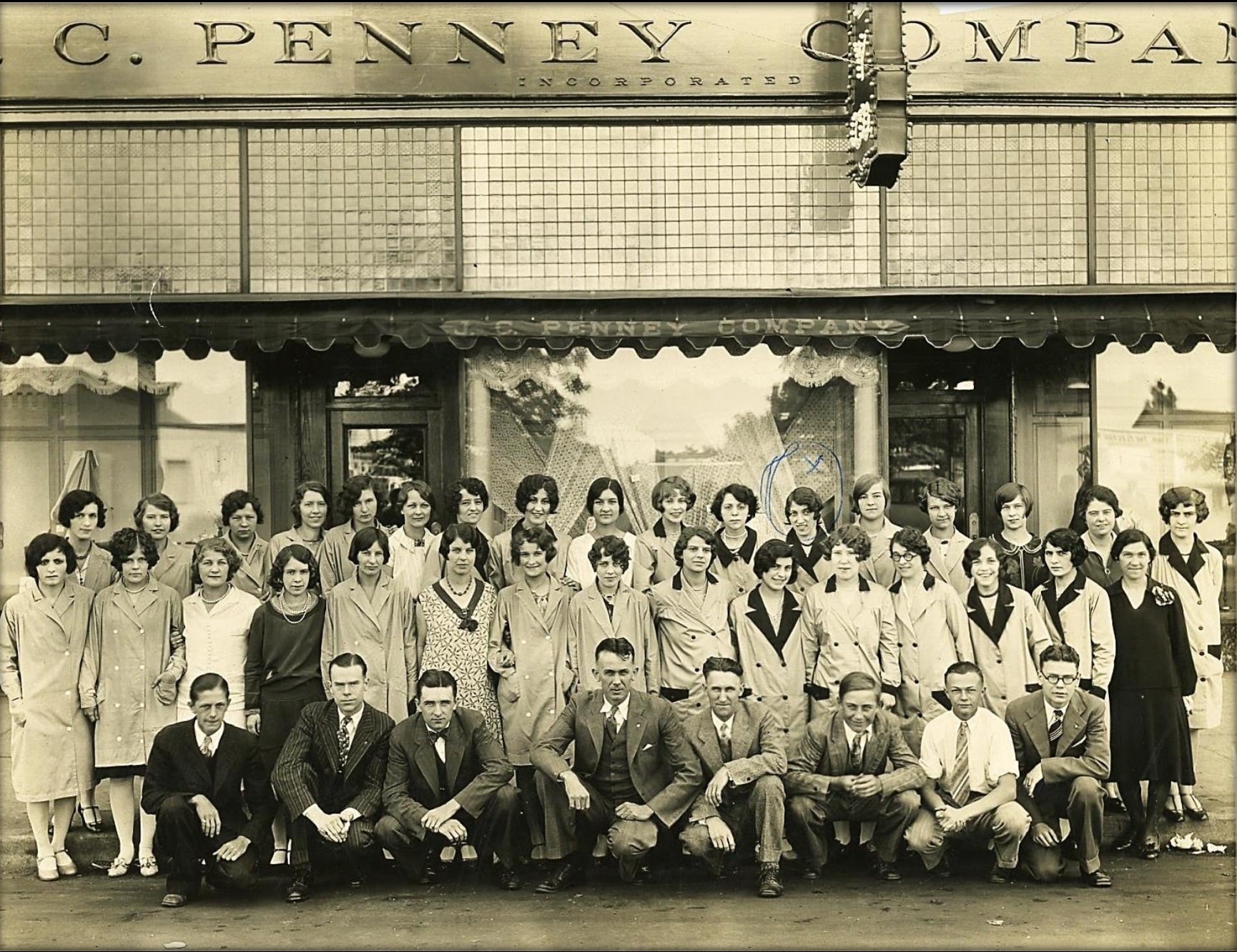
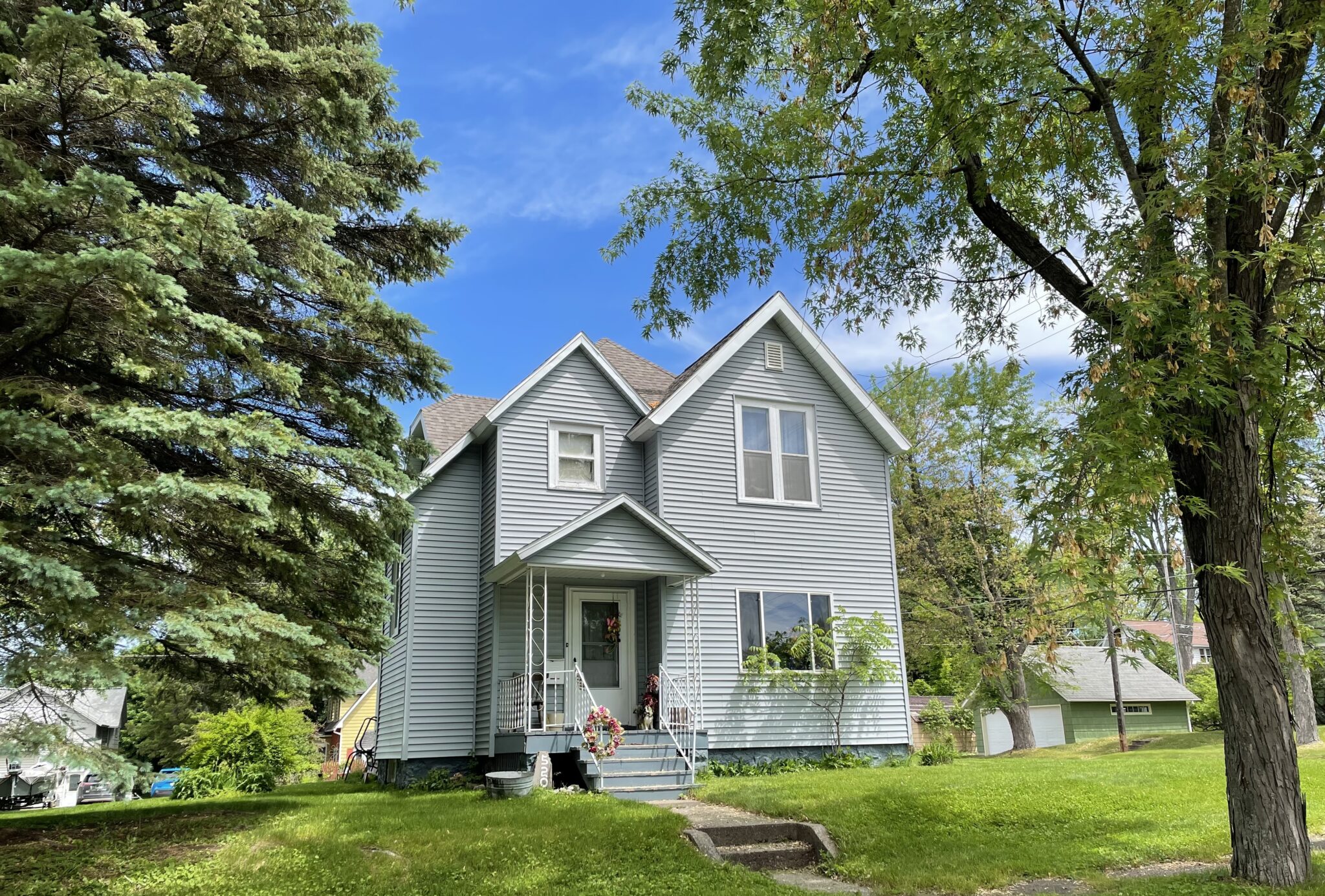
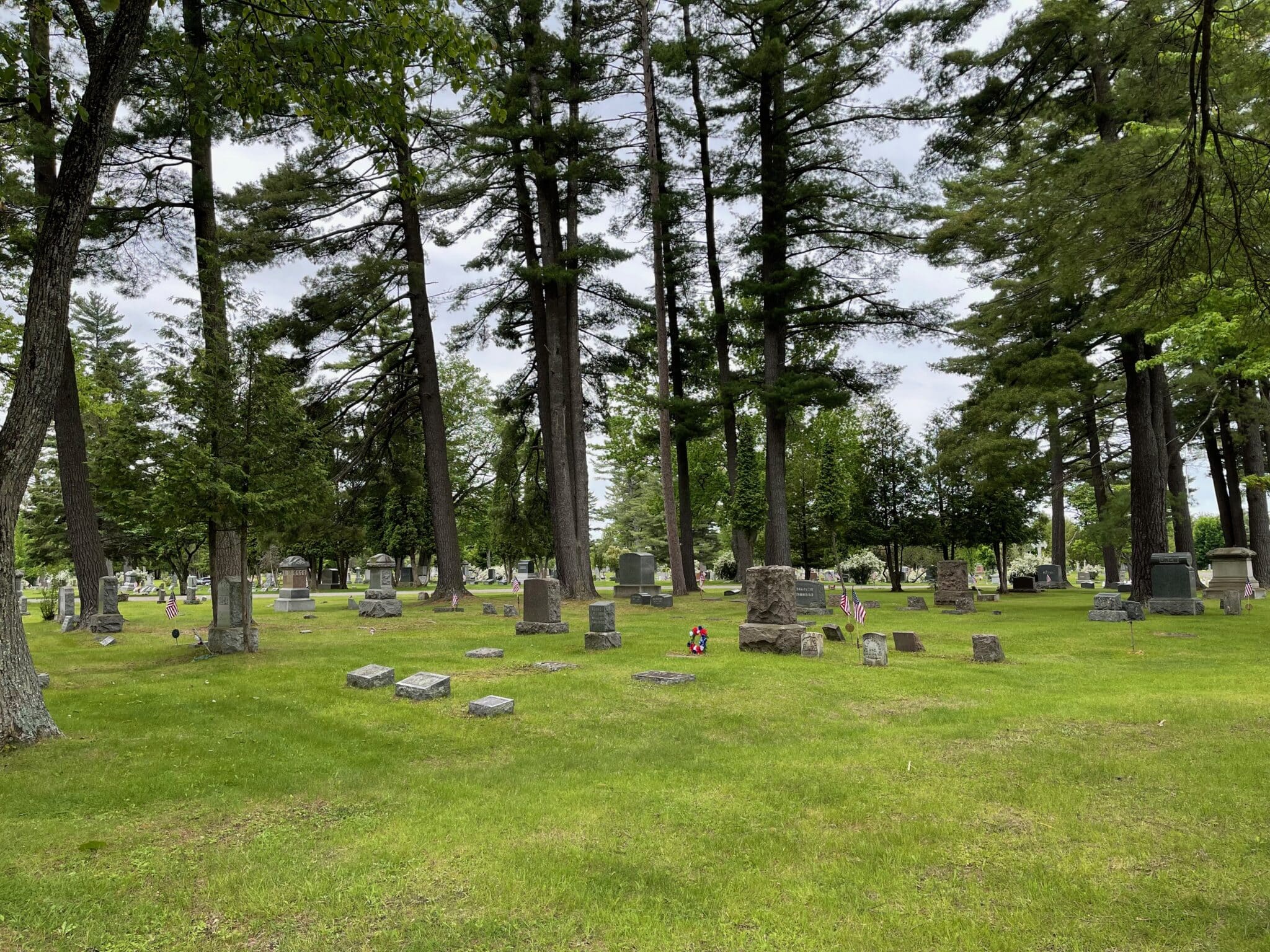
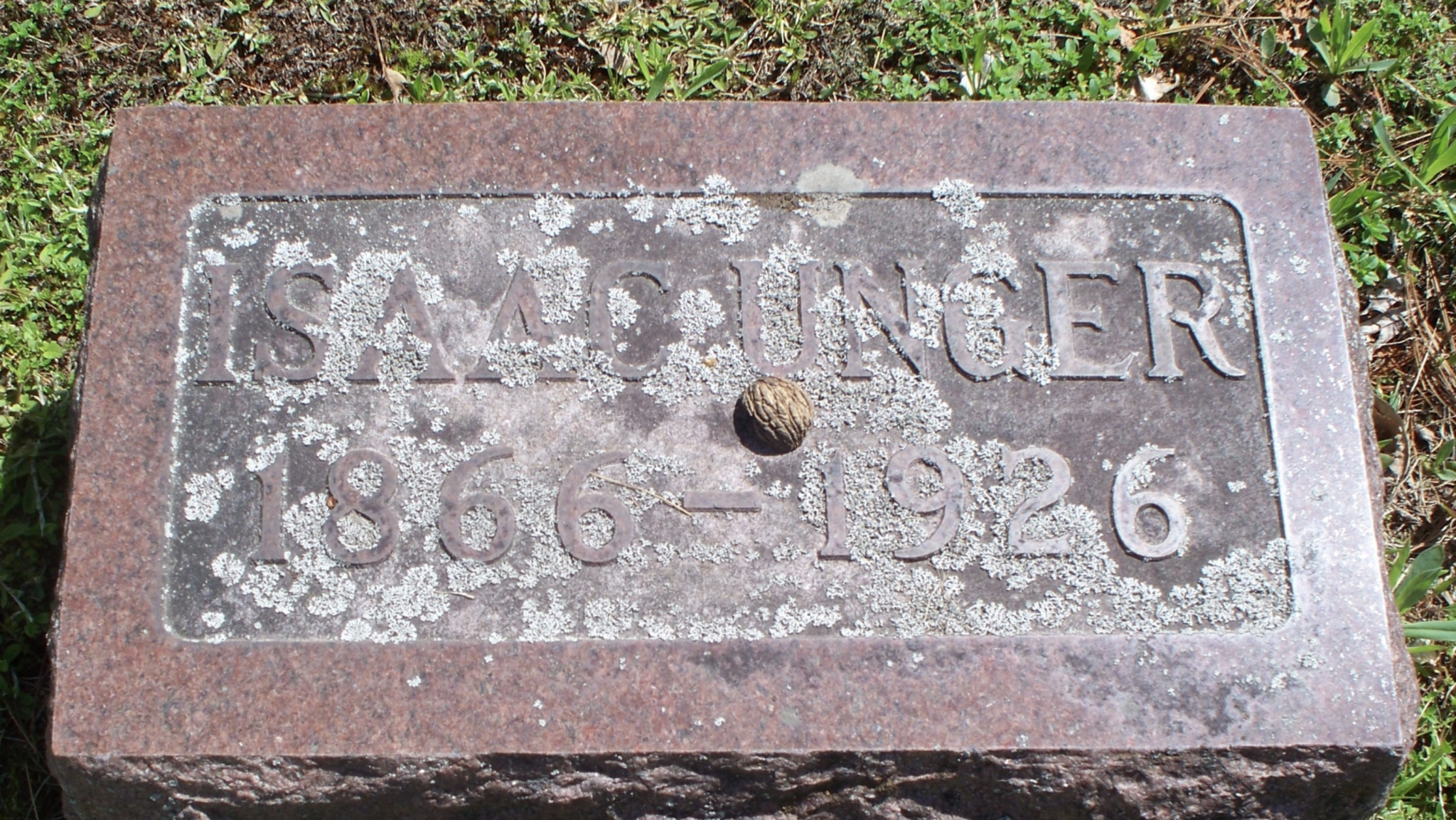 My grandfather’s grave in Iron Mountain’s cemetery.