These summer travel videos tell short stories about people and places you might want to visit. You may never physically get there, but we hope the videos give you a flavor of who we met, what we saw and what we enjoyed.
Take a peak at Niagara Falls
Or visit the Badlands of North Dakota with us.
You’ll see spice seller Alexandro Romano. He happily offered a tip for a simple, delicious pasta dish that’s a favorite in Sicily and on the island of Ortigia where he has a stand.
In Madrid’s Barajas Airport, Ernesto Miari and members of the group Cubaldunes Salsa danced while they waited for a plane. Some people watched but the dancers didn’t seem interested in what others thought. From what we could see, they danced for pure enjoyment.
In Cagliari, Sardinia we watched a marching band play in a square below the castle.
On the island of Sant’Antioco off the coast of Sardinia, we found that locals fill up with wine, at the Sardus Pater enoteca, just like you do at a gas station.
When we wandered a long a canal in Venice, a singer on a gondola stopped the tourist traffic. Everyone wanted to listen and take photos.
You can find small coves in Sicily with sand beaches and only a handful of people. We took a short walk on Realmonte, Sicily
On the island of Ortigia, off of Syracuse, Sicily, we saw a local man fixing his TV antenna. Sounds sort of ordinary. But then you see that the antenna faces the ruins of the temple of Apollo. So you have to wonder if Apollo put the hex on it.
In the Alhambra palace in Granada, Spain water played a central role in the architecture. You hear the gentle sound of water running into the pools and waterfalls wherever you walk. The Nasrid sultans also used the water to feed livestock and water the gardens. Today, the water still comes up from the Dano River to the portion of the fortress called the Generalife and gets distributed through an aqueduct.
Fountains envelope the visitor in the beauty and tranquility of the Alhambra.
Down the hill from the Alhambra, we found famed guitar maker Francisco Manuel Diaz.
My prostate surgery was still three weeks away. I tried to keep things steady and in perspective during those three weeks. I wanted to maintain my physical life while I still could. I kept my doubles tennis dates, went to physical therapy, and Barbara and I did our home yoga workouts together. And we made love. How my penis would work when my prostate was gone was a troubling question.
Another big question ate at me. Had the cancer spread? I was scheduled to have my bones and lymph nodes scanned, but not yet. So my life went on as usual with a lot of scary thoughts running through my head. “We don’t know until we know,” Barbara repeated over and over.
I had a literary agent named Al Loman who liked to say, when I badgered him to know if we’d heard from a publisher, “No news is no news.” That was the case here, too.
There was plenty to do in the meantime. I gave up details of my body chemistry in vials of blood and urine. I was plastered with electrodes for an electrocardiogram to make sure my heart rate was steady enough for surgery. Blood pressure cuffs squeezed my arms and legs to see if I was likely to stroke out.
The two scans were scheduled for the same day, January 25, a Tuesday. I reached the huge NYU Tisch Hospital complex on First Avenue at 2 p.m. Inside, I followed a maze of color-coded pathways and ended up in the Kimmel Pavilion at the corner of 34th Street. There Christina Comaniciu, a technician in the Nuclear Radiology department, jabbed one of my veins and injected a radioactive solution. “Are you Romanian?” I asked. She was, and we chatted, both of us masked, about the country that Barbara and I had visited a few years back to explore her father’s family’s roots. Then she sent me off with a reminder to be back at six. It was about two-thirty.
The site of my second appointment, NYU’s Perlmutter Cancer Center, was a few blocks west. I walked up a rising 34th Street toward the ridge line of Manhattan, looking from above my mask at other New Yorkers also masked for going on a third year now against the latest COVID variant that was extending the pandemic. The city seemed exhausted. Trash littered the gutters and homeless people huddled under scaffolds. I wasn’t the only person on the street with reasons to be anxious.
I arrived around my three o’clock appointment time, changed into a gown, and received an injection of more radioactive liquid. Then I was shunted into a room for the seventy-five minutes it would take for the solution to be readable. I had brought a book but was told to leave it and my phone in the locker with my clothes. A radio played inaudibly. The seventy-five minutes stretched to ninety and then more. Finally I pushed the call button. An attendant came in and turned if off. “I understand it’s a long time, but there are other patients,” he said, and left again.
This is what a PET scan looks like.
At last I was pushed into the room where the PET scan machine waited. Cradled in a concave stretcher, I entered the machine’s white donut hole of a mouth. The scan took over half an hour, and when I was dressed and released it was after seven. As I walked back east on 34th Street I saw a message on my phone that the bone scan people had tried to call me a little after six. It was seven-thirty when I got back for the bone scan, and nobody was there.
I finally tracked down an attendant who seemed puzzled to see me. After calling the doctor he relayed that the bone scan couldn’t have been done anyway, that the Flourine 18 from the PET scan would have made the bone scan impossible to read. A master stroke of scheduling, I thought.
I got a new appointment for that coming Saturday. A snowstorm started overnight and I walked through slanting snow on slippery sidewalks from the subway and reached the hospital at eleven. The radiation tech, named Mathu, told me it had taken him two hours to get there from his New Jersey home. He jabbed another vein and injected me with Technetium 99. “Don’t worry,” he said, “It has a short half-life.” Then I waited.
Outside the windows, the snow blew up First Avenue. I drank coffee and read Arnaldur Indridason’s Jar City, an Icelandic noir about human organs, genetic disease, and murder. I was called for my scan at two. In the scanning room, I changed into a gown and climbed onto a flat table that moved under the scanner.
I spent the next hour under the gaze of a variety of screens, overhead and on each side. Sometimes the screens moved, sometimes the table moved me at microscopic speed in and under them. It had stopped snowing when I finished. I wished Mathu good luck driving home, and then I headed for the subway.
My bone scan showed problems. But no cancer.
The NYU Langone MyChart tells you when you have new test results. They come to you Joe Friday style, just the facts, relayed in dense medical language. The PET scan results came first. I was alone when I logged in and held my breath as I read, “No evidence of PyL avid lymphadenopathy.” I had to look it up. That’s a swelling of the lymph nodes, a lack of which I took to mean that they were cancer free. I sighed with relief, but the bones are a prostate cancer’s first metastatic target. When word came that those results were posted, I again read the medical language with bated breath, hoping I’d be able to interpret it. The words that said, “You’re clear” were these: “no evidence of osseous metastases.” I breathed again. When Barbara got home from teaching at the City College of New York we hugged and jumped up and down. She insisted that we dance.
That meant that prostate surgery — in clinical terms a radical robotic prostatectomy — was the right choice for me.
On Thursday, February 3, Dr. Samir Taneja‘s office called to say I’d be first on his operating table the next morning.
A driver from the car service we use waited on the street outside in the pre-dawn dark. We climbed in in pelting rain and were at the hospital by six. When I checked in using a tablet on the reception desk, I got a bracelet that said John Taylor. “Tell them that’s not your name,” Barbara said. She’d been urging me to let MyChart and Taneja’s office know that my name is Nick, although the official version is John Nicholas Taylor. “It doesn’t matter,” I told her. “If John Taylor gets cured of prostate cancer, Nick Taylor will be happy for him.”
About ten minutes after we checked in, a nurse came out with a bunch of charts and then called names. Those she called lined up single file, like elementary school, and followed her in like little geese. I was off-ramped into a small, pleasant cubicle. I changed into a large hospital gown and yellow socks with non-slip treads and climbed into a comfortable contoured chair. Once I was settled they let Barbara come in. She teased me about the shower cap on my head and took a couple of photos.
A pleasant young anesthesiologist interrupted our nervous chatter. He asked me about allergies and explained what the anesthesia would be like as he put an IV port into my left arm.
Waiting to be called for surgery. Photo by ConsumerMojo.com
I have to admit that I was nervous. Dr. Taneja, wearing casual street clothes, came in a few minutes after the anesthesiologist. “How are you feeling?” he asked. “I guess I’m ready,” I said. “At least I’ll be in out of the rain.”
This was idiotic. I admit it. When Barbara said, “What?” I laughed and the doctor shrugged and walked out of the little space.
A few minutes later, a nurse came to walk me to the operating room.
It seemed crowded, at least six people in scrubs working. I hoisted myself onto the operating table. The anesthesiologist hooked up my IV and that was the last thing I remembered until I woke up in the recovery room.
The prostate surgery lasted about three hours and forty-five minutes. Barbara had gone home to wait for a call from the hospital. When her phone buzzed, Taneja was on the line. He said, “The surgery went well. He is doing fine. You can probably see him in an hour or so.” She gushed, “Thank you. Thanks so very much.”
Recovery after prostate cancer surgery
I was in a cubicle in recovery with a woman behind a curtain next to me moaning. I had my book on the tray table when Barbara came in. “You look great,” she lied, and kissed me. A nurse checked my blood pressure. It was 189 over 96, way higher than my normal 120 or so over 70. But I didn’t feel it. Whatever drugs they gave for anesthesia and to dull the pain made me feel happy and light. So Barbara and I chatted about nothing and then the nurse came back to say that Barbara had stayed long enough. She could join me in a room once I was settled.
About an hour later, I was settled in the room. It was early afternoon. Rain still fell and out the large window Queens and Brooklyn high rises loomed across the East River gauzy in the rain.
And Barbara was back. “How do you feel?” she asked. “I’m still figuring that out,” I said. I didn’t feel as loosey goosey as I did in the recovery room. I was conscious of the catheter in my penis and I felt a restricted band across my belly at the level of my navel. That was where the surgical incisions were, six of them where tiny robotic instruments went in to be manipulated by Taneja from images relayed to a computer screen. They told me where they were the first time I tried to lift myself without assistance, and from then on I used the bed control buttons when I wanted to sit up.
Feeling grouchy after prostate surgery.
I was grumpy. Barbara tried to distract me, pointing out the ferries nosing in from across the river and departing to return. “Look. It’s beautiful,” she said. “It’s gray and miserable,” I grumbled. “No, it’s really lovely,” she said, adding “in its way.” We always say, “In its way” when we talk about something that is beautiful but too harsh to be inviting.
A nurse came in and took my blood pressure. “Oh, it’s still high,” she said. All my other signs were normal. An attendant came in and put some water and tea and apple juice and a carton of Ensure on the table. Another attendant came and helped me out of bed so I could walk around the ward with my catheter bag, wheeling my IV pole. Back in the room, I mindlessly watched CNN without the sound.
Barbara said she’d be back to get me in the morning. The night nurse kept checking my blood pressure, which dropped but only slowly. I didn’t feel it physically, but I knew I was anxious about what was next. I’d have the catheter for a week. I could feel the holes in my belly that were held shut with skin glue. A return to what I thought of as normal life seemed distant.
Sun was shining and I was ready to go home.
The next morning the sun was out and I couldn’t wait to go home. I called Barbara six times, each time reporting that I was waiting to get the final discharge from Taneja.
A physician’s assistant from Taneja’s office had told me I’d be discharged between nine and eleven. My nurse heard that and rolled her eyes. “It won’t happen before noon,” she said. I walked around the ward again a few more times, and climbed up and down a set of three small stairs.
Once the staff reached Dr. Taneja and he signed off on the release I called Barbara to pick me up. The online discharge documents took forever for the nurse to complete. I took off my gown and put on the clothes I’d worn to the hospital, then listened as the nurse told me things I’d need to know. Catheter 101 was the bulk of it, but another vital piece of information had to do with farting: “Don’t eat solid food until you start to pass gas.” So flatulence now was something to look forward to.
A driver called Jose from the car service waited downstairs. When I got in that car, the rest of my life had started. How different would that life be than the one I knew? I wondered.
On Thursday morning a man with red pants falling down below his butt stood outside the Washington Square Diner, “Gimme a dollar. Just a dollar. Come on man,” he begged one of the waiters setting up tables on the street. A block away inside Washington Square Park, men and women congregated on benches, some nodding out.
Congregating in Washington Square Park, Photo by ConsumerMojo.com
For a while these folks seemed to be confined to the northwest quadrant of the park near Waverly Place. Lately, they’ve spilled out into the central walk.. I go through Washington Square a lot and I’ve seen people in this area selling drugs to each other, and in a couple of instances shooting up. Recently, I tried to take a photo of guy filling a syringe. One of the men jumped up and yelled, “Hey. What are you doing!” I wanted to yell back, “What the hell are you doing?” But prudence made me walk away quickly.
We do not know when someone, maybe homeless, hearing voices, strung out on drugs, or in the middle of an alcoholic rage will strike out.
Homeless Person Camped out in the Subway. Photo by ConsumerMojo.com
The problems of these human beings are tragic, in some sense. But the violence and threat is real, scary and can turn lethal, making many of us worry about our safety and the safety of our neighbors.
In Chinatown, near the Grand Street subway station, 25-year-old Assamad Nash, a homeless man, followed Christina Yuna Lee into her apartment and allegedly stabbed her more than 40 times. As she screamed neighbors called 911. When police arrived they found him hiding under bed.
A month earlier, 40-year-old Michelle Go was pushed to her death in front of of an R train in Times Square. Police say that 61-year-old Martial Simon turned himself in and confessed. The New York Timesreported that Simon has a history of schizophrenia and complained that doctors released him from hospitals repeatedly, before he was ready to live on his own.
City Hall photo. Public Domain.
Now New York Mayor Eric Adams, with Governor Kathy Hochul by his side, declared that he intends to focus on getting the homeless out of the subways. “It is cruel and inhumane to allow unhoused people to live on the subway, and unfair to paying passengers and transit workers who deserve a clean, orderly, and safe environment,” Adams said.
Adams’ plans combine enforcement of rules of conduct in the subway with a homeless outreach program. We’ll see more cops in the subways and they will enforce the laws against getting high and sleeping on the trains. “No more smoking, no more doing drugs, no more sleeping, no more doing barbeques on the subway system. No more just doing whatever you want,” Adams said. “No. Those days are over.”
Governor Hochul proposed $27 million for more psychiatric beds, $12 million for supportive housing and a $10 billion plan to help hospitals and improve staffing. She said that the state will increase the reimbursement to hospitals and health professionals for treating mental illness.
Many of the people we see on the streets and in the subways refuse to go to shelters, which many say are unsafe, or get treatment, so the governor said the state will make guidelines for commitment clearer.
“We need to talk about what’s involved in the removal and involuntary commitment for the highest need individuals, individuals who truly have demonstrated they’re not capable of taking care of themselves,” she said. “We need to issue regulations that’ll give those who witness this behavior, those who are in the subways, the law enforcement . . . the experts — give them more authority to take some steps to get people out of those circumstances and into a place so they could begin the healing. And this is long overdue.”
There are a lot of moving parts here. And homeless advocates and others have criticized aspects of the plan to remove people from the subways. We saw what happened when the subways were closed overnight for cleaning at the beginning of the pandemic. Homeless people who slept there moved out onto the streets.
This isn’t just a crisis of homeless in the subways. Pushing people out to the streets isn’t the answer. Let’s hope that the city and state are serious this time around.
My father died of prostate cancer. He didn’t know until it was too late, when the cancer was in his bones and lymph nodes. Like father like son often applies in prostate cancers. That’s why I had routine prostate screening. I paid attention to my PSA — prostate specific antigen — blood test results.
There was nothing remarkable in those results for a long time. Readings in the 3s. But in 2017, the lab reported a spike to over 5. Dr. Peter Zeale, my primary doctor for over thirty years, sent me to a urologic oncologist in the NYU Langone health system. Dr. Samir Taneja ordered a second test, and this produced a number back in the 3s. I went away relieved that the first result was a false positive.
There’s some argument these days about whether men should even continue to have prostate screening and their PSA tested beyond a certain age. I’m 76. The roll-of-the-dice thinking here is that if you get prostate cancer late enough, something else will kill you first. But prostate cancer is the second most common cancer diagnosed in the United States, and it’s asymptomatic until it’s too late. So the blood work from my annual exams always included a PSA test.
After 2017, my PSA readings crept up slowly, from 3.530 in 2018 to 4.110 in 2019 to 4.130 in 2020. When the lab work from my exam in September 2021 produced a PSA reading of 4.270, Dr. Zeale said, “I think you should have an MRI.” I contacted Dr. Taneja’s office to arrange it.
I met on December 1 with Dr. Taneja’s assistant, Samia Choudhury. She works with him in the Urology Department in an NYU Langone building on 41st Street between Second and Third Avenues. As we talked, I realized I was a stranger to the modern medical infrastructure. My regular doctor sees me in person and responds to calls and emails. But in this case, I was introduced to a medical bureaucracy. I wouldn’t even call the doctor’s office anymore. All my dealings would be handled through MyChart, an app where I’d learn of my appointments and test results and I could message any questions I had. I could even read the notes about me from the medical professionals on the other side.
Choudhury told me as our meeting ended to watch MyChart for my MRI appointment.
Walking back to the Sixth Avenue subways on 41st Street approaching New York’s magnificent main library, I realized I was on Library Way. Bronze plaques set into the sidewalk offered quotes for book lovers. The one that struck me on this day was from Georges Braque: “Truth exists. Only falsehood has to be invented.” I guess with the MRI I was after the truth.
Later, I read the notes in MyChart from our session and looked at myself through her eyes.
Psychiatric/Behavioral: The patient is not nervous/anxious.
Constitutional: He is oriented.He appears well-developed and well-nourished.
Neurological: He is alert and oriented. No gait.
Psychiatric: He has a normal mood and affect. His behavior is normal. Judgment normal.
I walked Library Way again on December 11, a Saturday at 2:10 in the afternoon. On the eleventh floor I was shown to a tiny dressing room where I stripped to my boxer shorts and put on a gown that was open at the back. I climbed onto a gurney with a pad below my knees to lift my legs. I was wearing earphones and an attendant asked my choice of music. “Reggaeton,” I said, but quickly rethought that and changed to piano jazz. After a few minutes someone wheeled me into the room where the magnetic resonance imaging machine hulked, its mouth open like a feeding fish. Now I knew why one of preliminary questions asked if I was claustrophobic. I’m not. My wife, Barbara, suggested I keep my eyes closed and remember to breathe. Now and then, the music stopped and a barely audible voice told me to “breathe in, breathe out, stop breathing.”
Home again, MyChart informed me that I would have a video call from Dr. Taneja that coming Thursday, Dec. 16, at 1:40 p.m. Taneja came on and without much preliminary chit chat said, “It’s two-thirds likely that you have cancer.”
I felt myself leaning in to the computer. When Barbara was diagnosed with 9/11 related lung cancer, she said, “Okay. What’s next? What do I need to do?” I took my cue from her and I was ready to face whatever was before me.
Taneja explained a biopsy would confirm his opinion and let us know whether it was an aggressive form of cancer that had to be dealt with quickly.
The relentlessly efficient MyChart soon informed me the biopsy was set for the first Monday of January 2022.
So on January 3, Barbara and I went together and when I was called in for the procedure she waited doing one of her favorite things, listening to an audio book. It was research, since she also narrates them.
In the biopsy room, wearing yet another gown open at the back, I was told to climb onto the operating table and lie on my left side. An attendant placed a firm pillow between my legs. A large video screen hung on the wall facing me. It showed a blotchy mass in shades of gray.
Dr. Taneja joined the room. I hadn’t seen him in person before now, at least since 2017, and I actually couldn’t see that much of him as he stood behind and over me sliding the biopsy probe up my anus. A local anesthetic killed any pain I might have felt. I asked if I were his first biopsy of 2022. He said dryly that I didn’t have that honor, that I was his second.
“What’s on the screen?” I asked.
“That’s your prostate.”
The probe started making snapping noises. That was the robot snipping tissue samples, said Taneja. It snapped quite a bit. I asked how many samples he was taking. “Sixteen,” he said. “Is that high or low,” I asked. I thought a lower number of samples would indicate a smaller cancerous area, which would be a good thing. “It’s exactly average,” he said.
The next call came, not from Taneja, but from Choudhury, the physician’s assistant. She appeared on my computer screen call wearing serious glasses and a grave expression. “I’m sorry to say,” she said, “you have cancer.”
I wasn’t surprised, given Taneja’s odds and my family history. But I didn’t know if Choudhury was the person I wanted to hear it from. It felt like the kind of news you should hear from the doctor. In fairness to her, she was thorough and professional. She said it was the aggressive kind of cancer and while there were other treatment options, “If you want to live another ten years, surgery may be your best option.” Then she explained that a radical prostatectomy has problems of its own.
Barbara was off-camera on the other side of my desk and we looked at each other. Surgery was the obvious answer. “I’d like to schedule surgery,” I said. “How soon can he do it?” Barbara asked.
“We like to wait five to six weeks after the biopsy to make sure that there is no bleeding,” she said. She went on to sketch the prospects with chemotherapy and radiation. Both had drawbacks, but chemo or radiation, if unsuccessful, would also make a successful surgery less likely.
After the call, Barbara did research and called around. Taneja was talented, smart and one of the top prostate surgeons in New York if not the country. A medical professional told that the best prostate surgeons are not known as the best communicators. Yet I wanted to communicate directly with the doctor and feel comfortable with him.
I messaged him in MyChart asking for a video session so that I could get a better sense of him and he of me. I wanted to be recognized as an individual patient, a person.
And I finally got a message that Dr. Taneja would have a tele call with me on Thursday, Jan. 13. In the call, he patiently went through a description of his findings and talked about surgery. He explained that he wanted me to have a bone scan and a PET scan. Both would help to learn if the cancer had spread beyond the prostate. He wanted to know exactly what he was dealing with. I felt comfortable with him now and I was ready to get rid of the cancer.
Barbara and I had discussed this. Prostate surgery is something no man wants. It’s in a bad place for surgery, right at the bottom of your bladder, and if it’s removed what goes with it is a little sphincter that keeps you from peeing in your pants. But I wanted it out.
After five that afternoon, his office called to offer February 4 or 9 for surgery.
Cryptocurrency is the latest lure used by scammers to steal your money and it is a growing problem. Crypto crime is said to have cost consumers throughout the world $14 billion in 2021. That’s up from $7.8 billion in 2020, according to Chainanalysis.com. In the U.S. 7,000 consumers lost more than $80 million in crypto scam investments between October 2020 and May 2021, says the Federal Trade Commission (FTC). Now the FTC warns about a new crypto scam that gets you to withdraw money the traditional way, and use a QR code to deposit it in a cryptocurrency ATM.
But before we get to the details, it’s important to note that many of the victims are younger Americans. People ages 20-49 were more than five times more likely than other age groups to report losing money on cryptocurrency, the FTC found. And those in their 20s and 30s have lost more money on crypto investment scams than on other frauds.
The latest FTC alert involves crypto scams that use one or more of several standard play methods employed for decades to bilk people out of money. One may involve a romance scheme where someone contacts you via social media or a dating site. A Montreal man told a Canadian TV station he lost $400,000 to a woman who said she was originally from China, had bad English, and would only communicate with him online. She got him to put money into Bitcoin mining and he was never able to recover his money.
The FTC has also seen an increase in crypto telephone scams. A scammer calls your cell and says you have won a lottery or a prize and need to deposit money to claim it. Or they might say they are from a government agency or a utility and they have a new way for you to pay a bill with cryptocurrency. If you seem to believe them and continue the conversation, they’ll stay on the call and give you instructions.
They’ll ask you withdraw money from a bank account. Then they will send you a QR code with their address embedded. And because they are ever so helpful, they will guide you to a store with a cryptocurrency ATM. They’ll ask you to buy cryptocurrency with your money and scan the QR code. The money gets transferred to address on the code and it is gone.
The Bottom Line
If someone says you have to pay by cryptocurrency, wire transfer or a gift card, consider it a scam. You will not get your money back.
The FTC wants to hear from you if you have been contacted by a scammer. Go to ReportFraud.ftc.gov
Bigelow pharmacy in Greenwich Village thought it was ready. Customers snapped up the first batch of at-home COVID-19 tests in early December. So the pharmacy reordered. But during the third week in December, it sold out 1,600 tests in three days, far more than it imagined people would want. “It’s crazy,” Ian Ginzburg, Bigelow’s owner said. “People freaked out. I don’t know if they will continue to freak out.”
Bigelow Pharmacy ran out of COVID-19 test kits.
There’s plenty of reason to freak out. COVID-19 cases doubled in one day in New York and they continue to rise. Mayor Bill de Blasio said, “We’re facing a major challenge with the Omicron variant. This is an urgent situation and we need to act urgently. We are seeing a very substantial rise in the member of cases in a way we haven’t seen previously.”
The mayor said the city would increase testing substantially with more pop-up sites and more at-home test kits. But he called on the federal government to help increase the number of kits available. He said that he “…would urge that the President invoke the Defense Production Act and use every tool that the private sector has and the public sector has to continue to provide supplies here and around the country.”
Pop-Up sites are busy and often run out of swabs.
And testing is now a major part of the Biden Administration’s effort to control COVID. “We have to do better on testing,” Dr. Anthony Fauci, the president’s chief medical advisor on COVID, told CNN’s Jake Tapper. Testing, he said, has to go hand-in-hand with the two-shot vaccines and boosters. But COVID testing seems rocky, at least in New York City
When you want to get a test, you find long lines outside COVID testing sites.
City MD on Avenue of the Americas in the Village always seems busy. Photo by ConsumerMojo.com
And then there is the wait for results. One of my students — I teach journalism at The City College of New York — tested positive. A week earlier, I sat near her at a computer helping with a video story. Although I didn’t have any symptoms, I thought it was a good idea to get tested. The lines at three places near where I live were long and I ended up at a Labworq. The q is the way they spell it.
It’s quick and easy to get a COVID test at one of these pop-ups. The results take a while.
You register through your phone on the spot and give insurance information or show some kind of government ID, and then a technician takes two nasal swaps. The swaps go in a sterile tube with your name and phone number. Then you wait. The online information says that the results will come back in 24 to 48 hours. But I had the test on Tuesday and by Friday afternoon, I still hadn’t heard a thing. If I had COVID, this would be a big problem for me and the others with whom I had come in contact.
I emailed customer support and received a reasonably quick response. “Your results are not ready yet. I cannot tell you exactly when the results will come since it does not depend upon me. I am doing everything in my power to ensure that the laboratory knows that your result is subject to urgent processing.”
And a little while later, I received an email from the lab, not the same company, and the results were negative. Good for me. But others may not be so lucky and it would be helpful and important now to make sure labs can process these tests in a more timely way and that more at-home kits are available to all of us.
Joe Namath was a great football player and George Foreman a great boxer. Their athletic prowess doesn’t necessarily make them experts on Medicare, yet you can feel the appeal as they insistently push insurance companies’ Medicare Advantage plans on cable TV. This is the time to review your Medicare plan and your Medicare Part D drug plan, but the advice of celebrities on TV might not be the best. That’s why it’s a good idea to review the Medicare and drug plans you have now to see if you need to make a change. You have until December 7, 2021 to make changes that will go into effect on January 1, 2022.
Medicare Advantage plans may be great. They do offer extra benefits that may include gym memberships, some vision, some dental care and some over-the-counter medication. Most also include a drug plan so that you won’t need a separate Part D plan.
Medicare pays the insurance companies and they have to follow rules set by Medicare. But they can also charge different out-of-pocket costs and set their own rules for doctors’ referrals and referrals to other providers.
That’s the sticky part.
You likely will have to use doctors, healthcare facilities and physical therapists in their network. If you find all of your healthcare providers on the insurer’s list, then Medicare Advantage might be the way to go for you.
But, and this is a big but, if your doctors, medical centers, physical therapists and others are not on the list, you might want to seriously think about choosing a Medigap supplemental program. These programs cover the 20 percent portion of your bill that Medicare doesn’t pay.
A couple we’ll call Pete and Pat joined Medicare in 2014 and 2019. Medicare Advantage worked for them until Pat fell and broke her knee and injured her hand. The specialists she needed were not available in the Medicare Advantage plan they had. “We didn’t realize how limited it would be until we had a problem,” Pete said.
Just a quick overview here. Original Medicare Part A helps pay for hospitalization and inpatient care. Part B helps pay for doctor visits and outpatient care. When you enroll in Medicare you get part A automatically. Then you can opt in for part B. Then you want a plan to cover what Medicare doesn’t pay.
That’s where Medigap or Medicare Supplemental Insurance Plans come in.
Because Pete and Pat joined Medicare before January 1, 2020, they are eligible for a supplemental plan in the Medicare Part F category. They’ll each pay a monthly fee that is likely to be a little over $300. It will cover the Medicare Part B deductible and hospitalization up to 365 days and skilled nursing for 100 days. It will also cover doctor visits and outpatient care without co-pays and it will pay for lab tests.
Congress didn’t like Part F because it didn’t require Medicare recipients to pay for Part B out-of-pocket costs or Part B deductibles. So it did away with it. Your representatives in Washington apparently thought this would control medical costs.
If you joined Medicare after January 1, 2020, the closest option is a Medicare Plan G.
Take a close look at what you have, and what you need. You have only until December 7, 2021 to make change your plan for 2022.
Also take a look at your Part D drug plan to make sure that it covers the medications that you use. Insurers change their offerings, what they call their formulary, every year. So you want to take care to ensure that you are covered.
Forget the ads and the first things you see on Google. Try Medicare.gov and compare plans.
We hadn’t traveled since the beginning of the COVID pandemic nearly two years ago. The months of lockdown and isolation took a toll, some physical, some mental. It was greater than I realized. I lost the ability to do things I took for granted; even the simple act of walking was harder, and my confidence eroded. Barbara and I never shied from challenges on our wide travels, but I wasn’t sure about the “twilight tour” at El Yunque Puerto’s Rico’s rain forest. Yet I agreed to go.
We failed to book in advance and discovered that was a mistake. On a Monday, we looked for a Tuesday trip. Spontaneity during COVID doesn’t always work. The U.S. Forest Service oversees El Yunque and limits the number of people who can be on the mountain every day. The day trips were all booked, but a twilight tour of El Yunque run by a private company seemed attractive.
We were staying on Puerto Rico’s southeast coast at Palmas del Mar in Humacao, an hour from El Yunque.
Palmas del Mar, Photo by ConsumerMojo.comView from Palmas del Mar toward Vieques, Puerto Rico. Photo by ConsumerMojo.com
The roads in Puerto Rico are good but not as brightly lighted as they are in New York. We realized that we didn’t want to drive back down the mountain on a dark highway after the hike. So we looked for places to stay nearby. Barbara found The Rain Forest Inn, which looked lovely. They only have a few rooms and the owner Bill Humphries said they were booked three months in advance. He suggested that we try the Wyndham Grand Rio Mar Hotel just down from the mountain on the island’s northeast coast. “They have six hundred rooms. They must have something,” he said. He was right.
Wyndham Grand Rio Mar, Puerto Rico. Photo by ConsumerMojo.com
The next day we checked into the hotel, hung around for a bit and then we drove toward the Angelito Trail Head a few kilometers inside El Yunque. The road was twisty and narrow and we felt the magic of the rain forest as we followed the GPS directions to the meeting spot up the mountain.
Native palm tree in El Yunque National Forest. Photo by ConsumerMojo.com
We had signed up and paid online and filled out disclaimer forms about our ability to do a little walking. The folks at El Yunque Tours told us to arrive a few minutes before the tour’s 4:30 start. Other cars were parked along the road when we got there, and Angel Robinson and Jorge Candelaria, our guides, waited by a van filled with gear.
Angel and Jorge in the colorful shirts at the El Yunque Tours truck with snacks. Photo by ConsumerMojo.com
Soon our group of about twenty, couples and families, gathered around a small table set with a tray of mango and passionfruit slices. Angel said, “Watch out for the passion fruit. It can lower your blood pressure,” and he talked about how he discovered that.
Passion fruit, Photo by Najibzamri Courtesy Pixabay. Creative Commons License
Turns out passion fruit contains ascorbic acid, and a National Institutes of Health study indicates it may have benefits for the heart. But on the mountain we were just discovering that Angel was a trove of information. “I’m one of those people who likes to know everything, ” he said. “I’ll probably tell you more than you want to know.”
Angel and Jorge handed out backpacks and towels, snacks, and water to fill them with. We set off toward the trail, Angel talking all the way. “Anyone know what U.S. state is both the easternmost and the westernmost?” he asked. “It’s Alaska,” he declared triumphantly in the silence. “It’s on the 180 degree meridian, so it’s both the farthest east and farthest west.”
We knew this was going to be a funny trip and I began to forget about my fears or concern about walking.
First we stopped to take a group photo and Angel explained that there would be two of those. Once we he took the photo, we began the walk down a path into the forest. “You won’t see any monkeys here. That’s a myth,” he said. “You may see scorpions and that’s about the most dangerous thing that you will encounter.”
A short way in, Angel stopped to reveal that El Yunque wasn’t really a rain forest at the moment. Hurricane Maria in 2017 destroyed the forest canopy that blocked sunlight from the forest floor.
Red Firespike in El Yunque, Puerto Rico. Photo by ConsumerMojo.com
The low growth that spurted up made the forest more of a jungle, at least temporarily. When the tall trees grow back, many of the lower plants will die and the jungle will become a rain forest again. “One day wiped out 90 years of growth. It’ll grow back but not in our lifetime,” he said.
Angel Robinson, El Yunque Tours, Puerto Rico. Photo by ConsumerMojo.com
He also explained El Yunque’s name. It comes from the Taino, the natives who were here when the Spanish arrived. They looked to the cloud-shrouded peaks of the Loquillo Mountains at the heart of the 29,000-acre forest and called it Yuké, or white land. El Yunque is a modern corruption. He explained that Puerto Rican Spanish is a hybrid language that incorporates Taino terms not heard in Spanish elsewhere. “You Spanish speakers can’t understand us sometimes, right?” Angel laughed. He also pointed out that we use Taino words in English. When we talk of hurricane season, the term descends from hurakan, Taino for “god of the storm.”
He showed us the leaves from some trees that turn inside out and show white when the weather turns stormy.
White underside of a leaf in El Yunque National Forest. Photo by ConsumerMojo.com
He also talked about how much the Spanish learned from the Taino about the medicinal properties of plants and trees and found coffee and cacao. The skinny tree below is a cacao tree.
Cacao Tree in El Yunque National Forest, Puerto Rico. Photo by ConsumerMojo.com
But the coffee plantations and timber cutters threatened the forest in the 19th century and King Alfonso XII of Spain proclaimed it a reserve in 1876. Spain ceded Puerto Rico to the United States in 1898 to end the Spanish-American War, and President Theodore Roosevelt declared it a forest reserve in 1903. That makes El Yunque the second oldest national forest in the federal forest system. Only Yellowstone is older.
We walked a little farther along the descending trail before Angel stopped us to explain the difference between native, or indigenous, plants and those that arrived naturally from somewhere else by wind or water. Endemic plants, as they are called, differ from invasive species because they got here on their own. To illustrate, Angel called attention to the black mask he wore over his nose and mouth: “I’m allergic to the dust that blows here all the way from Africa. Seeds could get here that way, too.”
He explained that coconut palms are endemic and planted themselves after slavers and other sailors dumped the coconuts that they had used as ballast to steady their ships. “The trees just planted themselves and now they ring the island,” he said.
He moved on and stopped beside the tangled base of a big tree.
Fallen ausubo tree in El Yunque National Forest, Photo by ConsumerMojo.com
Hurricane Maria, he said, had blown it down across the trail. Crews that came to clear it found the wood almost impossible to cut. “This is ausubo,” he explained, “the world’s second hardest wood.” He then spun a story of Sir Francis Drake’s 1595 defeat in the Battle of San Juan that you don’t find in the history books: Drake’s fleet failed to sink the vastly outnumbered ships of the Spanish defenders because they were built of ausubo and the English cannonballs just bounced off. Indigenous to Puerto Rico, it’s the island’s most important timber tree because the wood can last 500 years.
One of our group, a grizzled New Jerseyian named Mick, helped Angel explain another fact of the rain forest. “You can’t tell this tree’s age because it has no rings,” Angel said, pointing to the stump of the ausubo. “Does anybody know why it has no rings?”
“Because there are no seasons here,” Mick said astutely.
Angel looked a little surprised. “That’s right,” he said. “Puerto Rico has no seasons, so none of the trees have age rings.”
We stopped a few more times to gather around Angel as he told us more about the forest, of tree sap with medicinal properties and breadfruit trees and thin straight branches hollowed out as blowpipes to deliver medicine.
He showed us a huge stand of bamboo that had been planted by the Forest Service to stop erosion along the path. Bamboo is invasive and grows very quickly so it was a good solution for the changing forest.
We heard rushing water and the sound grew louder at each stop. Then the trail brought us past a waterfall to a river pool big enough to swim in.
Las Damas pool in El Yunque National Forest. Photo by ConsumerMojo.com
El Yunque Tours had told us to plan on swimming at this Las Damas pool, and Barbara and I peeled down to our swimsuits and with the kids and few other adults waded into the cool water.
Some of the kids who wanted to make a big splash swung from a rope dangling from an overhanging tree. In a few minutes we toweled off and changed as twilight fell. Angel and Jorge handed out small red flashlights. These would light our climb back to the trail head without disturbing the night creatures we passed. But first we paused to take a photo.
Red lights glowed in the dark and so did we. Photo by El Yunque Tours
We walked through a concert of night sounds. The dominant instrument played, “Co-qui, co-qui” over and over in countless overlapping repetitions. These were the mating calls of tree frogs named for the sound itself, Coquis.
Frogs are as small as a little finger. Photo by El Yunque Tours.
Seventeen varieties of the species live in El Yunque, and all of them must have gathered to serenade our ascent along the trail. They were close, at our shoulders and elbows, and when our red flashlight beams found them it seemed impossible that such tiny creatures could make such large sounds.
The male coquis were smaller than a quarter. The females they were propositioning are larger, but they were high in the trees out of sight as they weighed which of their suitors had the most appealing call. Angel said, “The male sings and the female climbs up. She stops to make sure she likes his singing and then the male sings again and they do this some more until they finally get to the top. And then it’s a role reversal. She lays the eggs and leaves. He builds the nest and stays with the eggs until they hatch.”
Jorge stayed behind with us and helped us spot the tiny frogs waiting for their favorite love song. “I grew up in the mountains and I love nature. I like sharing it with people. But I need to work on my English,” he said. “We’re trying to learn Spanish, so we understand,” I said.
The red lights gave us a glimpse of the bioluminescence in the forest. “You see much more of it in the warmer months,” Angel said. But we did see glimmers of it in the low branches and on the forest floor.
In the middle of the walk back up, Angel squatted down and put his light into a little natural carve-out in a tree stump. “Here, look!” he said. “There’s a scorpion.” A few of us bent down to look and sure enough there was the black arachnid curled up ignoring us.
This wasn’t the one we saw. But this is what a scorpion looks like. Photo by the U.S. Forest Service.
Back at the trail head, we turned in our backpacks and towels and took stock. Angel and Jorge had been great guides, but I felt something greater than even the fine tour they had given us.
It was the exhilaration of remembering exhilaration, of knowing adventure still existed after the bleak pandemic months, of feeling whole again. I turned a corner that night, and I look forward to the path ahead.
9/11 lives deep inside me in a way that I never imagined. Twenty years ago all I thought about was getting to the scene, to the story. I first felt something was wrong when a plane flew so low overhead that my house in Greenwich Village shook. WNYC suddenly went silent on my radio. Within seconds, my husband came running up the stairs and yelled, “People are on the street crying. A plane flew into the World Trade Center and it’s on fire.” That low flying airplane had used Sixth Avenue like a runway to slam into the North Tower.
We didn’t hesitate to head toward the disaster. I am a reporter and that’s what I have always done. My husband Nick, a writer, pitches in to help when he can and this time he carried my backpack. I wanted to get there fast and as close as I could, I didn’t think about the obvious dangers, or the hidden danger in the air that day. Few who rushed to the scene to help, to report, to find loved ones did. We could see the stuff in the air.
Things sparkling like crystals glittered in the distance. Thick black smoke swirled out of the towers. Paper litter flapped against the bright blue sky long before the buildings collapsed into themselves. What was in the air that day and the days after continues to make 9/11 a killer. It continues to threaten me and an estimated 400,000 who responded or lived, worked, went to school, and even walked nearby.
Three years ago I learned that I had two small cancerous tumors in my right lung. I also had a lot of what radiologists call ground class in my left lung. Biopsies revealed I suffered from adenocarcinoma, or non-smokers cancer. Doctors said the cancer was caused my exposure to the air on 9/11 and the days and months that I covered stories close to Ground Zero. A pulmonologist, the late Mark Rosen, referred me to thoracic surgeon Andrew Kaufman at Mount Sinai Medical Center. He removed the tumors and continues to monitor my lungs. That means every three to six months, I travel nervously to Mount Sinai to have a CAT scan. Then I sit and wait more anxious than ever to see if there is a new growth in my lungs. 9/11 taught me that you never know.
In 2019, the cancer diagnosis threw me back into the world of first responders and others who found themselves struggling with the long-tail effects of the terrorist attack. 9/11, the day, the memories, the people who died, what it meant to New York and our country were all indelible. But I didn’t live in the world of the first responders still struggling to get recognition from Congress.
Photo courtesy Pixabay. Creative Commons License.
I learned quickly that they needed money to help them live because some were too sick to work, and others couldn’t pay medical bills. Families of victims also needed help.
The answer was for the federal government to fully fund the Victim Compensation Fund (VCF). This program didn’t just hand out money. It required medical proof that you were ill and proof that you were in specific locations in lower Manhattan, a part of Brooklyn, or the Pentagon in Washington. A panel reviewed applications. Nothing was guaranteed. Congresswoman (D) Carolyn Maloney and Senator (D) Kirsten Gillibrand led the charge to get Congress to authorize the money. But others including many Republicans refused to get behind the push.
Senator Kirsten Gillibrand, Congresswoman Carolyn Maloney, Jon Stewart and 9/11 first responders. Photo by ConsumerMojo.com
I began to produce a documentary with a young filmmaker who wanted to make me the center of the story, and that didn’t work out. But we traveled to Washington and walked through the Capitol with a group organized by first responder John Feal. He and comedian Jon Stewart had a laser focus on getting money for first responders.
Jon Stewart, Barbara Nevins Taylor, John Feal and 9/11 first responders at the U.S. Capitol
Stewart told me that he was committed to the first responders because of his admiration for what they did on 9/11. “It was chaos. Everybody thought the world was ending. And they brought a sense of stability and comfort, security and a feeling of like, ‘Oh, they’re on the case. We’re going to be all right.’ And then to have that response met with apathy (by Congress) when they were in trouble, blew my mind. It was galling.”
And it was stunning to walk with them into offices and listen as they had to explain 9/11 and its consequences to young staffers. Sometimes they met with a representative or senator. But the staffers mostly were the first line. Rafael Orasco, a former NYPD detective, said, “You’re talking to people who are relatively young and new. And I’m sure that this particular issue for them is really a little overwhelming.” He said the number of responders who came in wheel chairs, or carrying oxygen tanks might upset some. “It can be a little bit much to just take in and comprehend,” he said kindly.
9-11 first responders lobbying in the U.S. Capitol
But the lobbying paid off. In July 2019 Congress passed legislation named after first responders who died. They called it, The Never Forget the Heroes: James Zadroga, Ray Pfeiffer and Luis Alvarez Permanent Authorization of the September 11 Victim Compensation Fund. The deadline for people to apply for benefits was extended until October 1, 2090.
That will help the young children who were in the area in strollers, or in school and others who may not realize they still carry a piece of 9/11 in them. I was encouraged to apply to the fund and did receive money. I’m grateful for that.
Others are too. But really? What’s compensation for fatal illness or the looming threat of it. There is also a big part of this puzzle missing when we talk about 9/11 and money. Why aren’t we demanding that the government of Saudi Arabia pay victims, their families and others harmed by the terrorist attack. Fifteen of the terrorists were from Saudi Arabia. Oh yes. We don’t know what role the Saudi government played because our government has not fully released FBI documents that might tell us more. Families of those lost on 9/11 have sued Saudi Arabia and are trying to get documents and transcripts of FBI interviews with Saudi officials.
Maybe on this twentieth anniversary of that horrible day there is hope for answers.
On September 3, President Biden issued an executive order directing the Department of Justice and other agencies to release declassified documents over the next six months. We deserve to know the truth. That’s the way to remember 9/11.
Around 8:46 on the bright, cool morning of September 11, 2001, our house shook as a jet roared low and close, heading south. Then I heard a loud, dull “thump” that sounded like a bomb exploding underwater. What could that be? I thought. A military exercise?
That’s exactly what it was, for the al-Qaeda terrorists who attacked America that day. Nobody knew that in those harrowing first moments. When, in the twenty years since, did we begin to question the blood and treasure we kept spending in response? And how could we have imagined, in their wake, that the next people to attack America would be Americans?
Minutes later on that morning, someone rang our buzzer from the front door down below. One of the men on his way to work on our apartment renovation said frantically, “A plane just hit the World Trade Center!” I ran downstairs and followed Stephen Famelos a half block to Bleecker Street. We turned west to Seventh Avenue and joined a gathering crowd at the southwest corner of Bleecker and Seventh. Everyone was looking south. Flames licked out from a big scar near the top of the Trade Center’s North Tower.
I ran home again. Barbara was getting dressed and on the radio, excited voices were talking about what I had just seen. It was a Tuesday morning, a mayoral primary election day, and we were going to vote before she left for work at WWOR-TV across the river in New Jersey. Now she called her station and said she was going to the scene. “I need your help,” she told me.
I had on cargo shorts and a T-shirt. I slung a bag of her gear across one shoulder and slipped into flip-flops when we got downstairs.
We walked downtown on Seventh Avenue, the binoculars around my neck banging on my chest. Smoke drifted east from the scarred building against the clear sky. I’ve wondered why I didn’t take a camera. We had analog cameras then. Thinking back on what we saw, I wouldn’t want to look at it again.
We crossed Canal Street. Now we walked against streams of people heading north, away from the towers. No one else was walking south, but we heard sirens of police cars, fire trucks and ambulances. We could only see the North Tower; we didn’t know another plane had flown into the South Tower.
The police were starting to close off access to the area around the towers, but Barbara showed her press card and we went through. We got to Vesey Street, just a half a block from the North Tower. Some off-duty police detectives ran up and joined us. Ninety-nine stories overhead, a commercial jet’s nose was buried in the building. Its tail jutted from the broken wall. Binoculars to my eyes, I saw people trapped above it by the flames below waving shirts and towels from shattered windows to get rescuers’ attention.
As we watched they began to fall. Or to jump. The heat from the burning jet fuel must have been unbearable. It forced these men and women to decide how they would die. Some chose not to die alone. They left the tower holding hands, plummeting to certain death but grasping another human being to the very end. Maybe there was some comfort in those last seconds. I hope so.
A roar started. We couldn’t tell from where. It grew and one of the detectives yelled, “Run, she’s coming down!” We ran north toward Barclay Street, me trailing in my stupid flip-flops, as the debris and dust of the collapsing South Tower burst around the corner and billowed toward us.
From that point we retreated north. We stopped at a McDonald’s on Church Street while Barbara tried to call her station. Shreds of paper filled the air and drifted down onto the streets. The North Tower still stood and we thought the danger was behind us. Phone and cell service was all dead, so we kept on north.
We were at Chambers Street when the North Tower fell. It went straight down, fell into itself, 110 stories disappearing from the sky leaving nothing but a mushroom cloud of smoke and then, in its wake, more billows of paper shreds dancing and falling like gray snow.
After the 9/11 Attack, Image Lestine
All around us, men and women watched with their hands on their mouths and tears in their eyes. We all felt, I believe, some mixture of anger and dread. We had watched people die whose only sin was to go to work that morning. We were alive. What would happen next? What of our city? What of our lives?
Barbara Nevins Taylor 9/11 Screenshot
Barbara joined a TV truck from Fox 5, WNYW, her channel’s sister station, at Broome Street and immediately took a microphone and went to work. I went home and watched TV coverage that showed the destruction over and over, here, at the Pentagon, and in a Pennsylvania field where airplane passengers had taken the plane back from highjackers and crashed it.
In the days to come, we lived in isolation south of 14th Street for some time. Barbara walked to Christopher Street and the West Side Highway every morning, where all the TV trucks were lined up along what came to be known as Point Thank You. Volunteers from all over the country passed the trucks as they walked south. They came to help clear rubble or deliver water and food to the workers at Ground Zero. They brought their rescue dogs, but there were no survivors to be rescued.
9/11 twenty years later. These days in New York are a lot like THAT day — cloudless blue skies, the first touch of fall in the air. Memorial pools now occupy the footprints of the towers. Water pours down their sides and disappears into square drains at the center. Names of the people who died, the office workers, the fire and police officers whose instincts propelled them head-first toward the danger and now away from it, those names are carved into the walls surrounding the two pools. A new tower stands defiantly against the sky.
America just this summer left Afghanistan, the country where the 9/11 hijackers were allowed to train. The rulers who allowed it are back in power. Elena Ferrante writes in My Brilliant Friend, “. . . they thought that what happened before was past and, in order to live quietly, they placed a stone on top of it . . .”
We should never forget September 11 nor, despite the memorial and the victims’ names enshrined there, should we put a stone on top of it. The future we have built in our ignorance and nonchalance doesn’t want us to live quietly. That’s the main thing we have to remember.
I received the Moderna COVID booster shot at a CVS Pharmacy on Friday afternoon, September 3, 2021. Great. I was a little dizzy but I waited a bit and felt fine.
Pharmacist Rafin Islam gave me the COVID booster and I didn’t feel a thing.
I rode my bike to the gym and I was elated. I felt protected from the delta variant.
But then at 8 p.m., we watched CNN and heard that the FDA wasn’t ready to approve the Moderna booster because Moderna had not provided enough data. My high shriveled away to nothing.
My husband Nick Taylor got his Pfizer booster the same day at another CVS Pharmacy and the news for him was better. The Pfizer dose was likely to win FDA approval very soon.
So what did getting the Moderna booster six months after I got my second shot mean? Was there something wrong with Moderna and would I and the others who got the booster get sick? Why didn’t the company provide the data in a timely way? And why had the CDC said, in August, that it was giving conditional approval for some people for the Moderna booster? The CDC website said, “CDC recommends the additional dose of an mRNA COVID-19 vaccine be administered at least four weeks after a second dose of Pfizer-BioNTech COVID-19 vaccine or Moderna COVID-19 vaccine.”
In other words, the CDC had recommended booster shots that the FDA had not yet approved. The incessant talk about the booster was incredibly confusing. I’m an information provider, and even so I wished the people talking and writing about the COVID booster would shut up unless they could clearly explain why the FDA was holding up approval. Everything they said added another layer of confusion.
I should say here, that because of my exposure to the air on 9/11 my lungs probably can not withstand a COVID attack of any kind. I had two small cancerous tumors removed from my left lung and my right lung has flecks of what doctors call “ground glass.”
Barbara Nevins Taylor 9/11 Screenshot
That’s why I listened-up when the Department of Health and Human Services (HHS), on August 18, said in a news release, “Based on our latest assessment, the current protection against severe disease, hospitalization, and death could diminish in the months ahead, especially among those who are at higher risk or were vaccinated during the earlier phases of the vaccination rollout. For that reason, we conclude that a booster shot will be needed to maximize vaccine-induced protection and prolong its durability.”
There was no news about the Johnson & Johnson vaccine because that came months after the first vaccines were given. We’re waiting.
The White House said it would begin the booster roll-out on September 20th. They wanted to coordinate it to avoid the chaos that resulted with the first vaccines because the Trump administration had no plan.
Nearly 1 million people didn’t wait for September 20. We forged ahead and got the vaccine because we had hit the five and six month mark after our second shots. Israeli scientists suggest that five months protection against the delta variant was the most to expect from the Pfizer vaccine.
This time it was easy. The COVID booster was available at our local pharmacies and we made appointments.
But on Sunday September 5 White House Chief of Staff Ron Klain told Dana Bash on CNN, “No one is going to get boosters until the FDA says they are approved, until a CDC advisory committee makes a recommendation.”
Come on. It was like a throwback to the Trump era of lies and double-talk. We thought that was over. Again, nearly 1 million, according to the CDC, received the booster.
On the same Sunday morning, the straightest COVID talker, Dr. Anthony Fauci, weighed in on CBS’s Face The Nation.
He told Weija Jang that he expected the Pfizer booster would be approved by September 20, and Moderna would follow. He said, “Looks like Pfizer has their data in, likely would meet the deadline. We hope that Moderna would also be able to do it so we could do it simultaneously, but if not, we’ll do it sequentially. So the bottom line is very likely, at least part of the plan will be implemented, but ultimately the entire plan will be. “
We appreciate the fact they want to follow the science and are waiting for the FDA to review the data from Pfizer and Moderna. But the vaccine is available and they pointed out that it was okay for people who were immune-compromised to get the vaccine before the big rollout.
Now there is a lot of vaccine out there and a lot is going to waste. NBC News reported that states have thrown away 15.1 million doses since March. People who are eligible should get the first, second and third shots, if they are safe. We want to end this COVID nightmare and it’s clear from the data that if we are unvaccinated more people will get sick and more people will die. 153, 246 people contracted COVID during the past seven days and that’s up 4.9 percent from the same time last year, according to the CDC. The New York Times reports that U.S. is averaging more than 1500 deaths a day for the first time since March.
In the meantime, Moderna needs to provide the data that is acceptable to the FDA about the booster. Those of us who received the third dose, and those who need it should know where we stand. In a news release on September 1 Stéphane Bancel, Chief Executive Officer of Moderna, said, “We will continue to generate data and transparently share to support governments and regulators as they make evidence-based decisions regarding future vaccination strategies.”
Please hurry up.
Oh, and side-effects from the Modern booster: I was very achy and tired the next day. By the middle of the second day, I felt like myself.
The Nags Head beach on North Carolina’s Outer Banks stretches for eleven glorious miles. Early-rising tourists catch the sunrise over the Atlantic.
Early morning on the Nags Head beach.
Walkers and runners and their dogs dodge the surf along the water’s edge. As the sun gets high beachgoers cluster on the sand with umbrellas and beach chairs. Now and then you see anglers casting lures out past the surf,
but the sunbathers outnumber them by far. It’s easy to forget that these islands were a commercial fishing culture long before the tourists came to town.
One morning at the end of July, though, we met three men determined to bring the fishery back to the Nags Head beach. We found them busily arranging a big green net that they would attach to the back of a blue pickup truck. There was not a boat in sight. Did they expect to find fish in the sand?
Rigging the net on the beach.
Jake Griffin, the thirty-year-old managing the effort, explained that using a truck for fishing on the beach wouldn’t be permitted today, but his family had fished here for generations and when rules changed their commercial fishing license grandfathered them in.
Jake Griffin
The setup grew clearer as we watched. I worked on a shrimp boat in the Gulf of Mexico back in my college days, and know that a shrimp trawler has a mast with two outriggers. Cables spool out from each of the outriggers as the nets fall behind the moving boat, and “doors” at the net attachment points open each net’s mouth as water pressure pushes them apart. Jake and his friends Ben Brown and Bobby Boyd were trying to rig a trawling net to do what Jake called tow hauling or haul seining. Their trawling net had one foot on land and just one door in the water.
The net for “tow haul” seining
We noticed that the pickup’s tires were softened to give it traction in the sand. The net door lay in the pickup bed. It was a rectangle of three wood slats bolted to cross pieces, about six feet long by three feet wide. Its four-point chain attachment linked in turn to a cable that would reel out of the truck bed. Jake and his friends stood over the door, hammering here, drilling there, trying to find the adjustment that would set it at the correct angle to the water. As Jake put it, “The angle has to be enough to open (the net) about 80 to 100 yards, but not be too ‘rank’ and create too much strain against the truck.”
Water pressure on this door is supposed to open the net.
But it’s a hard adjustment. The water pressure pushes the door to open the net, but — Jake again — “the drag from the net through the water wants to change the angle of the door by pulling on the tail end of the door.” That straightens the door and keeps it from opening the net.
After a few minutes, they were ready to make a trial run.
Jake took the wheel and eased the truck forward. Bobby floated the door through the surf, the net trailing behind. When the lines were tight Jake accelerated slowly down the beach, heading south. But the net didn’t open more than thirty feet or so. It trailed out behind in water too shallow, too bare of fish. Jake went a quarter mile and stopped. The men pulled the net back onto the beach.
The truck pulling the unopened net.
Afterwards, Jake was philosophical. “It’s a new trial, a new challenge for somebody who fishes like myself,” he said, stroking his sun-bleached blond beard. “Trying to learn something and always improve, that’s what makes our fisheries better, and that’s what we’re working on here now.”
“You’ve got to catch a lot of fish,” said Jake’s father Charlie Griffin, a tournament fishing champion. “You catch twelve pompano, that’s dinner. You’d make more money working for twelve or fifteen bucks an hour at a Seven-Eleven. But if he can get the net to pull off the beach and pull it down the beach a mile or two, he’ll catch a bunch of fish. Right now he’s just trying to get it figured out.”
Two weeks later, Jake told us in an email that he still didn’t have it figured out. “We haven’t got it perfected yet but certainly closer, haha,” he wrote. “A lot of tinkering and adjusting.”
When we saw them, he and his partners were working under the strict gaze of local law enforcement making sure they didn’t break the rules that give “pedestrians, swimmers and bathers” right-of-way over vehicles operated on the beach. “They watch us like a hawk,” he wrote, “because it’s a fishery that the public can see and be part of.”
But they’ll keep working. To create a new fishery that recalls dory seining off the beach that existed seventy-five years ago, to restore a vanished part of the Outer Banks and a link to his family’s past, Jake said it would be worth it.
I had a big birthday in July and wanted to do something special. Nick and I thought we might go to Mallorca to study Spanish, enjoy the water, sail, and explore the island’s beauty. But in May I checked the COVID information. Spain’s vaccination rate was just 18 percent then, and Mallorca had its first case of the Delta variant.
Cala Aguila, Mallorca. Photo by Lapping via Pixabay. Creative Commons License
So that was out. Onward to Plan B.
City College of New York (CCNY) offered an online Spanish course in June. It crammed fourteen weeks into four, and we dived in as auditors. It was great, but we still wanted to travel. I told Nick I needed water, sun, and boating, in a place that was safe that we hadn’t visited before, to enjoy my birthday celebration.
I remembered Chincoteague, a sliver of land off the eastern shore of Virginia.
We hadn’t visited, but passed the turn-off many times as we headed down the Delmarva peninsula on U.S. 13 on our way to stay with friends at the beach in Nags Head, North Carolina. We read about the wild ponies and the sprawling oyster beds and that made it seem like the place to go. A five-hour drive from New York City, it crooked a finger at us and said, “Come on down.”
Nick Googled and found Fish Tales Fishing Charters. Jan picked up the phone when he called. She’s the booker and wife of Captain Pete Wallace, whom the Chincoteague vacation guide calls, “Chincoteague’s longest running charter boat captain.” Jan explained that because of COVID the company wasn’t mixing groups of people and that was fine for us.
Fish Tales “everything trip” cost $276 for four hours. That meant we could spend the time fishing, clamming and crabbing, or just sightseeing. Clamming, though, demanded low tide. On my birthday, that meant a 1 p.m. start, and that would give us a leisurely morning. “Bring socks,” Jan told him. “Or if you forget we’ll give you some.” We would learn why when we got there.
As a little girl my uncle Murray Robin took me, my sister and our cousins clamming in the Great South Bay on the south shore of Long Island near his home. I loved it, and that made Chincoteague even more appealing. We set out the day before my birthday and The Venice Sketchbook on Audible kept us entertained as we traveled through New Jersey, Delaware and Maryland. We turned off U.S. 13 onto Route 175, passed a naval air station and a forest of satellite dishes at the Wallops Island NASA facility.
This gives you an idea of the terrain. NASA Photo. Public Domain.
Our road weariness melted away once we hit the causeway to Chincoteague.
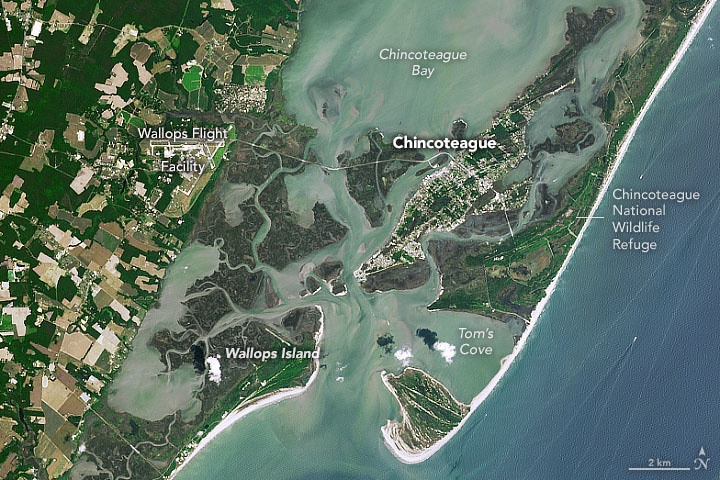
Wallops Island and Chincoteague Bay,
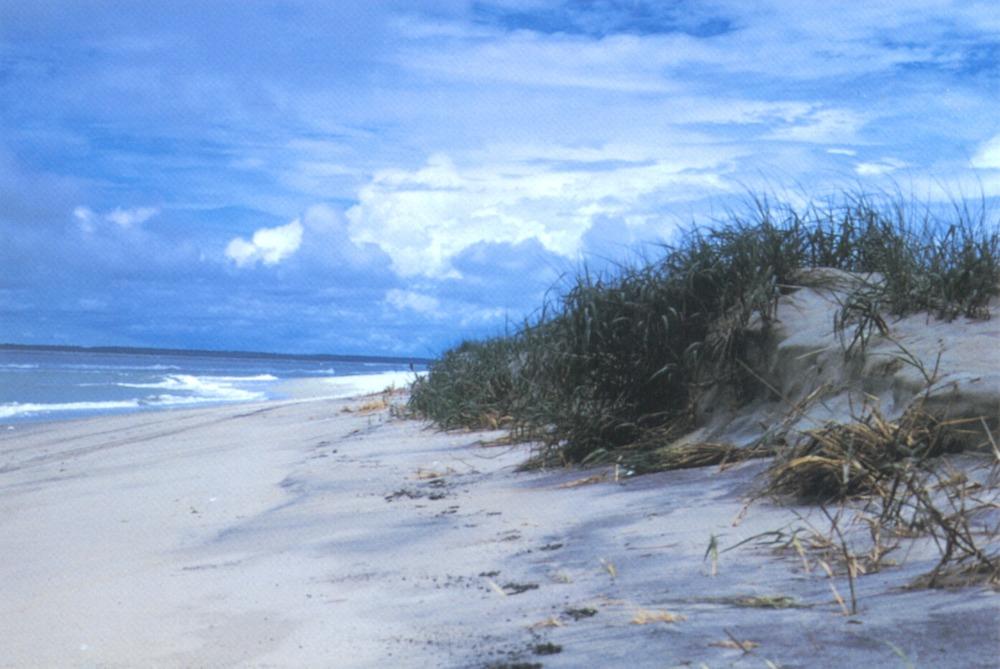
The vista opened to a wide bay dotted with sandbars and low marshy grassland.
Chincoteague Bay, Photo by Rob Shawley, Creative Commons License
The flat landmass made us feel as though we had reached the end of the earth and that was okay. We drove onto Chincoteague and found our hotel, the Comfort Suites, on the bay. There are a few hotels on Chincoteague, as well as motels and bed-and-breakfasts. We chose the Comfort Suites because it offered a room with a terrace that overlooked the bay.
Before there were chain hotels the low marshland hinted at what Rachel Carson wrote about for the U.S. Fish and Wildlife Service in 1947. She explained the importance of the island and its 37-mile-long neighbor, Assateague.
Drawing Courtesy of the U.S. Fish and Wildlife Service
Assateague, a barrier island that protects Chincoteague and Wallops islands from the Atlantic, became a National Wildlife Refuge in 1943. The idea, Carson wrote, was to permanently protect a flyway in the mid-Atlantic for water fowl and other migrating birds. The Chincoteague Wildlife Refuge covers a third of Assateague Island in Virginia with a portion on the Maryland side of the island.
Carson described the island from a birds-eye view. She wrote, “Seen from the air, as the migrating waterfowl coming in from the north must see it, its eastern border is a wide ribbon of sand that curves around in a long arc at the southern end of the island to form a nearly enclosed harbor. Back from the beach the sand mounts into low dunes, and the hills of sand are little by little bound and restrained by the beach grasses and the low, succulent, sand-loving dune plants. As the vegetation increases, the dunes fall away into salt marshes, bordering the bay.”
Chincoteague itself is another story. The Native American Assateague tribe used the 9.3 mile long island for fishing, farming, and hunting. In 1608, the English claimed it as part of the Jamestown Colony and English settlers used it to raise crops and graze livestock.
It wasn’t until the 1800s that people actually began to live on the island as well as farm and fish. Oysters thrived in its shallows, potatoes grew on land, both businesses thrived and found markets in New York and elsewhere in the north. The trade became so profitable that Chincoteague refused, by a vote of 138 to 2, to secede from the Union during the Civil War.
Today small houses and shops line narrow streets close to the town center. Larger homes hidden in pine woods and marsh grass line the bays on the northwest and south sides of the island. Fast food and ice cream shops and family entertainment places run along Maddox Boulevard, the road that leads to Assateague. We gave it a pass on our late afternoon walk and headed down the quiet Main Street.
The one- and two-story buildings make the town feel peaceful and old-fashioned. But that changed when we walked to the water’s edge and spotted an outdoor bar. Don’s Seafood Restaurant was booked up inside, but a covered dining area on the dock seemed like a perfect place to have a drink.
We hoped outdoor dining here would be safe.
The lively unmasked crowd at the bar kept us away but we found a place at a picnic table looking out to the bay and waited for a table for dinner.
Close but far enough away from others.We enjoyed cocktails on Chincoteague Bay. Photo by ConsumerMojo.com
When we got a spot at a table, it seemed safely far from others.
Nick kept his mask on his wrist just in case.
We ordered some oysters on the half shell to start, followed by some blackened flounder. To our surprise the oysters came in foil inside a cardboard box. “Wait, ” I said to the server. “We’re not taking out. We’re eating here.”
“That’s the way it comes,” she said, and we looked at each other and laughed.
Oysters come in a brown paper box when you eat outside at Don’s in Chincoteague.
We learned from our server Laura that all the food came to the outside bar this way. She pointed out that disaster loomed if servers had to carry trays loaded with stuff from the main restaurant across the gravel parking lot. At her suggestion we bought a bottle of Sauvignon blanc inside and brought it outside to enjoy in plastic cups with the paper-packaged meal we ate with plastic forks. The oysters tasted briny and had a nice tang. The fresh flounder came off a local fisherman’s boat and the chef dusted it with hot paprika and cayenne and other blackening spices. A few hush puppies on the side gave the meal an added Southern taste.
Photo by ConsumerMojo.com
On my birthday morning, we woke up to watch the birds fly across the bay and set out to explore.
The wild ponies beckoned. It was the day of the annual pony roundup and we hoped to catch a glimpse of the horses.
Wild ponies graze on seagrass and berries.
The National Park Service calls the ponies feral animals and that means they are the wild descendants of horses that had been domesticated at one time.
Locals tell a couple of stories about how the ponies landed on Assateague Island. One story says that the horses survived an ancient shipwreck off the Virginia coast but no records confirm that. The other, more probable story, has it that horses were brought out to Assateague in the 17th century by owners who wanted to avoid taxes on livestock. The horses then went wild and lived on sea grass and berries.
Wild Pony on Assateague, NASA Photo by Margaret Landis. Public Domain.
The horses have their own organizational scheme. They divided themselves up into bands of two to twelve and each band has a home range on the island. But the National Park Service limits the size of the adult herd to 150 to protect other wildlife and island natural resources.
Horses are herded across the water to Chincoteague. Photo by Bonnie Gruenberg. Creative Commons License. /caption]
That’s where the pony roundup comes in. On the Virginia side of the island, the Chincoteague Volunteer Fire Company owns and manages the horses. The last week of July, they round up the horses and swim them from Assateague to Chincoteague for the “Pony Penning” festival. The next day they hold an auction and sell off the foals and the money supports the fire company.
[caption id="attachment_47068" align="aligncenter" width="1600"] Ponies get herded to corrals and are auctioned off. Photo by Leonard J. De Francisci. Creative Commons License.
Since COVID the auctions have been online, but the roundup continues. We saw penned ponies and one in particular was furious.
We also explored a little of Assateague.
Beach heather and low shrubs grow with more than two different types of grass in the marsh. Photo by ConsumerMojo.com/caption]
[caption id="attachment_47064" align="aligncenter" width="2048"] The adult snowy egret has black legs and yellow feet. Photo by ConsumerMojo.com
Most tourists seemed to come for the beach, which is long and quite beautiful.
This photo from the National Park Service captures a particularly lovely spot without people.
On the day we visited many came early.
We wanted to explore more but ran out of time. We picked up boxed lunches of shrimp salad sandwiches from Captain Zack’s seafood shack and headed to the marina.
Captain Zack’s tells customers they make everything to order. So best to call ahead.
Boat Captain Chris Milliron and his mate Ben Pavlik greeted us with the news that they were both fully vaccinated against COVID. We liked them immediately.
We took this photo after we got to know them.
Chris gave us a safety rundown and warned we would be riding into the waves. We had a great bumpy ride with cool spray pinging our faces and for a few seconds I wondered if seasickness would be part of my birthday celebration. But then I reminded myself to keep my eyes on the horizon. All was well as he steered the boat to a spot were other fisherman had caught flounder earlier in the day.
Nick wrote a book about fishing, Bass Wars, grew up in Florida and knows a little about fishing. Me, not so much. But I like the idea of it. Ben set me up with the rod, and of course, I held it the wrong way. No one bothered to tell me that for a quite bit.
I laughed all day.
Ben explained that we wanted our sinkers and hooks to hit the bottom because that’s where we would find flounder. Sea trout, kingfish, croaker and spot also swim in the shallows of Chincoteague Bay in the summer. I tried to coax the fish to my line as I let it out and felt the slight bump as it hit bottom. It seemed promising. But the fish didn’t bite.
Chris and Ben make a living taking tourists fishing in the summer, and duck hunting in the winter. When the Chincoteague season is over, Chris travels back to his home base in Detroit and takes fishermen out on the lakes in Michigan. In the winter he leads duck hunting groups off of Chincoteague So these guys know the water and wanted satisfied clients.
But for us, the fishing was really an excuse to be here getting slightly wet and salty and basking in the sweet air. I loved being on the water in the middle of the beautiful, fragile ecosystem. The small boat gave us an eye level view of grassy waterfowl hideaways and the nooks and crannies where small animals wandered. It also gave a chance to begin to understand the way the wind, and water shape and reshape the islands and inlets
This NASA photo gives you some idea of what the area looks like.
Chris steered the boat under the causeway up into Mosquito Creek to see if we would have better luck. He told us the local history about a minor Civil War battle near the inlet, but we still didn’t catch fish.
Flounder ignored our hooks.
But as we sat in the creek bordered by marsh grass, Navy E-2c Hawkeye surveillance planes flew overhead. It felt slightly surreal. Teams of pilots in the Hawkeyes went round and round bumping in mock landings on a runway nearby and taking off again. They were practicing aircraft carrier landings.
That morning we had met a group of pilots staying at our hotel and they explained that they did repeated rotations, changing positions in the plane and taking turns piloting after the runway bump. “Is it fun?” I asked after they explained. “Yes,” they said in unison and we all laughed.
But where were our fish? Chris moved us into another inlet and still nothing. Finally, he suggested that we take a break and go clamming at Tom’s Cove off of Assateague.
When the tide pulls back at Tom’s Cove it leaves an expanse of mud that beckons clammers. That’s where the socks came in. You may remember that we were told to bring socks. Chris and Ben suggested we used the cheap socks they had and we hopped out of the boat into the water and tromped into the mud. We laughed, scrambled for balance and slithered through the mud. Our toes and feet sunk down and we tried to move them around to feel for the big Quahog clams that live here. By the time Chris suggested we try one more fishing spot, our hands and legs were covered in mud.
We tried to leave the mud behind.
We had a bucket of almost two dozen clams and I began to think about how to cook them.
Chris had learned from his boss that fish were biting off the hook of Assateague Island.
Nick caught a keeper.
And sure enough the fish finally answered our calls. I caught spot fish and croaker all too small to keep. But Nick landed a kingfish and it felt like a victory for us all.
By the time we left the dock that afternoon, Ben had cleaned and filleted the kingfish and washed the clams so that everything was ready to cook. It was a perfect day. That night we celebrated at Bill’s Prime Seafood and Steak. We enjoyed more local flounder, crab cakes and hush puppies. It wasn’t Mallorca. But the all-American water big birthday was special enough.
In the 1980s Leona Helmsley styled herself as the queen of New York real estate. She posed for ads for the Helmsley hotels wearing an evening dress and sometimes a tiara on her short dark hair. “60 Minutes” profiled her luxurious lifestyle and featured Dunnellen Hall, the 21-room mansion in Greenwich, Connecticut, where she and her husband Harry lived part-time. In the city, the Helmsleys lived in a penthouse at the Park Lane Hotel on Central Park. Their world came crashing down in 1988 when then-U.S. Attorney Rudy Giuliani and New York State Attorney General Robert Abrams brought indictments against them for tax evasion. A jury found Leona Helmsley guilty and she served 19 months in prison.
Helmsley ads sell on ebay for $7.99.
The indictment of Allen Weisselberg and Trump Organization companies echoes the Helmsley case. Weisselberg, the organization’s chief financial officer, is charged with evading taxes on nearly $2 million in compensation. Prosecutors in the Manhattan District Attorney’s office allege that Weisselberg received fringe benefits that really were like salary payments and that he didn’t report them. The indictment charges he failed to pay taxes on a leased Mercedes, a rent-free apartment paid for by the Trump Organization and private school tuition for his grandchildren.
Look back to 1988 when a similar case played out, in federal court in Manhattan, against Leona Helmsley and two of her top employees. She and Harry had charged their Connecticut mansion as a business expense against their commercial properties. They added other extravagances to their business expenses, including a $1 million marble dance floor above the swimming pool, a $130,000 stereo system, a $45,000 silver clock, $500,000 worth of jade objects and a $210,000 card table. Helmsley even claimed her underwear as a business expense.
Barbara Nevins Taylor outside federal court in 1988 at the Leona Helmsley trial.
I was at the trial when a maid who worked at the Greenwich mansion told the court that Leona Helmsley talked with her about taxes. Elizabeth Baum testified that she and Helmsley were talking and she said, “You must pay a lot of taxes.” Baum recalled Helmsley’s reply: “We don’t pay taxes. Only the little people pay taxes.”
Harry Helmsley was also charged in the indictment, but because he suffered from dementia his case was separated from hers and he never stood trial. Donald Trump feuded with the Helmsleys about real estate and taxes. He called Leona “. . . a disgrace to humanity” in a letter he wrote to her before her trial began in 1989. He told Harry Helmsley in a separate note, “You are a great man who has been tarnished by, in my opinion, the actions of Leona.”
Leona hated Trump. She mocked him in private chats with reporters during breaks in the trial. When she was convicted that December, the trial judge chalked her conduct up to “naked greed [and] the arrogant belief that you were above the law.”
Now it’s 2021 and the Trump Organization and its chief financial officer face charges of “sweeping and audacious” tax fraud over 15 years. Trump himself isn’t charged, at least not yet, but he must be hearing echoes of the Helmsley case.
Johnny Mills sat in the darkened front room of his small frame house outside of Sylva, North Carolina. A bandage covered a side of his face where a rash from shingles made him wince with pain. We asked if he wanted us to come back another time, but he said, “No. Work on those roads rescued me and my family and I might as well talk about it now.” It was November 2002, and we were researching American-Made, my history of the Works Progress Administration. As he talked the clock rolled back over sixty years.
Sylva and Jackson County, in the western North Carolina mountains, were firmly Democratic in 1938. FDR’s New Deal was attacking the Depression and his jobs program, the Works Progress Administration, was easing unemployment that reached 25 percent before he took office five years earlier. Mills was a Republican and he feared WPA jobs weren’t meant for him. But his wife Shirley was due to deliver their first child and he needed money for a doctor.
Mills didn’t call it infrastructure. People barely used the word back then. But his experience shows that government projects can fill public needs, help individuals, and bridge ideological gaps all at the same time. It’s a reminder that the divisions that time and again rip Americans apart start with politicians, not the people.
When Mills went to apply, he found to his surprise that politics didn’t dictate his success. The county supervisor was a Democrat, but he approved Mills’ application. “He was a good fellow,” Mills said. “He’d lived up in the mountains and he knew how it was. He wanted to be fair.”
Mills went to work on a WPA road construction crew. Rural North Carolina in the 1930s faced yawning infrastructure shortfalls. Local and county roads were rarely paved, or even graveled. Jackson County, for example, had just half a mile of paving in its 351 miles of road that weren’t state or federal. Commerce suffered. Farmers sank into mud holes trying to drive their crops to town. Impassible roads meant market shelves stood empty. That’s why farm-to-market roads were a major thrust of the WPA’s rural road construction in North Carolina and throughout the country.
Johnny Mills began his day around four in the morning, carrying a lantern to the barn to milk his single cow. Then after Shirley cooked breakfast and packed his lunch, he walked a mile to a main road where a state truck picked him up for the drive to the day’s job site. The crew worked hard. They dug road paths along hillsides, cleared woods, cleaned ditches, and crushed rock into gravel. They made $44 a month. Mills used some of his money to pay the doctor who attended Shirley when she delivered their daughter Patricia at home in April 1938.
The experience silenced for him what was, even then, a popular Republican talking point. Conservatives called the New Deal socialist. They said the WPA put people into make-work jobs of little value, or boondoggles as they were called. Mills disagreed: “When people talked about [us] leaning on the shovel, well, we did a whole lot of work. And a whole lot of hard work. There was some that thought you was on relief, but I know I was working for money when I was doing that. It wasn’t no different than no other job. You earned the money. It was for the needy people Good people, they can’t always help hard times, tough luck. I always figured I tried to make a living for my family. And it was a help to us.”
Today’s North Carolina politicians in Washington are now solidly Republican. But they might heed this echo from the past. The New Deal work of the WPA and other job programs brought America’s infrastructure from the 19th century into the 20th. Today, two decades after it began, we need to move into the 21st. Polls tell us most Americans want transportation, technology, and human infrastructure to match today’s real needs. And they want the jobs that will result. Johnny Mills went bipartisan in 1938.
Representative Madison Cawthorne, who represents Sylva and western North Carolina, should rethink his vote earlier this year, when he sided with other House Republicans against funding programs that could improve the communities he represents. Senators Richard Burr, Tom Tillis and Republicans in other states also should consider putting partisan ideology behind. Minority Leader Mitch McConnell won’t sink into potholed roads or be unable to sign on to the internet in the states that won’t get funds. Ordinary Americans will have those problems, when instead they could be driving on smooth roads, crossing new bridges, and enjoying rural broadband access that connects them to the world.
I volunteered to make calls for a friend running for a city office and it surprised me when people actually answered the phone and wanted to talk. I found it even more surprising when regular voters said they felt confused about ranked choice voting. That made me realize we definitely need more information out there.
More than 73 percent of voters in 2019 approved ranked choice voting in a ballot referendum. The idea was to get rid of expensive runoff elections when one candidate did not get over 40 percent of the vote.
Voting in Soho. Photo by ConsumerMojo.com
So here we are confused about ranked choice voting and a lot of us wonder how we’ll work it out.
Thebasics of ranked choice votinggo like this:
1. You choose your favorite candidate as your number one.
2. You then choose four other candidates in order of preference.
3. In the first round of counting, the candidate with least number of votes gets eliminated. If your top candidate is eliminated your vote goes to your second choice or the highest ranking person on your ballot.
If by some miracle over 50 percent of us have the same idea on the first round, the person with more than 50 percent of the vote wins. But if that doesn’t happen, a computerized process run by the New York City Board of Elections will keep reallocating votes to eliminate those with fewest votes.
It’s too bad that we have to rely on the famously inefficient city elections board, which should have been reformed decades ago. But that’s where we are and it’s still important to vote because we will have a sea change in city government. The mayor, all fifty-one city council seats, the public advocate, the comptroller, the borough presidents and district attorneys are all up for election.
Race for Mayor
Nine of the thirteen Democrats running for mayor have the financial support that put them in the major debates. They include alphabetically:
Eric Adams
Shaun Donovan
Kathryn Garcia
Raymond McGuire
Dianne Morales
Scott Stringer
Maya Wiley
Andrew Yang
On the Republican side:
Fernando Mateo
Curtis Sliwa
Race for Public Advocate
If the mayor leaves office, the public advocate becomes mayor until a special election.
Theo Chino Tavarez
Anthony Herbert, Sr.
Jumaane Williams
Race for Comptroller
The comptroller keeps track of the city’s money, trusts and pension.
Brian Benjamin
Michelle Caruso-Cabrera
Zachary Iscol
Corey Johnson
Brad Lander
Terri Liftin
Alex K. Pan
Kevin Parker
Rashima Patel
David Weprin
You can find your city council candidates through NYCVotes, created by the New York City Campaign Finance Board. It’s the independent agency that watches over elections. You can also find information on NYCVotes about all the candidates including the borough presidents and the district attorneys.
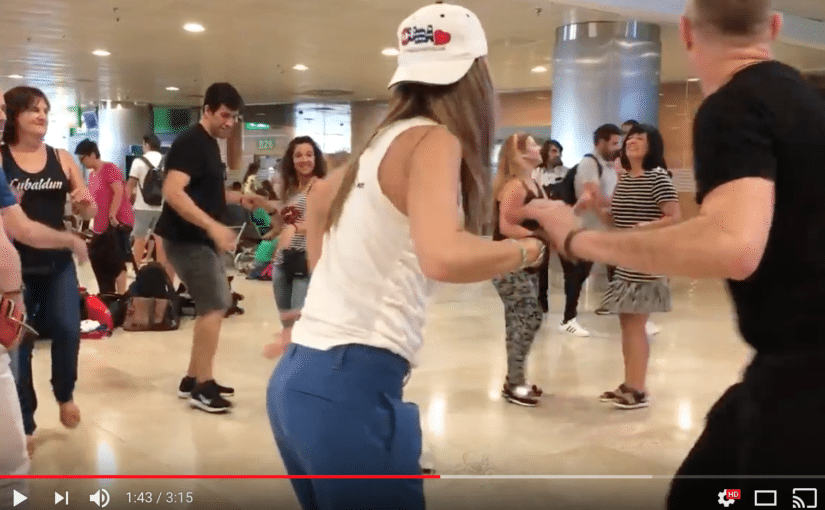
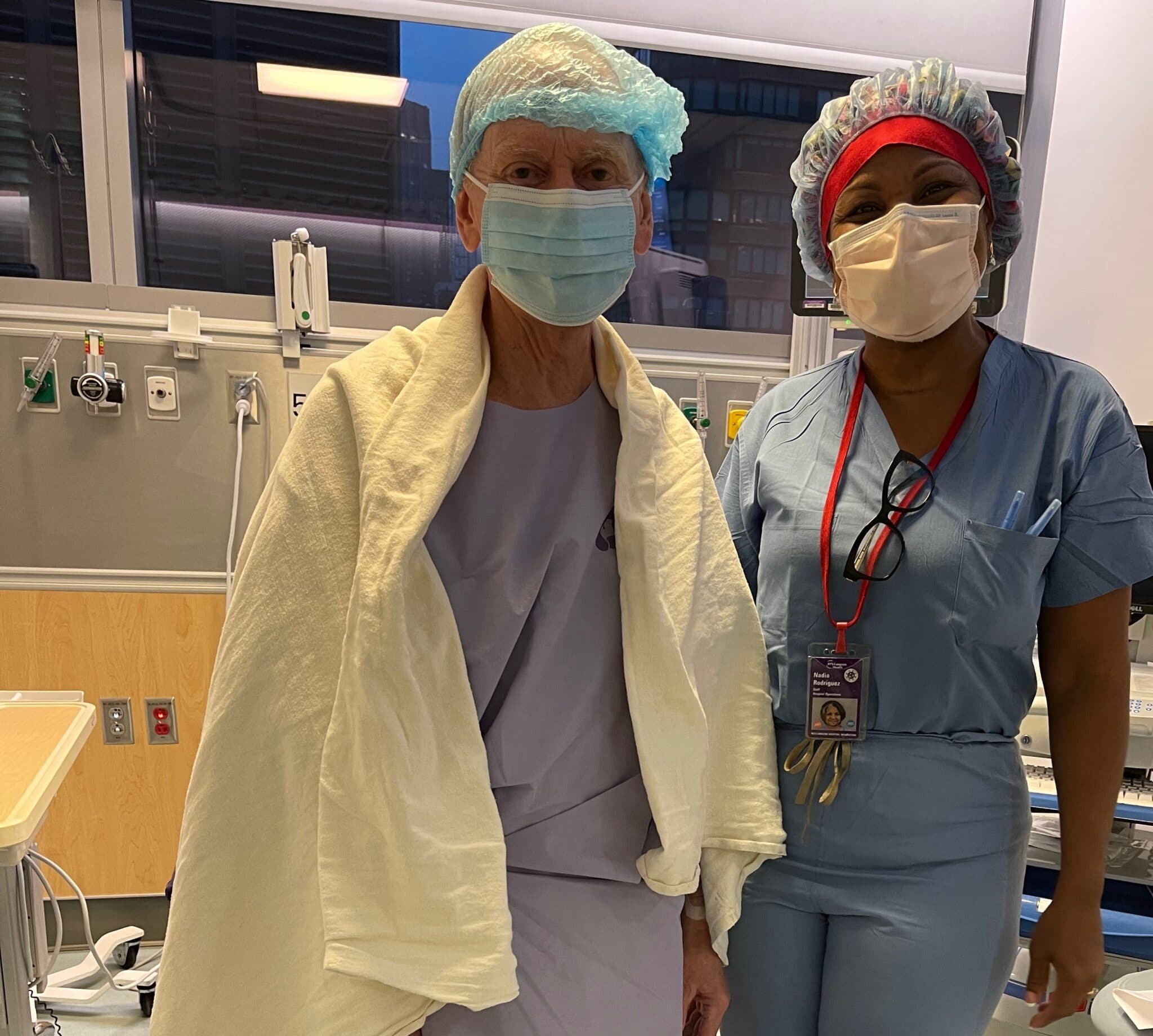
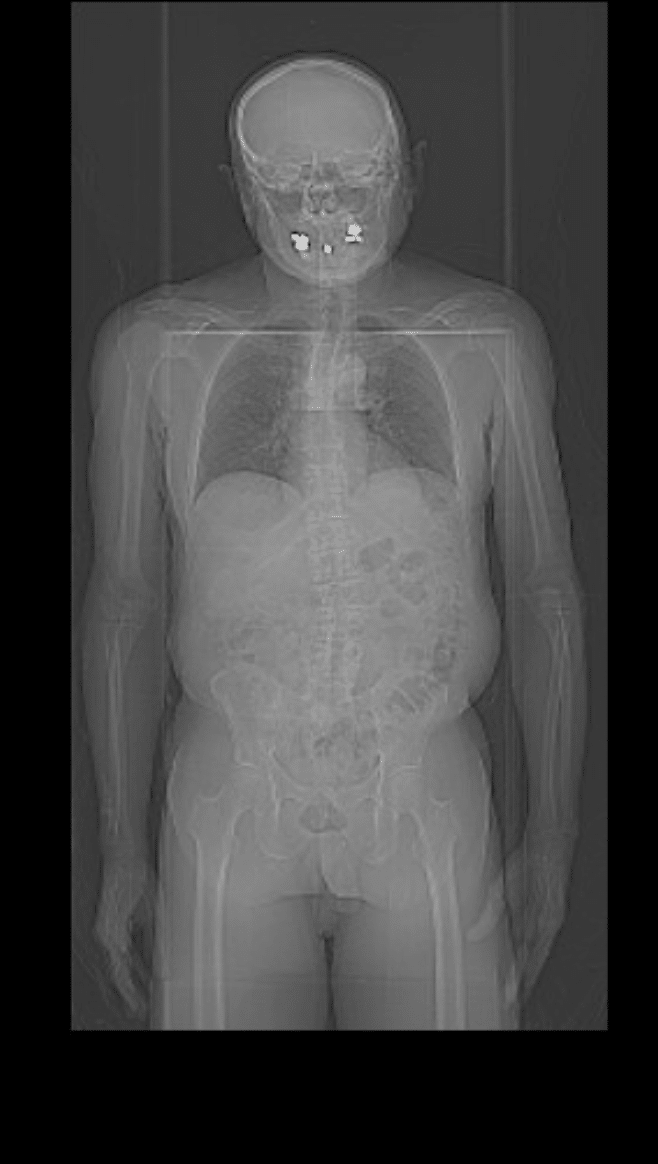
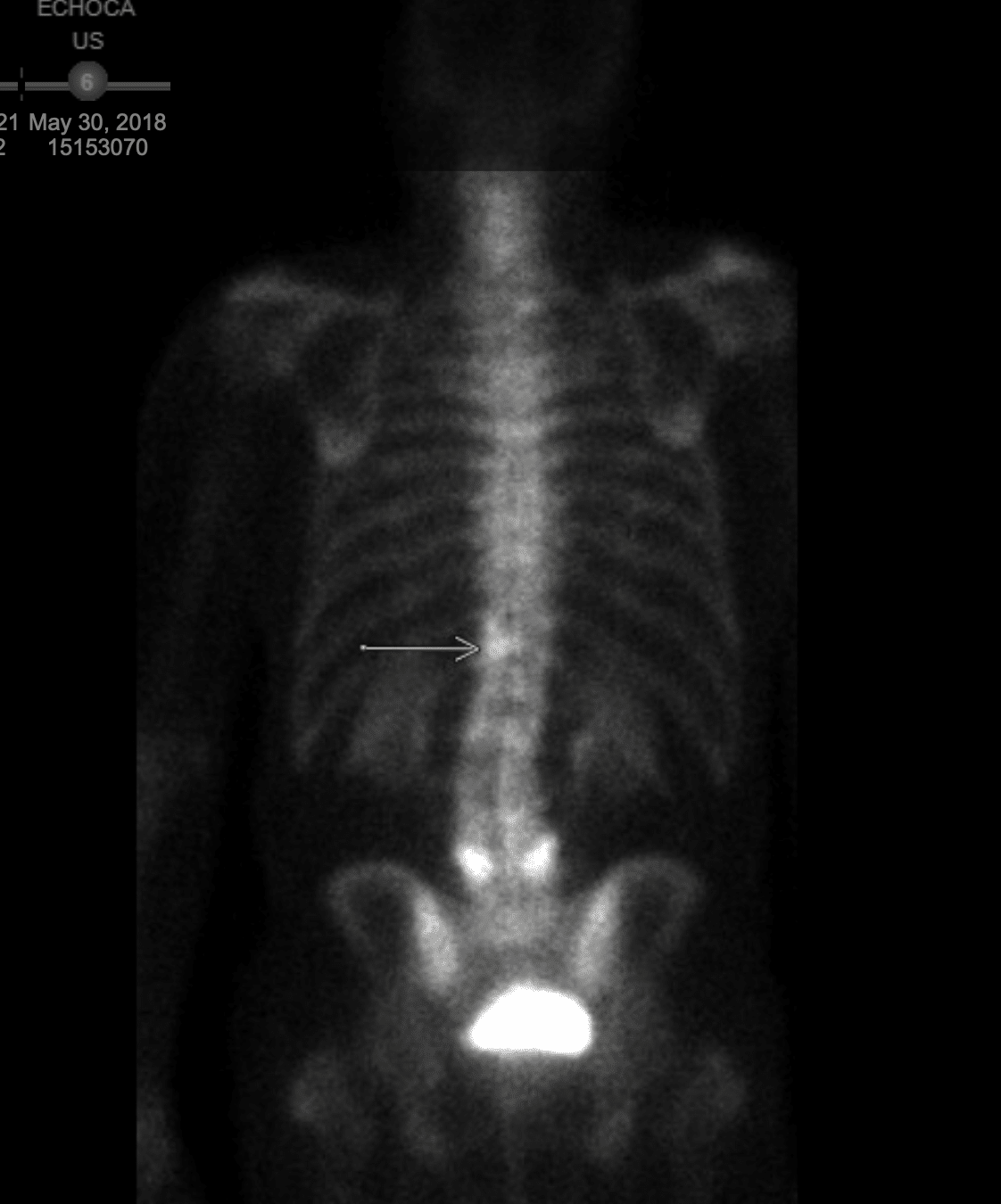
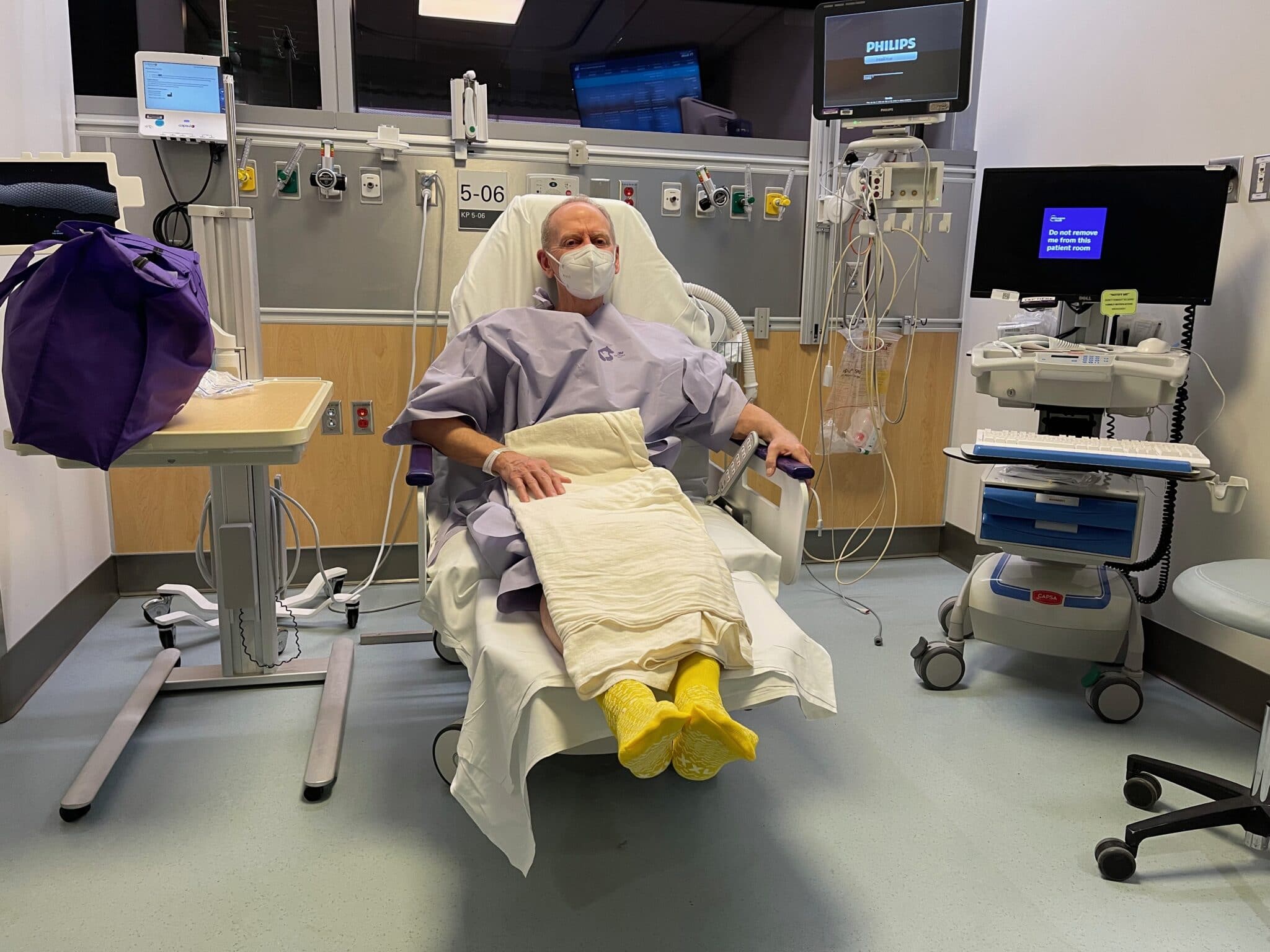
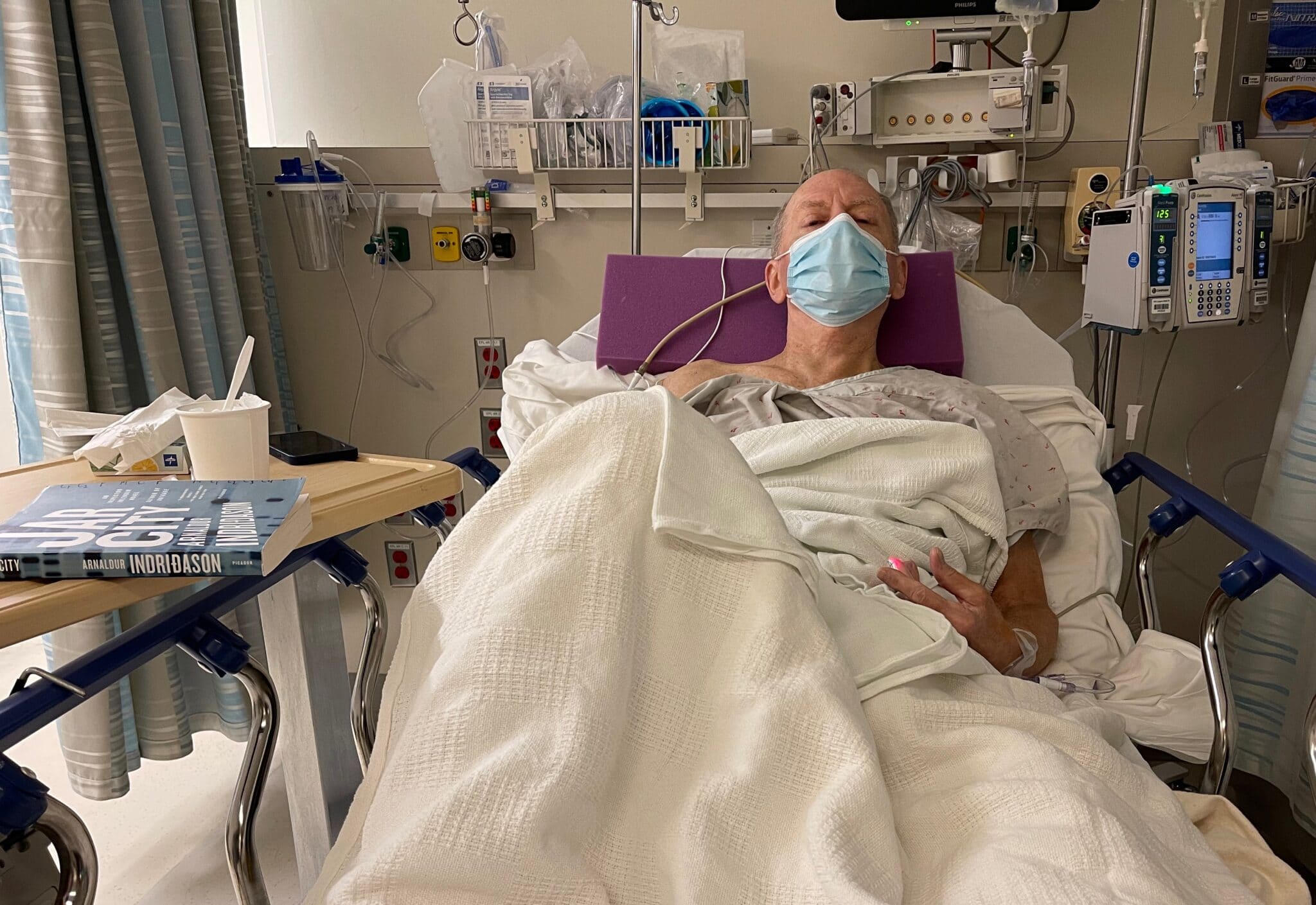
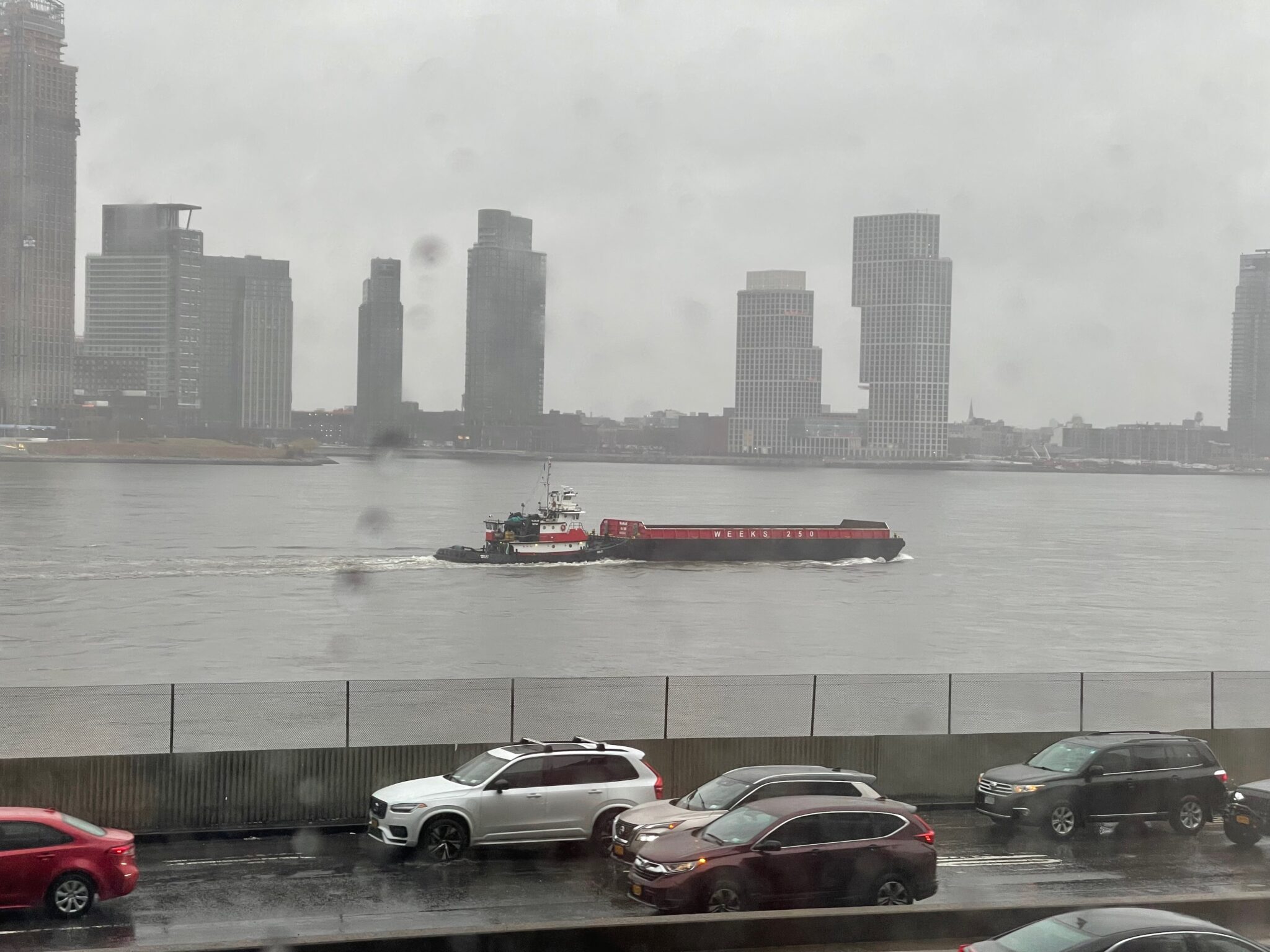
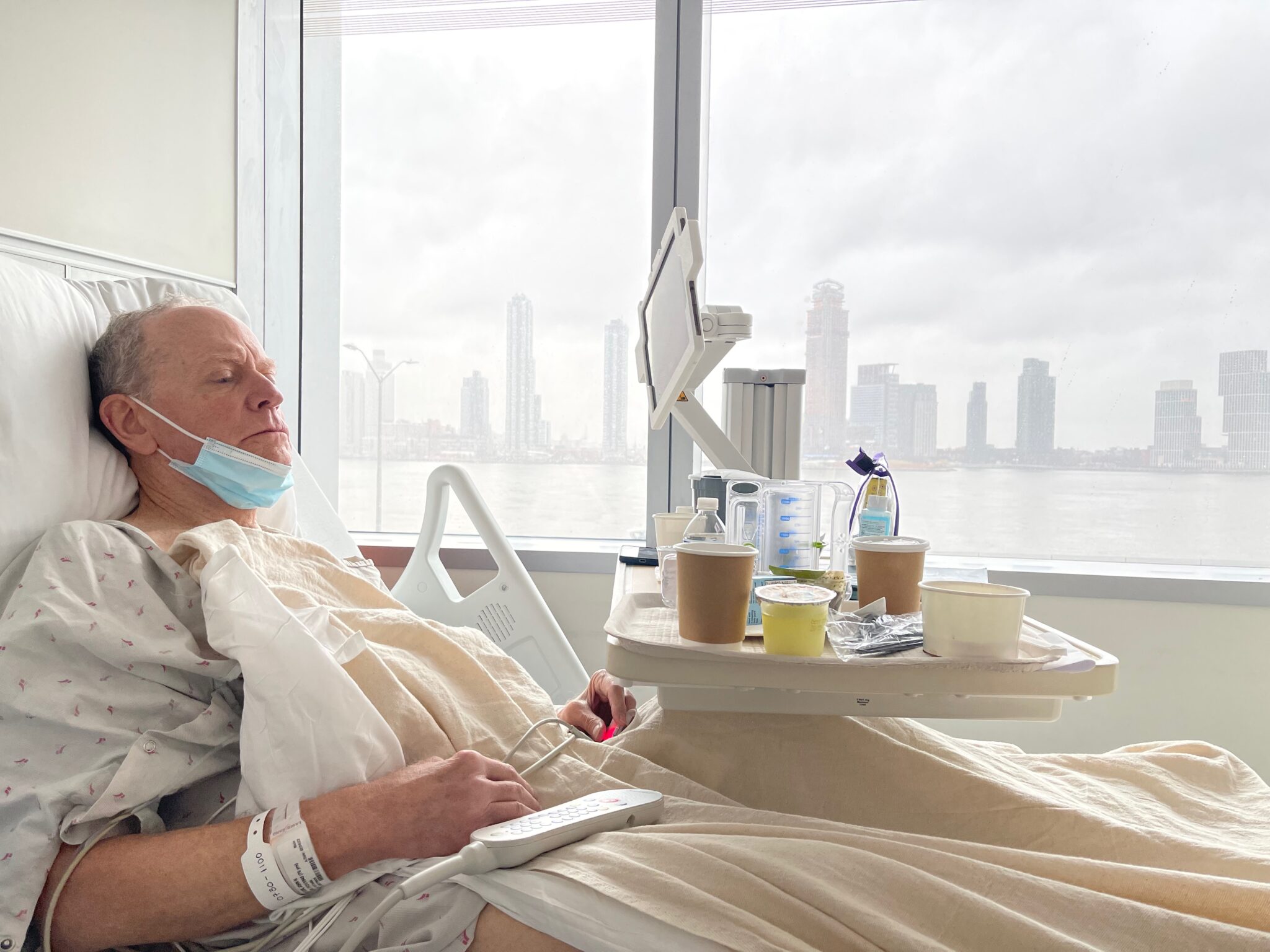
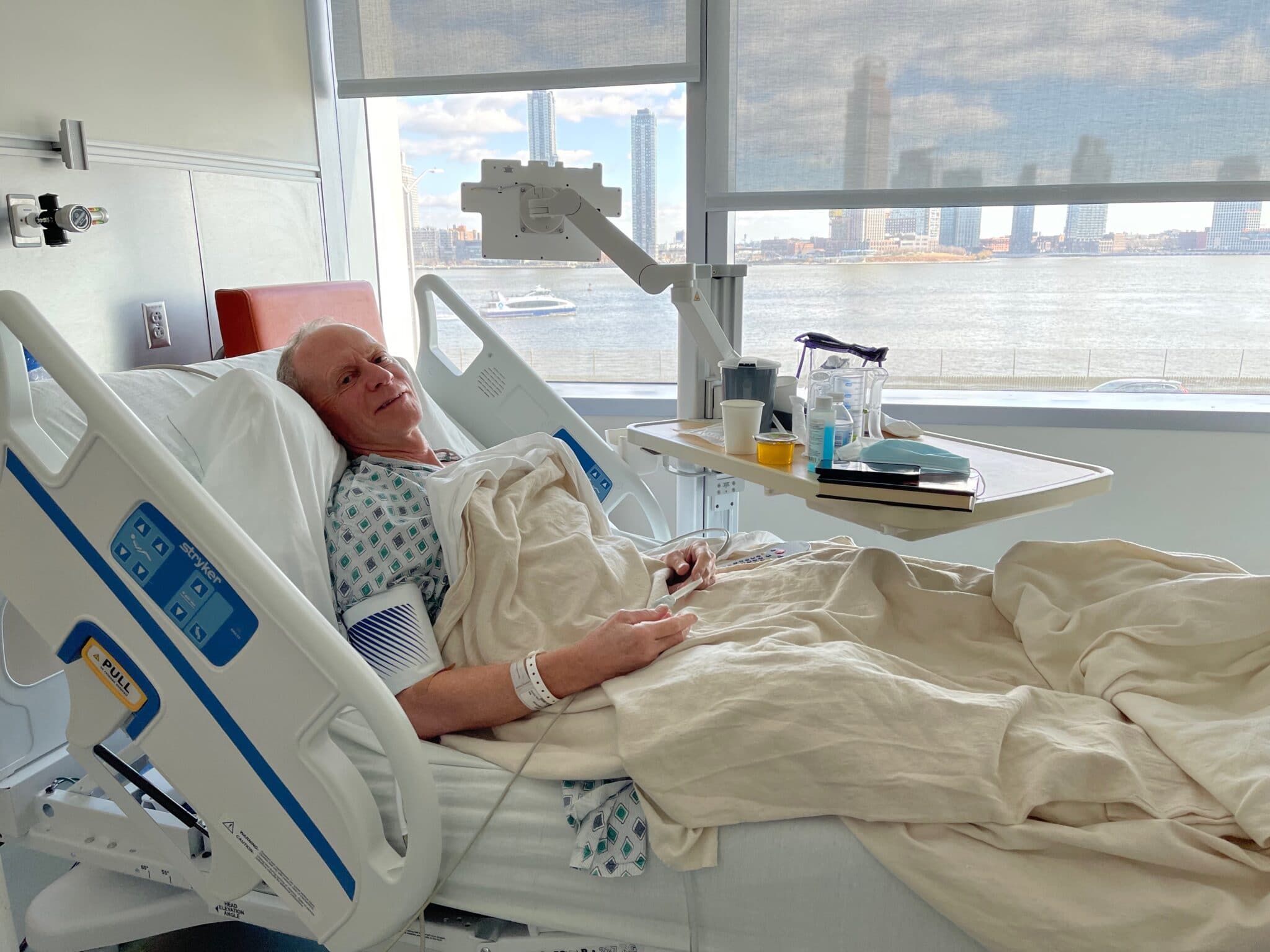
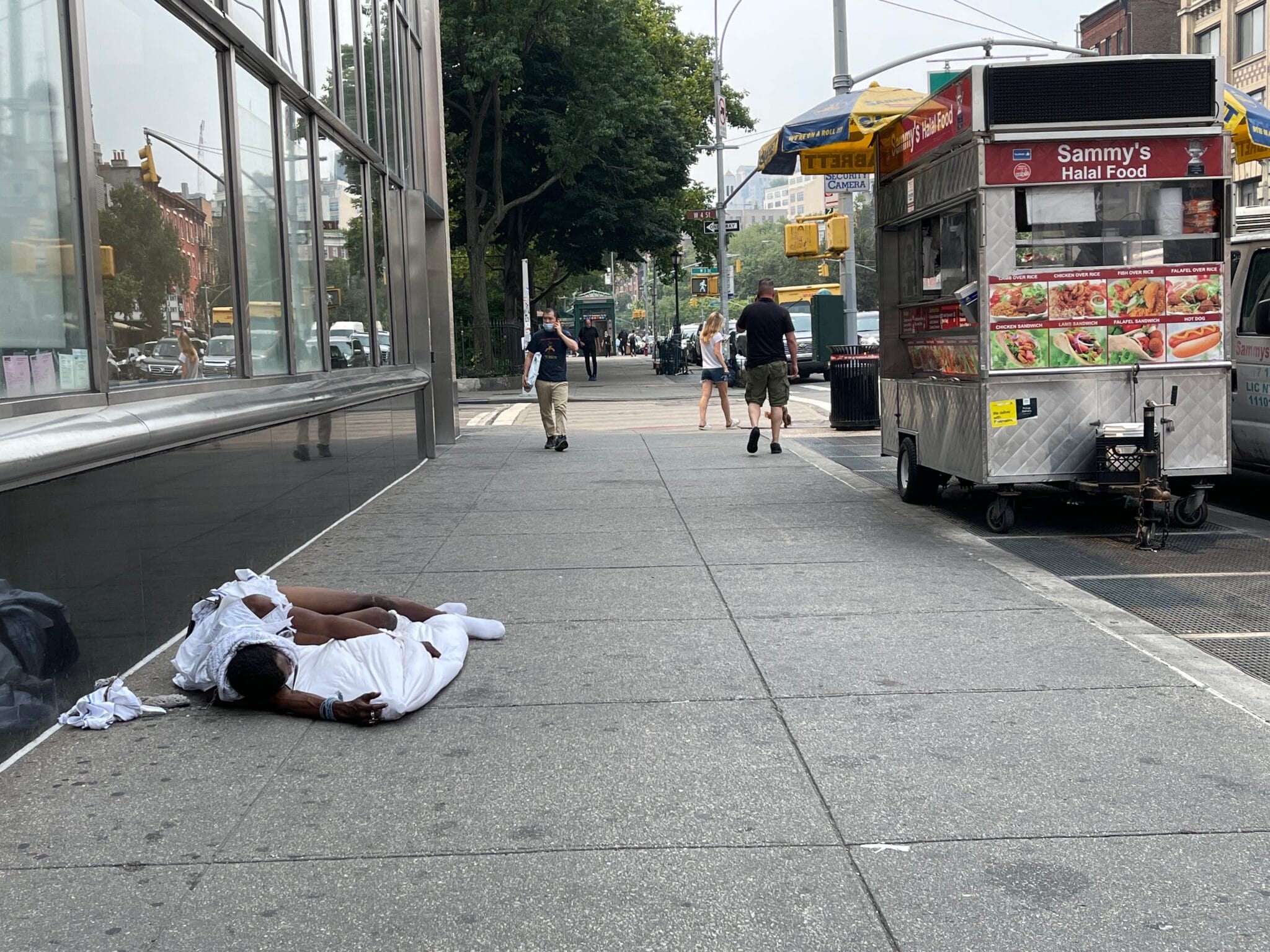
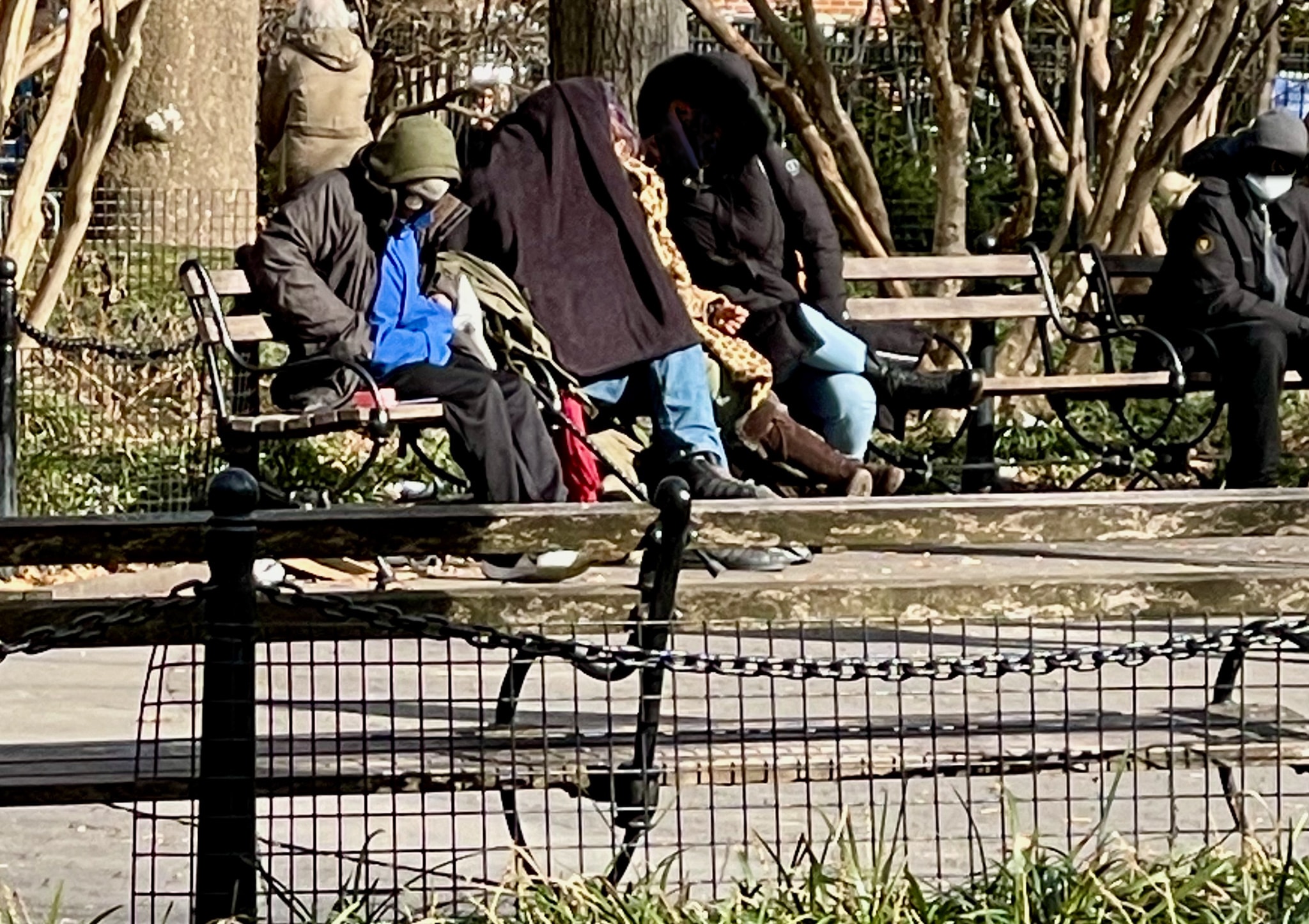
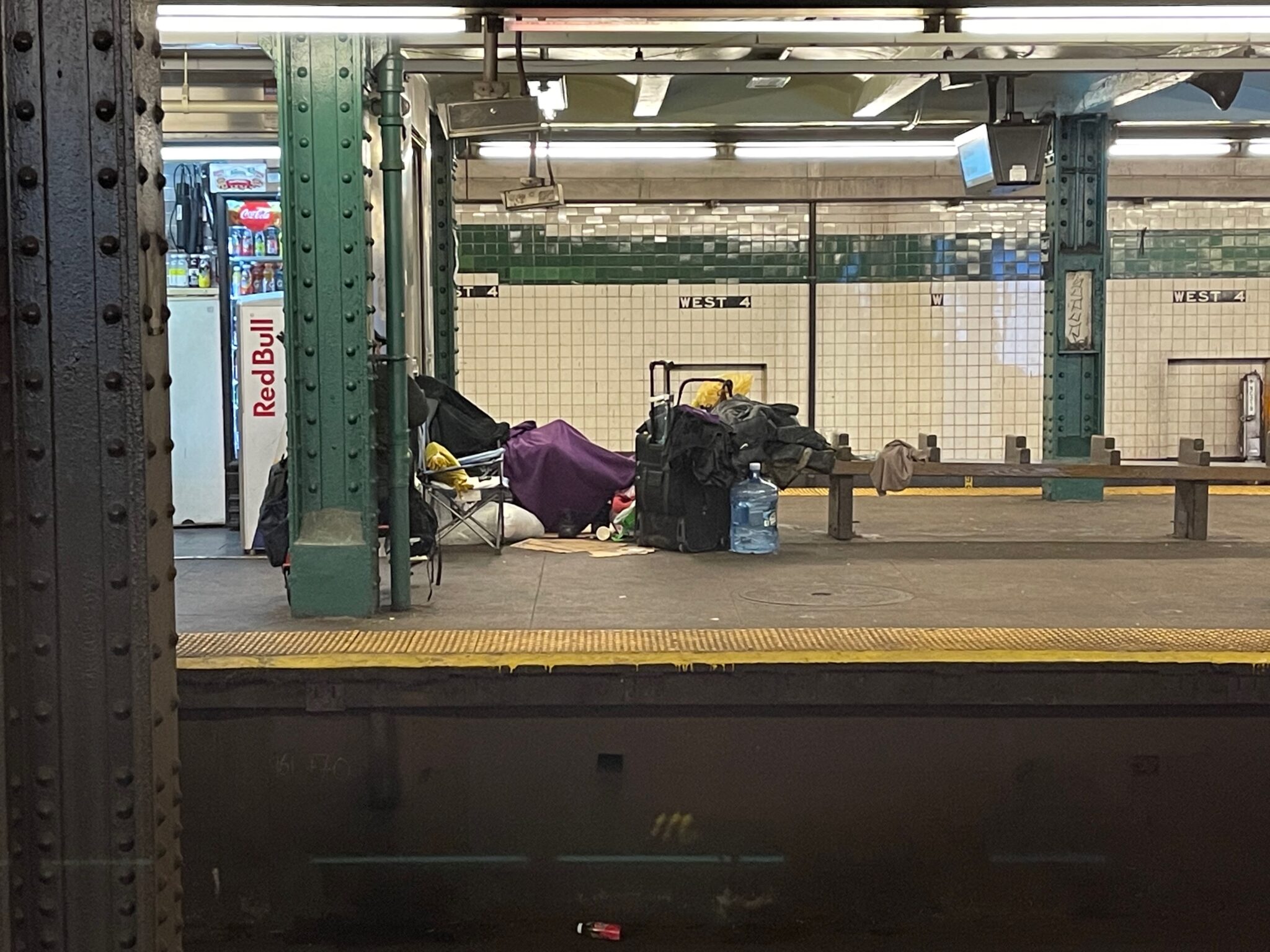
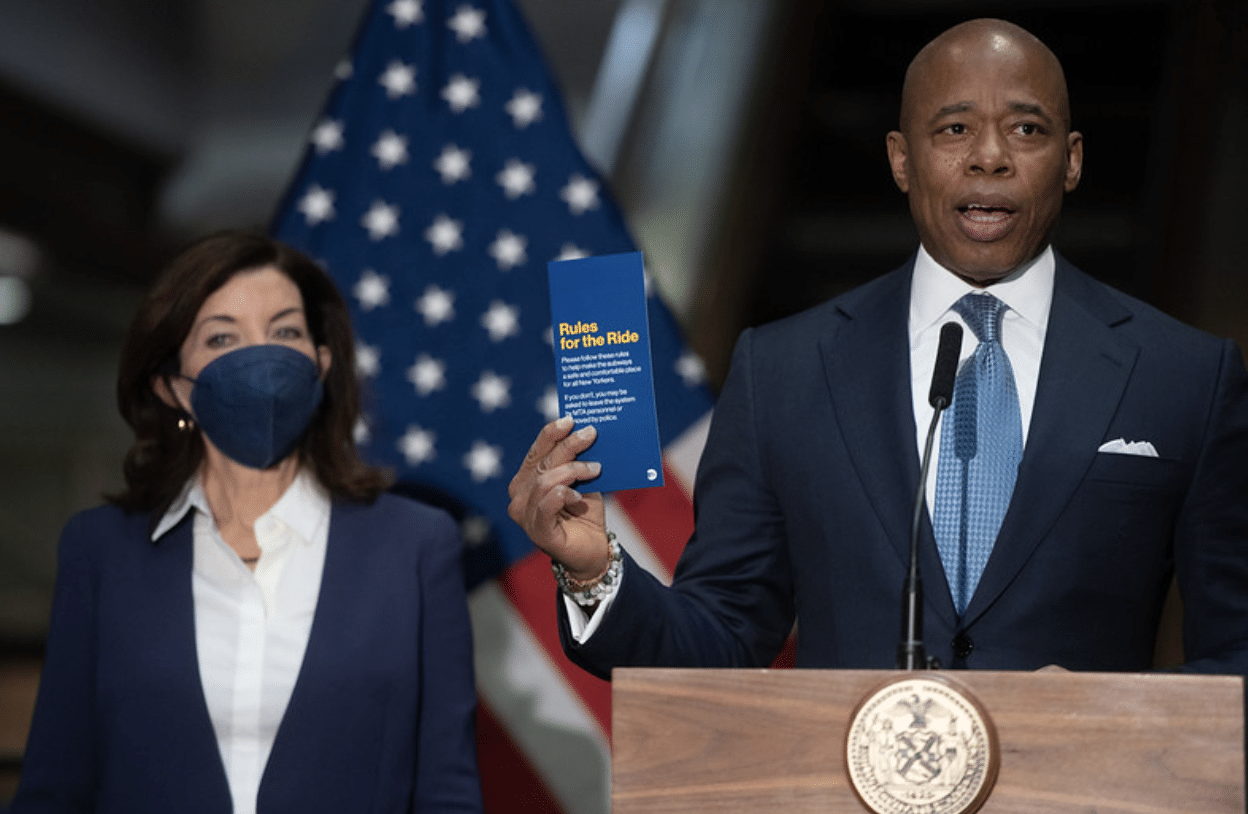
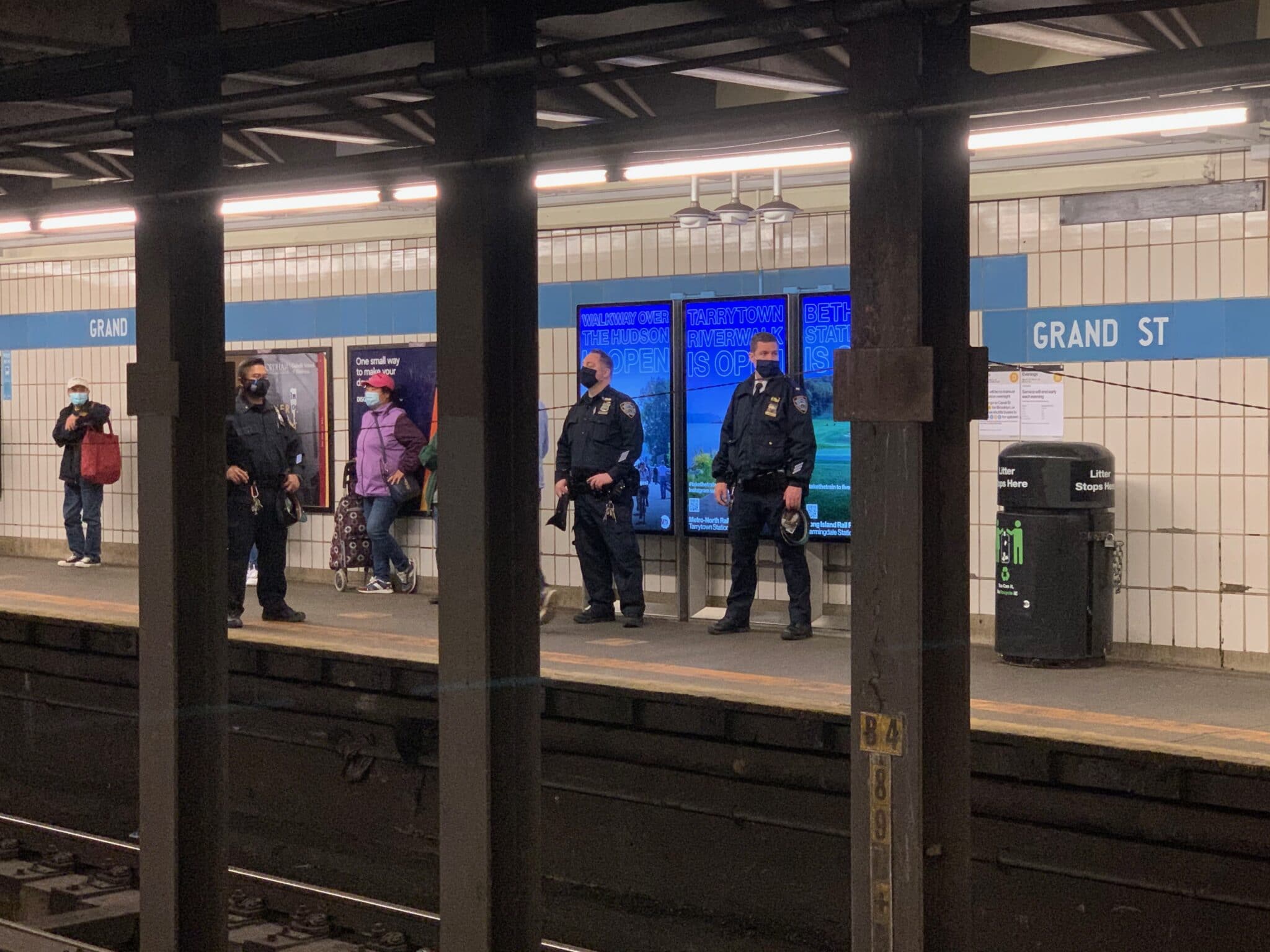
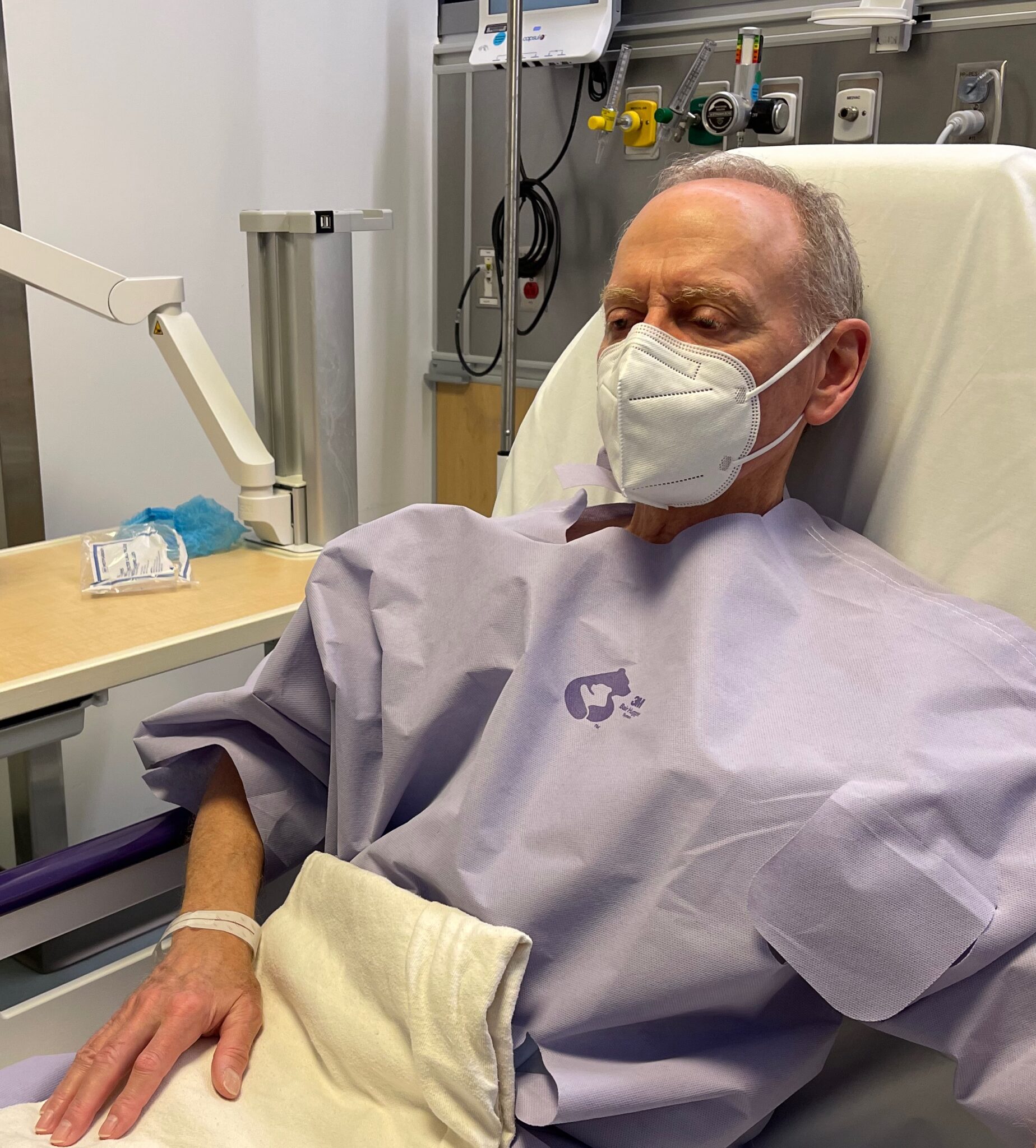
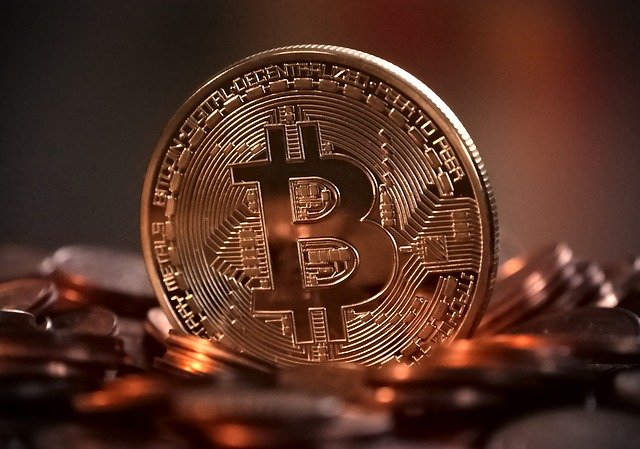
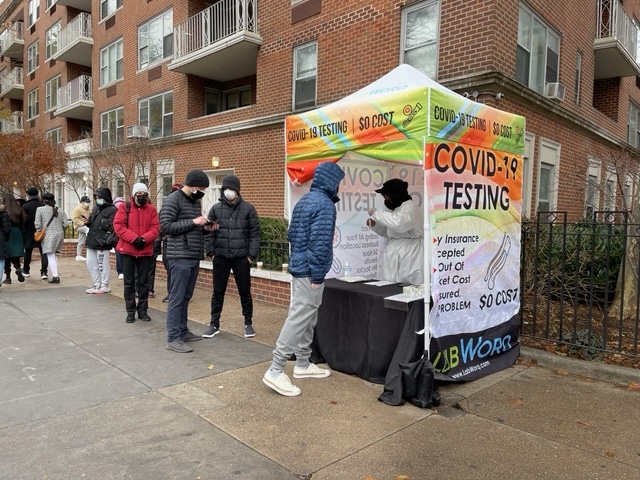
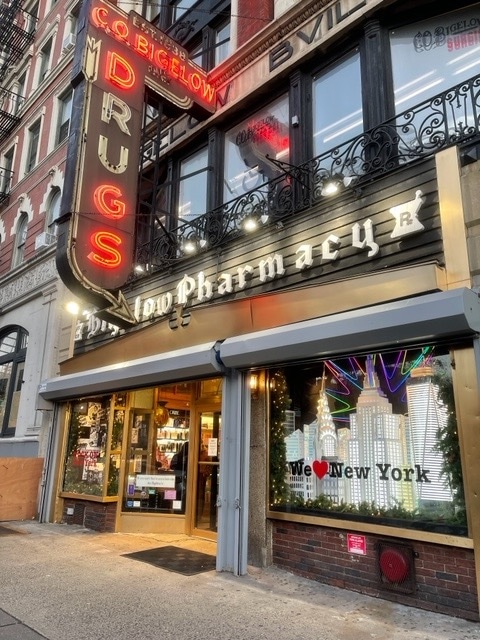
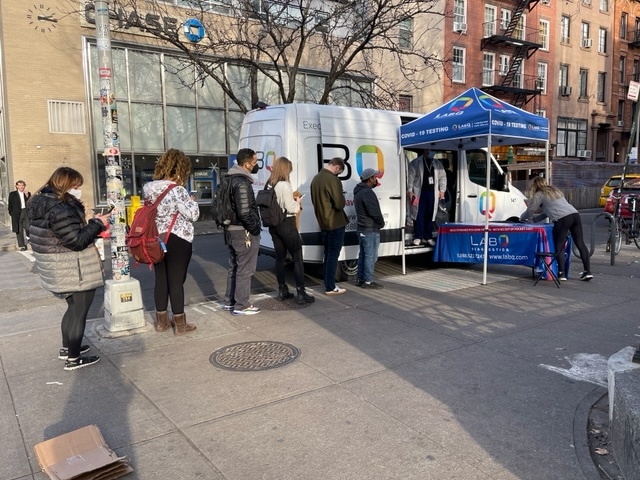
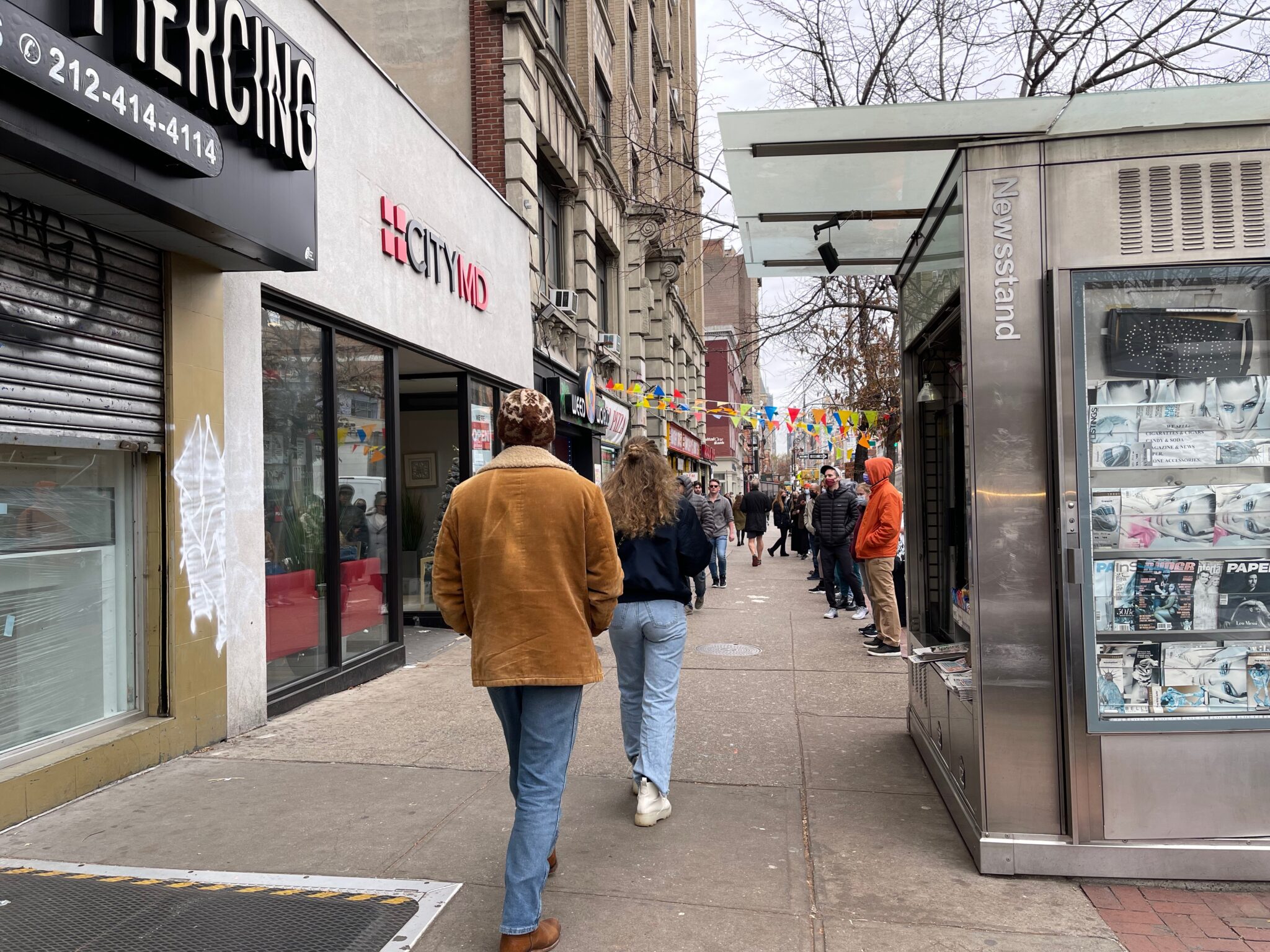
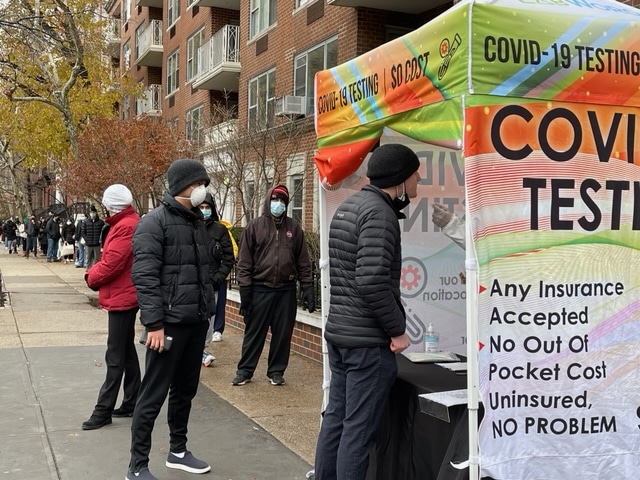
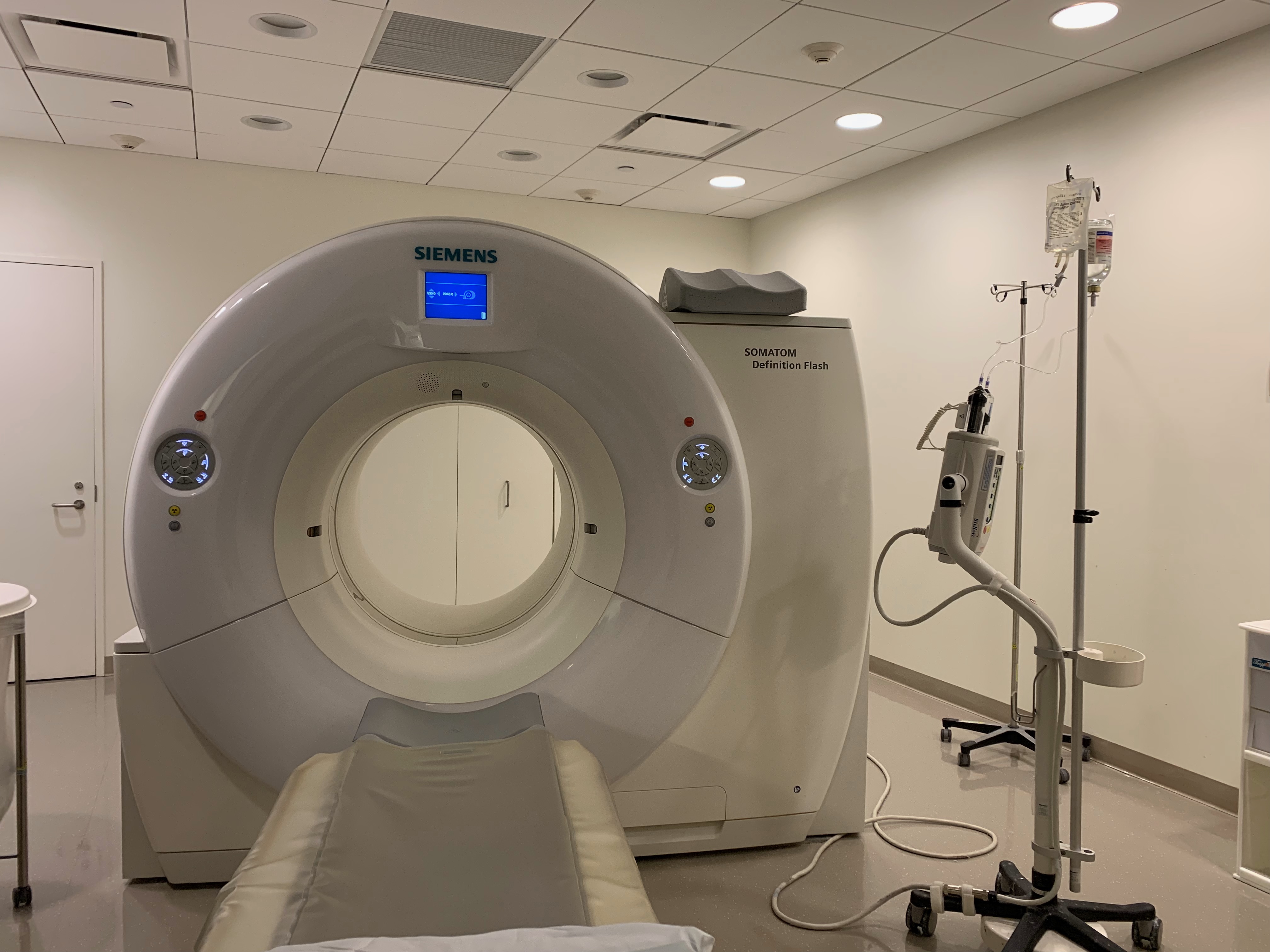
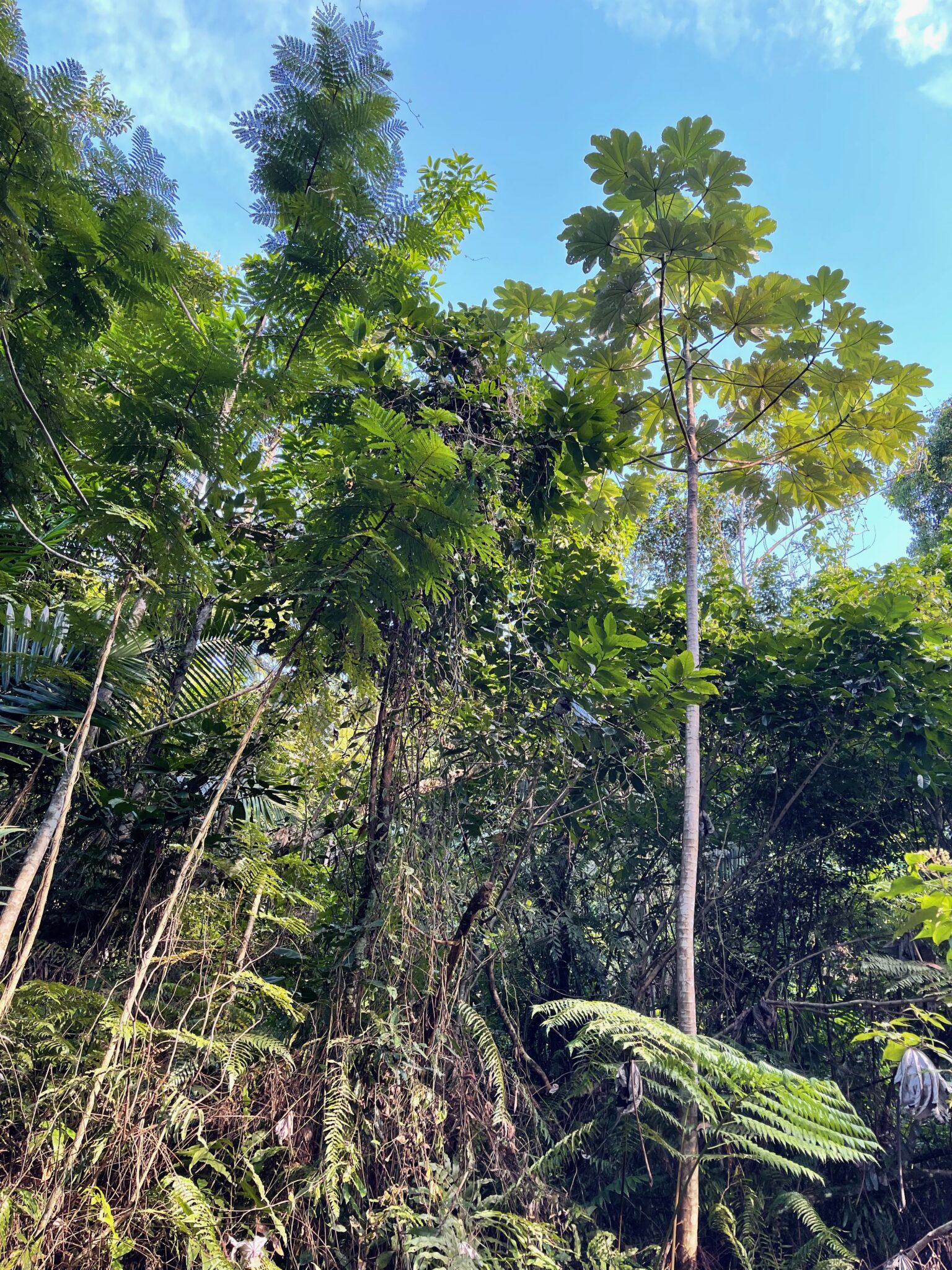
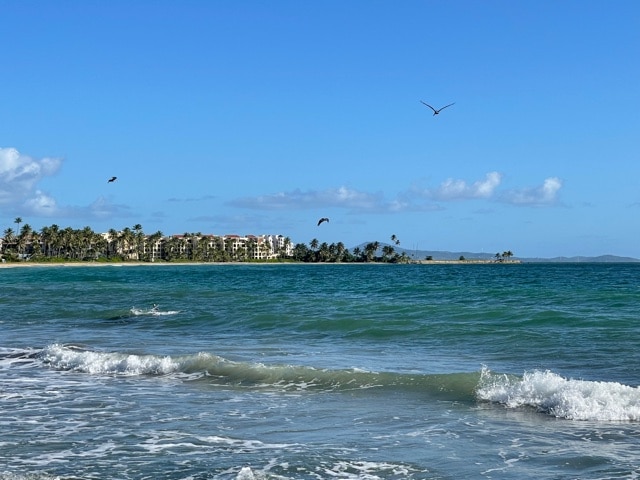
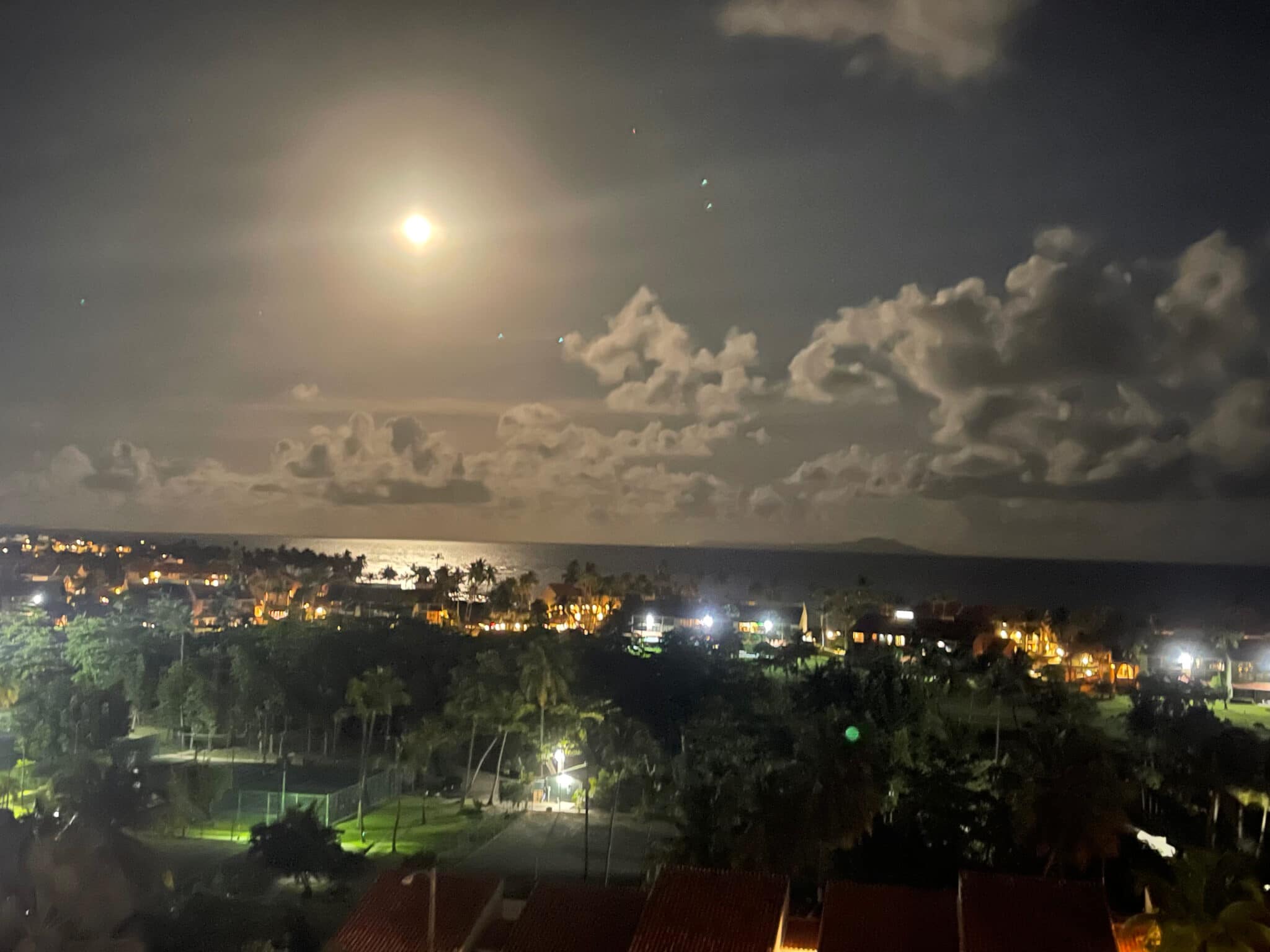
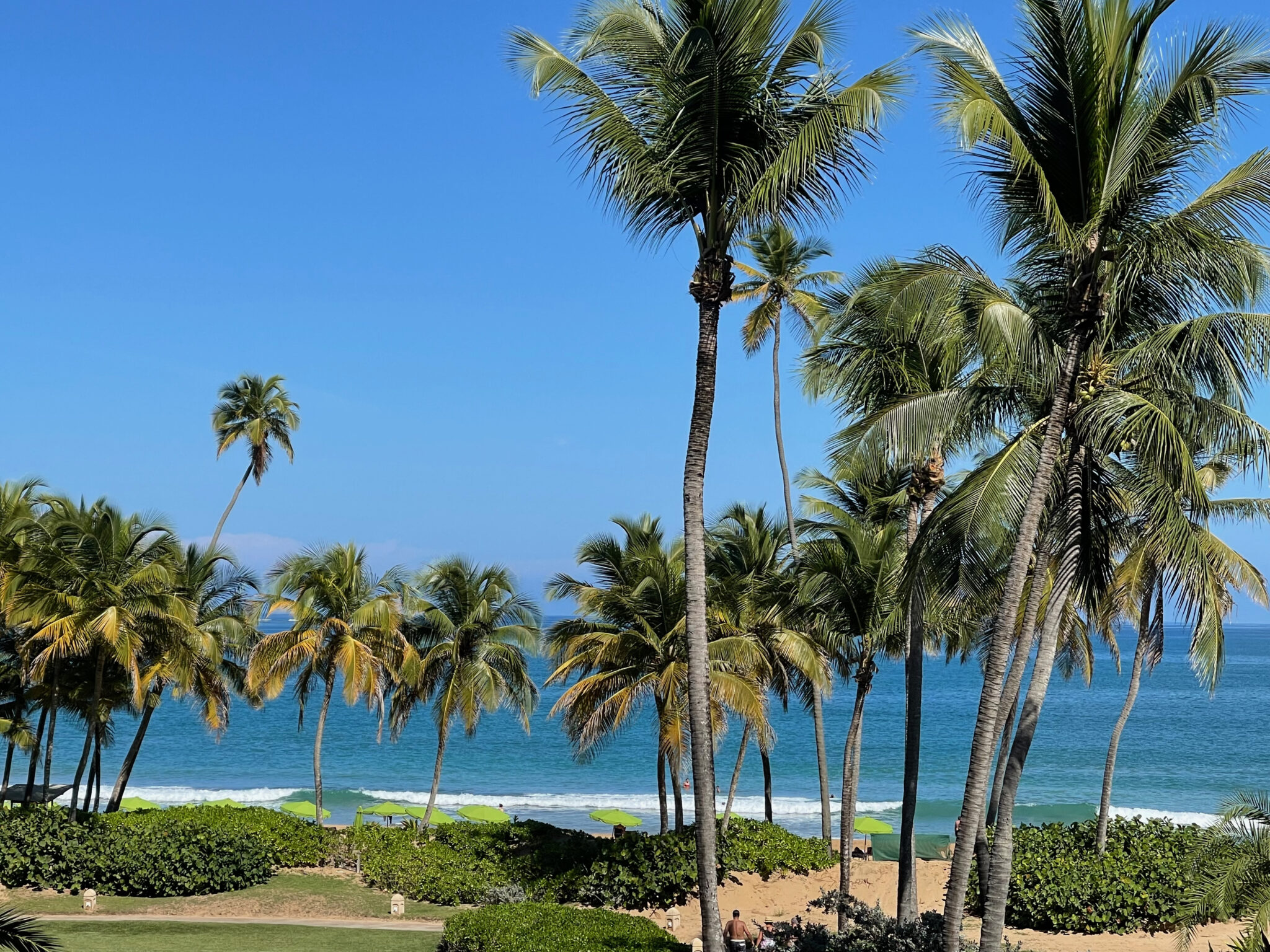
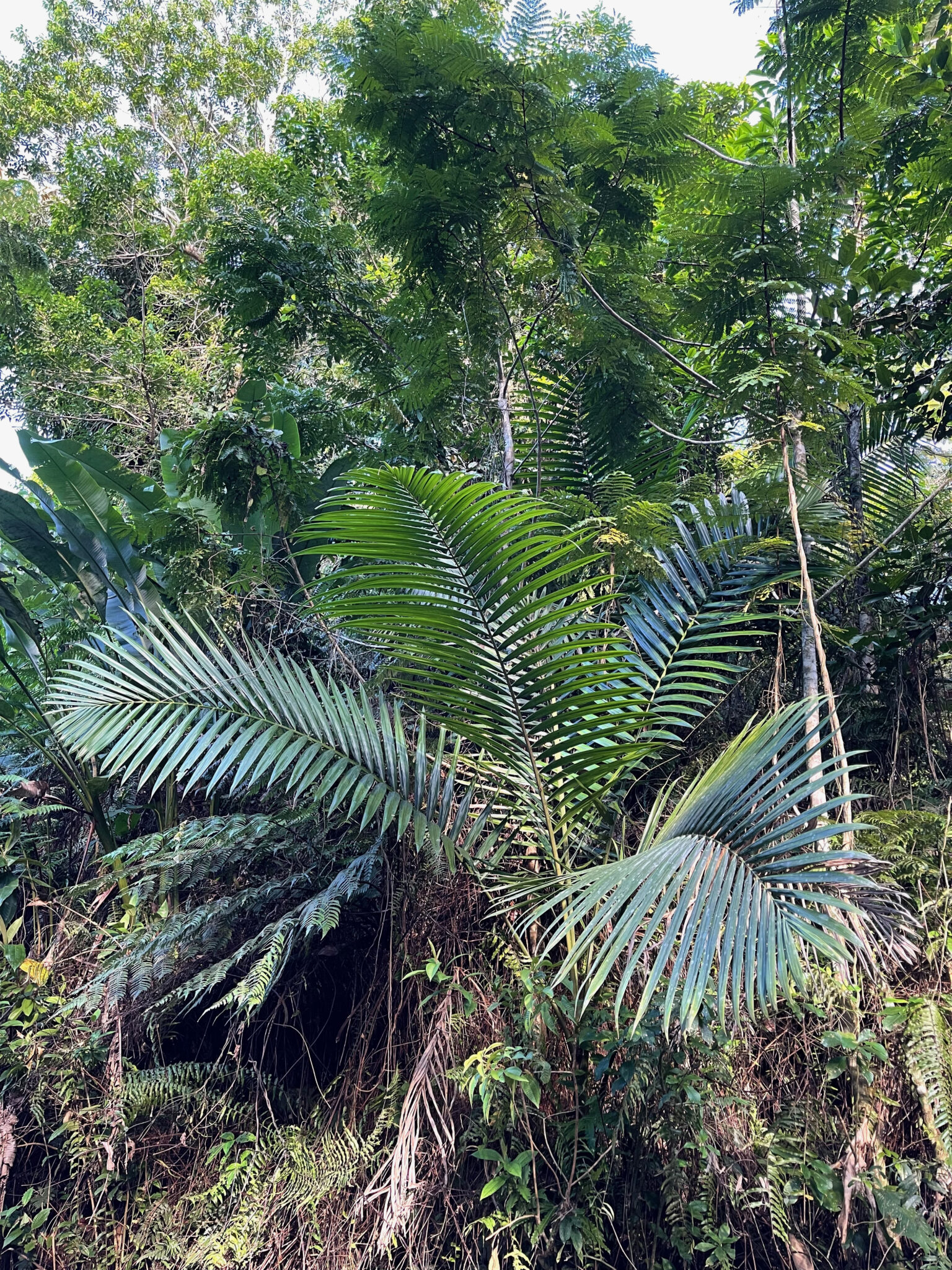
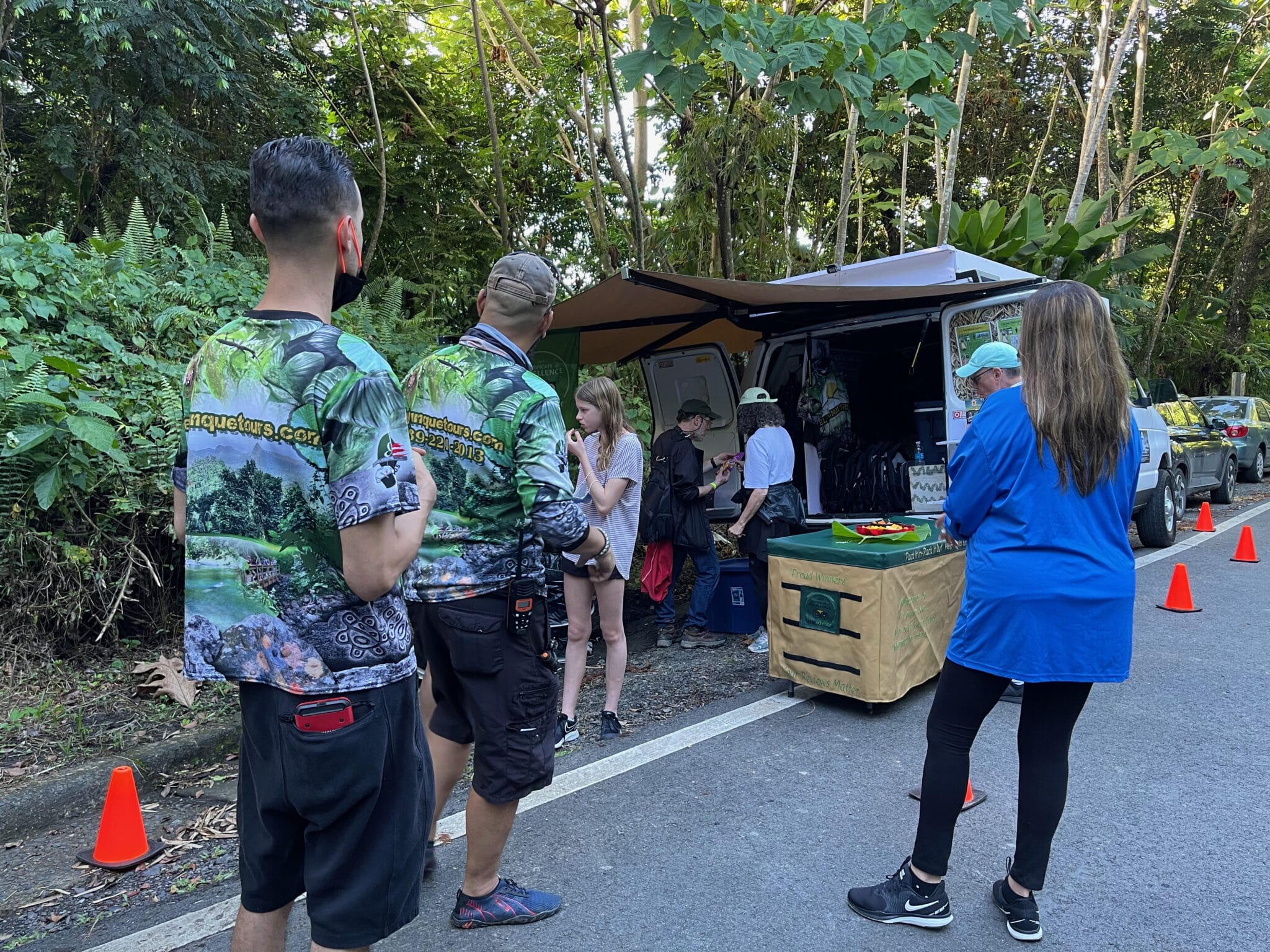
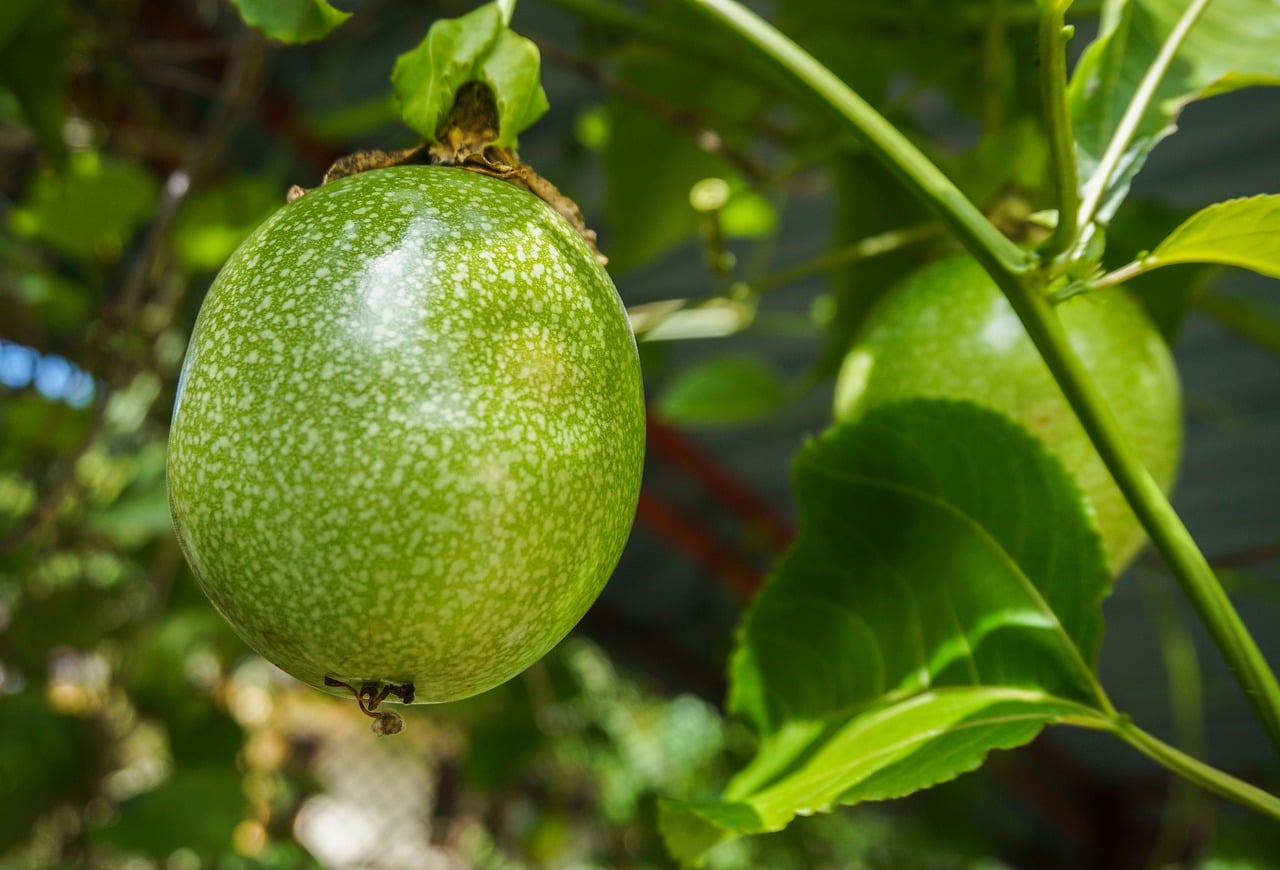
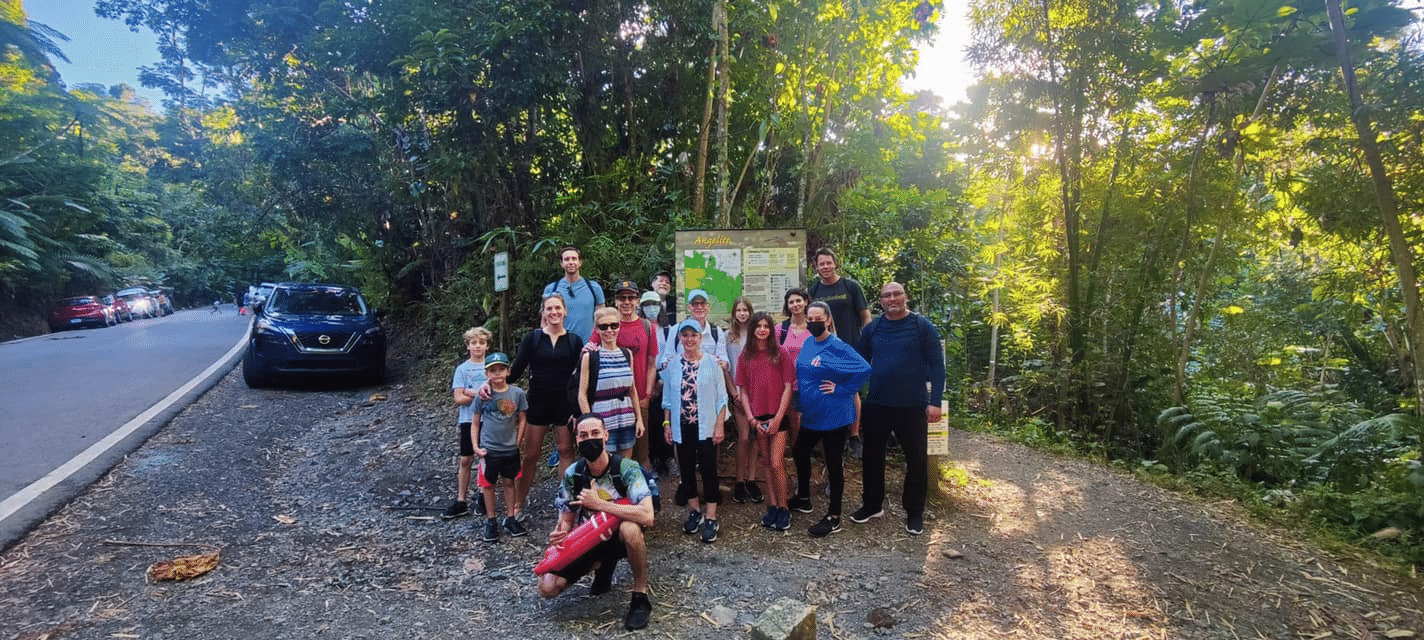
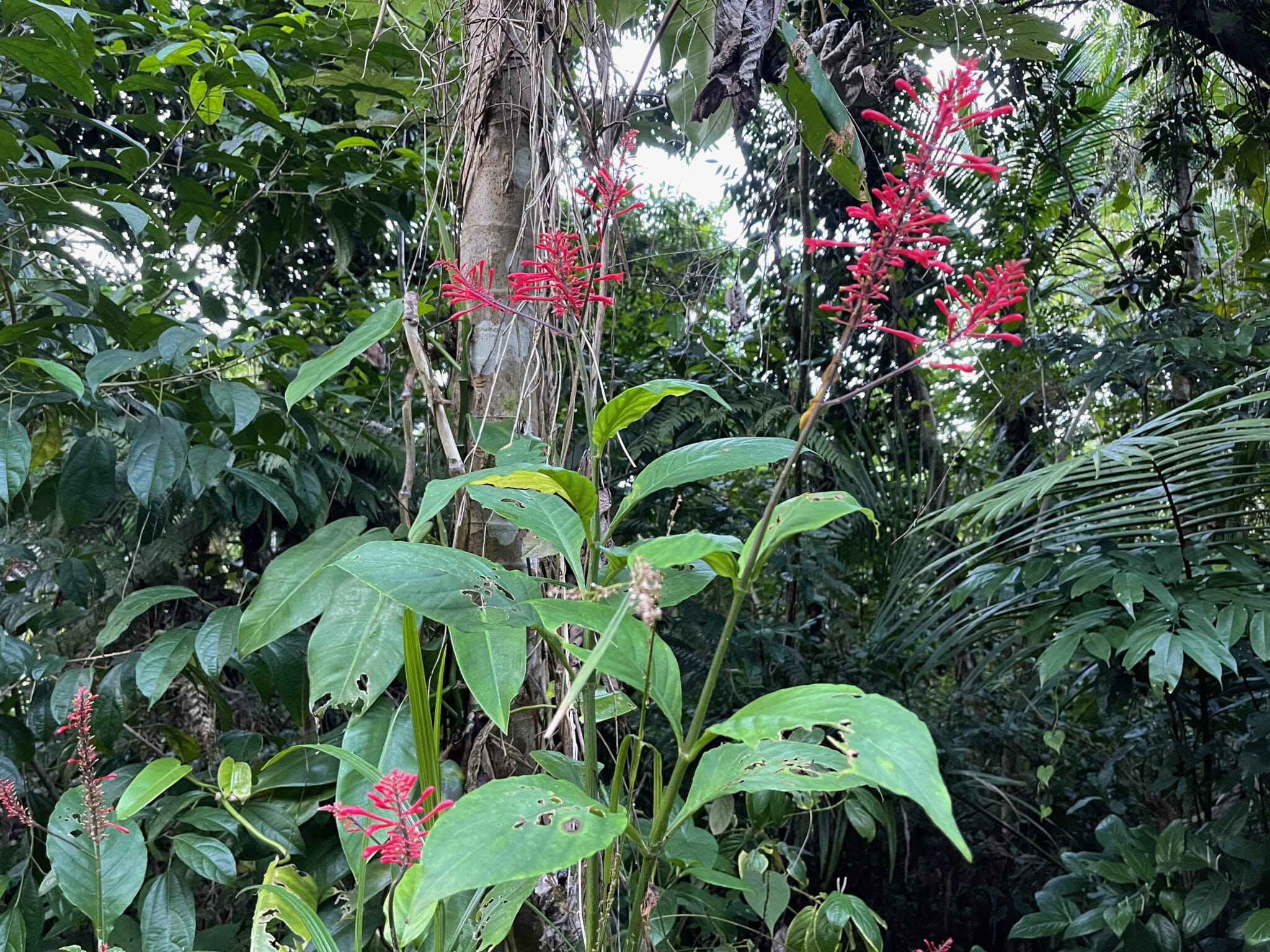
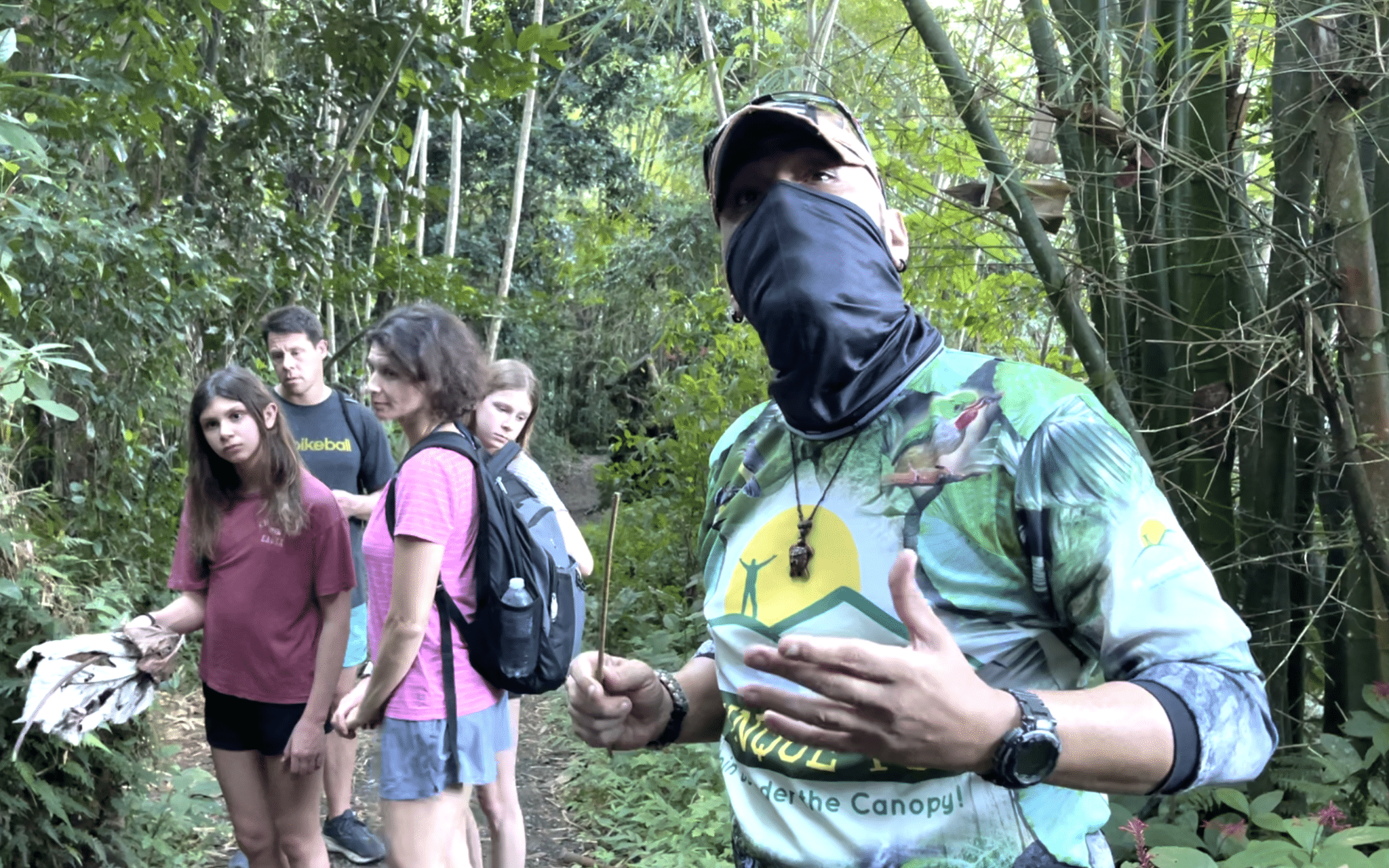
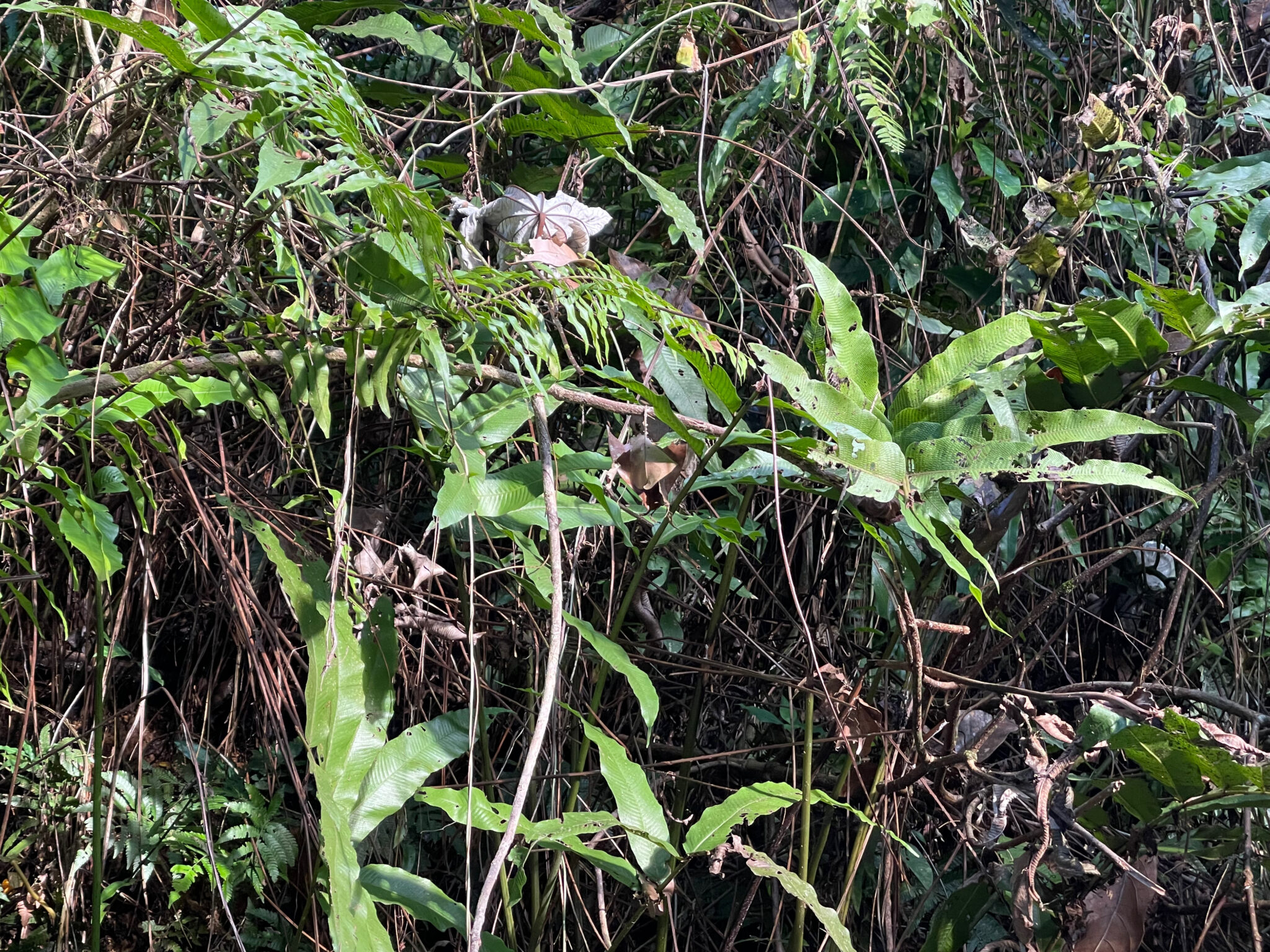
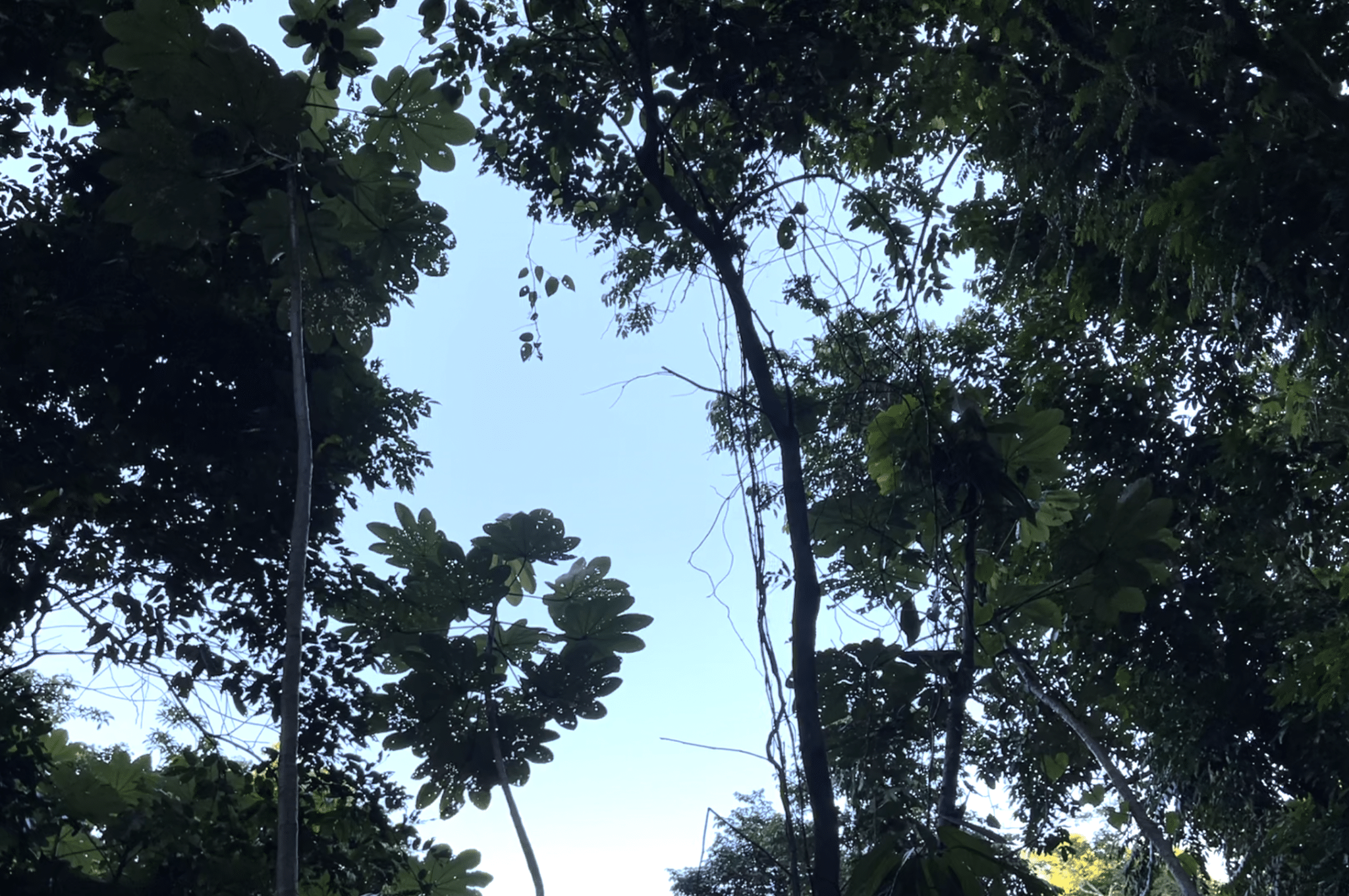
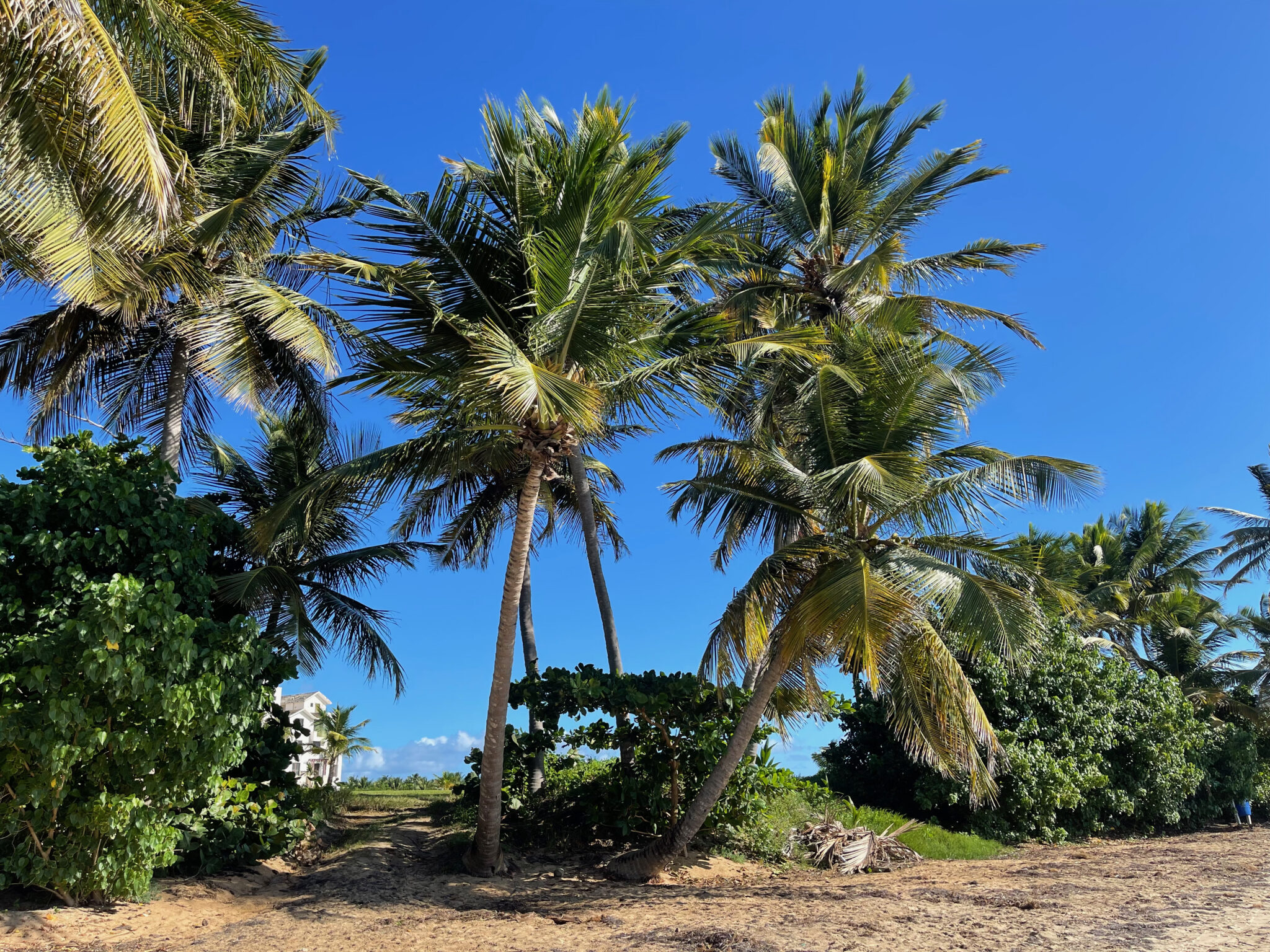
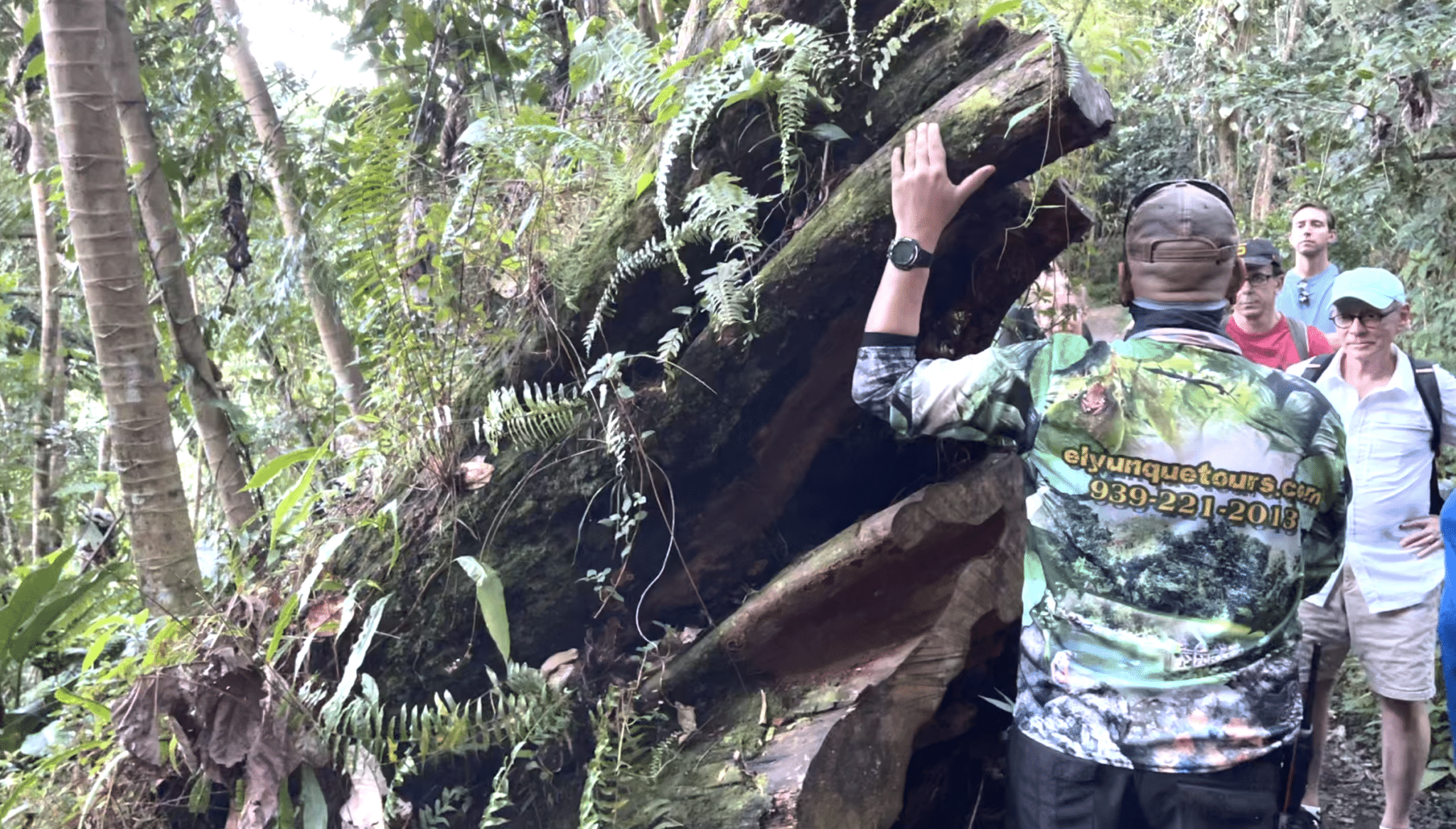
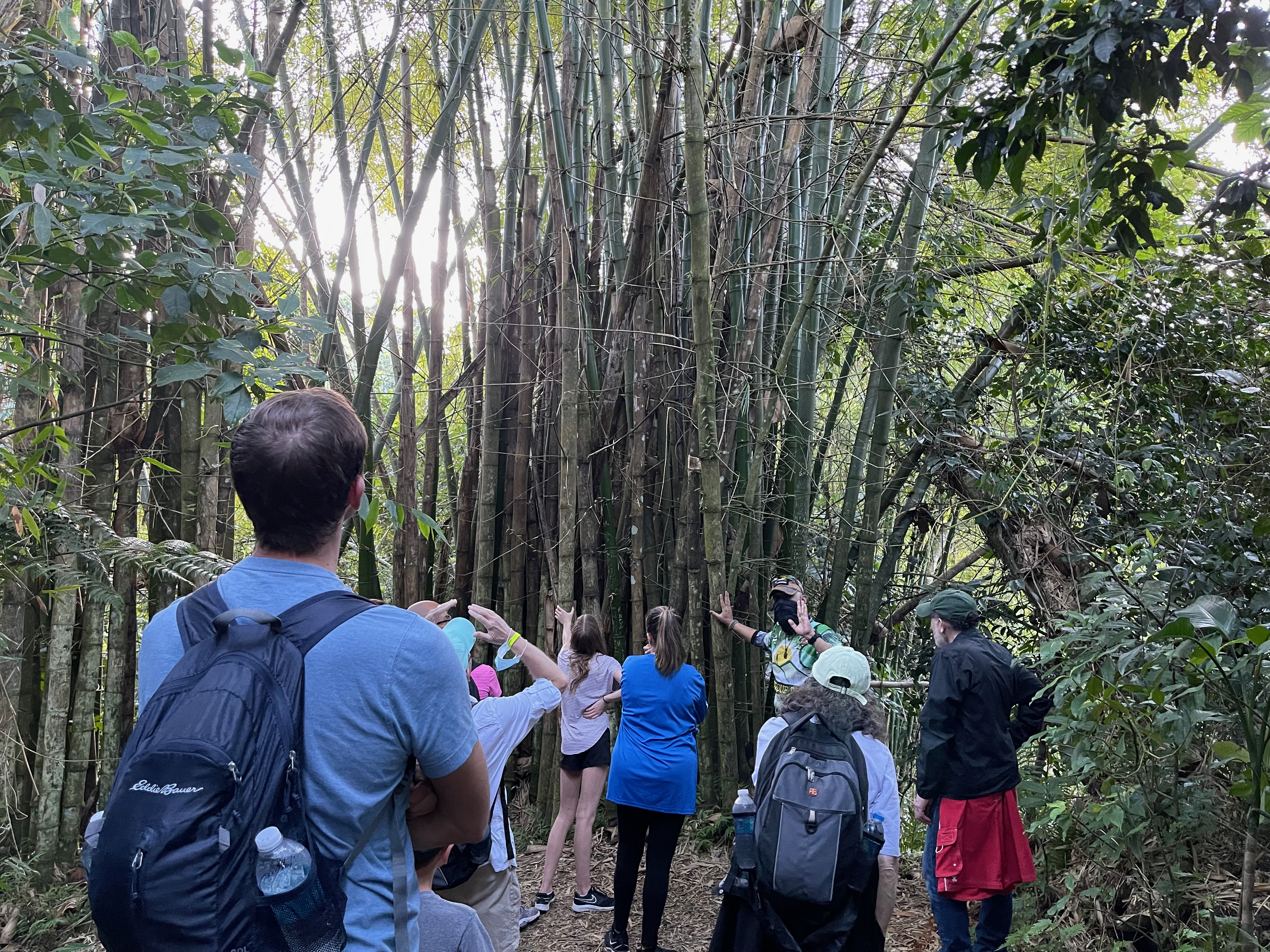
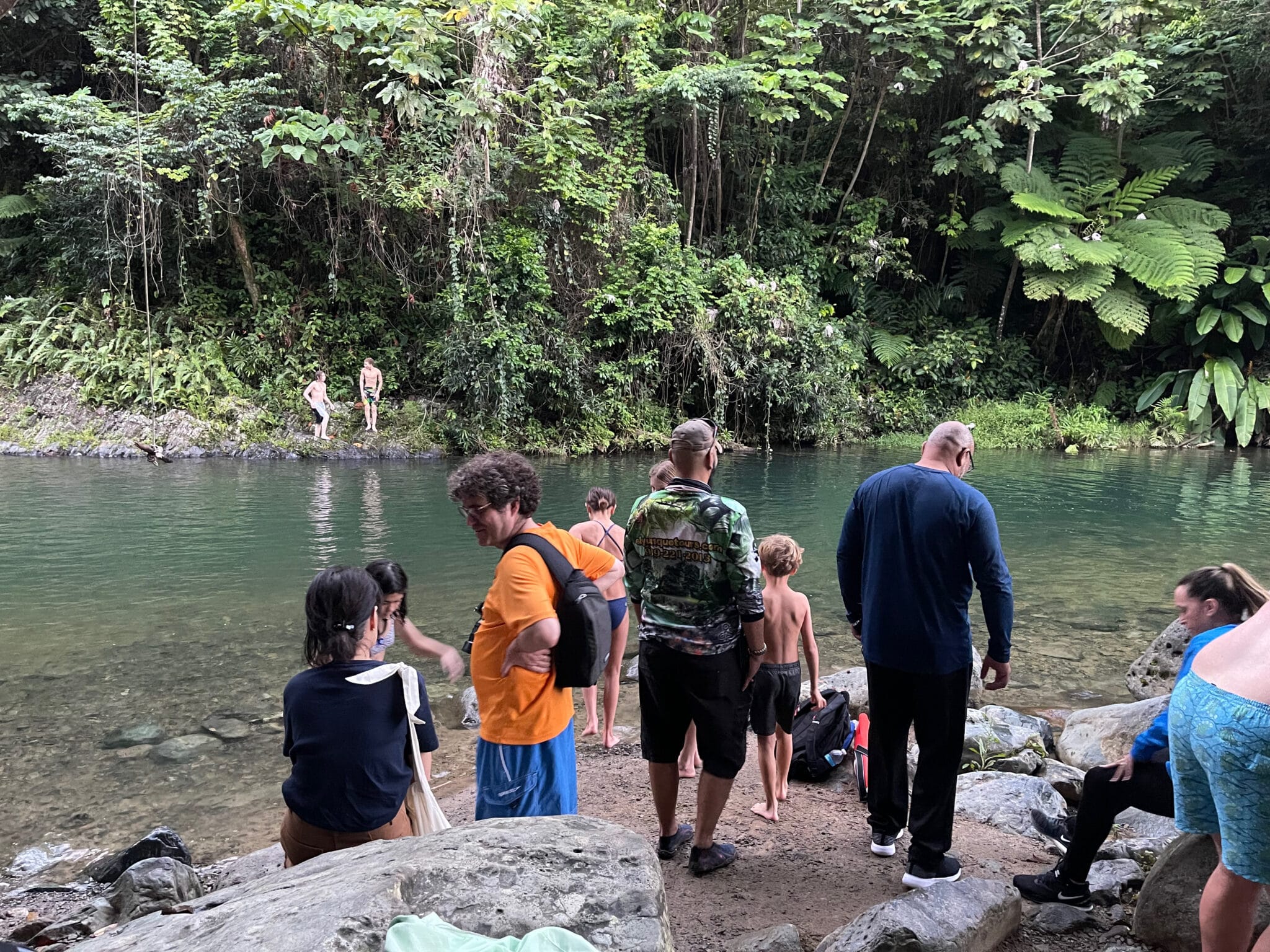
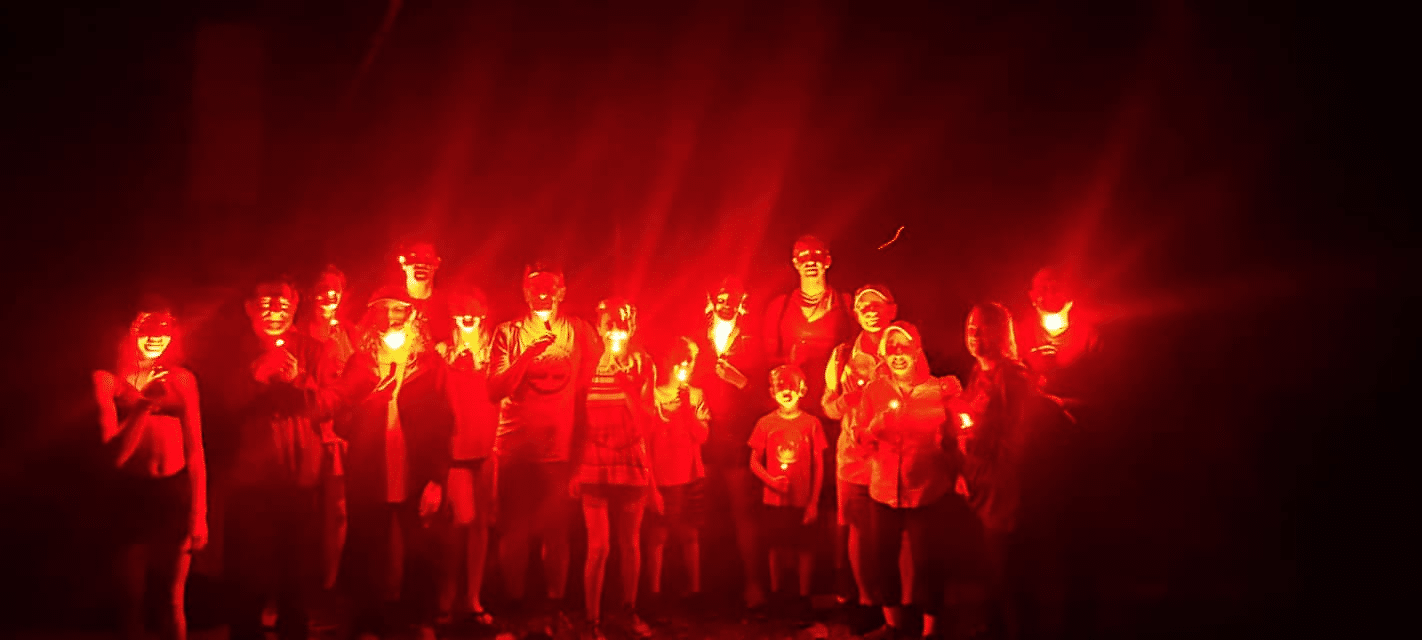
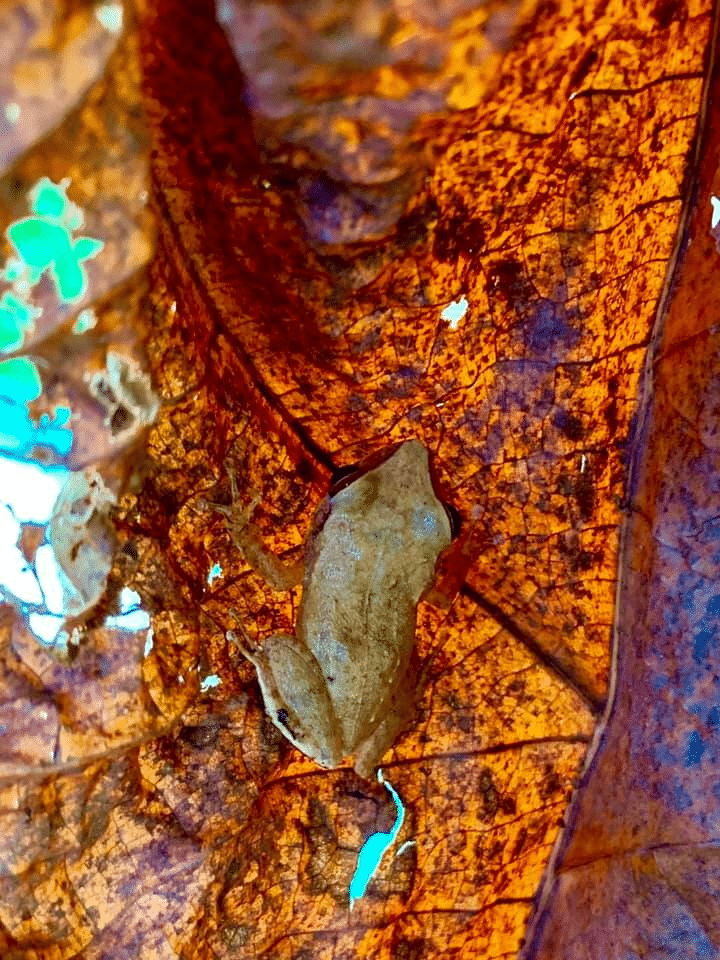
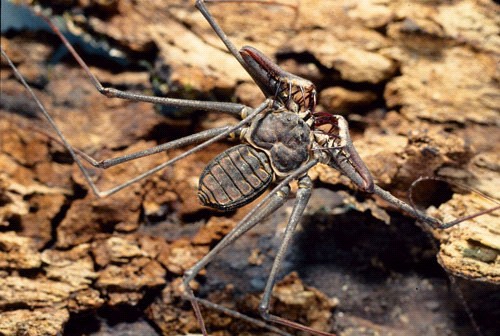
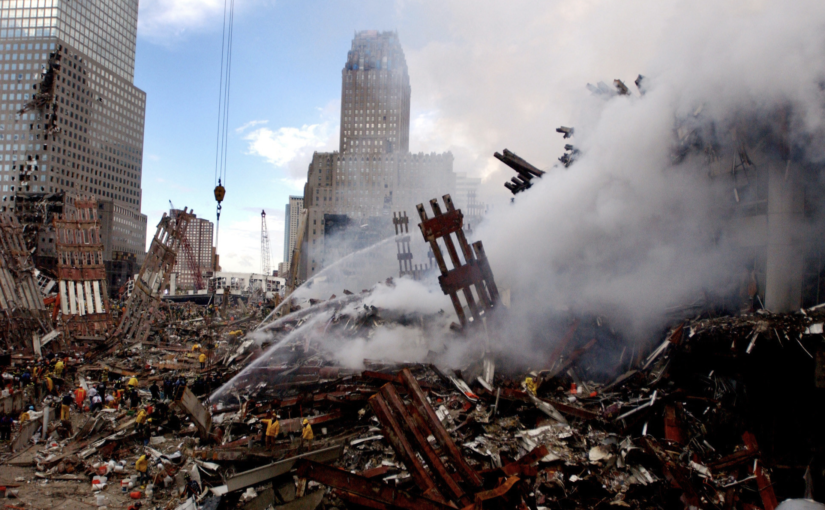
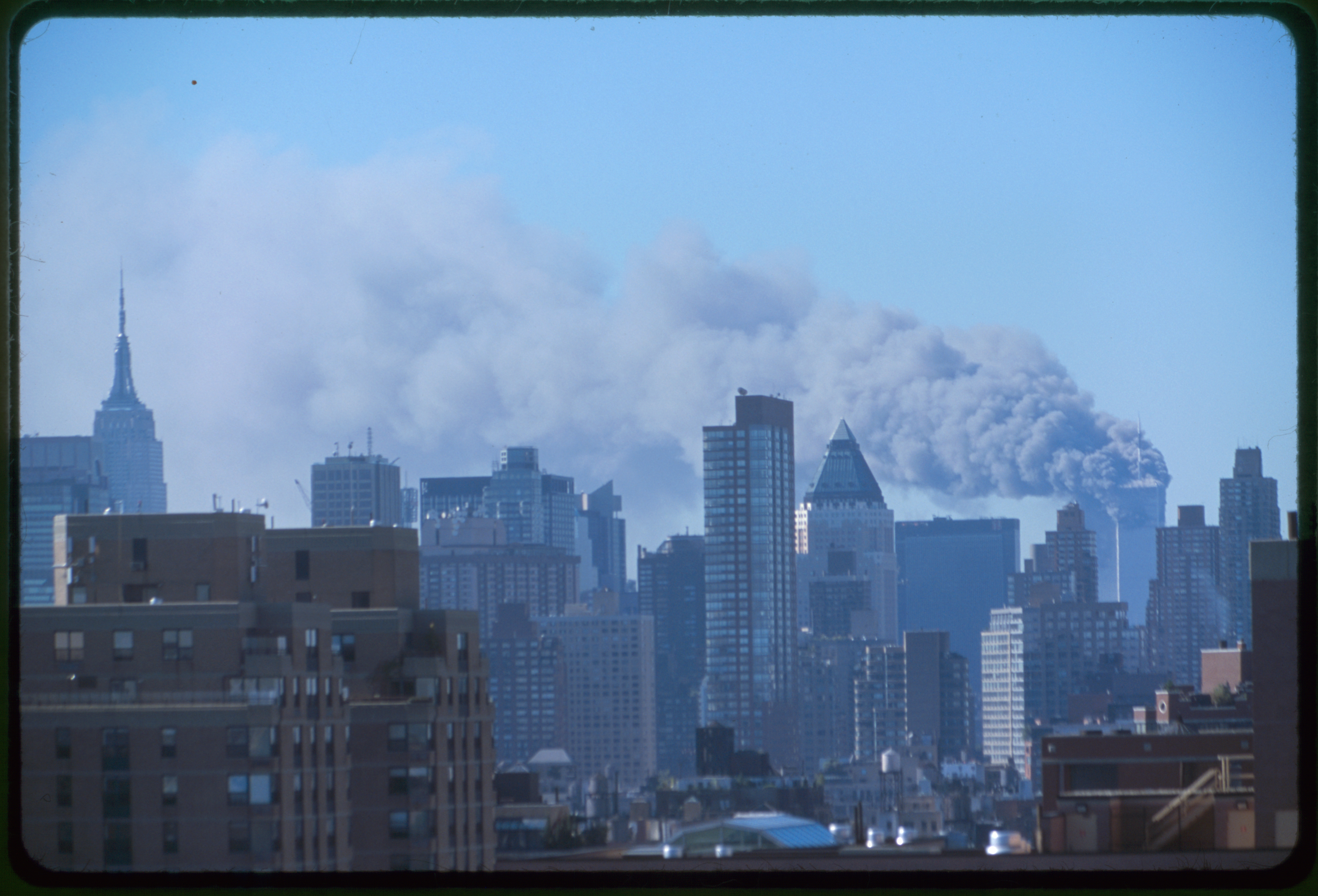
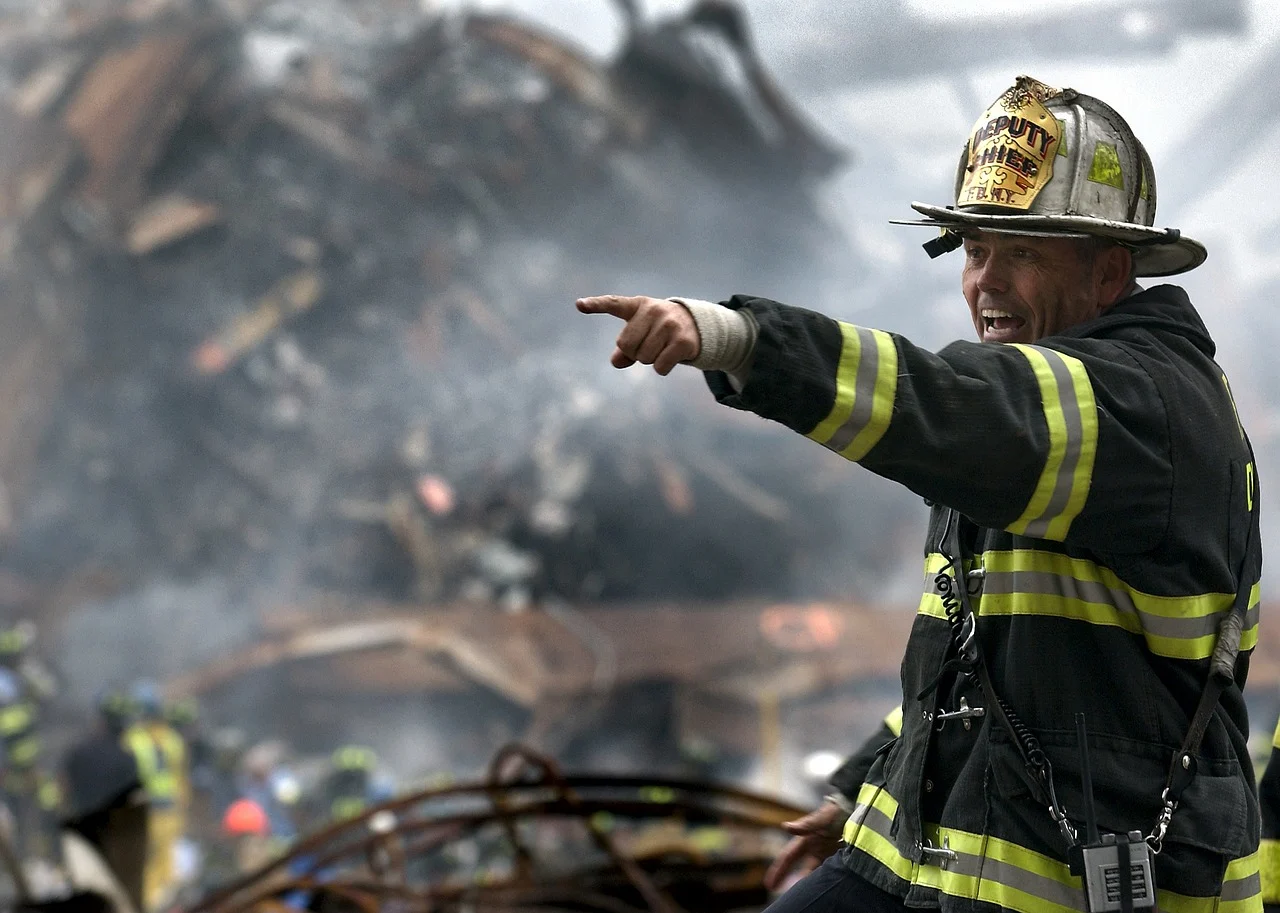
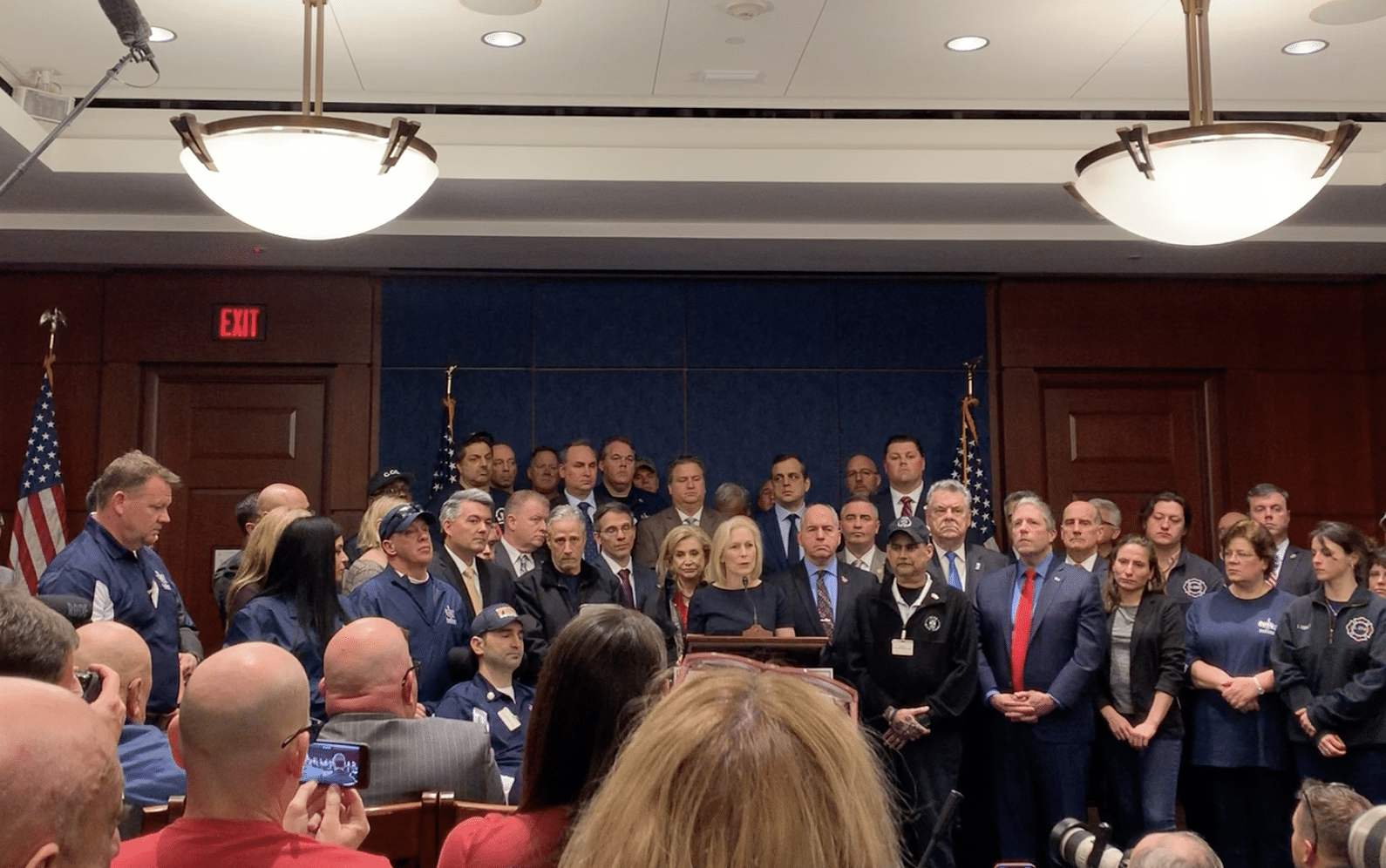
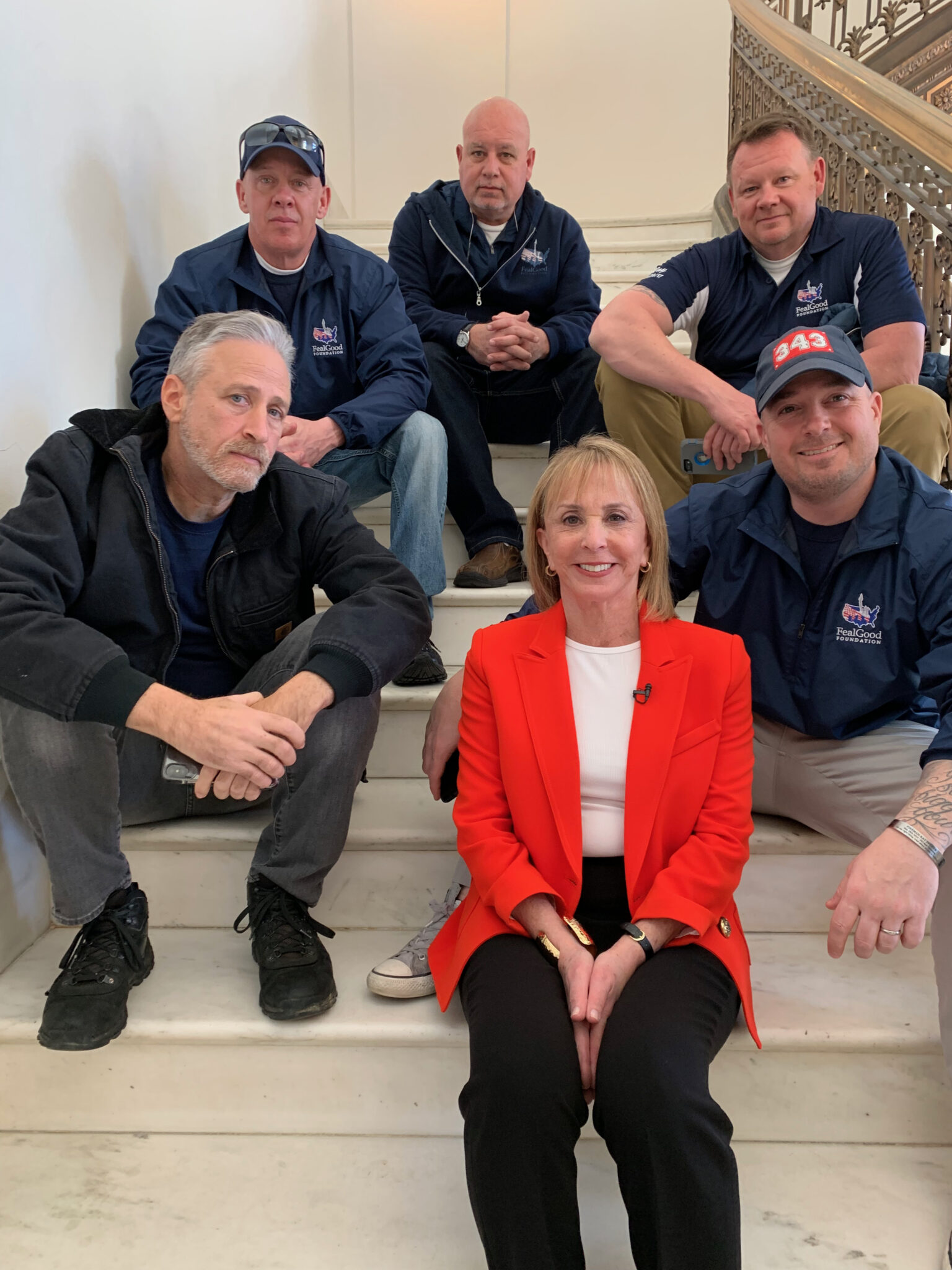
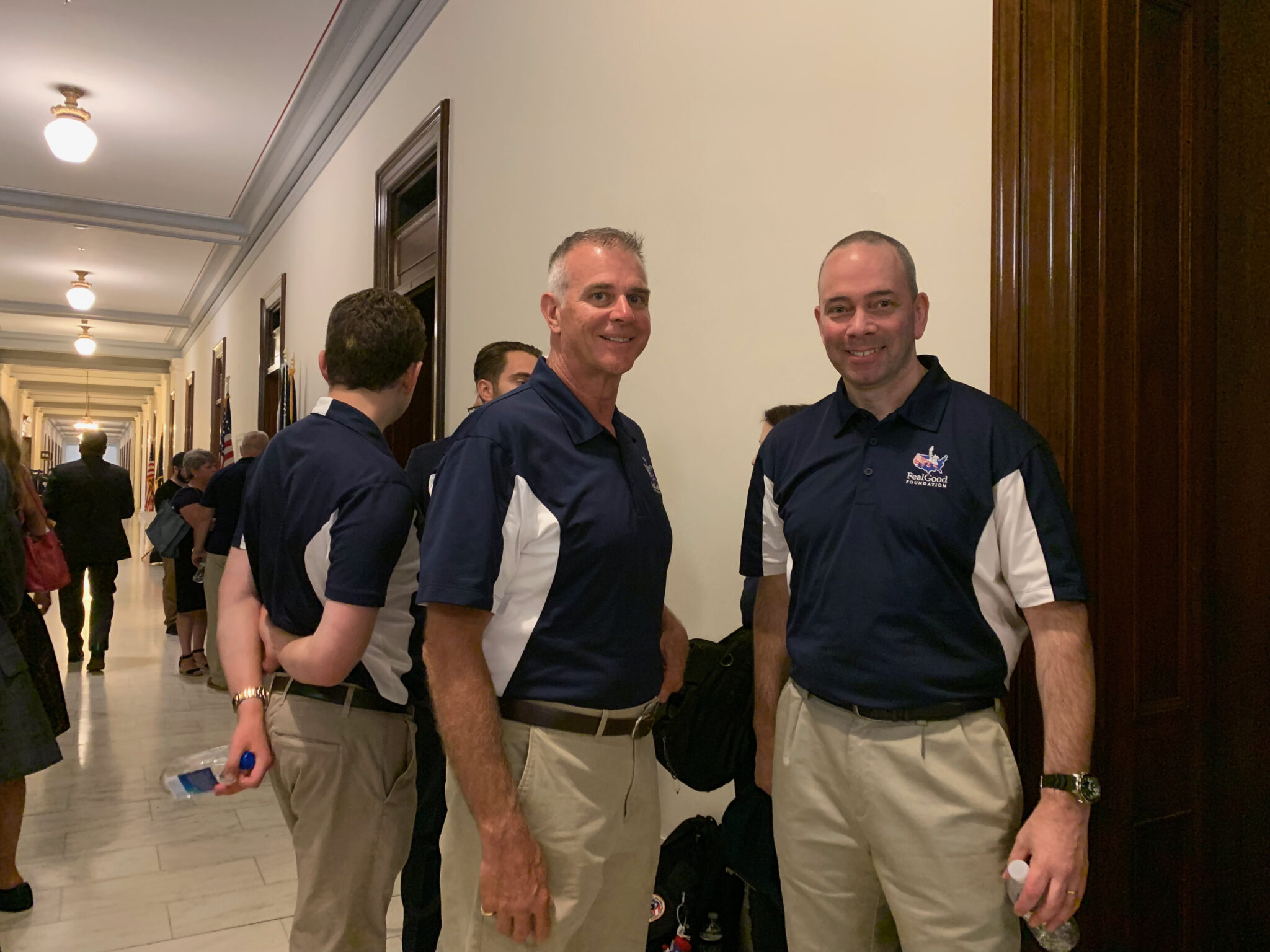
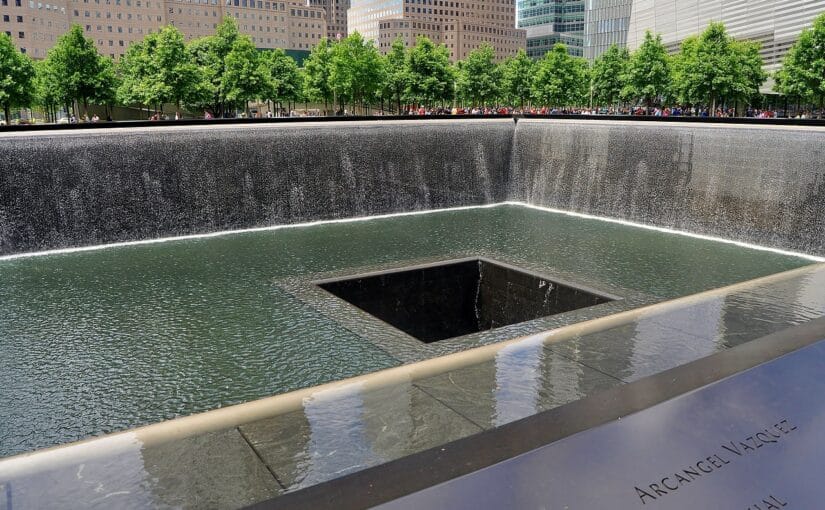
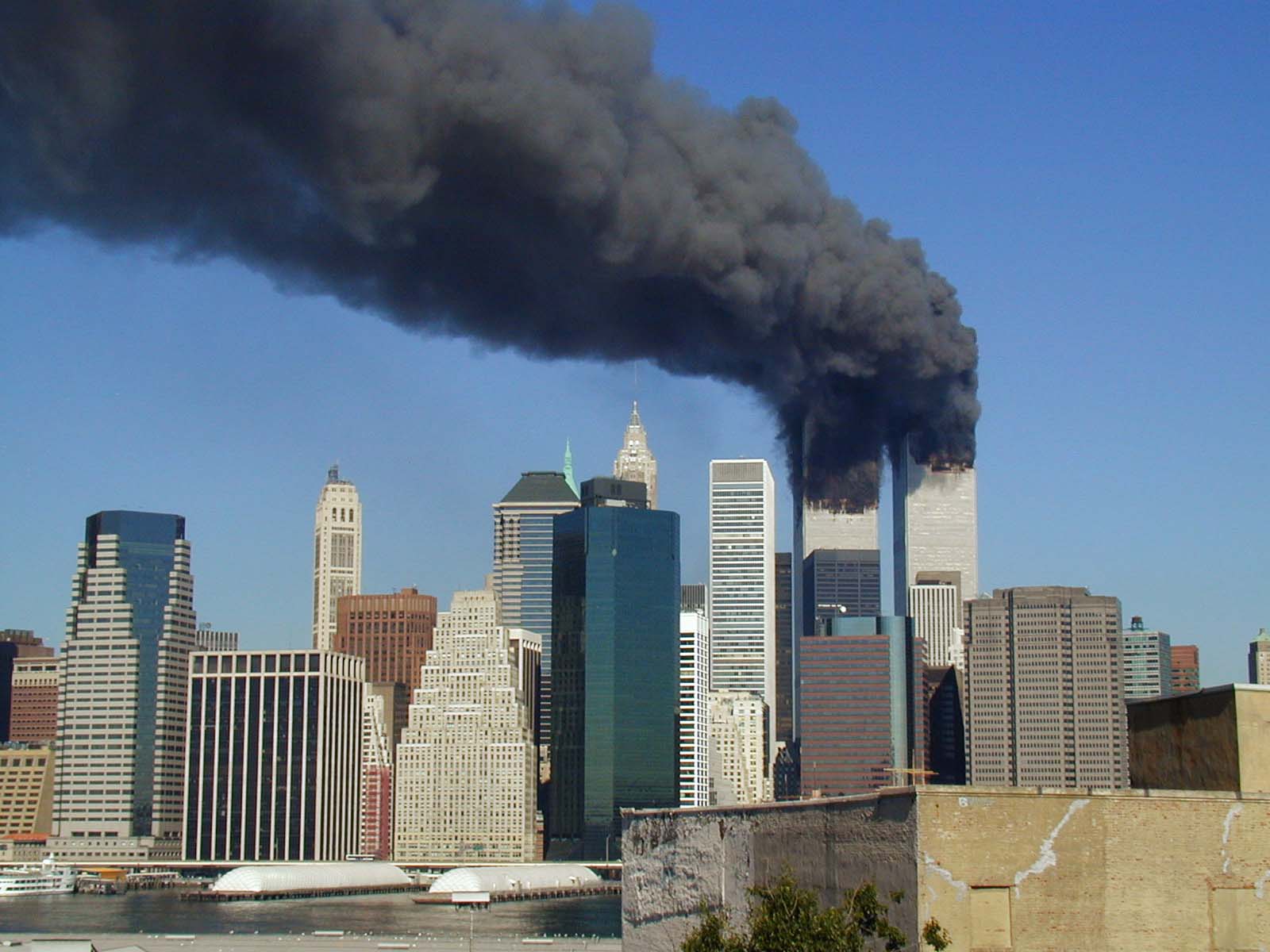
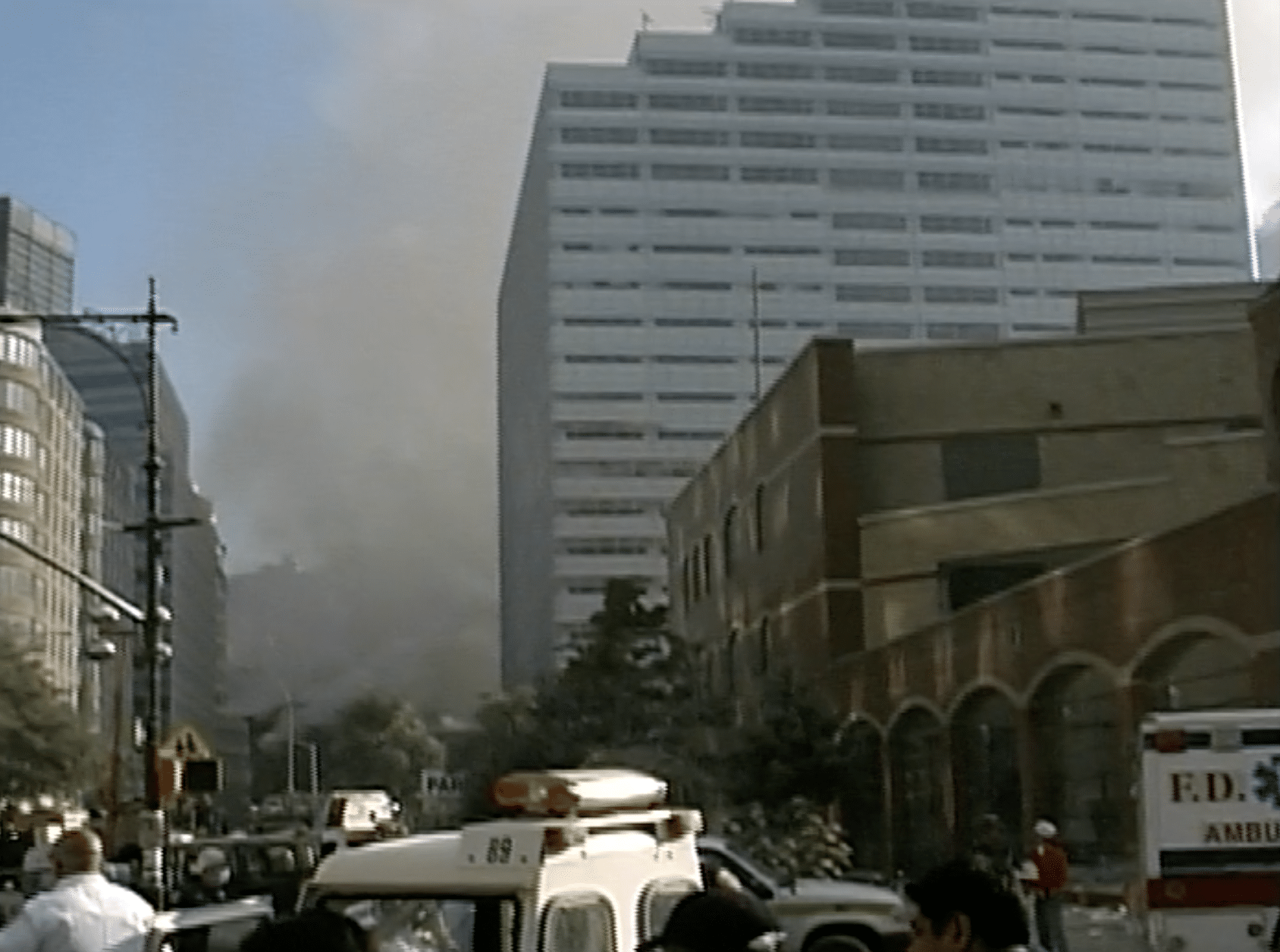
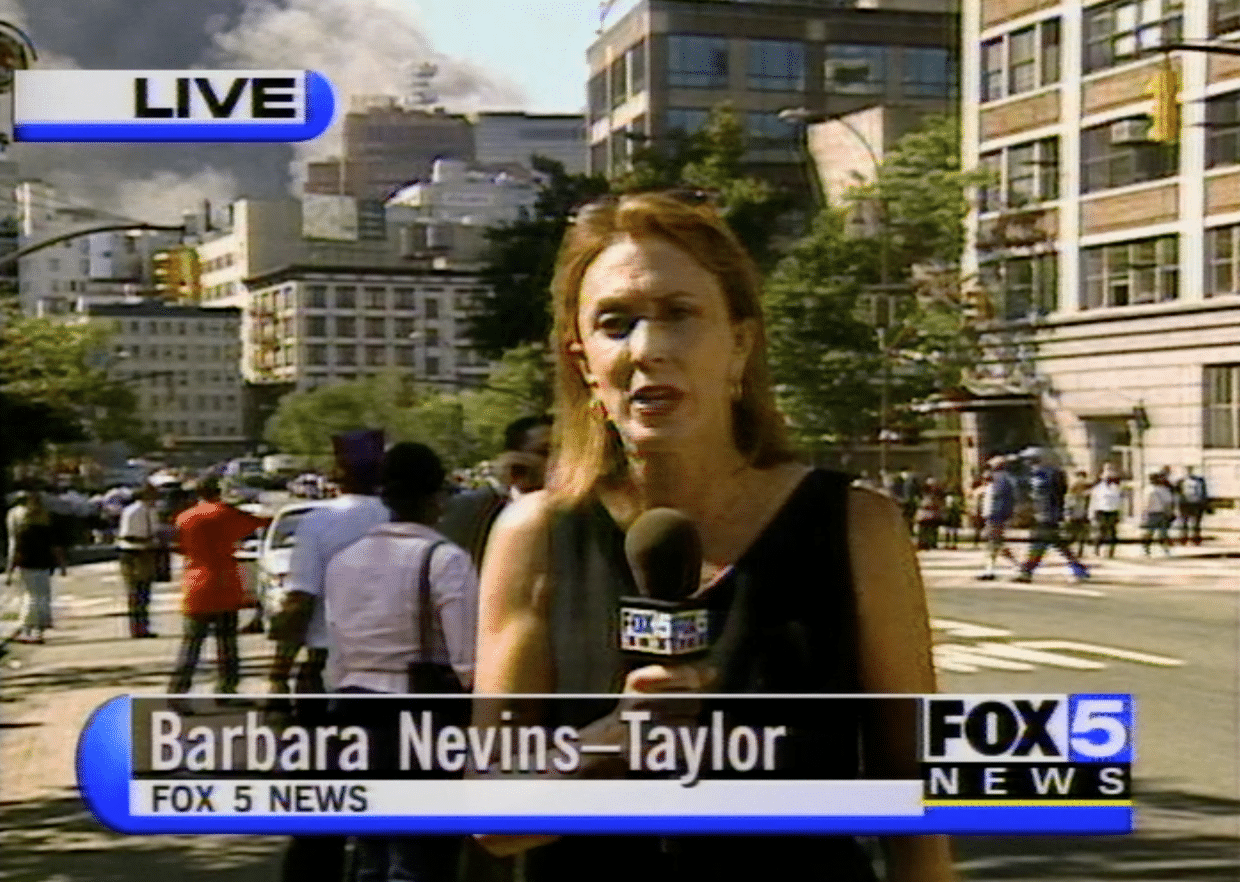
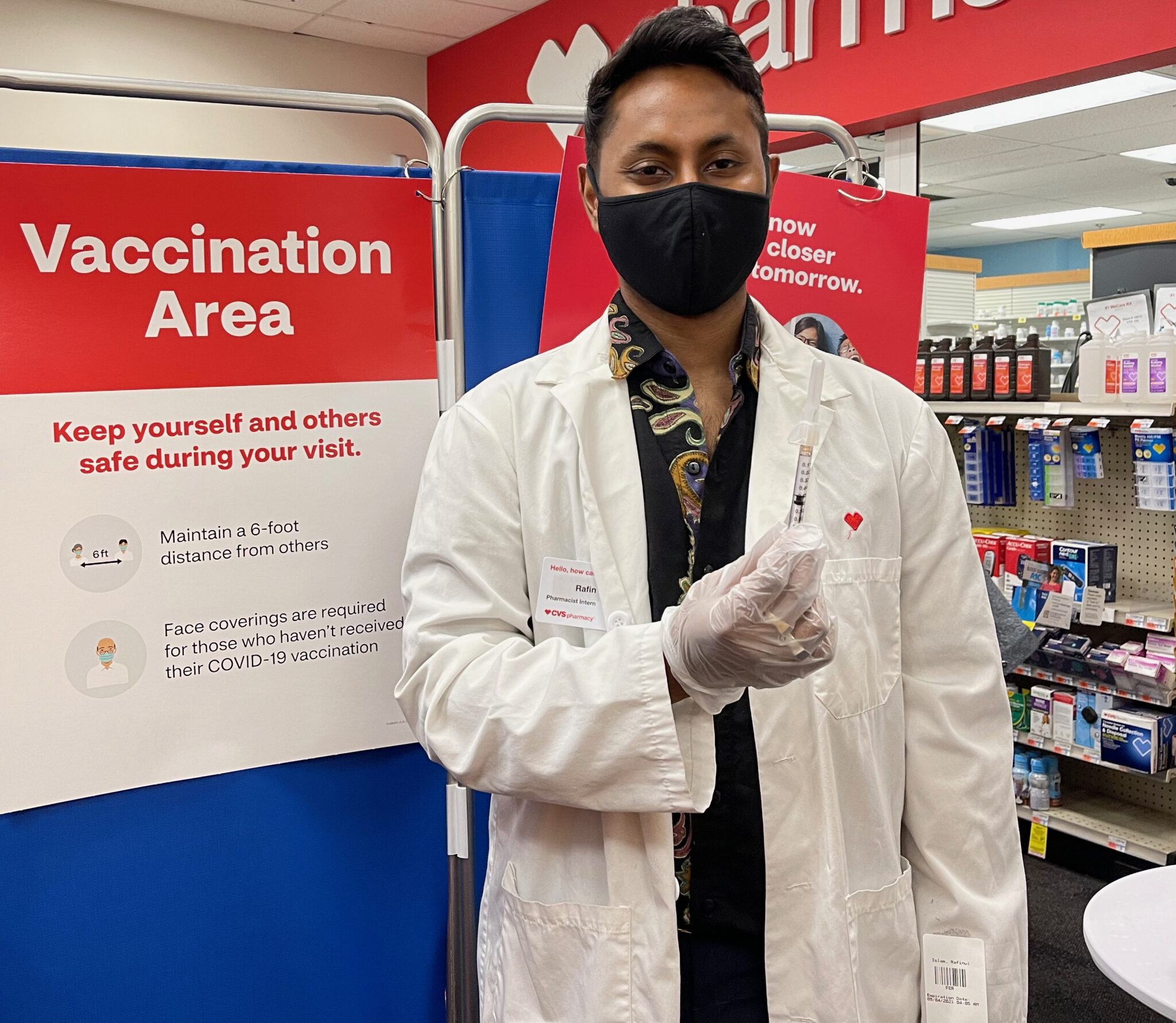
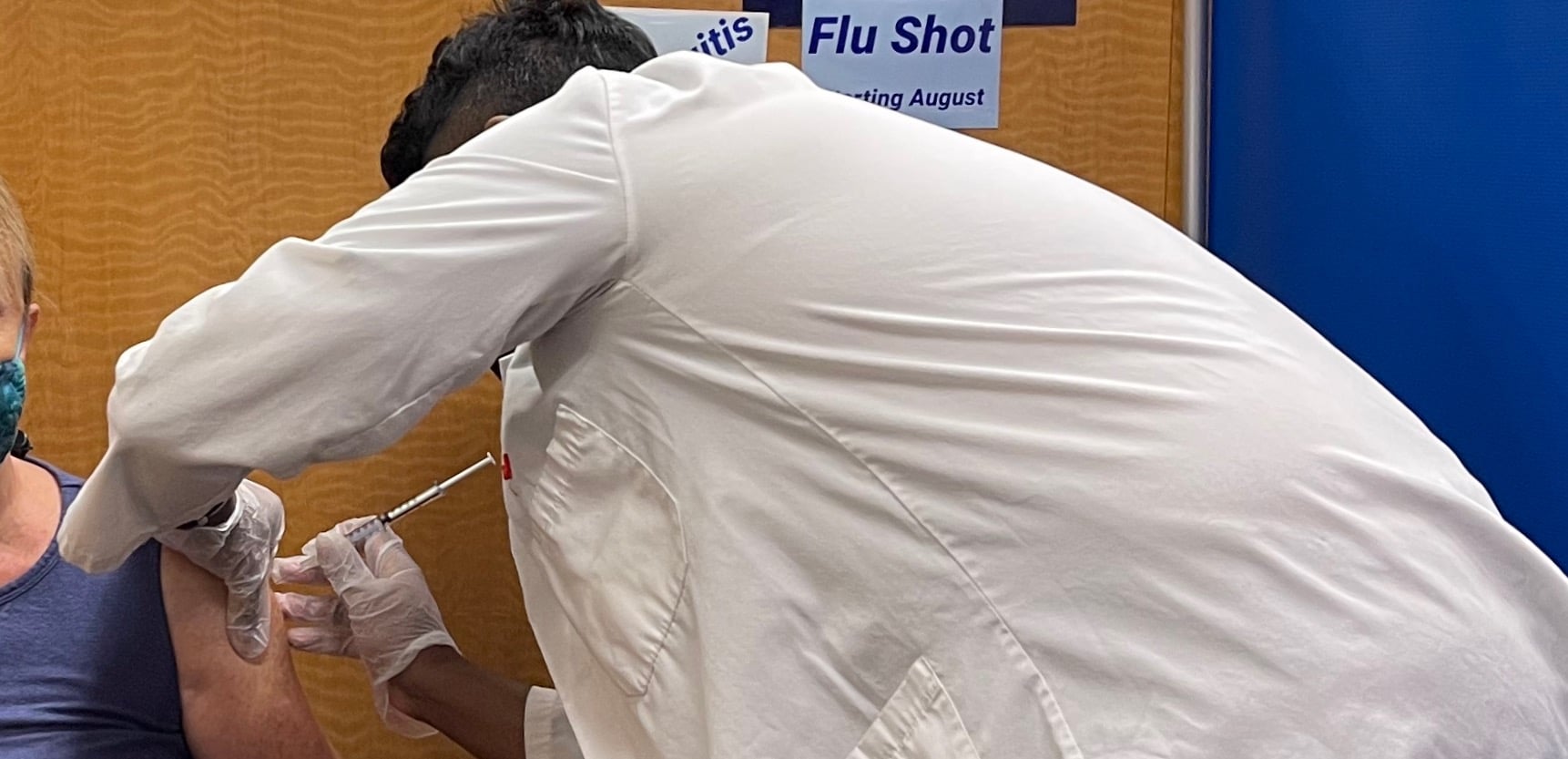
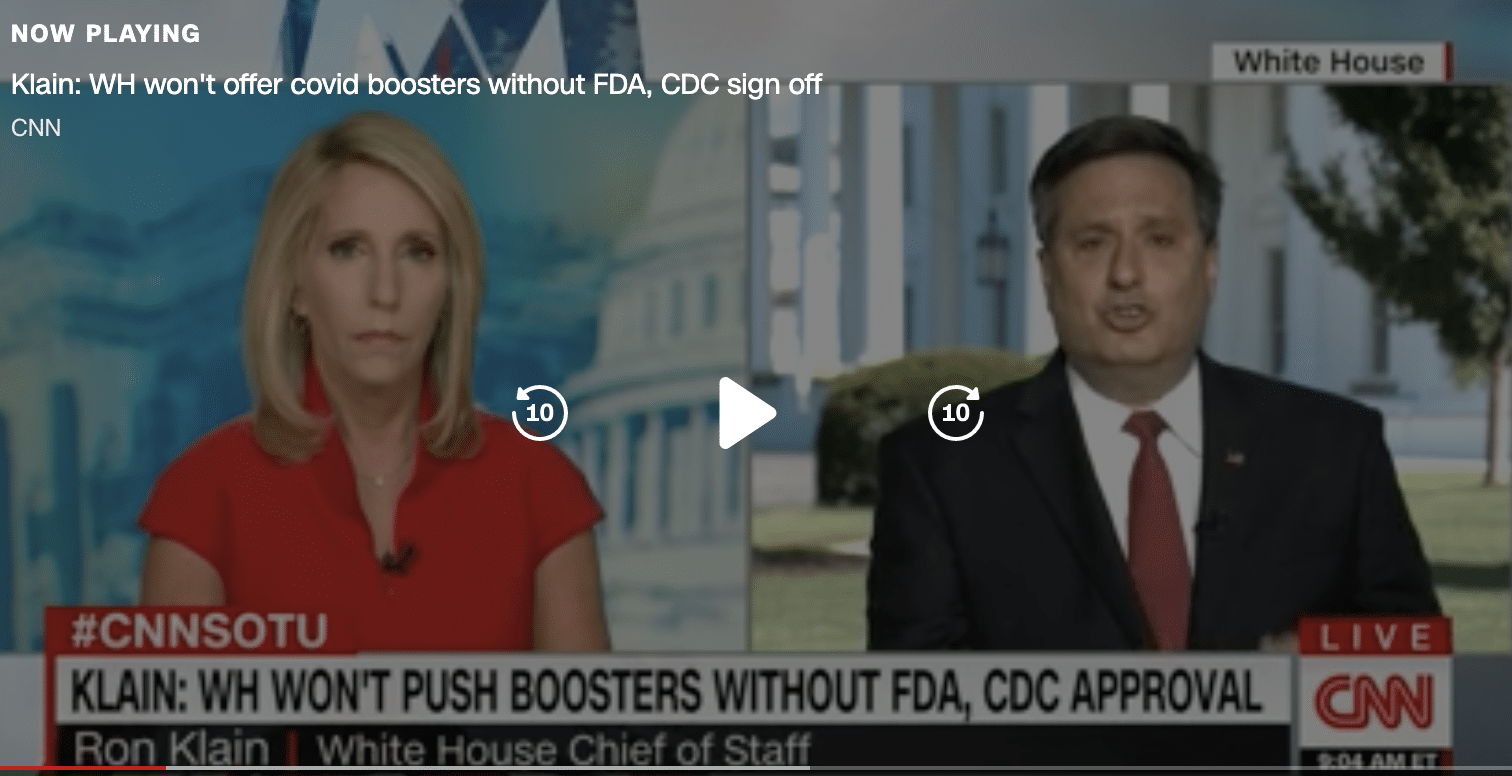
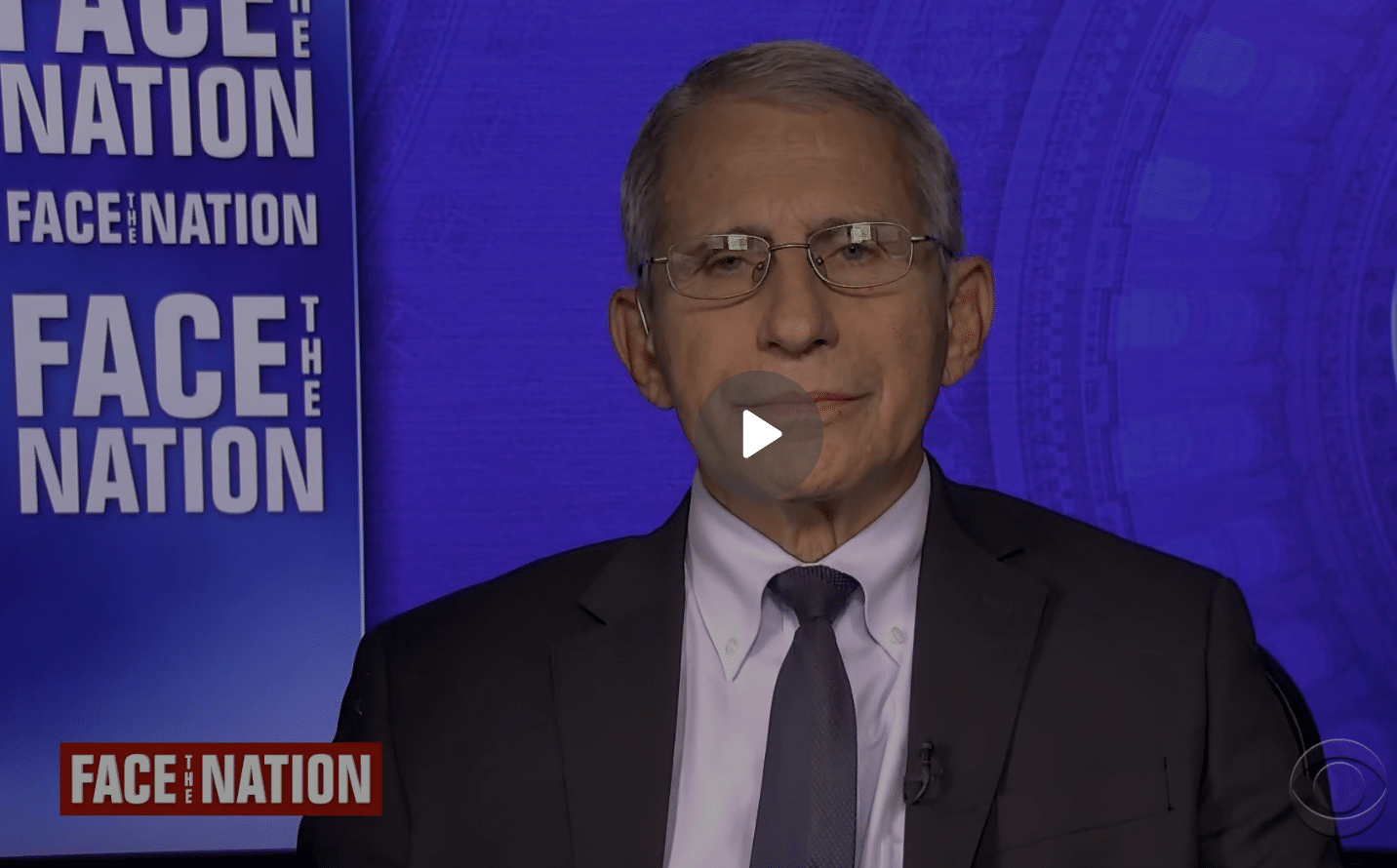
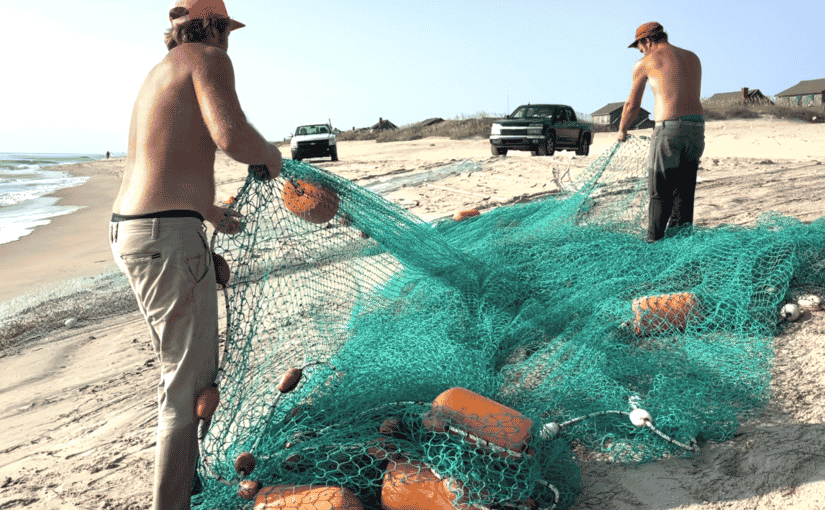
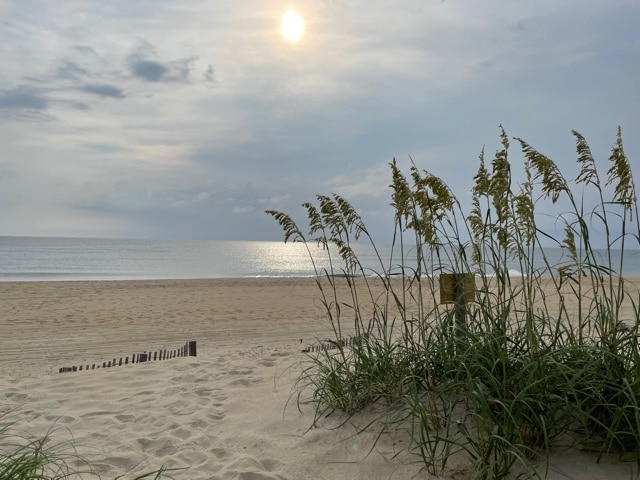
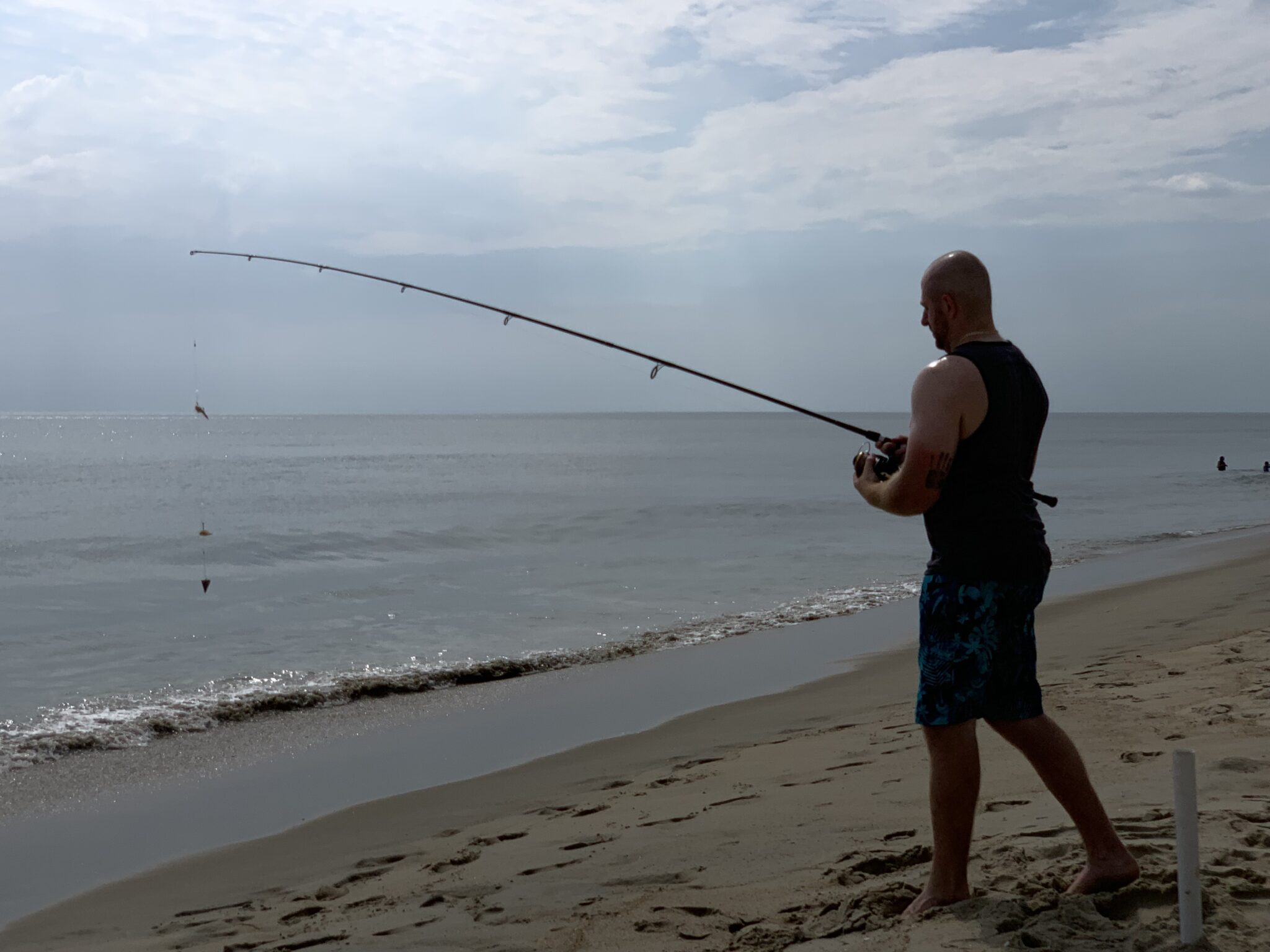
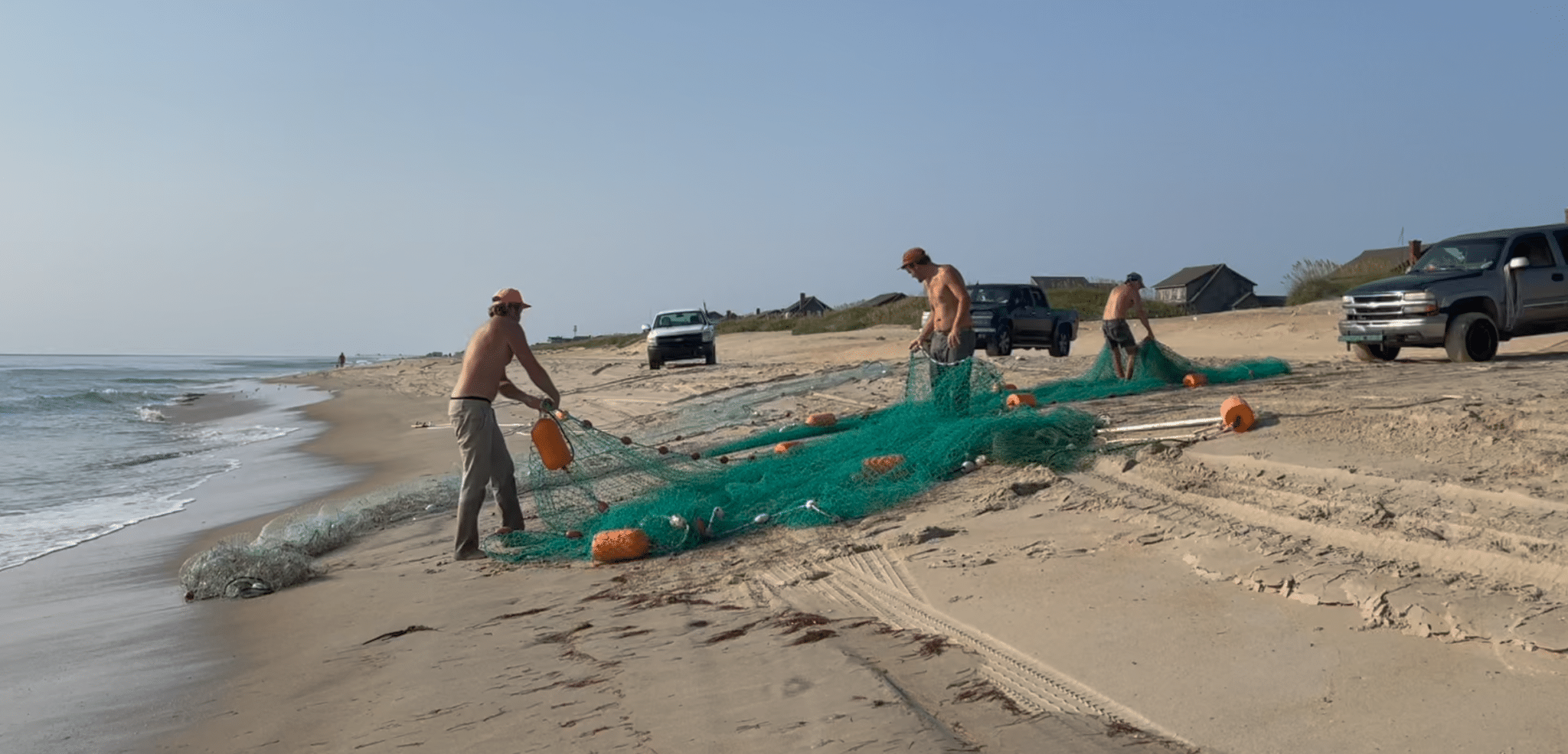
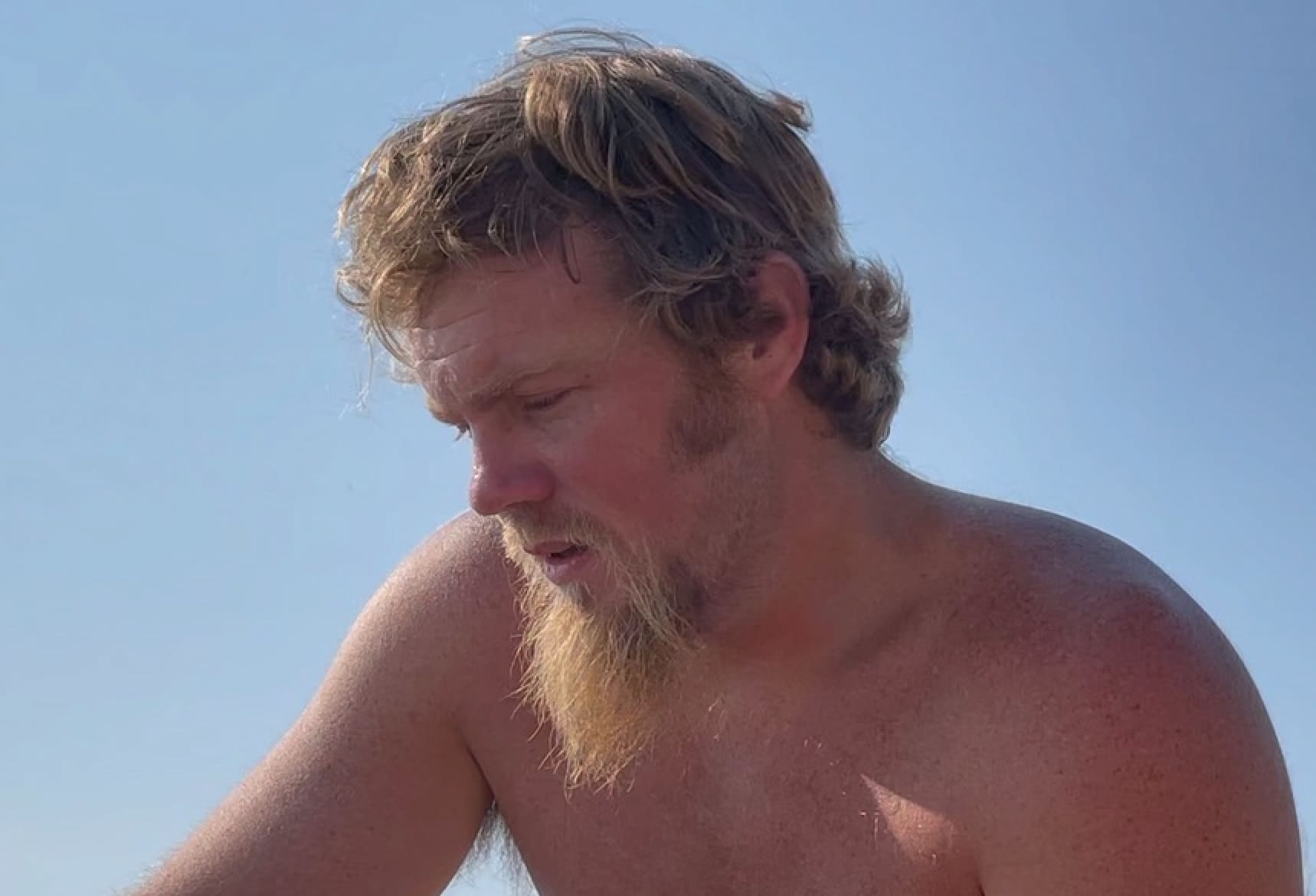
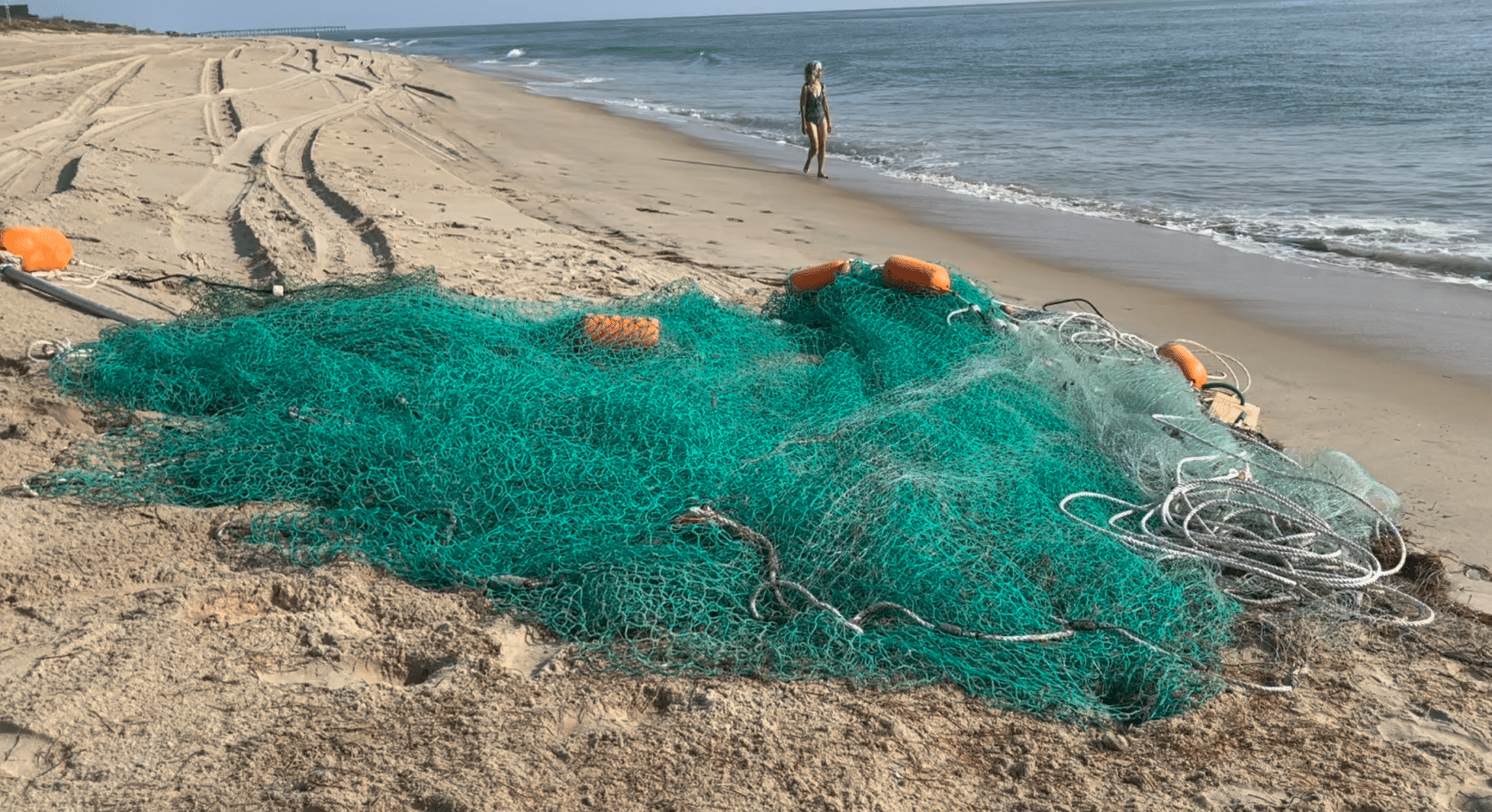
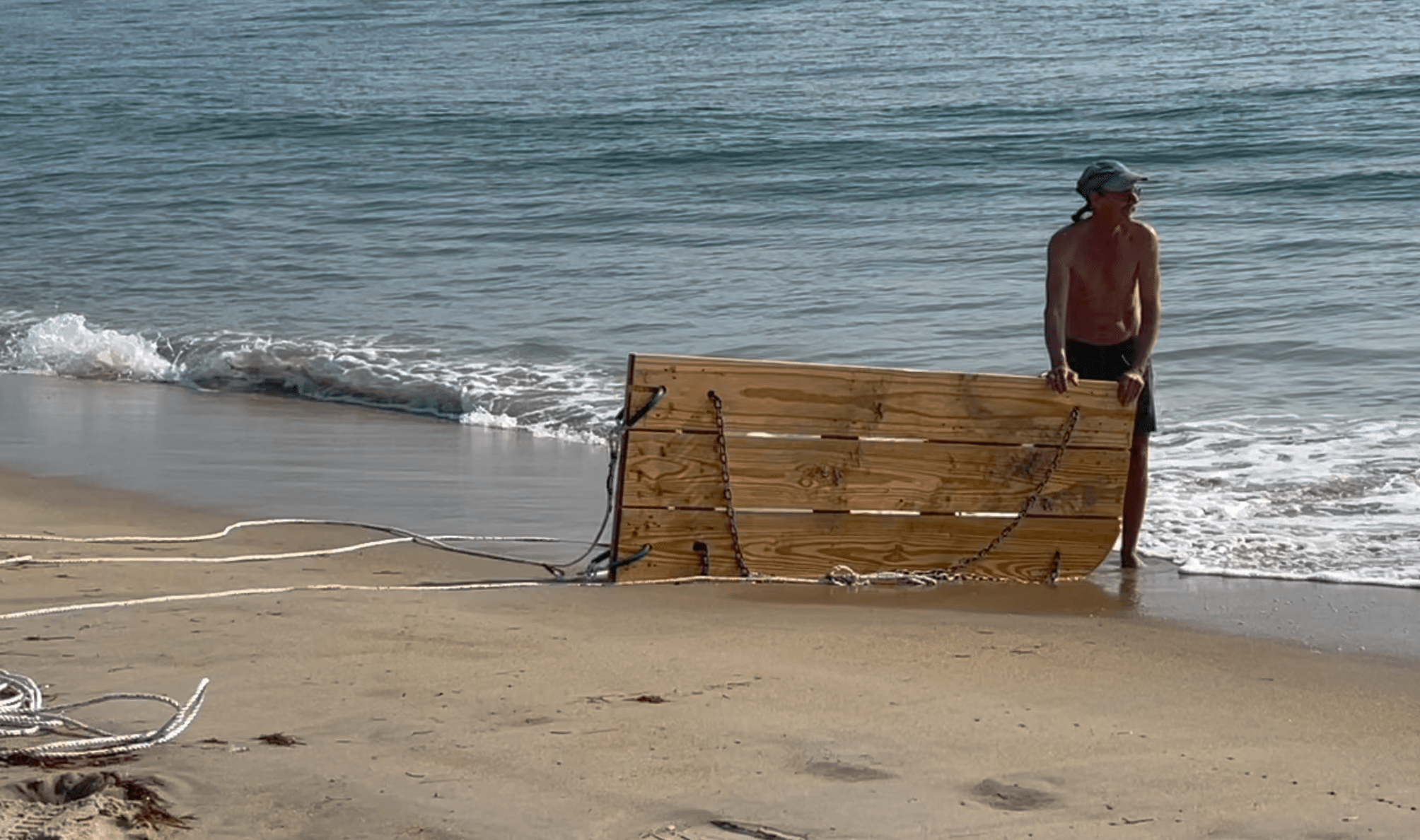
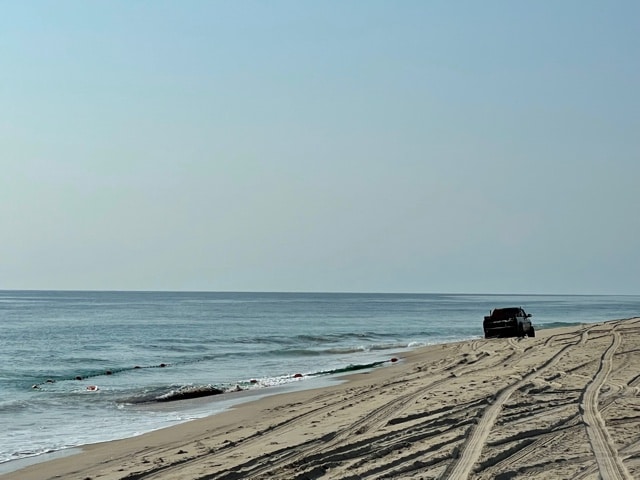
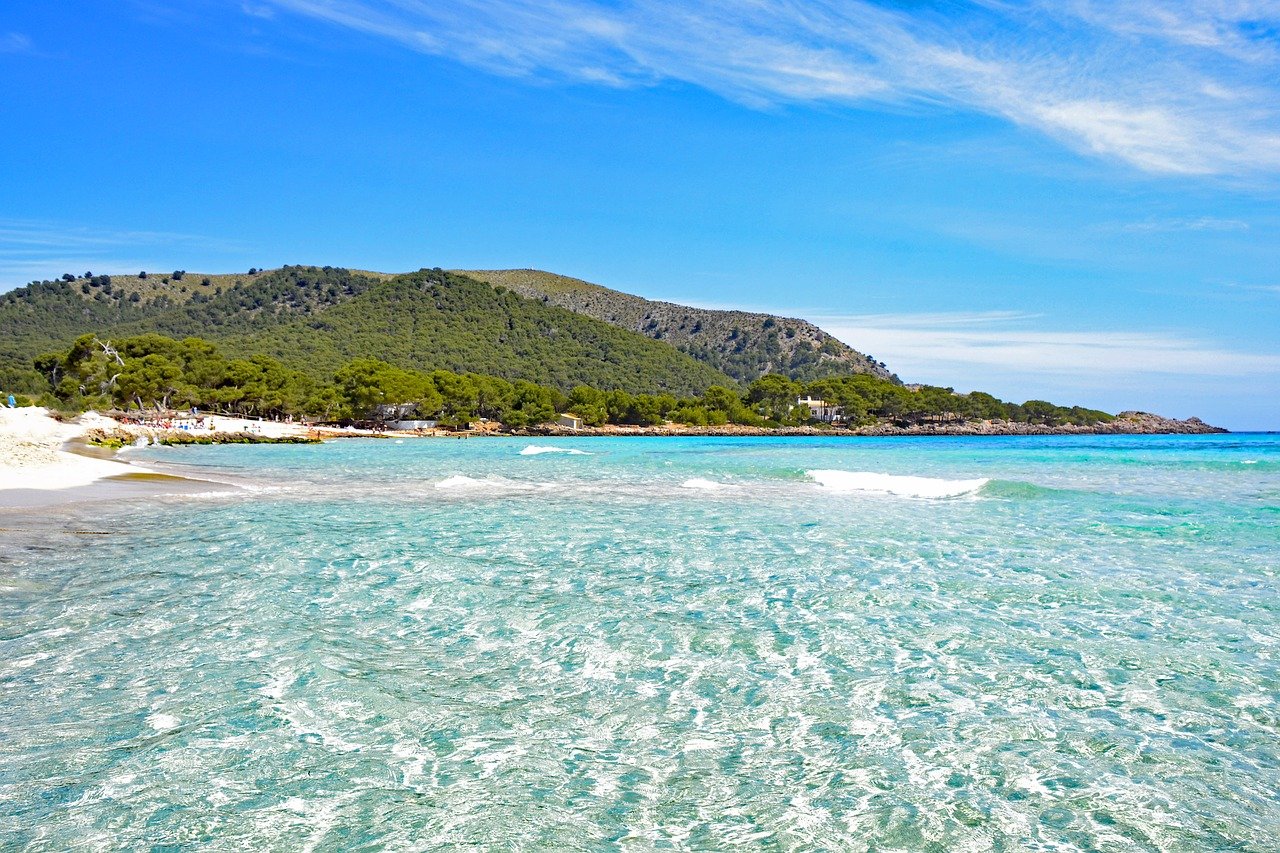
 Fish Tales “everything trip” cost $276 for four hours. That meant we could spend the time fishing, clamming and crabbing, or just sightseeing. Clamming, though, demanded low tide. On my birthday, that meant a 1 p.m. start, and that would give us a leisurely morning. “Bring socks,” Jan told him. “Or if you forget we’ll give you some.” We would learn why when we got there.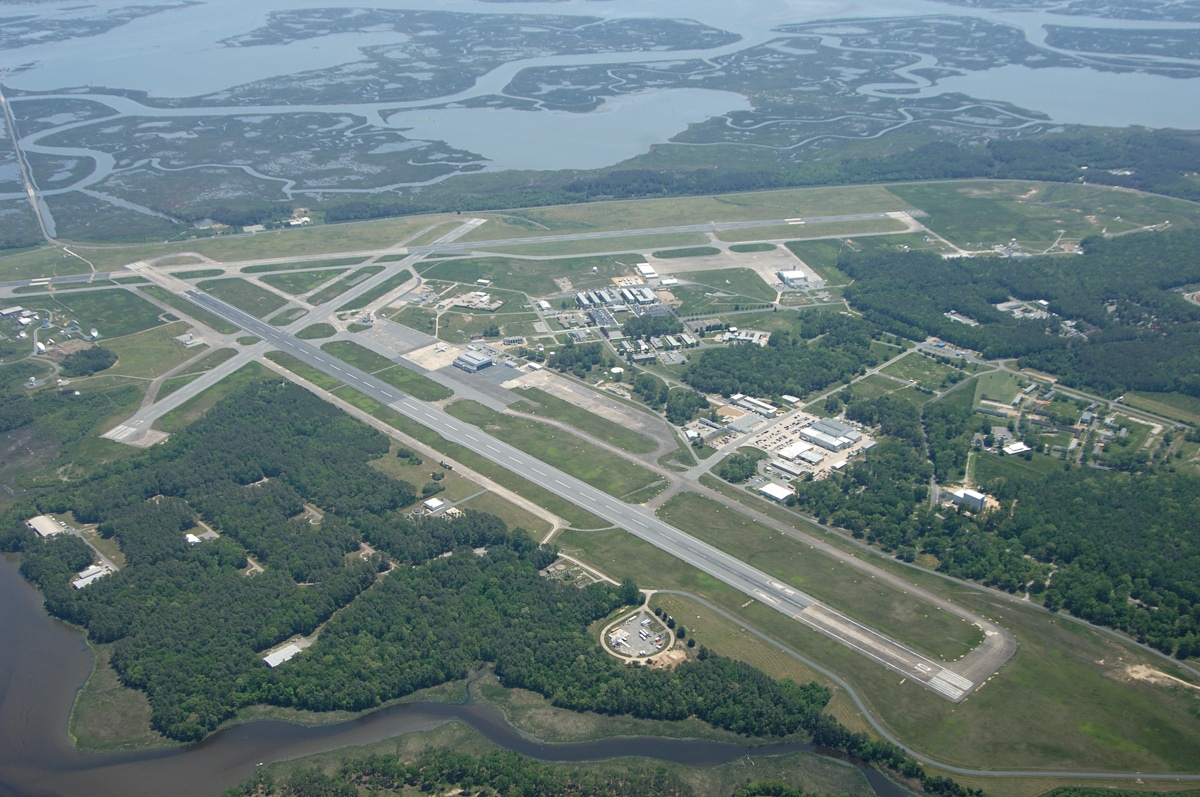
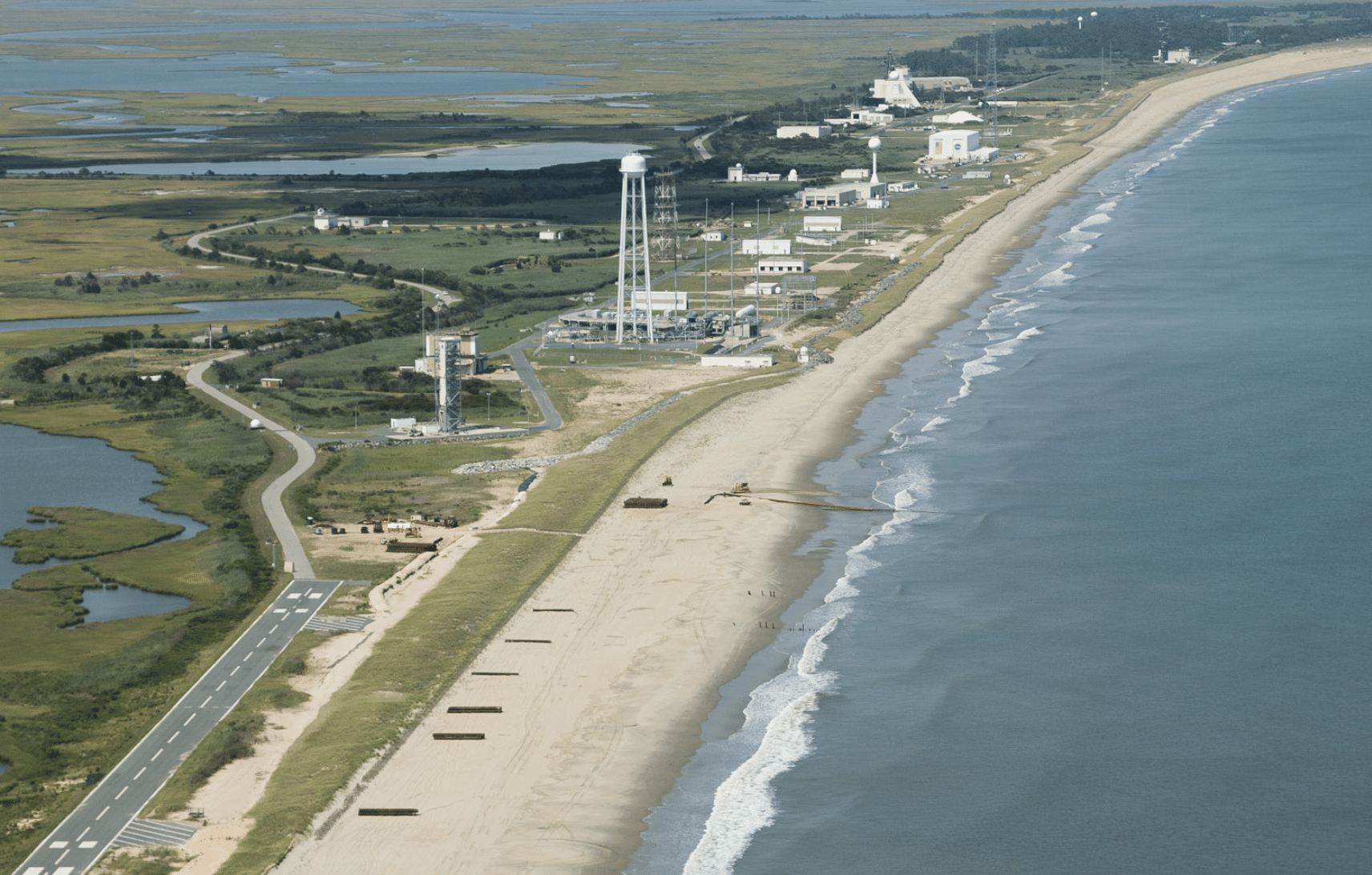
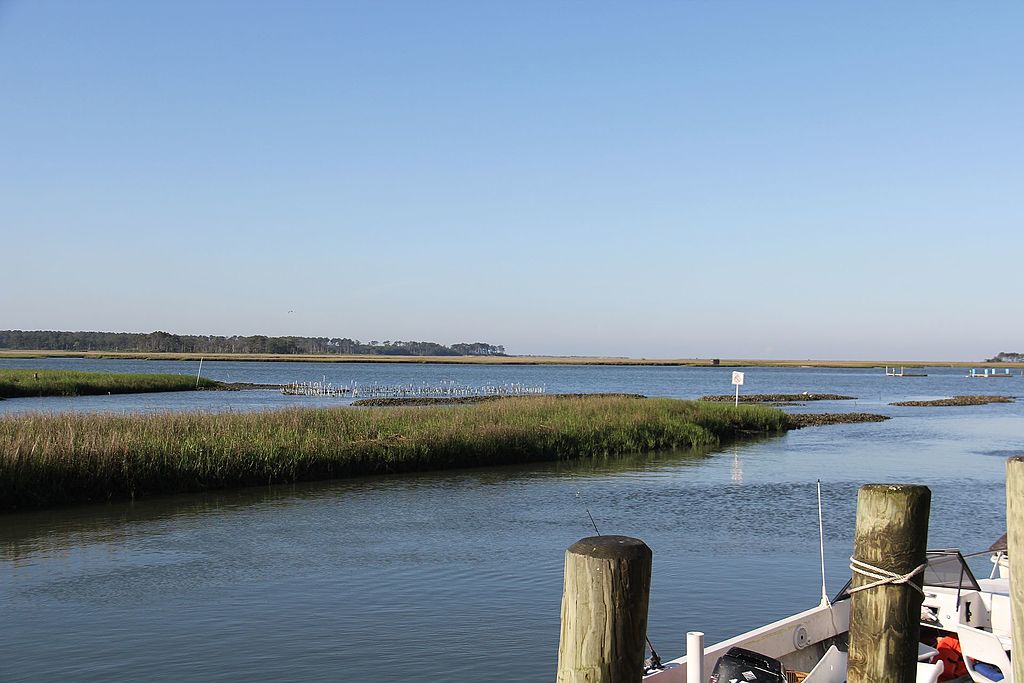
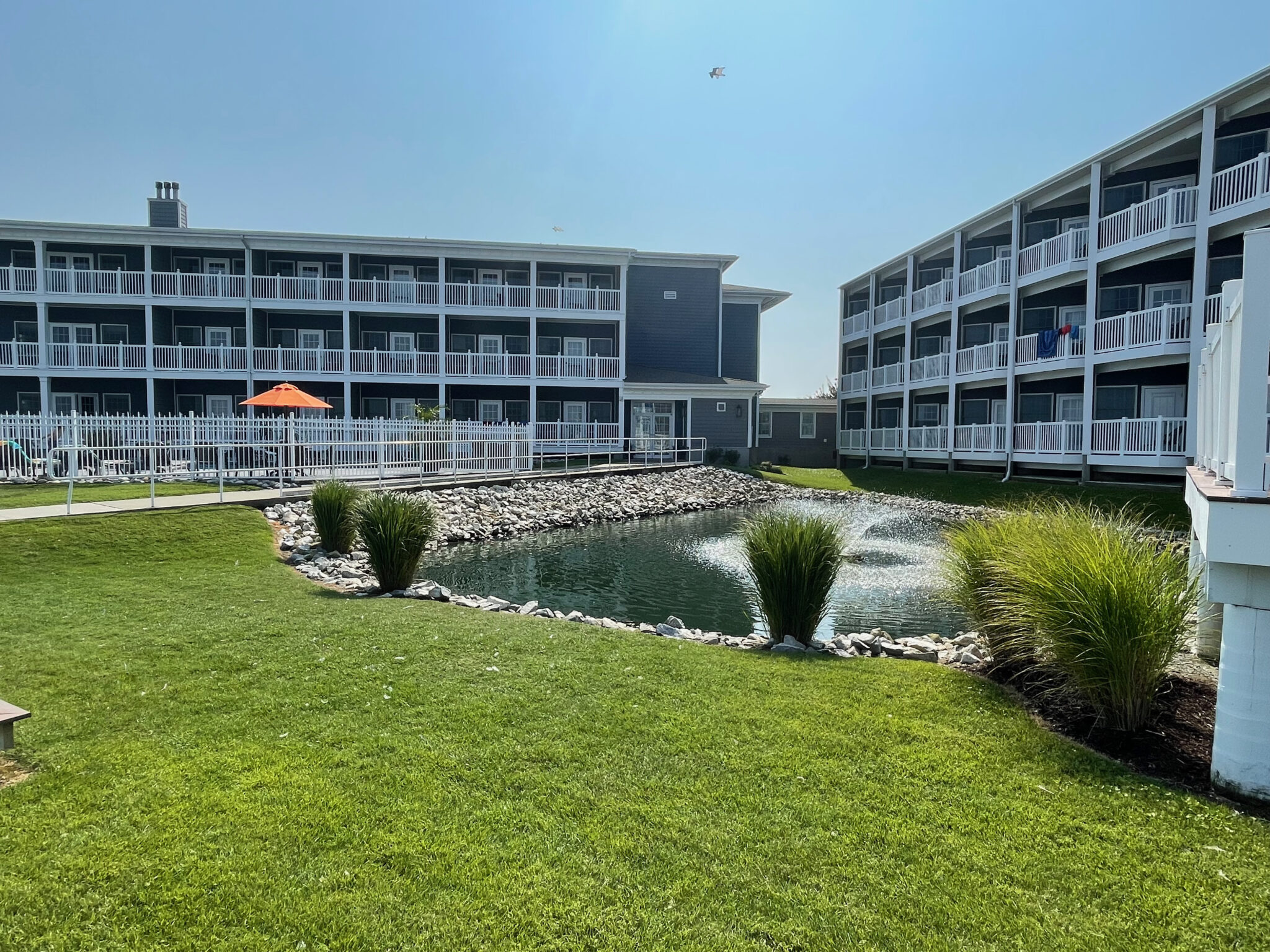
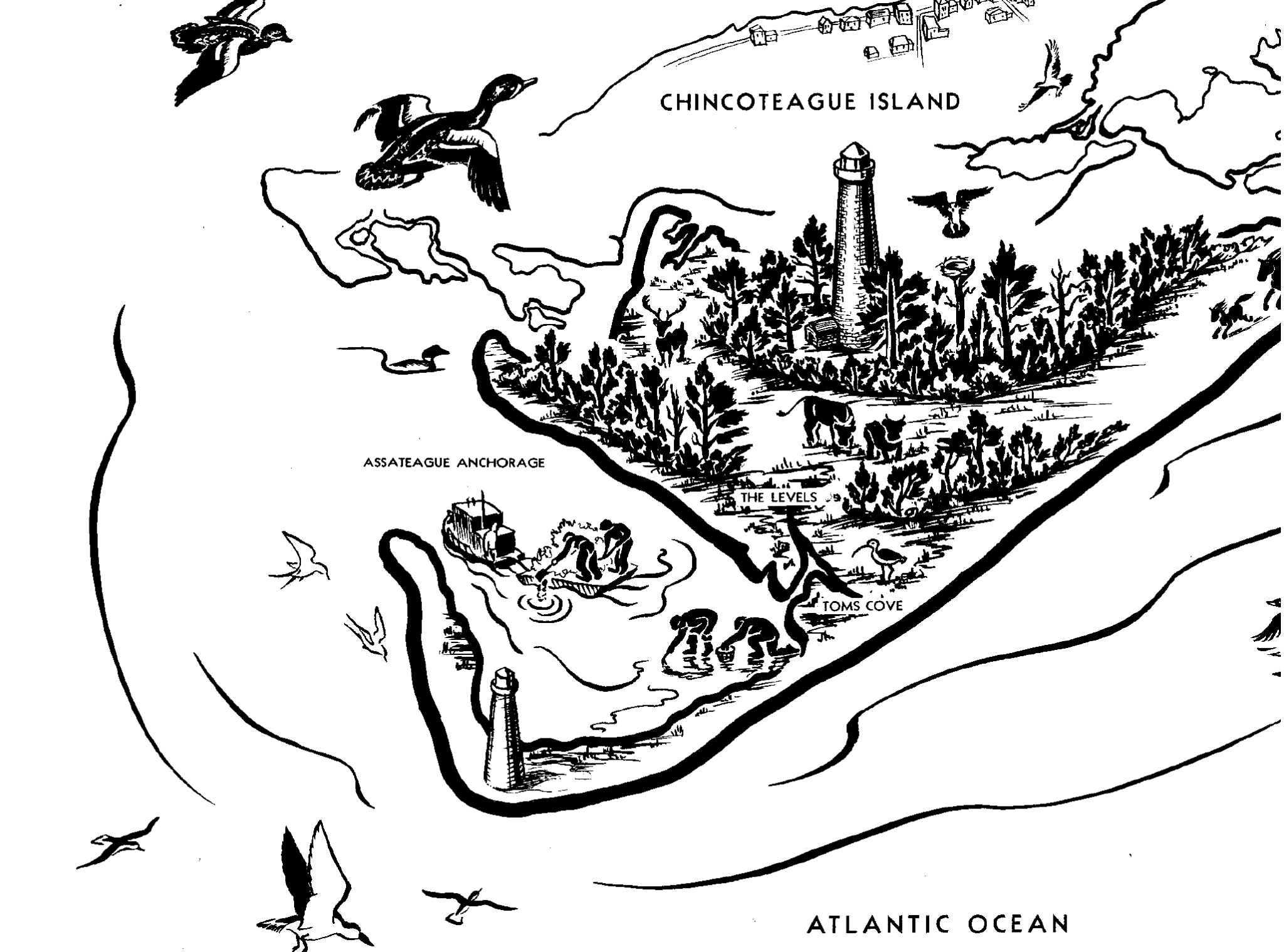
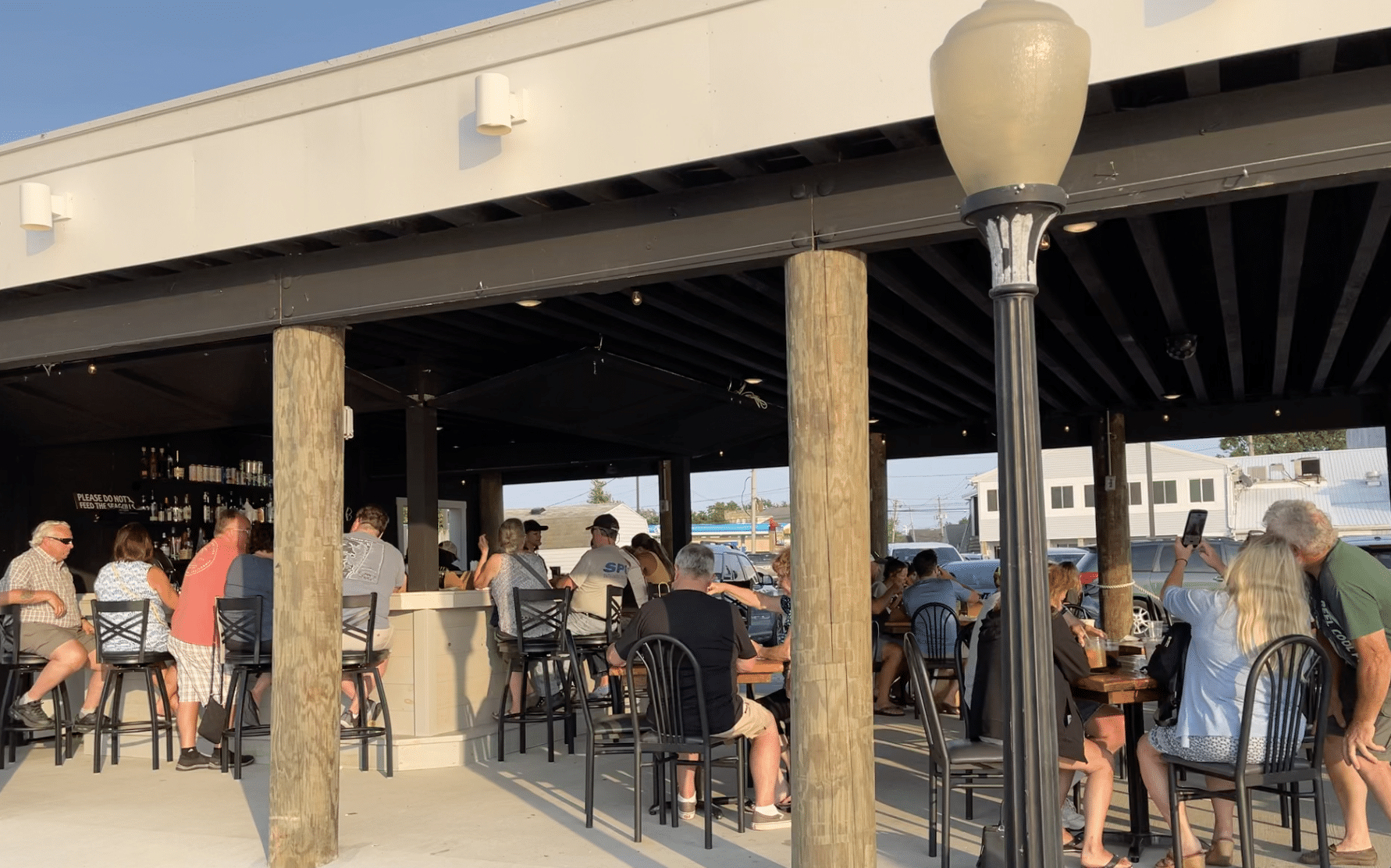
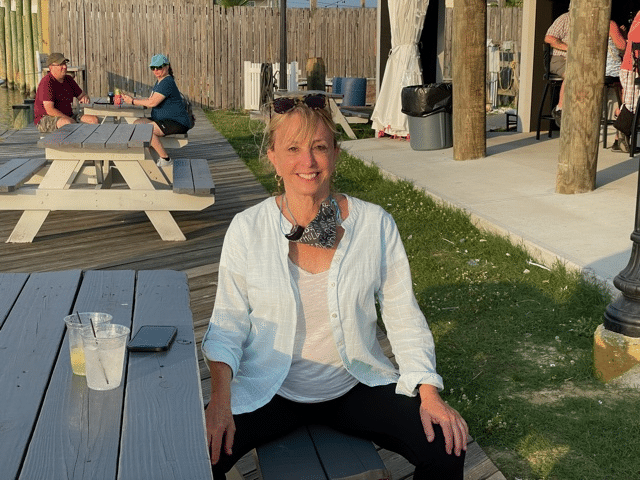
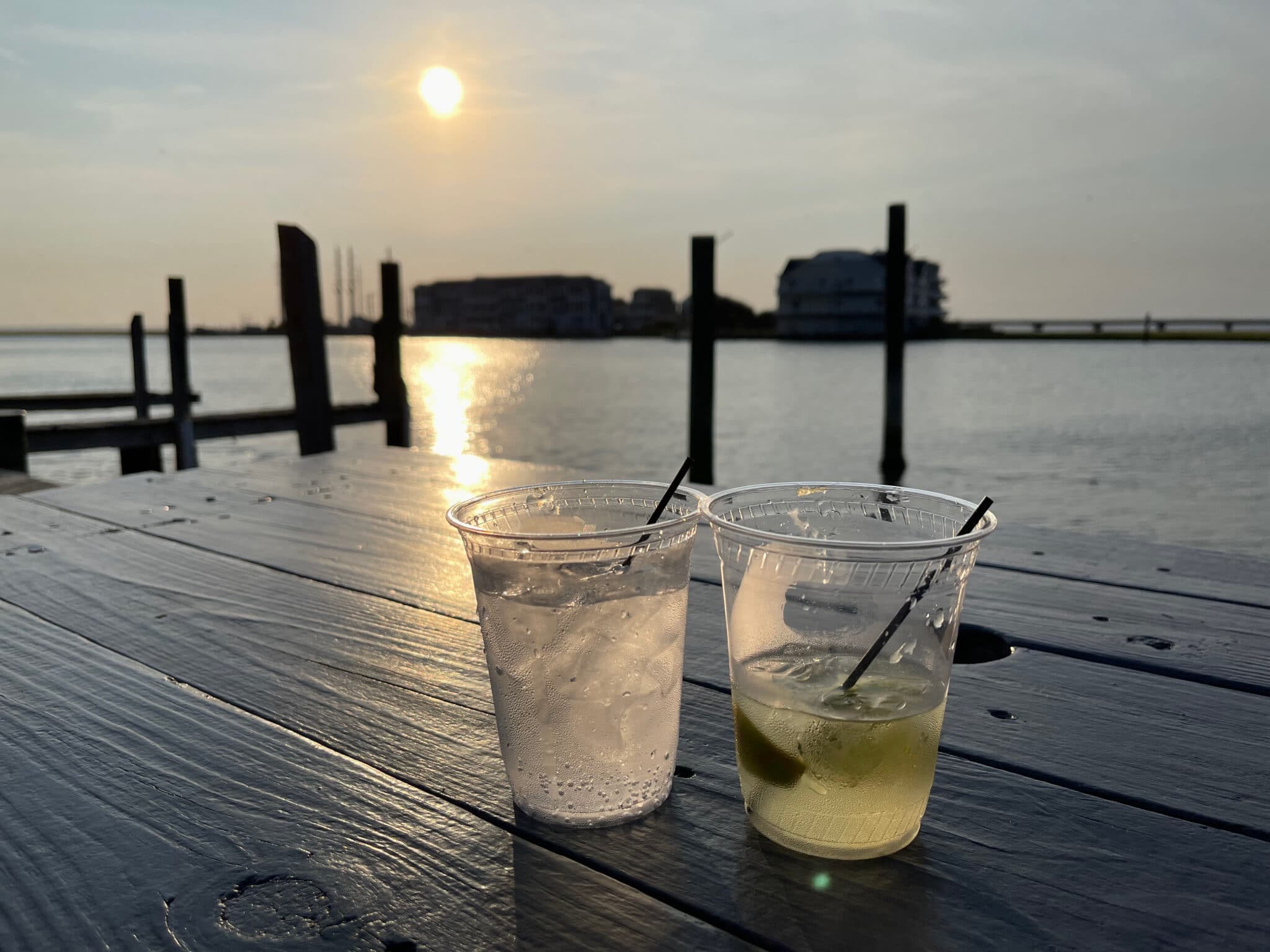
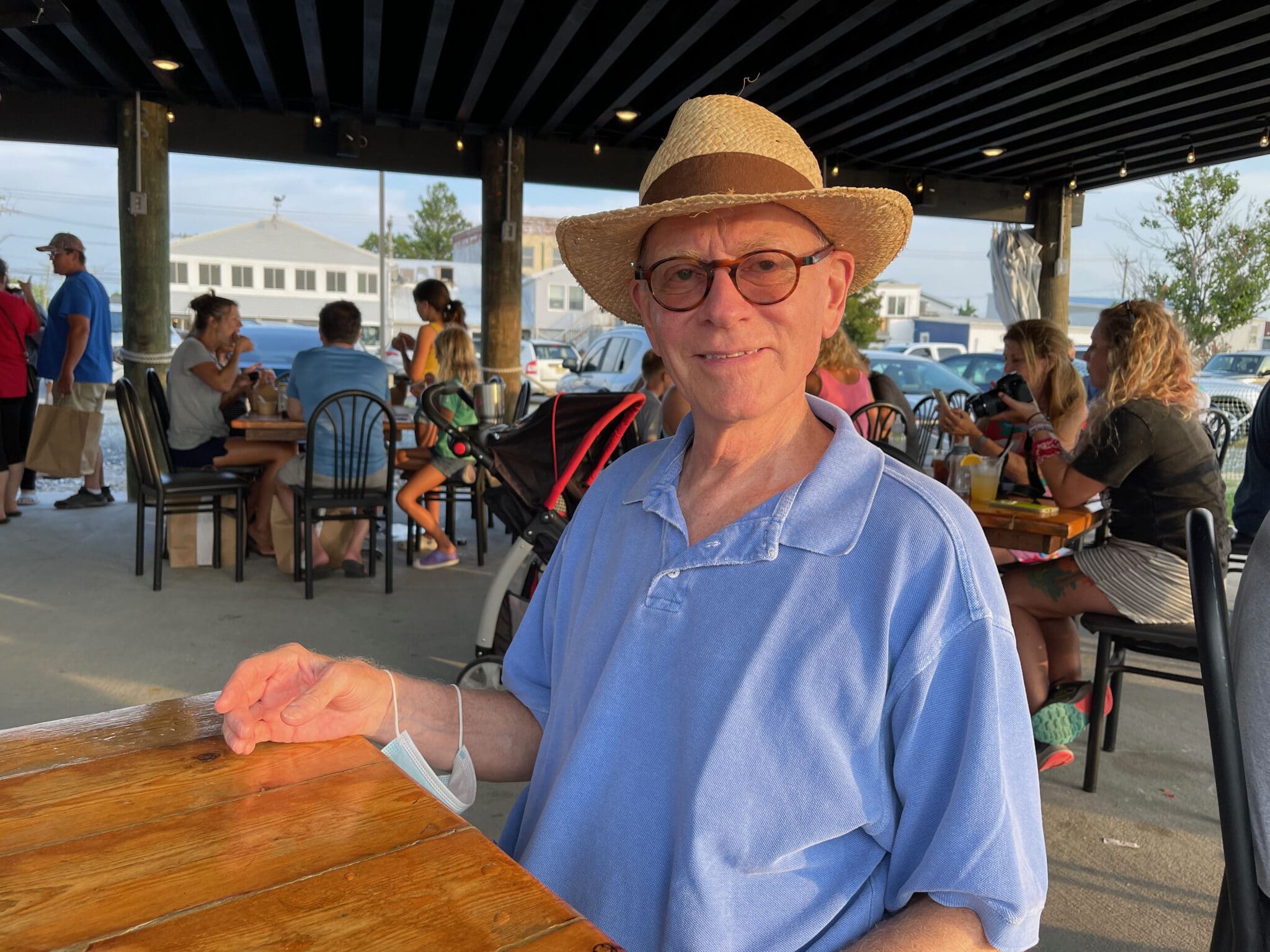
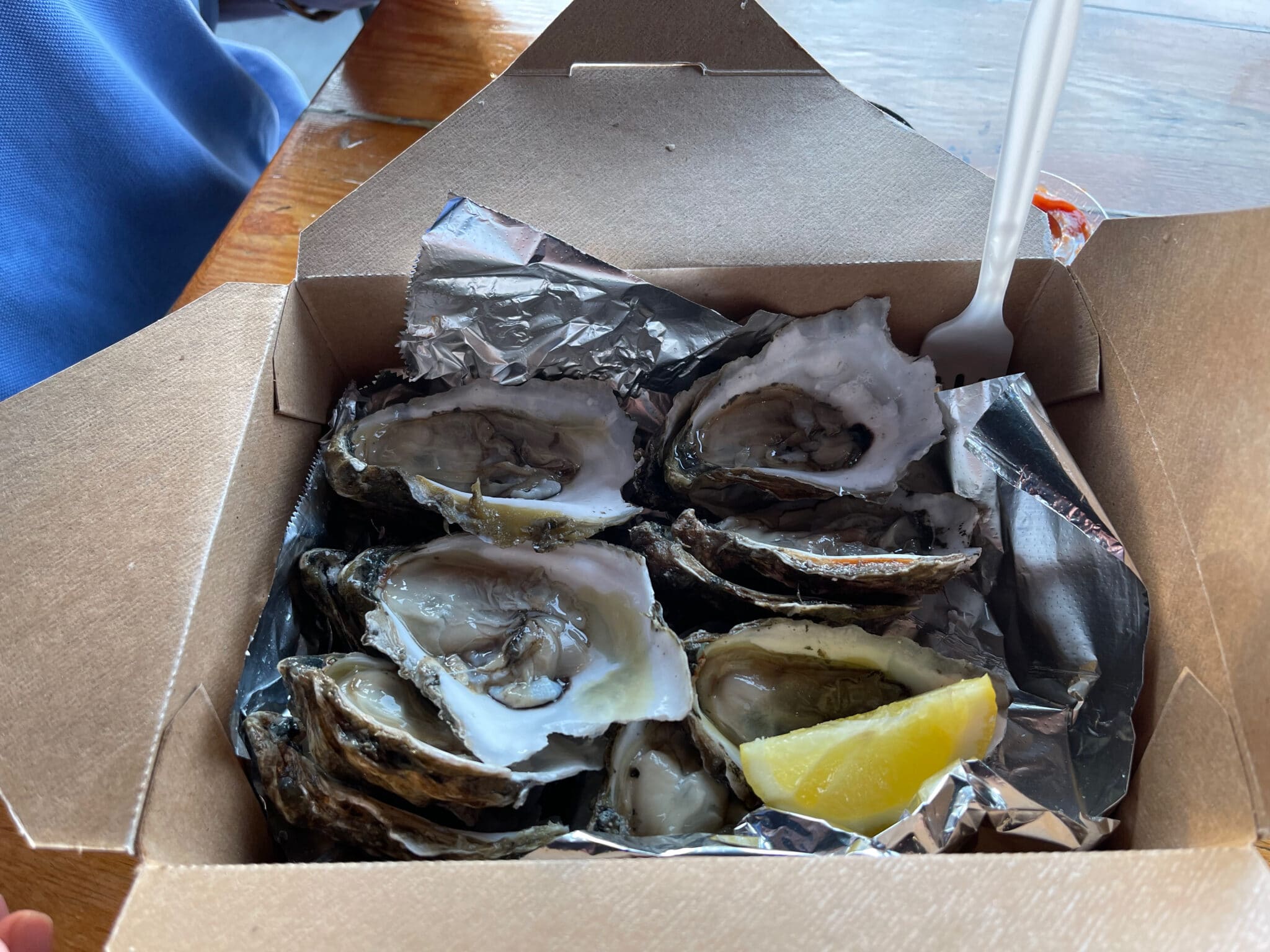
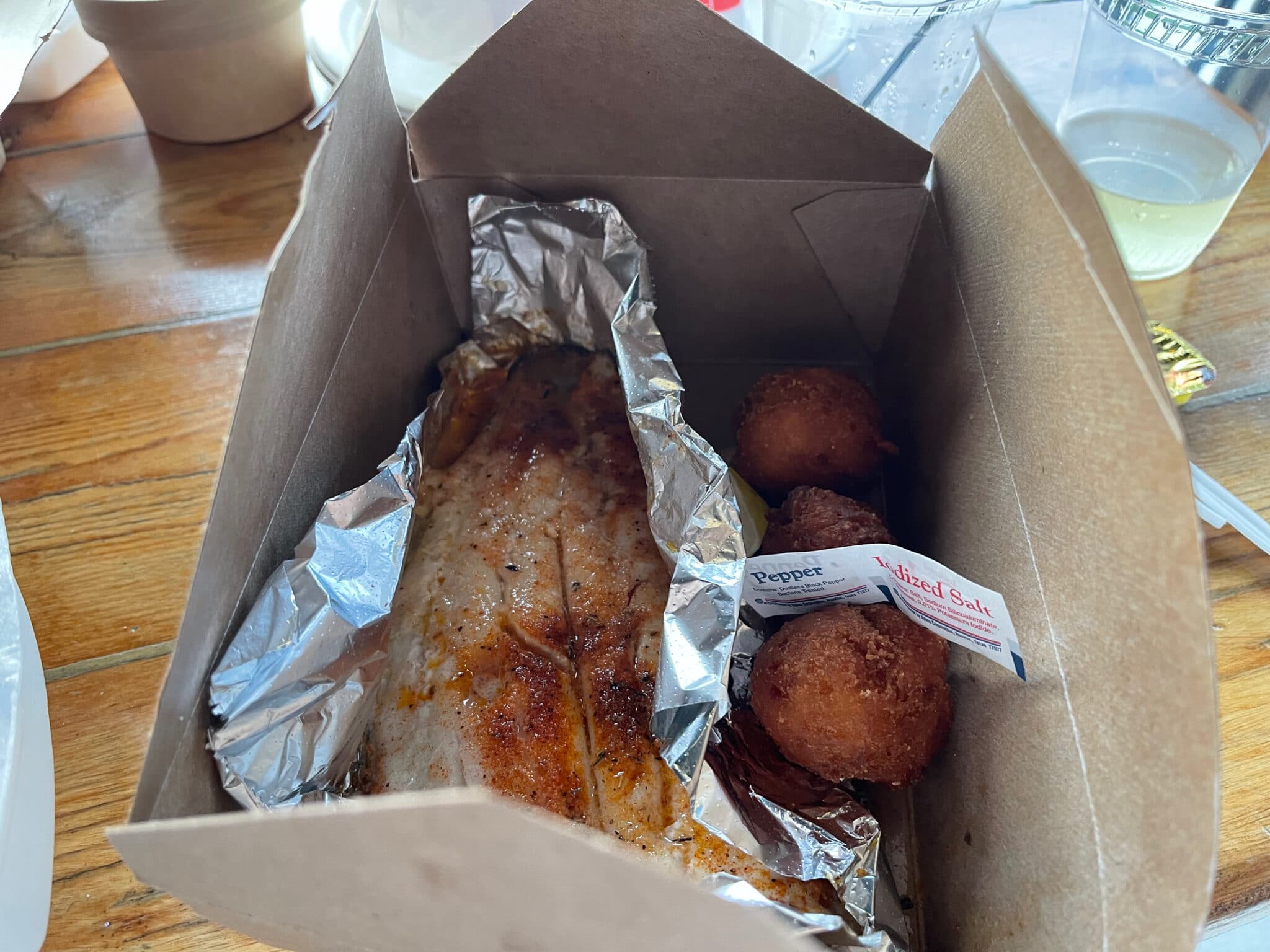
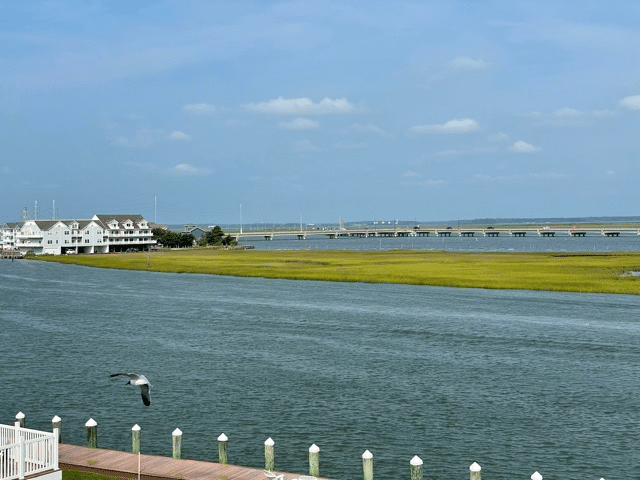
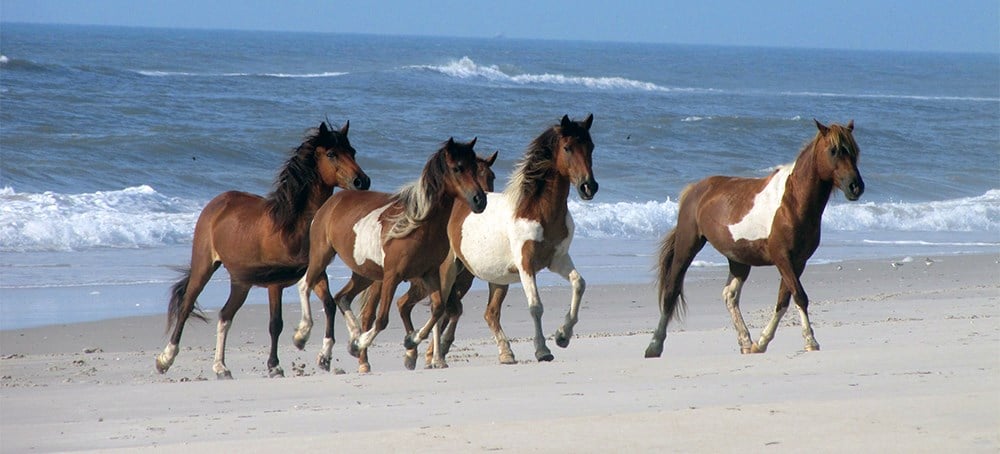
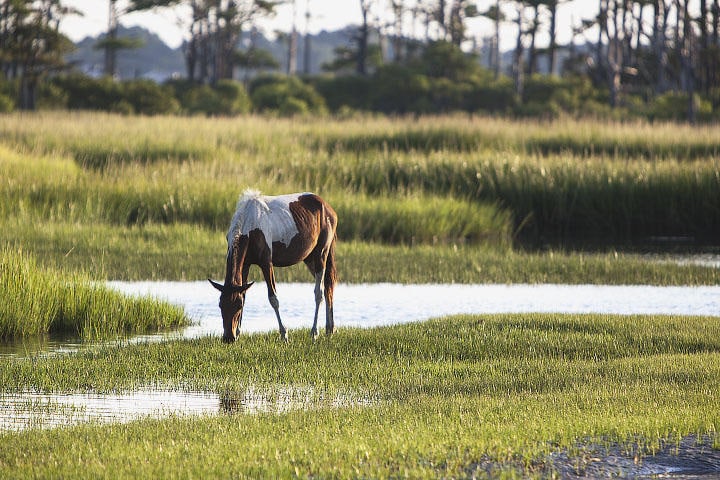
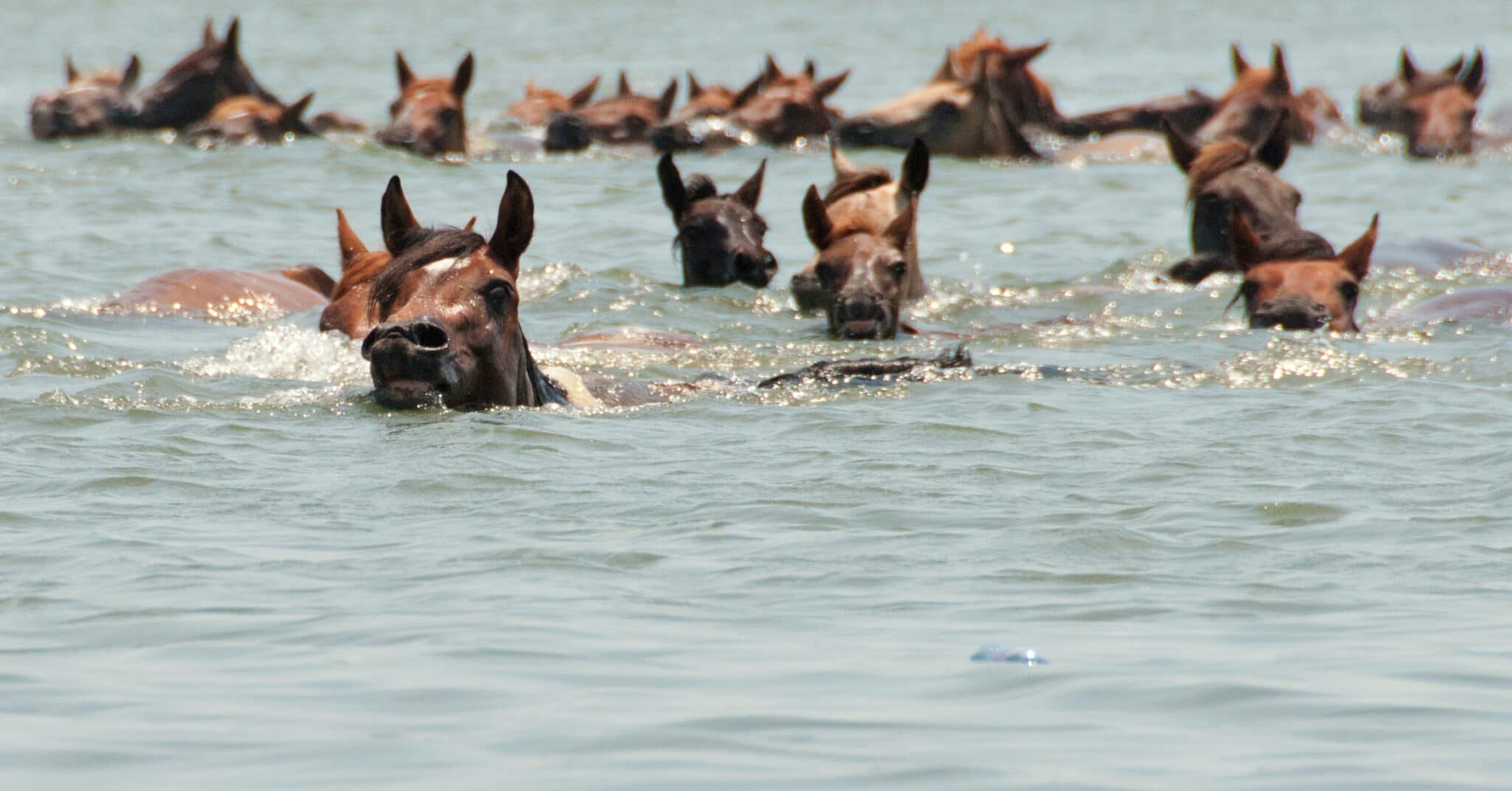
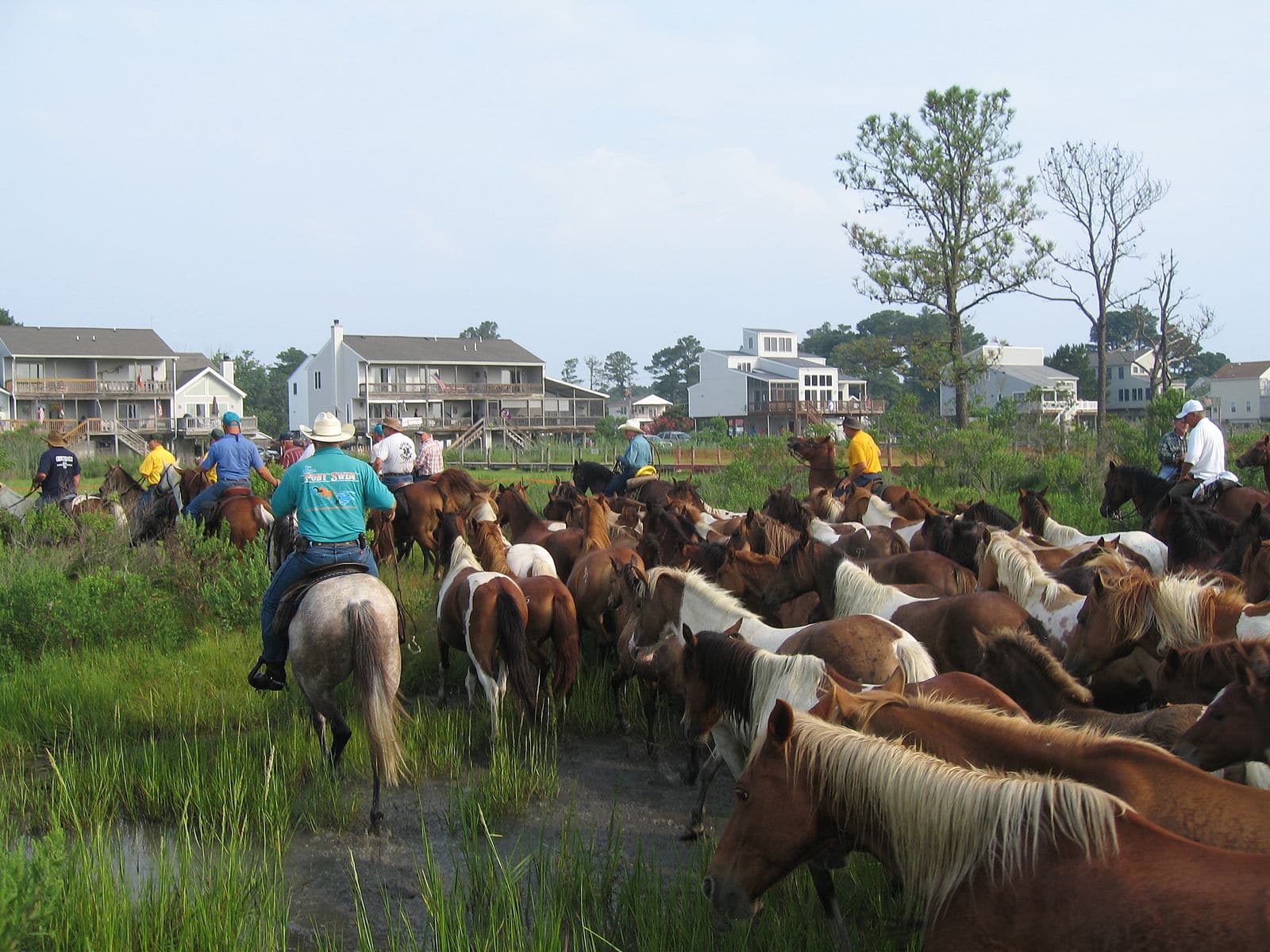 Ponies get herded to corrals and are auctioned off. Photo by Leonard J. De Francisci. Creative Commons License.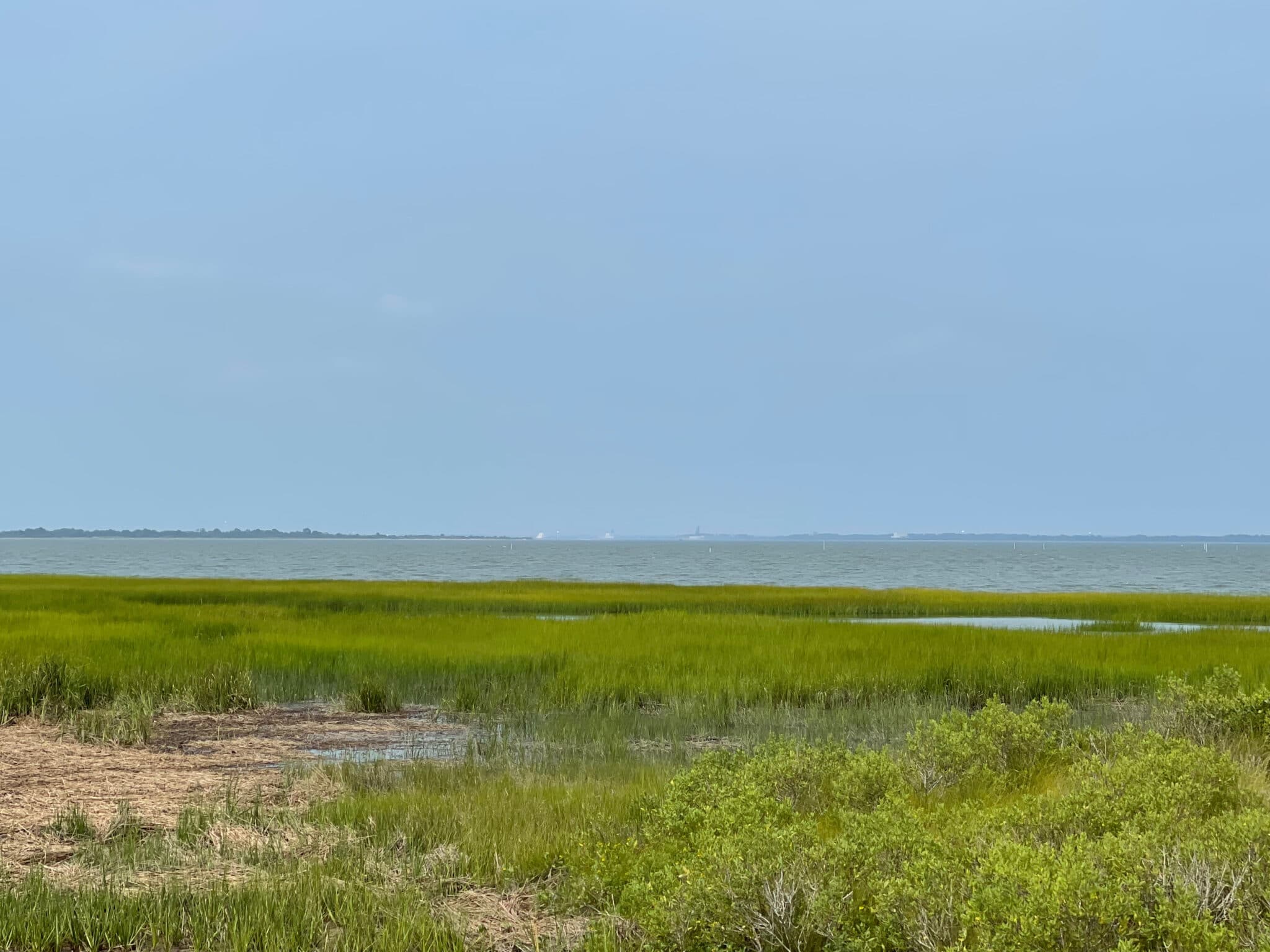
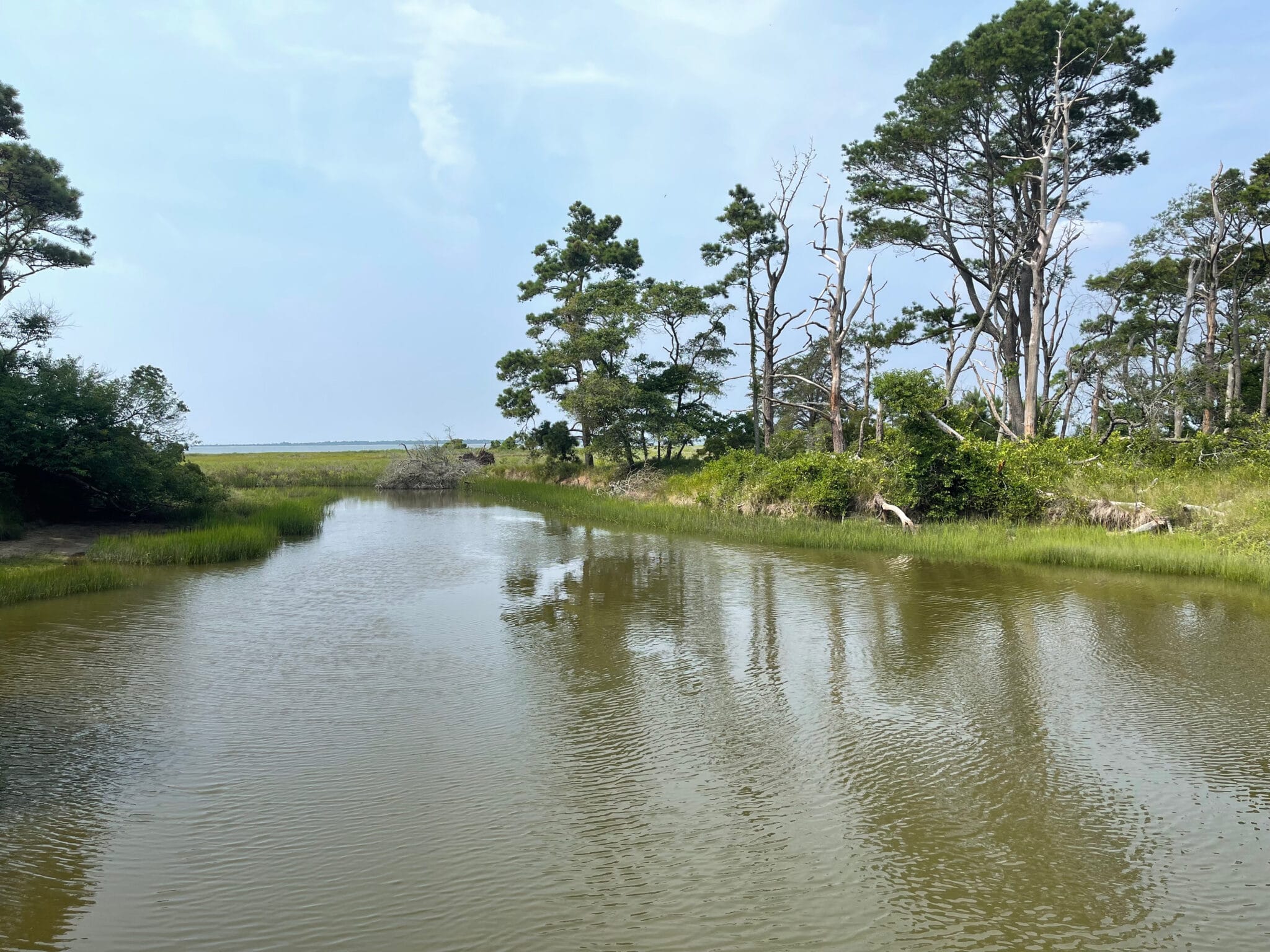
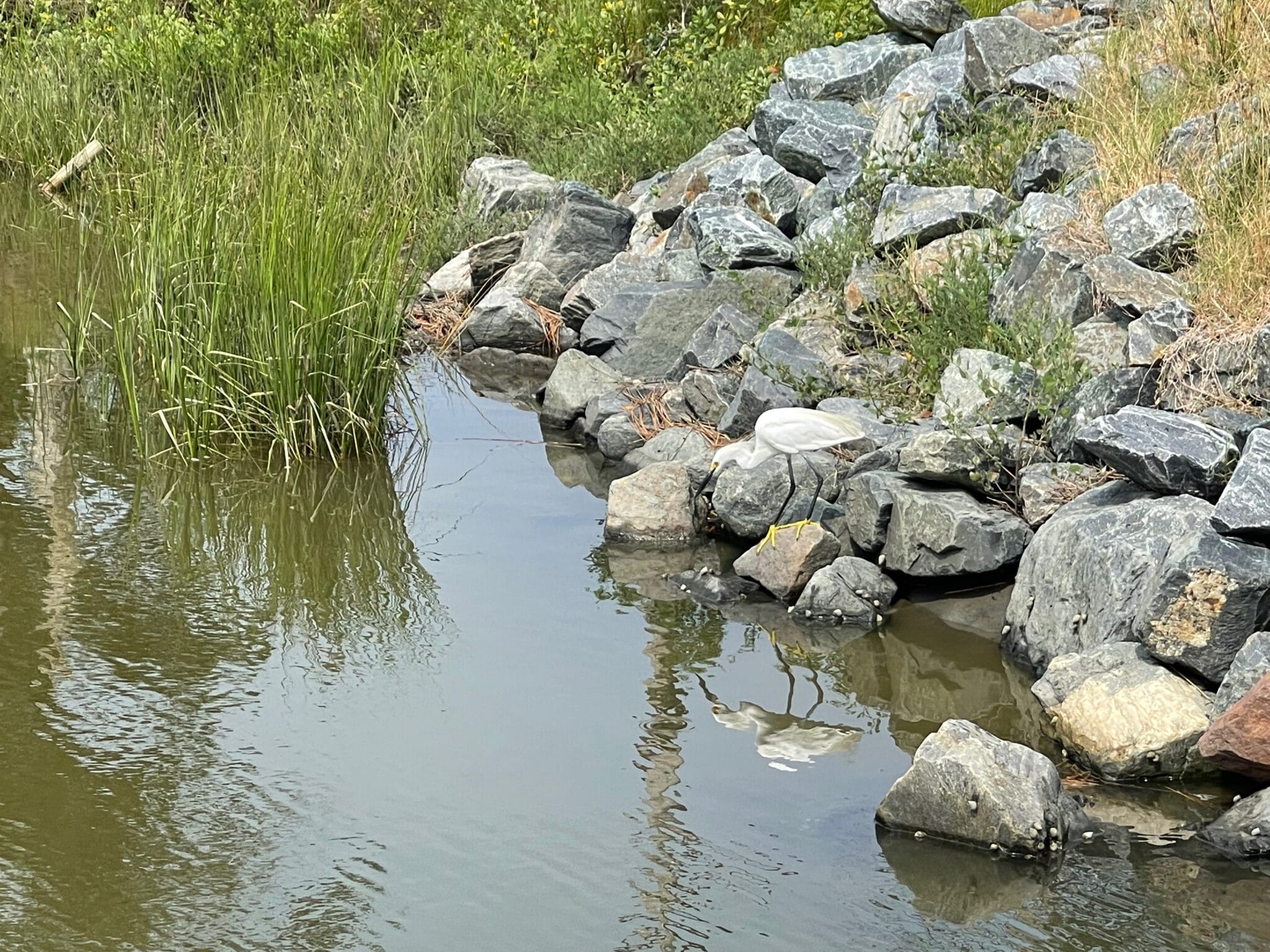 The adult snowy egret has black legs and yellow feet. Photo by ConsumerMojo.com