All posts by Barbara Nevins Taylor

Student Debt Cuts Home and Car Buying

Boston Marathon Charity Scams
People want to help. No doubt about it. But horrific incidents like the bombings at the Boston Marathon also spawn financial evildoers. They prey on our good instincts and our desire to contribute to help individuals, families and communities recover. The Federal Trade Commission (FTC) issued a scam alert to remind us to avoid the predators who make urgent appeals for money. You may get phone calls, emails or text messages. Invariably, these appeals result in donations that help only to enrich the scam artists.
Here’s the FTC’s advice:
- Donate to charities you know and trust. Be alert for charities that seem to have sprung up overnight in connection with current events, like the bombing.
- Ask if a caller is a paid fundraiser, who they work for, and what percentage of your donation goes to the charity and to the fundraiser. If you don’t get a clear answer — or if you don’t like the answer you get — consider donating to a different organization.
- Don’t give out personal or financial information — including your credit card or bank account number — unless you know the charity is reputable.
- Never send cash: you can’t be sure the organization will receive your donation, and you won’t have a record for tax purposes.
- Check out the charity with the Better Business Bureau’s (BBB) Wise Giving Alliance, Charity Watch, or GuideStar.
- Find out if the charity or fundraiser must be registered in your state by contacting the National Association of State Charity Officials.
Have you been contacted by someone asking for money? Share your experience with us.
Like us on Facebook and Follow us on Twitter.
Who Gets Your Social Security Number?
by Barbara Nevins Taylor
The Facebook posts sound great. There are almost 70,000 followers of one company that promotes the idea of lowering your bills through refinancing, or other things like debt consolidation, debt relief, and credit card balance transfers. So what’s the catch? Essentially these companies generate leads for other companies that will attempt to sell you financial services.
They ask for personal information including your Social Security number. And that’s a big deal.
Take care about giving out personal information
It’s just not a good idea to give out your Social Security number during a casual online exploration. You have no idea where it will end up.
About one company
LowerMyBills.com (LMB) is the primary company using this business model. It was owned by Experian until October 2012. A California-based company called Core Digital Media bought it in October 2012.
Mitch Viner, Director of Operations for LowerMyBills.com, told ConsumerMojo that you don’t have to give your Social Security number to be referred to lenders. But he says those who do provide Social Security numbers are considered “Premier leads.”
Why ask for a Social Security Number?
Viner explains,”The purpose of collecting SSN is to validate consumer-supplied information, and help cut down on false submissions or identity theft. We also believe it shows a higher-intentioned consumer. Again, this is a secondary option, and not required for the use of the matching service”
You are a “Lead”
Remember, you are a lead. You are not their client. Their clients are lenders and others to whom they sell the information.
Viner says, “The contract with LMB requires that the institution be a licensed financial institution and/or bank. The institution must pass a Premier-verification check, which includes credit check, license verification with state agencies, and appropriate contract obligations (including warranty as to compliance with law, data security, no use or resale without consumer consent, no “auto-pull” of credit reports without consumer authorization, etc).
He also insistes, “We do not permit the resale of SSN or Premier leads, nor do we resell any Premier leads outside of this process.”
LowerMyBills also spells out its policies online and you might want to take a look:
https://www.lowermybills.com/misc/termsofuse/index.jsp
https://www.lowermybills.com/misc/privacy/index.jsp
Bottom Line
Be very, very careful about entering those Social Security numbers online, or anywhere else.
What do you think? Let us know.
Follow us on Facebook and Like us on Twitter

Military Loans Work Loopholes In a Bad Way
by Barbara Nevins Taylor
If you’re in the military and you need money, you may be tempted by a quick cash loan. Let us suggest that you hold that thought. The attractive ads you see online and in the flashing lights of storefront windows are like the big bad wolf knocking at your door.
Stay with me for a minute. The Military Lending Act of 2007 aimed to protect military members and their families.
That law outlawed predatory payday loans for the military. It defined them as those:
1. For less than $3,000
2. For 91 days or less
3. Vehicle title loans for 181 days or less.
So how is it possible that there is such a big online business where lenders seem to speak exclusively to your club?
These lenders use the loopholes in the law. They just make the loans for a bit longer. And some of these companies charge close to 400% interest. Sure, you may need cash. But borrowing like this inevitably pulls you deeper into debt and trouble.
Tom Feltner, Director of Financial Services for the Consumer Federation of America (CFA), says, “Very high cost credit options don’t just make it difficult to pay at the next payday. There are long-term security and employment issues that are affected when you end up deeply mired in debt.”
The Department of Defense (DOD) considers this kind of lending risky for individuals and military readiness. A 2006 report said, “Predatory lending undermines military readiness, harms the morale of troops and their families, and adds to the cost of fielding an all-volunteer fighting force.”
DOD repeatedly asked Congress to close the loopholes. In 2012, the Senate passed a bill that would have done that. But the House wouldn’t go along with it.
So while you are working hard to protect Congress and the rest of the nation, who is protecting you? You might ask your Congressman.
Feltner and the CFA say the time to make the change is now. “We think… we need to close the loopholes in the Military Lending Act to protect service members from high-cost abusive forms of credit that are negatively impacting security clearance, readiness and economic security.”
In the meantime, a safe bet is borrowing from a credit union. Here are few, and there are many more.
Navy Army Community Credit Union
Air Force Federal Credit Union
U.S.Coast Guard Community Credit Union
Let us hear from you. What do you think?
Follow ConsumerMojo.com on Facebook and Like us on Twitter.
Elizabeth Warren Goes After Bank Regulators
One Reason To Modify Your Mortgage
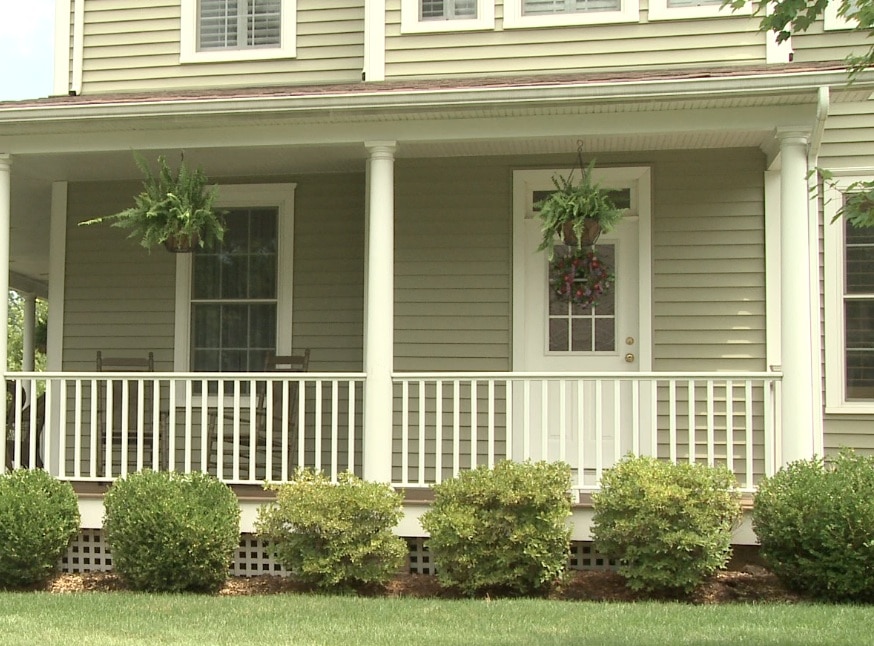
Here’s one great reason to modify your mortgage, especially if you struggle to make monthly payments. The Federal Housing Finance Agency (FHFA) directed Fannie Mae and Freddie Mac to extend the Home Affordable Refinance Program (HARP) for two years to December 31, 2015.
HARP was set up by the Obama Administration specifically to help homeowners in trouble. The program works with homeowners who are “underwater.” In other words, those who owe more than their homes are worth.
FHFA Acting Director Edward J. DeMarco says,“More than 2 million homeowners have refinanced through HARP, proving it a useful tool for reducing risk. We are extending the program so more underwater borrowers can benefit from lower interest rates.”
HARP eligibility:
- The loan must be owned or guaranteed by Fannie Mae or Freddie Mac.
- The mortgage must have been sold to Fannie Mae or Freddie Mac on or before May 31, 2009.
- The mortgage cannot have been refinanced under HARP previously unless it is a Fannie Mae loan that was refinanced under HARP from March-May, 2009.
- The current loan-to-value (LTV) ratio must be greater than 80 percent.
- The borrower must be current on their mortgage payments with no late payments in the last six months and no more than one late payment in the last 12 months
Find out if you qualify:
Contact your existing lender or any other mortgage lender offering HARP refinancing. Check to see if your loan is owned by Fannie Mae or Freddie Mac.
Have A Question? Ask Barbara
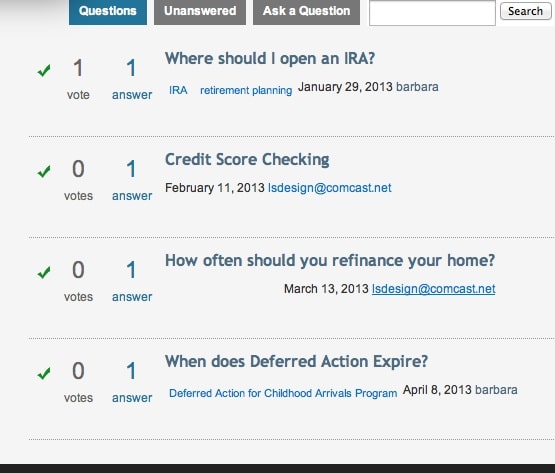
We just put up a new Question and Answer tool and we’re trying it out. We need your questions to see how it works.
If you have a question about credit, money, insurance, mortgages and refinancing, planning for the future, an immigration issue, a possible ripoff or scam “Ask Barbara.”

Deferred Action-How Long Can You Wait To Apply?

Watch Out For Hotel Room Wireless Charges
by Nick Taylor
“I hate hotels that charge for Internet access. Bah, Marriott.” That was friend and Southern chef extraordinaire Nathalie Dupree’s recent Facebook post from the West Coast. I couldn’t agree more.
Most hotels that cater to business travelers charge up to $15 a day for in-room wireless because they can get away with it. The Internet’s a business tool that hardly anybody can do without. So while somebody whose company is paying the bill is sitting on his bed in his underwear browsing the net, I’m in the lobby with the rest of the price-conscious travelers using the free signal for our Internet explorations. If I’m lucky I will have found a chair.
That’s the way it usually breaks down. Not all hotels are the same, obviously, and even franchisees of the same chains don’t always follow the same policies regarding Internet access. But generally, the free access is in the lobby and you have to pay for access in your room. The gearheads in the crowd may have ways to get around that, but most of us don’t.
I have some sympathy for the hotels. They’re probably using the in-room charges to pay for continually being left behind by technology. I was in a hotel in Alabama not too long ago that still had telephone and USB cables bundled in the desk drawer along with cards on how to use them. I can see children asking, “Mommy, Daddy, what are these?”
“Those are dead technologies, dear. Wash your hands. You don’t know where they’ve been.”
I’m guessing that it doesn’t cost a hotel operator that much, if any, more to provide free wireless access in its guest rooms. It sure doesn’t cost $15. It would be worth that much in goodwill for hotels to drop the charge entirely.
Of course, smartphones and tablets with phone plans obviate the need for Internet access for many travelers. But a bigger screen sometimes makes all the difference. When booking a hotel reservation, it’s a good idea to find out ahead of time how much you’ll have to pay for a wireless connection in your room.
One caveat: if you’re outside the United States and are going to spend time checking sports scores or Facebook or responding to email on your iPhone or Droid device, the cellphone roaming charges mount up quickly. That’s where a charge for wireless Internet access might be a better deal. But then, sitting in the lobby and getting a free signal would be better still.
What some hotels charge, and don’t:
Kimpton Hotels offer free wireless if you sign up for its free loyalty program.
La Quinta Hotels offer free Internet. Some provide wireless service.
Hilton Hotels charge up to $14.99 daily for wireless at some locations like the Hilton New York on Avenue of the Americas. A spokesman said the fee is less at other hotels.
HHilton Honors Diamond and Gold members receive free WiFi including at the luxury hotels including: Waldorf Astoria Hotels & Resorts, Conrad Hotels & Resorts, Hilton Hotels & Resorts, Doubletree by Hilton and Embassy Suites.
Free Internet is available to all at Hilton Garden Inn, Hampton, Homewood Suites by Hilton and Home2Suites by Hilton.
Hyatt Hotels charge $9.95-$12.95 daily. Wireless is free in Hyatt Place and Hyatt House hotels.
Marriott Hotels charge $12.95 daily unless there’s a special package.
Marriott Gold and Platinum Elite members receive free wireless.
Marriott’s Courtyard, Fairfield Inn, Residence Inn, SpringHill Suites and Town Place Suites hotels offer free in-room wireless.
Starwood Hotels, which include Sheraton, Westin, W, ALoft, Le Meridien, St.Regis, Element and the Luxury Connection generally charge between $9.95 and $14.95 daily. The W Hotels $14.95, while the Westin hotels charge $9.95. daily.
Sheraton’s Four Points Hotels offer free wireless.
Foreclosures Drag Down Home Prices
Checks In The Mail
The check is set to go in the mail. That’s the message from the Office of the Comptroller of the Currency (OCC): 4.2 million borrowers, whose mortgage lenders wrongly foreclosed, or made errors in the foreclosure process, will start to get checks after April 12. This is part of the agreement reached by the OCC and the Federal Reserve Board with 13 big companies including:
Aurora, Bank of America, Citibank, Goldman Sachs, HSBC, JPMorgan Chase, MetLife Bank, Morgan Stanley, PNC, Sovereign, SunTrust, U.S. Bank, and Wells Fargo.
Cash payments
$3.6 billion in cash payments are set for borrowers whose homes were in any stage of the foreclosure process in 2009 or 2010. Individual payments will range from $300 to $125,000. There’a formula for the payments based on how far the foreclosure went and the type of error made.
Checks will be sent in several waves beginning with 1.4 million checks on April 12. The final batch will go out in mid-July 2013. Payments from Goldman Sachs and Morgan Stanley will not go out with the first wave. The OCC says it will announce dates for those payments soon.
Here’s how it will work:
In most cases, borrowers will receive a letter with an enclosed check sent by the Paying Agent—Rust Consulting, Inc. Some borrowers may receive letters from Rust requesting additional information needed to process their payments. Previously, Rust sent postcards to the 4.2 million borrowers notifying them of their eligibility to receive payment under the agreement.
Borrowers can call Rust at 1-888-952-9105 to update their contact information or to verify that they are covered by the agreement.
Beware scams and “fees”
Anyone who asks you to call a different number or to pay a fee is scam artist. Be very careful.
You can still take legal action
The OCC says, “Accepting a payment will not prevent borrowers from taking any action they may wish to pursue related to their foreclosure. Servicers are not permitted to ask borrowers to sign a waiver of any legal claims they may have against their servicer in connection with accepting payment.”
If you have question, “Ask Barbara.”
Like us on Facebook and Follow us on Twitter.
Refinancing Still Strong
Low interest rates continue to make it attractive to refinance and in January nearly 470,000 home owners took the opportunity to lower their monthly mortgage payments. The Federal Housing Finance Agency (FHFA) says that about 97,600 troubled homeowners modified mortgages through the Home Affordable Refinance Program (HARP). This is significant because many of those who use the HARP program have mortgages for more their homes are worth and fall into the category of “underwater homeowners.”
Florida and Nevada
High rates of foreclosure continue to plague Florida and Nevada. So it’s welcome news that many homeowners are able to hang on by modifying their mortgages. In January, 66 percent of total refinances in Nevada and 56 percent of total refinances in Florida were through HARP.
Also in January, 18 percent of HARP refinances for underwater borrowers were for shorter-term 15- and 20-year mortgages, which build equity faster than traditional 30-year mortgages.
Free Refinancing Guide
Download ConsumerMojo.com’s free Guide to Refinancing
Like us on Facebook and Follow us on Twitter. Have a question? Ask Barbara
Mortgage Modification Scam Refunds
What Do You Do With Loose Change?
by Barbara Nevins Taylor
I always wonder why people toss pennies or coins away. It’s good money and discarding it makes no sense to me. Okay, bad pun.
My grandparents, Louis and Sarah Robin, were immigrants and owned a candy store. They sold newspaper, cigarettes, cigars, candy and had a soda fountain too. Grandma made classic New York egg creams and hosted great conversations over the marble counter.
But their store was basically considered a penny business. They literally counted every penny and made enough to live comfortably in their retirement. My grandmother died at about 95 and my grandfather lived to 101.
They spent money, but they were thrifty and made those pennies count. They did small things that helped them save and they never thought about throwing a penny away.
I grew up in and out of their house and watched them unpack the groceries, which they bought together in the supermarket every week. They had a routine. Before they put anything away, they took the items out of the bag and checked each one against the register receipt to make sure that they weren’t overcharged. They even weighed the fruits and vegetables to see if the weight and price matched.
My grandfather tried to teach me thrift and told a story about my mother. He said proudly, “When Julie went to high school, she kept a quarter in the pocket of her leather jacket so long that it got rusty.” The message, of course, was that I should do the same.
The thrift gene seems to have missed me.
Unlike my mom, I always had a hard time holding on to money. I spent it as quickly as I got it. And then, in my late twenties early thirties, there was a shift in my thinking. I got really tired of scrambling to fix my finances and reconsidered my wasteful ways.
I made subtle adjustments to the way that I approached spending and saving.
I wouldn’t say that I’m now the thriftiest or most frugal person I know. That wouldn’t be true. But I am much more careful than I have ever been about how I spend and what I do with my money, and I feel better and more secure.
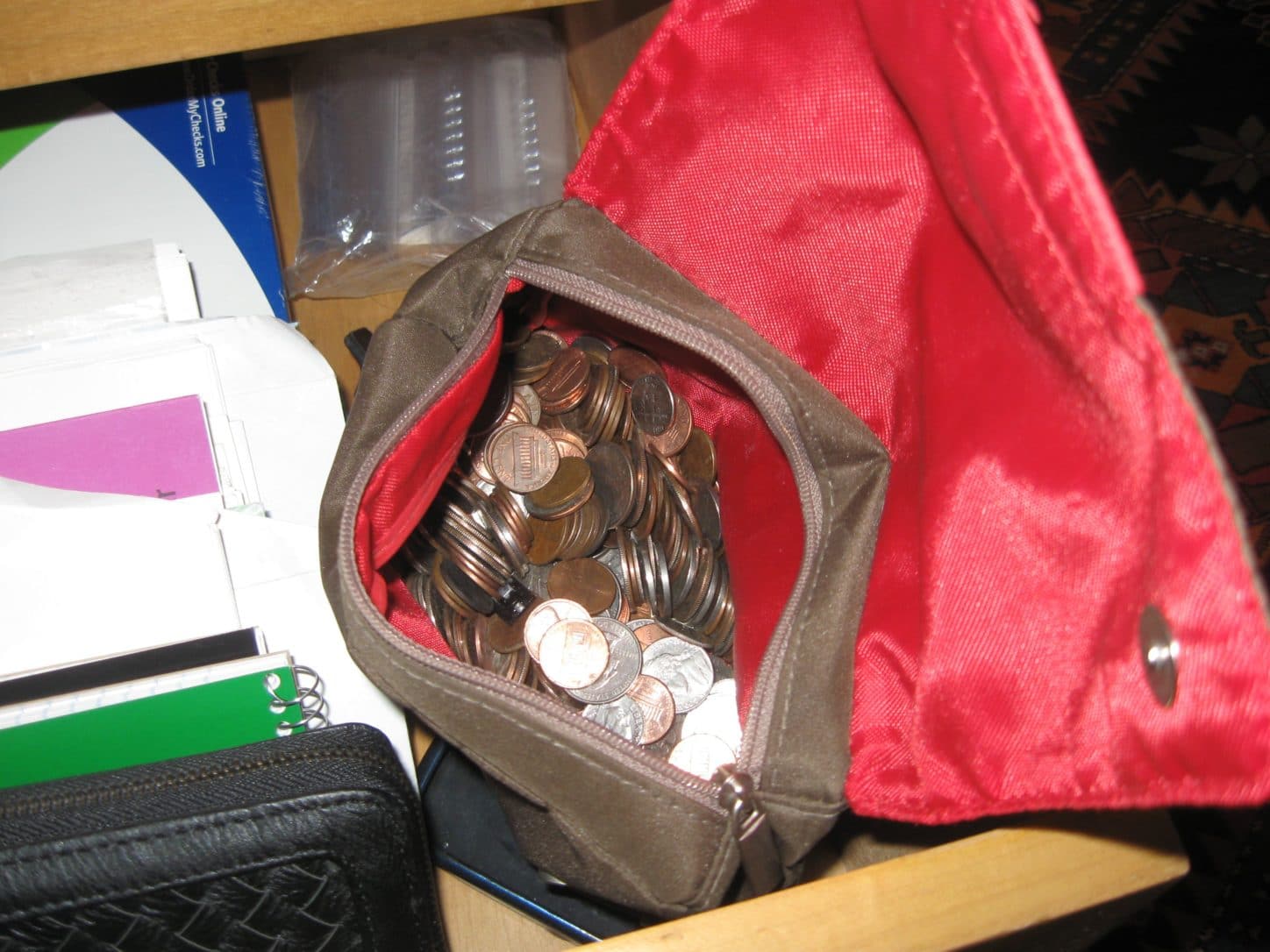
I never threw away pennies and still don’t. I have a little brown bag with red lining in my desk drawer and that’s where I stash loose change.
There’s usually a lot of change rumbling around the bottom of my handbag. Those coins go into the brown bag and when it gets nice and fat and full, I take the bag to one of those machines that count loose change and dump the change in the basket. I watch the tally eagerly to see what I’ve saved.
It’s always a little thrill to find that I have an extra $75 or so. And I use the money to buy something that I might not have bought.
Mortgage Lenders Too Cozy With Insurers
Mortgage borrowers who wondered why they were forced to buy insurance from certain companies and why it was so expensive, don’t have to wonder any longer.
The Consumer Financial Protection Bureau (CFPB) says it believes improper kickbacks were paid by mortgage insurers to mortgage lenders in exchange for business. And the CFPB suggest they’ve been doing it for 10 years. Now as the result of a settlement four insurers will pay more than $15 million in penalties to the CFPB.
Who has to buy mortgage insurance?
Buyers who put down less than 20 percent are generally asked to buy insurance, which protects the lender in case the buyer defaults. But the lender usually picks the insurer.
The buyer pays the insurance bill every month. The CFPB says, “…it also adds to the cost of monthly payments for borrowers who have little equity in their homes.
As such, mortgage insurance can be especially harmful when its cost is inflated by illegal kickbacks. Increasing the burden on borrowers who already have little equity increases the risk that they will default on their mortgages.”
The players
The four companies are: Genworth Mortgage Insurance Corporation, United Guaranty Corporation, Radian Guaranty Inc., and Mortgage Guaranty Insurance Corporation.