All posts by Barbara Nevins Taylor

Car Lending Bias


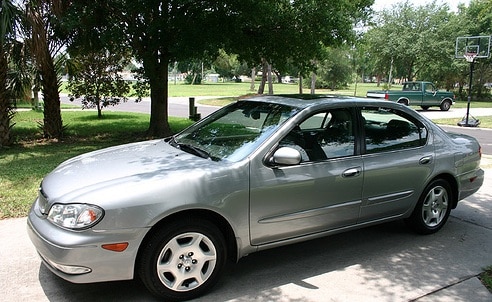
If you suspected some car dealers and lenders set higher interest rates for African Americans and Hispanics, looks like you were right. The Consumer Financial Protection Bureau (CFPB) estimates consumers lose tens of millions every year because of car dealer-lender discrimination.

Warning to lenders

The CFPB issued a bulletin, with guidelines, warning lenders they are responsible for unlawful, discriminatory pricing when they make loans through dealerships. CFPB Director Richard Cordray said, “Consumers should not have to pay more for a car loan simply based on their race,”

How dealers and lenders discriminate

When you buy a car and arrange financing through the dealer, the lender sets an interest rate. But the dealer  can mark up the loan with a higher rate and keep the difference.  The CFPB says even if they are credit worthy, “Research indicates that markup practices may lead to African Americans and Hispanics being charged higher markups than other, similarly situated, white consumers.”



Payday Lending Trap


A new report from the Center for Responsible Lending (CRL) says some big banks act like payday lenders when they make short term loans with high interest rates. 

The group’s research found that over one quarter of all those who borrow through these loans are on Social Security.  And in 2011, the average borrower took out 19 loans.

It’s incredibly difficult to repay these loans, and that’s why people borrow over and over again. The initial loan amount may be relatively small, but the interest is high.

In some cases, payday lenders charge 400 to 600 percent. CRL says big banks include Wells Fargo Bank, U.S. Bank, Regions Bank, Fifth Third Bank, Bank of Oklahoma and its affiliates, and Guaranty Bank. 

The report says the banks claim, “…their product is not a payday loan because they call it an open-end line of credit.” But even though the loans aren’t technically pay day loans, CRL says they are structured the same way.  “These are short-term balloon loans that borrowers are unable to repay in full when due. They carry triple-digit interest rates, lack meaningful underwriting to assess a borrower’s ability to repay, and ensnare customers in a cycle of long-term debt that leaves them worse off.” Advice The best advice here is to stay away from high interest loans and find out what the interest is before you borrow.  

Watch: What’s Wrong With Payday Loans 

Time To Shop For A Home

Realtors like to say spring is the season for home buying. This spring, there’s mixed news about what’s available. The U.S. Commerce Department says new construction and permits for new construction are at their highest levels since 2008. And there appears to be competition for the houses already on the market. Realtor.com found the number of houses for sale in the U.S. was down almost 16 percent in February from a year ago.

If you’re in the market for a new home ConsumerMojo’s, How Do I Shop for A Mortgage video and detailed printout walk you through everything you need to know.


Worried About Retirement

Does this surprise you? A lot of us worry about retirement according to the Employee Benefit Research Institute and many aren’t confident we’ll be financial secure. The latest survey shows:

  •  28 percent are not at all confident
  •  21 percent are not too confident.

Even though the economy is improving, EBRI’s Retirement Confidence Survey found many realize they need a lot more money for retirement than they’ve saved. And there’s a big gap between what people imagine they need and reality. While many say they need to to save between 20 to 30 percent of their income only 46 percent of those surveyed said they’d done an analysis of what’s needed.

Saving isn’t the most pressing issue

Just 2 percent of workers and 4 percent of retirees identify saving or planning for retirement as the most pressing financial issue facing most Americans today.

Worries right now

Most people say they are worried about their jobs, and trying to make ends meet, and that’s why 41 percent say they didn’t contribute to their employer’s retirement plan.

Debt

Debt is also a factor.  55 percent of workers and 39 percent of retirees say they have trouble coping with debt, and only about half say they could  come up with $2,000 if an unexpected need arose within the next month.

This doesn’t sound encouraging.  What’s your thought. Comment. Let us know

Like us on Facebook and Follow us on Twitter.


Shaming Banks


Many homeowners waiting for their Superstorm Sandy insurance money complain about banks holding on to it. Now, New York Governor Andrew Cuomo is shaming banks, putting 10 on the walk of shame.

Cuomo said his Department of Financial Services investigated and found 10 banks that are holding back 44 percent of Sandy insurance money. Insurance checks are issued to the bank, which  holds the mortgage, and the homeowner. It’s the bank’s responsibility to pass the money on to homeowners quickly.

Families Waiting

1,109 families are waiting for a total of $41 million dollars.

The Governor said, Selene Finance is holding back 71 percent of the money it received.

Here are the 10 banks holding back money:

Selene Finance- $1,872,333

Select Portfolio-$4,859,158

Astoria Federal-$3,668,003

Capital One-$3,700,158

Nationstar Mortgage-$6,032,216

Flagstar-$2,922,580

Specialized Loan-$1,373,576

One West Bank-$14,332, 160

Sun Trust Mortgage-$$712,884

Mid-Island Mortgage-$1,251,184


When To Take Social Security

Did you know that one out every four 65-year-olds is likely to live past 90?  There’s more. Most 65-year-old men will live until 83 and women until 85. All this good news comes straight from the Social Security Administration.

 As a baby boomer, I welcome the information. But the numbers also tell me that my plans for the future need to include as much income as possible.  My personal financial calculation includes a Social Security check, so the decision whether to take Social Security or wait is important. The math is pretty simple: the longer you wait, the more money you’ll collect.

Ages for eligibility

You can start to get a check at 62 years old, or wait until you’re 66. You’re required to take it at 70.

Difference in the benefit

La Tina Burse Greene, Assistant Deputy Social Security Commissioner for Retirement and Disability, offered a simple calculation to a congressional committee.  She explained that someone whose benefit at 66 would be:

  • $1,000 a month

At 62 would get:

  • $750

And at 70:

  • $1,320

That’s a big difference and it’s financially enticing to wait.

Social Security officials don’t offer advice, but they do suggest that you consider key factors:

  • Your health and how long members of your family live.
  • The money you have to live on now.
  • Whether you have other retirement income. If you do, maybe it won’t matter if your Social Security check is smaller. You might want to take it earlier.
  • Whether you have other sources of income. Again, that might mean it will work for you to get a smaller check now.
  • Whether others (a spouse) may depend upon your benefit in the future.

Personally 

My grandparents lived a long time, and my mom recently died at 95. So I’m looking to travel a long road and I want to get as much out of Social Security as possible. That means I’ll wait until I’m 70.

Retirement Planner 

Social Security has a very good  way to check what you might get now and later.  Under the banner of “Retirement Planner,” it offers a benefit calculator. You put your information in, and it lets you know what you’ll get at 62, 66 and 70.

Please let us know what you plan to do. Leave a comment. Talk to us and join our conversation.


Tips to Find Foreclosures


by Barbara Nevins Taylor

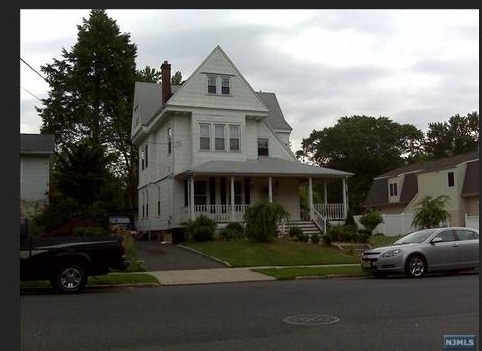
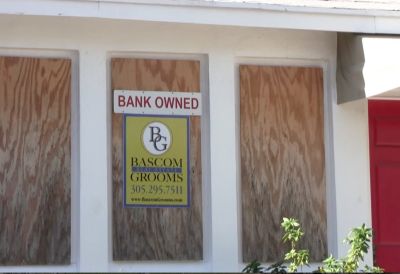
A friend in Northern New Jersey, with two young children, wants to find a home to buy before the lease on their apartment runs out in two months.  I suggested he check bank owned properties because he’s likely to find good deals.  RealtyTrac, the company that follows the foreclosure market, reports that foreclosure filings in New Jersey jumped 70 percent in February from the previous month. While this is heartbreaking for the homeowners, it does provide a good opportunity for homebuyers.

Bank owned properties are attractive because the banks already own them, and in most cases want to sell relatively quickly.

REO listings

Banks call the properties that come to them through foreclosure “Real Estate Owned,” or “REO,” and sections of their websites are dedicated to REO listings.

Here’s the first tip to find foreclosures

  • Search the REO listings on websites of big banks in your area, which are likely to have homes in their possession.

In Northern New Jersey for example banks with REO listings include:

For more information ConsumerMojo.com’s How Do I Find Foreclosures walks you through the process.  In our Quick Downloads section there’s a fact sheet with what you need to know.

Let us know what you’re doing to find foreclosures.  Leave a comment or show us your video!

Package Waiting For You Scam


by Barbara Nevins Taylor

You probably don’t think of the U.S. Postal Inspector as a super sleuth.  In fact, the Postal Inspection Service is filled with good detectives and they are now on the trail of the “Package Waiting for You” scammers.  This is another twist on the email phishing scam. This time, you get an email that claims there’s a package waiting for you because delivery attempts failed, or you owe money for postage. The email instructs you  to click on the link to open an alleged attachment or a print a label. It is completely fake and potentially damaging to you.

Don’t do it.

If you open the link you will allow a virus or malware to get into your computer to steal your personal information.

Just Delete

Postal inspectors advise that you just delete the email.

You can contact the Postal Inspector at 1-800-ASK-USPS or email spam@uspis.gov


Deferred Action Slows


by Barbara Nevins Taylor

Almost 200,000 people won deferred action as of February 14, 2013. But applications for the Deferred Action for Childhood Arrivals Program slowed.  Only about 15,000 applied to the United States Citizenship and Immigration Services (USCIS) in February. More than double that number filed applications in January. The slow down is surprising because 1.7 million young people who entered the U.S. before they were 16-years-old are eligible and the benefits are huge.

Deferred Action Benefits

Once deferred action is granted a young person can:

  • Work legally in the U.S.
  • Get a driver’s license.
  • Live openly in the sunlight for least two years.

New York and New Jersey

The majority of applicants  are immigrants from Mexico who live in California and Texas. Fewer than 25,000 applied from New York and fewer than 14,000 from New Jersey.

Anyone know why so few New Yorkers and New Jerseyeans are applying?

How to Apply for Deferred Action

If you want to apply, ConsumerMojo.com’s video blog How to Apply for Deferred Action Without a Lawyer,  and How to Apply for Deferred Action walk you through the process.

We also have everything written out for you. Let us know what you think.

Student Lender Oversight


by Barbara Nevins Taylor

With $1 trillion in outstanding student loan debt, you might say it’s about time regulators got a handle on the loan industry. So it’s welcome news that the Consumer Financial Protection Bureau (CFPB) proposed a rule that will give it oversight of servicers that collect and process student loan payments for banks. These servicers also deal with delinquent loans and that’s a particular area of concern. CFPB Director Richard Cordray said, “Our rule would bring new oversight to the student loan market and help ensure that tens of millions of borrowers are not treated unfairly by their servicers.”

The CFPB found that many borrowers say as they try to repay their loans, questions to servicers often go unanswered. Many complain they can’t find out how much they owe, or even the terms of their loans.  They also are often surprised by extra, unexplained fees.  And some complain they get different stories about the status of their loans and repayment when they talk to different employees at the organizations. In addition, some find they get lost in telephone hell as they try to straighten out errors.

The CFPB oversight aims to protect borrowers and set clear rules for standards and practices by the servicers.

The public has 60 days to comment on the proposed rule after it’s published in the Federal Register.

Foreclosures Down, But


by Barbara Nevins Taylor

It’s a good news bad news picture for homeowners in trouble.  On the plus side, 25 percent fewer property owners filed foreclosure papers in February than in February 2012, according to RealtyTrac. But the real estate reporting company says one in every 849 U.S. housing units had a foreclosure filing in February.

Foreclosures were up in New York and New Jersey, and Florida, Nevada and Illinois had the highest foreclosure rates in the nation. Miami, Orlando, Ocala, Tampa and Palm Bay Florida cities were the metro areas with the most foreclosures.

However, Darren Blomquist of RealtyTrac projects, “…the U.S. foreclosure inferno has effectively been contained and should be reduced to a slow burn in the next two years.

If you’re a homeowner in trouble, What to Do About Foreclosure on ConsumerMojo.com can help.

And if you’re in the market for foreclosures or short sales How Do I Find Foreclosures has great information.

We’ve got a lot more on ConsumerMojo.com.  Let us know what you think.  Like us on Facebook and Follow us on Twitter.


Bad Guy Strikes Twice

Bad guys always strike twice. That’s my experience. Caught running a scam and put out of business, they wake up one morning and start all over again. So it’s little surprise that a scammer shut down by the Federal Trade Commission in 1998 creeped back into the game again.

This one sounds like a can’t believe anyone fell for it scheme, but the FTC says Glen E. Burke and his company, American Health Associates, told consumers they had won thousands of dollars in prizes.

To collect, they had to buy vitamins for $300 to $500. But instead of money they received cheap costume jewelry, or a lithograph print. And in some cases according to the FTC, people were asked to pay more for better prizes.

The FTC says that in 1996 Burke ran a bogus investment scheme and in 1998 was involved in a phony direct-mail sweepstakes scheme. The company told consumers then that they’d won thousands, and even millions of dollars, and to collect they’d have to pay a small fee.

Those who paid the money received nothing and a federal judge in 1998 banned Burke from telemarketing and making misleading claims.

Now a federal judge in U.S. District Court in Nevada ruled Burke violated the 1998 order, froze his assets and appointed a receiver to take over the company.

The FTC says it’s trying to get money for those who were cheated. Stay tuned.


Comment. Share.